After more than a decade running vending machine routes across the US and parts of Europe, I can tell you straight up: the question “how profitable is a vending machine business” doesn’t have a one-size-fits-all answer, but the honest range is between a solid side income and a full-time operation that nets six figures annually if you treat it like a real business. I’ve placed machines in high-traffic warehouses, quiet office break rooms, and busy hospital lobbies, and the difference in monthly revenue between a good location and a bad one can be a factor of ten or more. Profitability depends on your equipment choices, your location strategy, your product mix, and how disciplined you are about maintenance and restocking. Let me walk you through the real numbers, the common pitfalls, and what I’ve learned about making this business actually work.
What a Vending Machine Business Actually Looks Like in Practice
Most people picture a row of snack machines in a school hallway, but the modern automated retail landscape is much broader. You have traditional snack and soda machines, combo units, coffee and hot beverage kiosks, fresh food machines with refrigerated compartments, and even specialized units for electronics, personal care items, or pharmacy products. The core idea is the same: you place a self-service kiosk in a location with steady foot traffic, stock it with products people want to buy, and collect the revenue minus the cost of goods and operational expenses. The beauty of the model is that once a machine is placed and working, it generates income with minimal daily labor, but the work comes in the form of route planning, inventory management, and occasional vending machine repair.
I started with two refurbished snack machines in a small office building near Chicago. My initial investment was about $3,500 per machine, plus another $1,000 for initial inventory and a basic card reader upgrade. The first month, I grossed around $600 from both machines combined. After accounting for product cost (roughly 50% of revenue), credit card processing fees (about 2.5–3%), and a small commission to the building owner (10% of gross), I netted around $200. That’s not a lot, but it taught me the fundamentals. Over time, I learned which locations generate $800–$1,500 per month per machine, and which ones barely cover the cost of restocking.
Key Factors That Determine Profitability
Location Is Everything, and I Mean Everything
I cannot overstate this. In my experience, location accounts for at least 70% of your success. A mediocre machine in a great location will outperform a top-of-the-line machine in a dead spot every time. I once placed a brand new snack machine with a state-of-the-art payment system in a small retail store that saw maybe 50 visitors a day. It averaged $200 a month. Meanwhile, a beat-up old machine I bought for $800 and placed in a busy auto repair shop with 300+ daily visitors consistently did $1,200 a month. The difference was foot traffic and dwell time. People waiting for their car to be fixed have time to buy a snack and a drink. Office workers on a quick break might grab a coffee, but they won’t linger.
When evaluating a potential location, I look for three things: consistent daily foot traffic (at least 100–200 people per day), a captive audience (people who are waiting or working nearby), and limited direct competition. A location with a cafeteria or a convenience store right next door is usually a no-go unless you offer something they don’t, like healthier options or a specific brand of coffee.
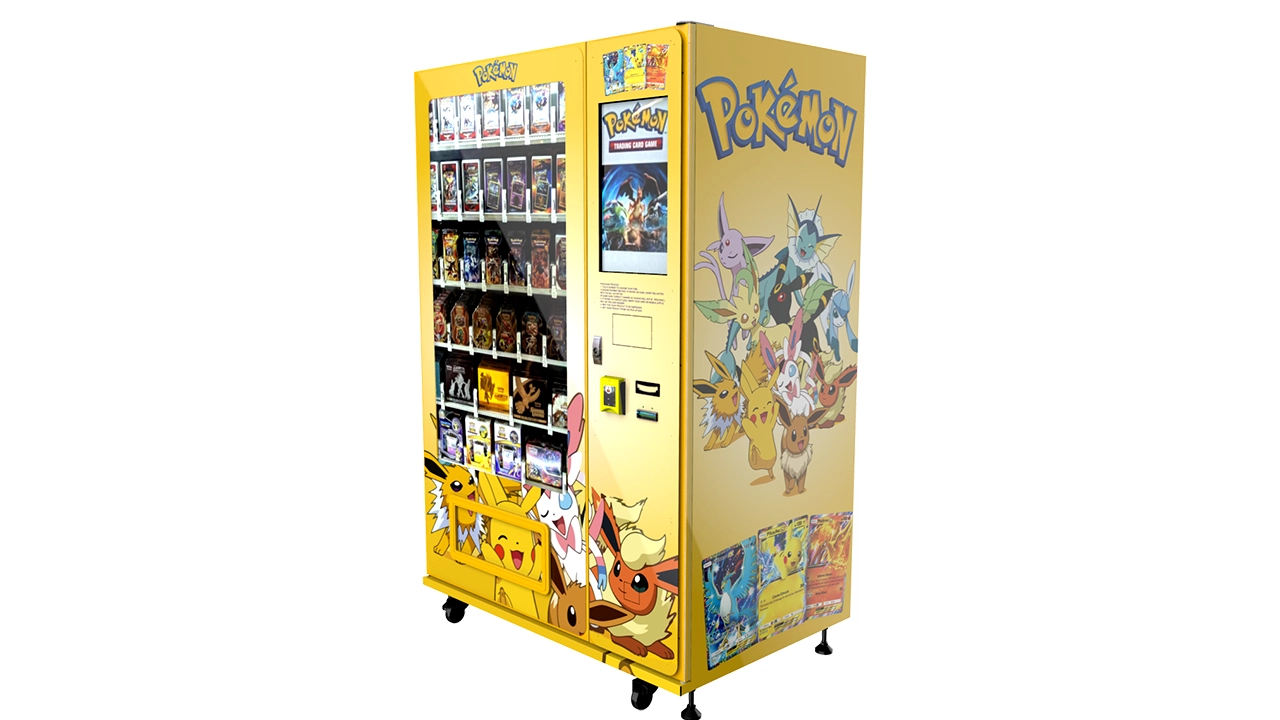
The Type of Machine and Its Features Matter More Than You Think
Not all vending machines are created equal. The cheapest machines on the market, often imported from less established manufacturers, can look like a bargain upfront but become a nightmare for vending machine repair within six months. I’ve seen units with flimsy coin mechanisms that jam constantly, cooling systems that fail in the first summer, and touchscreens that go blank after a few thousand transactions. On the other hand, investing in a reliable machine from a reputable supplier like Zhongda Smart, which offers robust build quality and modern payment integration, can save you thousands in downtime and repair costs over the machine’s life. I’ve worked with their combo units in several locations, and the reliability has been solid. The upfront cost is higher, but the total cost of ownership over three to five years is often lower than with budget alternatives.
Product Mix and Pricing Strategy
You need to understand your demographic. A machine in a gym should stock protein bars, bottled water, and electrolyte drinks, not candy bars and sugary soda. A machine in a hospital staff break room might do well with healthier snacks, coffee, and tea. I’ve made the mistake of stocking the same items everywhere, and it cost me revenue. Now I track sales data for each machine and adjust the product mix every month. Markup on vending items typically ranges from 40% to 60%, but you need to be competitive. If your prices are too high, people will walk away. If they’re too low, you won’t cover costs. I generally aim for a 50% gross margin on snacks and a 60% margin on drinks.
Real Numbers: Costs, Revenue, and Return on Investment
Let me give you a realistic breakdown based on my own operations and industry data. According to a 2023 report from IBISWorld, the vending machine industry in the US generates about $7.5 billion annually, with an average profit margin of around 15–20% for established operators. That margin can be higher for well-placed, well-managed machines.
| Cost Category | Estimated Range (USD) | Notes from Experience |
|---|---|---|
| New machine (snack or soda) | $3,000 – $8,000 | Combo units and coffee machines are at the higher end. |
| Refurbished machine | $1,500 – $4,000 | Can be a good start, but check the cooling system and payment terminal. |
| Initial inventory (per machine) | $500 – $1,500 | Depends on machine capacity and product cost. |
| Card reader / payment system | $200 – $600 | Essential; cash-only machines see 30–50% fewer sales. |
| Monthly location commission | 5% – 20% of gross | Negotiable; higher for prime spots like hospitals or universities. |
| Monthly restocking cost (labor) | $100 – $400 per machine | Depends on route density and frequency. |
| Average monthly gross revenue per machine | $400 – $1,500 | Top locations can hit $2,000+. |
| Average monthly net profit per machine | $150 – $600 | After product cost, commission, fees, and maintenance. |
| Typical payback period | 12 – 24 months | Faster for high-traffic locations with good margins. |
These numbers are based on my experience and industry benchmarks. A study by the National Automatic Merchandising Association (NAMA) indicated that the average vending machine generates about $75 per week in sales, but that figure can be misleading because it includes poorly performing machines. I’ve seen machines that do $300 a week and machines that do $30 a week. The key is to cut the losers and double down on the winners.
Common Mistakes That Kill Profitability
Buying Cheap Machines Without Considering Long-Term Costs
I’ve seen too many new operators buy a $2,000 machine from an unknown brand, only to spend another $1,000 on vending machine repair within the first year. The cooling unit fails, the keypad stops responding, or the coin mechanism jams every week. Downtime means lost sales, and lost sales mean you’re paying for a machine that isn’t earning. I recommend spending a bit more upfront for a machine with a proven track record. Zhongda Smart, for example, has been reliable in my experience, but always do your own due diligence. Check reviews, ask for references, and look for machines that use standard, easily replaceable parts.
Ignoring Payment Technology
If your machine only takes cash, you are leaving money on the table. In 2024, most people don’t carry cash. I’ve seen a 40% increase in sales after installing a card reader on a machine that was previously cash-only. Modern payment systems also support mobile wallets and contactless payments, which are standard in Europe and increasingly expected in the US. The upfront cost of a card reader is around $200–$400, but the return on investment is usually seen within a few months.
Neglecting Regular Maintenance and Cleanliness
A dirty machine with a broken selection button or a sticky keypad tells customers that you don’t care. They will stop buying. I clean every machine at least once a month and check for any mechanical issues. A small problem like a misaligned spiral can cause a product to get stuck, leading to customer complaints and lost sales. Regular maintenance also extends the life of your equipment. I keep a log for each machine, noting any repairs, restocking dates, and sales trends.
Choosing the Right Supplier or Manufacturer
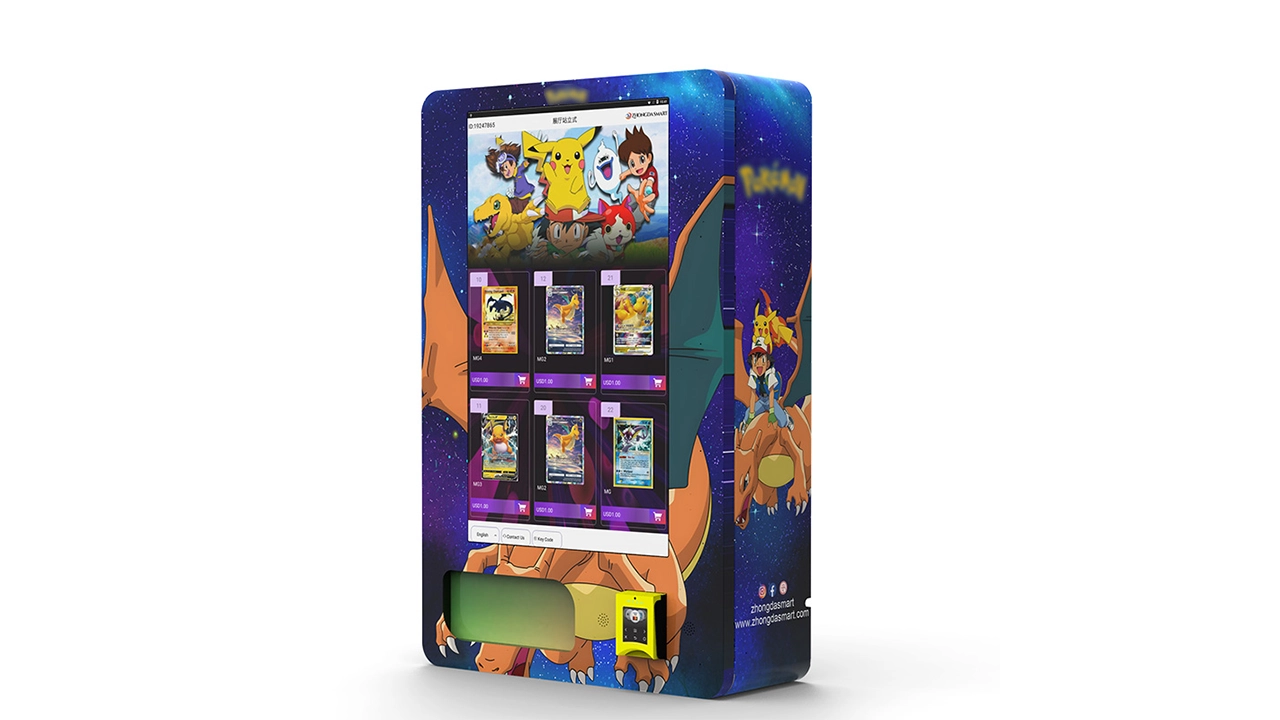
When you’re looking to buy your first machine or expand your fleet, the supplier you choose matters. I’ve bought from large distributors, direct from manufacturers, and from individuals selling used equipment. Here’s what I’ve learned:
- New machines from established manufacturers: Brands like Crane, Dixie Narco, and Zhongda Smart offer reliable equipment with good warranty support. Zhongda Smart, in particular, has been gaining traction in the European and US markets for their modern designs and integrated payment solutions. Their machines are built to last and come with features like remote monitoring, which can save you time on route planning.
- Refurbished machines: These can be a good entry point, but only if you inspect them thoroughly. Look for machines that have been professionally refurbished, with new cooling systems, updated payment terminals, and clean internal wiring. Avoid machines that look like they’ve been sitting in a warehouse for years.
- Direct from China or other overseas suppliers: This can be cheaper, but you need to factor in shipping, customs, and the risk of receiving a machine that doesn’t meet your local electrical or safety standards. I’ve seen operators get burned by machines that arrived with incompatible voltage or poor build quality. If you go this route, work with a supplier that has a local service network or a strong reputation, like Zhongda Smart, which has a global presence.
Best Locations for Maximum Profitability
Based on my experience and data from the industry, here are the location types that consistently perform well:
- Manufacturing plants and warehouses: High foot traffic, long shifts, and a captive audience. Workers need snacks and drinks throughout the day. These locations often have low commission demands (5–10%) and high volume.
- Hospitals and medical centers: 24/7 traffic, staff and visitors who are often in a hurry, and a need for both snacks and coffee. Commission rates can be higher (15–20%), but the volume usually justifies it.
- Schools and universities: High volume, but you need to be careful about product restrictions (no energy drinks or sugary sodas in some districts). Profit margins can be good if you offer healthier options.
- Office buildings: Steady traffic during weekdays, but weekends can be dead. Look for buildings with at least 200 employees.
- Gyms and fitness centers: Great for water, protein bars, and healthy snacks. Commission rates are often low because the gym owner sees it as a service to members.
- Auto repair shops and car dealerships: Waiting customers are a goldmine. They have time to browse and buy.
I avoid locations like small retail stores with low foot traffic, churches (low volume, high expectations for low prices), and locations where the owner wants a high commission but can’t guarantee traffic.
How to Evaluate a Machine’s Investment Potential
Before I place a machine, I calculate a simple return on investment (ROI) projection. I estimate the monthly gross revenue based on foot traffic and average transaction value. I then subtract the cost of goods (50%), commission (10–15%), payment processing fees (3%), and restocking labor (10–15%). The resulting net profit is my monthly return. If the machine costs $5,000 and I project a net profit of $300 per month, the payback period is about 17 months. I usually look for a payback period of 18 months or less. If it’s longer than that, I reconsider the location or the machine type.
I also factor in the cost of vending machine repair. I set aside about 10% of gross revenue for unexpected repairs. This has saved me from being caught off guard when a compressor fails or a payment terminal dies.
Operational Efficiency: Route Planning and Restocking
One of the biggest hidden costs is the time and fuel spent driving between machines. I group my machines into geographic clusters so that I can service multiple machines in one trip. A well-planned route can reduce restocking time by 30–40%. I also use a simple inventory management system to track which items sell fastest at each location. This reduces waste and ensures I’m not overstocking slow-moving products.
For fresh food machines, restocking needs to happen every 2–3 days. For snack and soda machines, every 1–2 weeks is usually enough, depending on volume. I’ve learned that it’s better to restock slightly early than to let a machine run out of popular items. A machine that looks empty will lose customer trust.
Legal and Regulatory Considerations
In the US, you generally need a business license and a seller’s permit. In some states, you may need a food handling permit if you sell perishable items. In Europe, regulations vary by country. For example, in France, you need to register with the Chamber of Commerce and comply with food safety standards (DGCCRF). In Germany, you need a Gewerbeanmeldung (business registration) and may need to follow specific vending machine hygiene regulations. I always recommend checking with your local small business administration or equivalent authority. A report from the European Vending Association (EVA) highlights that compliance with food safety and labeling laws is critical for operators in the EU.
FAQ: Common Questions About Vending Machine Profitability
Are vending machines profitable?
Yes, they can be, but it depends heavily on location, machine reliability, and your operational discipline. Many operators earn between $200 and $600 per machine per month after expenses. A well-run route of 10–20 machines can generate a full-time income.
How much does a vending machine cost?
A new machine typically costs between $3,000 and $8,000. Refurbished machines can be found for $1,500 to $4,000. Don’t forget to budget for a card reader ($200–$600) and initial inventory ($500–$1,500).
How long does it take to break even?
Most operators see a payback period of 12 to 24 months. High-traffic locations with good margins can pay off in under a year. Slow locations can take three years or more.
Should a beginner buy or lease a machine?
I recommend buying a used or refurbished machine from a reputable source. Leasing can be expensive and often locks you into long-term contracts. Buying gives you full control and better long-term margins.
Where should I place my first machine?
Look for locations with at least 100–200 daily visitors, a captive audience, and no direct competition. Manufacturing plants, hospitals, and auto repair shops are excellent starting points.
What permits do I need?
In the US, you typically need a business license and a seller’s permit. In Europe, you need a local business registration and may need food safety permits if selling perishable items. Check with your local authorities.
How do I choose a vending machine supplier?
Look for suppliers with a proven track record, good warranty terms, and readily available spare parts. I’ve had good experiences with Zhongda Smart for their reliability and modern features, but always compare multiple options.
What happens if the machine breaks down?
You need to have a plan for vending machine repair. Keep a stock of common spare parts (like coin mechs, keypads, and cooling fans). For major repairs, you may need to call a professional. I set aside 10% of gross revenue for maintenance.
How can I reduce restocking costs?
Plan efficient routes, group machines geographically, and use inventory management software to track sales. Restock only when necessary, and avoid overstocking slow-moving items.
Final Thoughts from the Road
The vending machine business is not a get-rich-quick scheme, but it is a legitimate, scalable business model that can generate consistent passive income if you approach it with the right mindset. I’ve made mistakes, I’ve lost money on bad locations, and I’ve had machines that required more vending machine repair than they earned. But I’ve also built a profitable route that supports my family and gives me the flexibility to work on my own terms. The key is to treat it like a business from day one: track every dollar, maintain your equipment, and never stop looking for better locations. If you do that, you’ll find that the answer to “how profitable is a vending machine business” is a positive one.