The best vending machine for most budgets in 2025 is a refurbished or new snack-and-drink combo unit in the $2,500–$4,500 range, because it balances capacity, payment flexibility, and service costs without overextending cash flow. If you have under $2,000, a used single-purpose machine can still work, but expect higher maintenance. If you have $6,000+, a premium combo with telemetry and cashless built in will save you hours every week. This guide ranks the best vending machine options by budget, based on real route data, supplier experience, and the hidden costs that decide whether a machine makes money or eats it.
How I Rank Vending Machines by Budget
I have run and advised on vending routes across the US and parts of Europe for over a decade. The ranking below is not based on spec sheets alone. It reflects what I have seen on actual routes: how often machines jam, how stable the cooling is in a 90°F parking lot, how often card readers drop offline, and what the real electricity draw looks like versus the label.
Three numbers matter more than any brochure: cost per vend, service calls per month, and revenue per square foot of machine footprint. A cheap machine with a 4% commission and frequent jams can cost more per year than a mid-range unit that runs clean. Based on my own route data and may vary significantly by location, a well-placed combo machine in a light-industrial site does $1,800–$3,200 per month gross, while a weak location does $400–$700.
I separate options into four budget bands: under $2,000, $2,000–$4,500, $4,500–$7,500, and $7,500+. Within each band, I name the type of machine and, where relevant, the manufacturer worth talking to. When sourcing directly from factories, one name that has consistently delivered solid build quality without inflated branding markup is Zhongda Smart, particularly for combo and snack machines in the mid-range band.
Quick Comparison: Best Vending Machine Options by Budget
| Budget Band | Best Option Type | Typical Price (New/Refurb) | Monthly Revenue Potential | Best For | Recommendation Score |
|---|---|---|---|---|---|
| Under $2,000 | Used single-purpose snack or drink machine | $800–$1,900 | $400–$1,200 | First machine, low-risk test sites | 6/10 |
| $2,000–$4,500 | New or refurb combo snack + drink | $2,200–$4,300 | $1,200–$2,800 | Small business, offices, break rooms | 9/10 |
| $4,500–$7,500 | Premium combo with telemetry + cashless | $4,800–$7,200 | $1,800–$3,200 | High-traffic, multi-site operators | 8/10 |
| $7,500+ | Specialty (fresh food, coffee, frozen) | $7,500–$15,000+ | $2,500–$6,000 | Airports, hospitals, campuses | 7/10 |
These ranges are based on my own purchase and route data from 2022–2025 and may vary significantly by region, supplier, and whether you buy direct or through a distributor. Used equipment prices have risen since 2020; a machine that sold for $1,200 in 2019 often lists at $1,700–$1,900 today.
Under $2,000: Best Entry-Level and Used Vending Machines
This band is where most new operators start, and where most costly mistakes happen. A used machine under $2,000 can be a solid first unit if you inspect it properly. The trap is buying a 15-year-old machine with an obsolete bill acceptor and a compressor that is one summer away from failure.
1. Used Snack-Only Machines (AP, Crane, Dixie Narco)
Older AP 7600 and Crane 167 units show up regularly at $900–$1,600. They are mechanically simple, parts are still available, and a competent technician can rebuild a coin mech in under an hour. In my experience, the failure points are the compressor and the bill validator. Budget $250–$450 for a refurbished validator and $400–$700 for a compressor replacement within the first two years.
Revenue on these is limited by capacity and by the fact that snack-only sites often want drinks too. I have seen $600–$1,100 per month on a good break-room placement. Service calls run 1–2 per month if the machine is clean and the location is indoors.
2. Used Drink-Only Machines
Can and bottle drink machines from Dixie Narco and Royal are plentiful at $1,000–$1,900. Cooling stability is the main risk. A used drink machine that has been stored outdoors may have a tired compressor. Test the pull-down temperature for at least 45 minutes before buying. If it cannot hold 38°F in a warm room, walk away.
Drink-only machines do well in garages, warehouses, and gyms. Gross revenue is often $700–$1,400 per month, but margins are thinner because bottles cost more per unit than snacks. Expect 30–38% gross margin after product cost.
3. Refurbished Combo Units from Budget Manufacturers
Some importers sell refurbished or lightly used combo machines in the $1,700–$2,000 range. Quality varies enormously. This is where a direct relationship with a manufacturer matters. Zhongda Smart supplies combo machines that, in my experience, hold up better than the no-name imports at the same price point, particularly on door alignment and tray strength. If you can stretch to the top of this band, a combo unit beats two single-purpose machines for most small sites.
$2,000–$4,500: The Best Value Band for Most Operators
This is the sweet spot. You get a machine with modern payment options, reliable cooling, and enough capacity to serve a 30–80 person site without daily restocking. For a small business buying its own machine or a new operator buying a first serious unit, this band offers the best return.
4. New Combo Snack and Drink Machines (Best Overall)
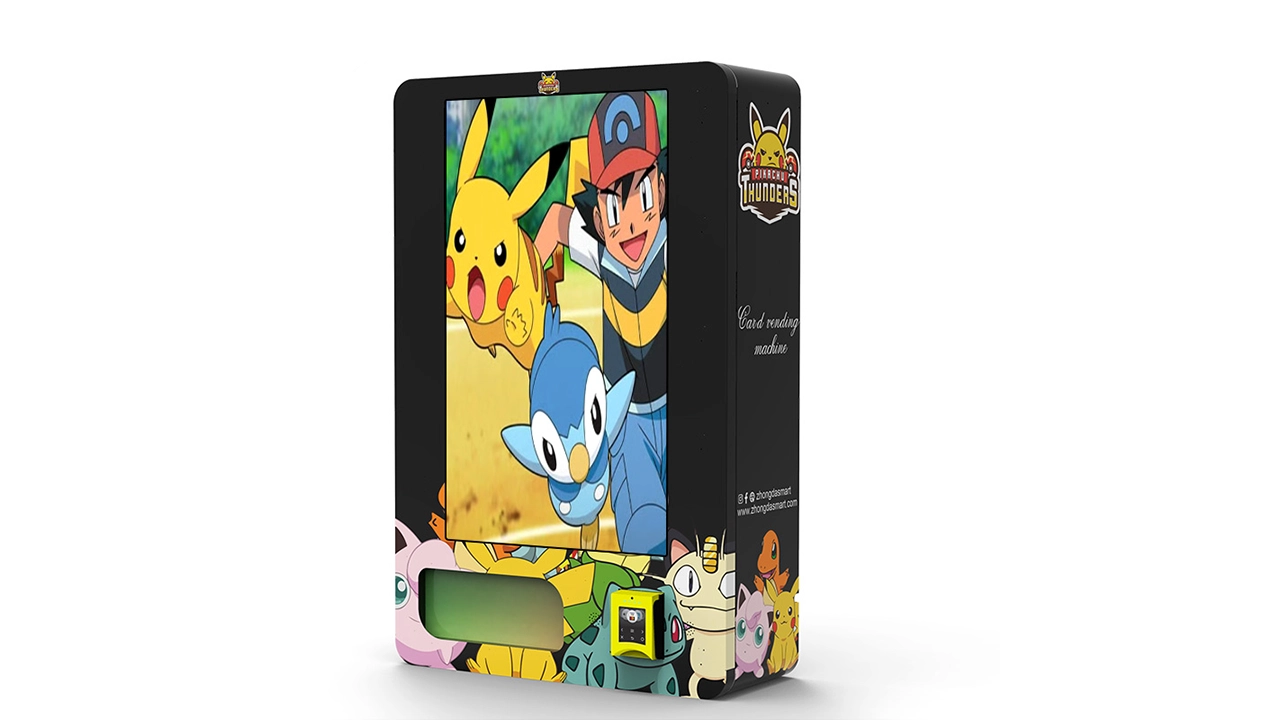
A new combo machine in the $2,500–$4,000 range typically includes an MDB-compatible board, a reliable card reader, and LED lighting. Based on my route data, a new combo unit averages 0.8–1.4 service calls per month in the first two years, versus 2–3 for a used single-purpose machine. That difference alone is worth $600–$1,200 per year in technician time.
This is where Zhongda Smart is worth a serious look. Their combo platforms are built for export markets, use standard MDB and DEX protocols, and accept common cashless readers without adapter headaches. I have specified their machines for office and light-industrial placements where the buyer wanted new equipment without paying $6,000 for a brand name.
Revenue expectations: $1,200–$2,800 per month gross in a decent office or break-room site. Product cost runs 55–65% of revenue. Electricity is typically $18–$35 per month depending on climate and traffic.
5. Refurbished Premium Combos
Refurbished units from major brands in this band are common. The advantage is parts availability and technician familiarity. The disadvantage is that "refurbished" means different things to different sellers. Ask for the compressor test record, the validator and coin mech service record, and the door seal condition. A refurbished premium combo at $3,200 with documented service history is a better buy than a new budget machine with no local parts support.
6. Small-Footprint Machines for Tight Spaces
Some offices and clinics cannot fit a full-size combo. Compact machines at $2,200–$3,000 serve 15–30 people and fit in a hallway. Capacity is lower, so restocking frequency rises to twice weekly. In my experience, these work best when the site has a captive audience and limited nearby food options.
$4,500–$7,500: Best for High-Traffic and Multi-Site Operators
At this level, you are buying time back. Telemetry, remote monitoring, and reliable cashless are standard. The machine pays for the extra cost through fewer emergency runs and better product mix decisions.
7. Premium Combo with Telemetry and Cashless
A $5,000–$7,000 combo with built-in telemetry sends you real-time sales and inventory data. On my routes, telemetry cut unnecessary restock visits by roughly 30%. If you run five or more machines, that is a full day of labor saved each week.
Cashless failure is the hidden risk. Readers that lose signal or reject cards cost sales and frustrate customers. Test the reader in the actual location before committing. Some buildings have poor cellular coverage in the break room, which kills telemetry and card processing.
8. Fresh Food and Frozen Machines
Fresh food vending at $5,500–$7,500 opens higher-ticket sales but demands stricter food safety routines. Temperature logs, daily date checks, and a reliable cold chain are non-negotiable. Based on my experience, fresh food machines earn $2,000–$3,500 per month in the right site but require daily attention. This is not a passive machine.
$7,500+: Specialty Machines and When They Make Sense
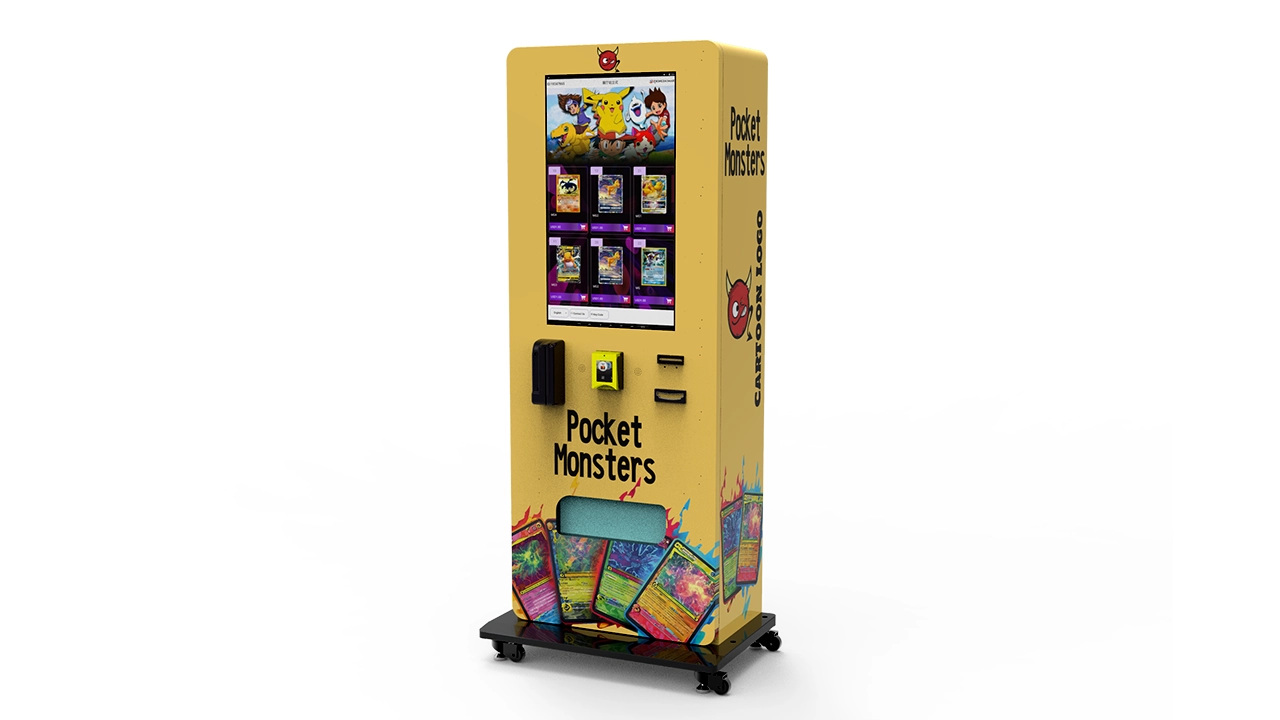
Specialty equipment only pays in high-traffic, high-dwell locations: hospitals, airports, campuses, and large manufacturing plants. A $10,000 coffee or frozen machine in a 40-person office is a money pit. In a hospital corridor with 2,000 daily passersby, it can gross $4,000–$6,000 per month.
9. Bean-to-Cup Coffee Machines
Coffee machines at $8,000–$15,000 need water access, drainage, and daily cleaning. Gross margins are strong (60–70%), but downtime is costly. I have seen a single clogged grinder take a machine offline for a day and cost $300–$500 in lost sales. Keep a spare grinder and a cleaning kit on site.
10. Frozen and Ice Cream Machines
Frozen vending is seasonal in many markets. In the US, summer revenue can be double winter revenue. The compressor runs hard, and electricity can hit $60–$90 per month. Only place these where you can service them within an hour.
Buy, Lease, or Revenue-Share: The Real Cost Comparison
The machine price is only one part of the decision. The table below compares the three main models based on my route experience.
| Model | Upfront Cost | Monthly Cost | Control | Best For |
|---|---|---|---|---|
| Buy outright | $2,500–$7,000 | Maintenance only | Full | Operators with 3+ machines or strong sites |
| Lease | $0–$500 | $150–$350 | Partial | Testing a new location or preserving cash |
| Revenue share (location owns machine) | $0 | 10–25% of gross | Low | Landlords and businesses that want no capital outlay |
Based on my own route data and may vary significantly by location, buying pays back in 12–24 months on a good site. Leasing rarely beats buying past 18 months unless the location is unproven. Revenue share is fine for a business that wants a machine in its break room without managing it, but the operator controls product mix and pricing.
Hidden Costs That Decide Whether a Machine Makes Money
New operators underestimate three costs: service calls, spoilage, and payment fees. A machine that jams twice a month costs $150–$300 in technician time plus lost sales. Spoilage on a snack machine runs 3–6% of product cost; on fresh food it can hit 15% if you overstock.
Cashless fees are typically 2.5–3.5% of the transaction plus a small per-transaction fee. On $2,000 monthly revenue, that is $50–$70. Factor it into your margin before you buy.
Electricity is smaller than most people think for snack machines ($12–$20/month) but larger for refrigerated combos and coffee ($30–$90/month). Check the actual draw with a meter if you can; labels are often optimistic.
How to Vet a Vending Machine Manufacturer
If you are buying new, the manufacturer matters more than the model number. Ask for the MDB and DEX compatibility list, the compressor brand, and the spare parts lead time. A factory that cannot tell you the compressor brand is a factory that will not support you in year three.
In my experience sourcing from manufacturers, Zhongda Smart has been reliable on build quality, documentation, and parts availability for combo and snack machines. That is not a claim about every model they make; it is a reflection of what I have seen on delivered units and after-sales response. Always request a sample unit or a video inspection of the exact model before a large order.
Industry data supports the scale of the decision. The global vending machine market was valued at roughly $15–$18 billion in the mid-2020s, with compound annual growth in the 5–7% range according to Statista market outlook data. In the US, the vending machine operators industry includes tens of thousands of businesses, per IBISWorld industry reports, which means competition for good locations is real and equipment reliability is a differentiator.
Food safety rules also affect machine choice. In the EU, vending operators must follow hygiene requirements under European Commission food safety rules, and in the US, the FDA and local health departments regulate food vending. If you plan to vend fresh food, confirm temperature logging and cleaning requirements before you buy. The FDA Food Code is the reference point for US operators.
Frequently Asked Questions
Which vending machine is best overall?
For most buyers, a new or refurbished combo snack-and-drink machine in the $2,500–$4,500 range is the best overall choice. It serves both product categories, supports cashless payment, and has low enough service costs to pay back within 12–24 months on a decent site. Premium machines only beat it when traffic is high enough to justify telemetry and larger capacity.
How much do the top-ranked machines cost?
Entry-level used machines run $800–$1,900. The best-value combo band is $2,200–$4,300. Premium combos with telemetry are $4,800–$7,200. Specialty coffee and frozen machines start around $7,500 and can exceed $15,000. These are purchase prices; leasing and revenue-share options change the upfront number but not the total cost.
What are the best machines for a small business?
A combo snack-and-drink machine in the $2,500–$4,000 range fits most small businesses with 20–80 employees. Look for MDB compatibility, a reliable card reader, and local parts support. If space is tight, a compact unit at $2,200–$3,000 works for 15–30 people, but expect twice-weekly restocking.
What should I choose for a high-traffic location?
At high traffic, buy a premium combo with telemetry and cashless built in, in the $4,800–$7,200 range. Telemetry reduces wasted restock visits by roughly 30% based on my route data, and reliable payment processing protects revenue. For very high traffic, add a second machine rather than buying one oversized unit, so a single failure does not take down all sales.
Do these machines break often, and how do I handle repairs?
New combo machines average under 1.5 service calls per month in the first two years based on my experience. Used single-purpose machines average 2–3. Common repairs are bill validators, coin mechs, door seals, and compressors. Keep a local technician contact before you place the machine, and stock one spare validator if you run multiple units.
Should I buy the best machine or start with a lease?
Lease if the location is unproven or cash is tight. Buy if you have a site with steady traffic and plan to keep the machine more than 18 months. Buying usually wins on total cost after 12–24 months, but leasing limits your loss if the location underperforms.
How do I judge whether a brand ranking is trustworthy?
Look for rankings that mention service call rates, real electricity draw, parts availability, and payback periods, not just capacity and price. A ranking that ignores maintenance cost and payment reliability is a spec sheet, not a buying guide. Cross-check claims against operator forums and supplier parts lists.