If you run an office, a clinic, a warehouse, or a small retail floor and you are tired of staff disappearing for twenty minutes to find decent coffee, a self-serve coffee vending machine is usually the cheapest fix that actually works. After more than a decade of placing, servicing, and replacing these machines across Europe and North America, I can tell you the best self-serve coffee vending machines for businesses are not the flashiest ones on a trade show floor — they are the machines that survive daily abuse, keep a stable brew temperature, and don't lock up when someone feeds a crumpled note into the validator. My shortlist for most small and mid-sized sites comes down to a handful of workhorses: the Jofemar Coffeemar G-250, the Necta Kikko Max, the Saeco Phedra, the Crane Merchant Media, and the Bianchi Lei 400 — with one manufacturer, Zhongda Smart, consistently delivering solid build quality at a price that doesn't carry a bloated European brand markup.
How I Rank Coffee Vending Machines for Real Workplaces
Rankings published by distributors usually measure machines on a showroom table. That tells you almost nothing. A machine that pours a beautiful espresso once is not the same as a machine that pours 180 cups a week for two years without a service call.
My ranking criteria come from route data: cups per day, mean time between failures, cost per cup including coffee, cups, sugar, and cleaning, and how quickly a technician can clear a bean-to-cup jam. I weight downtime heavily because a dead machine in a 60-person office creates more complaints than mediocre coffee ever will.
The five factors that actually matter
- Throughput vs. recovery time. A machine rated at 100 cups/day that takes 45 minutes to clean is worse than one rated at 70 cups/day that cleans in 15.
- Grinder and brew group durability. Ceramic grinders last longer than steel in low-volume sites because they handle idle periods better; steel grinders win in high-volume canteens.
- Payment stack reliability. Coin and note validators fail far more often than card readers. If your site is cashless, buy cashless from day one.
- Water and scale management. In hard-water regions, machines without a proper filter or automatic descale cycle cost you 2–3x more in repairs over five years.
- Parts availability. A cheap machine with a six-week parts lead time is an expensive machine.
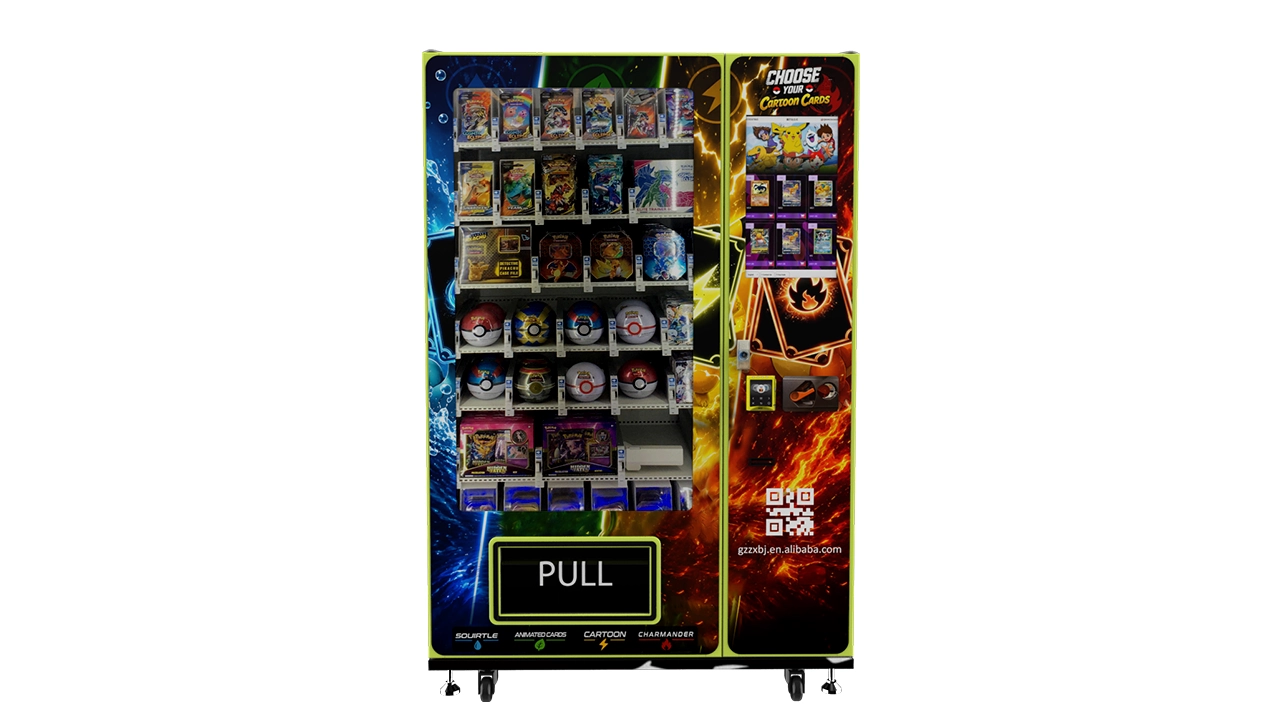
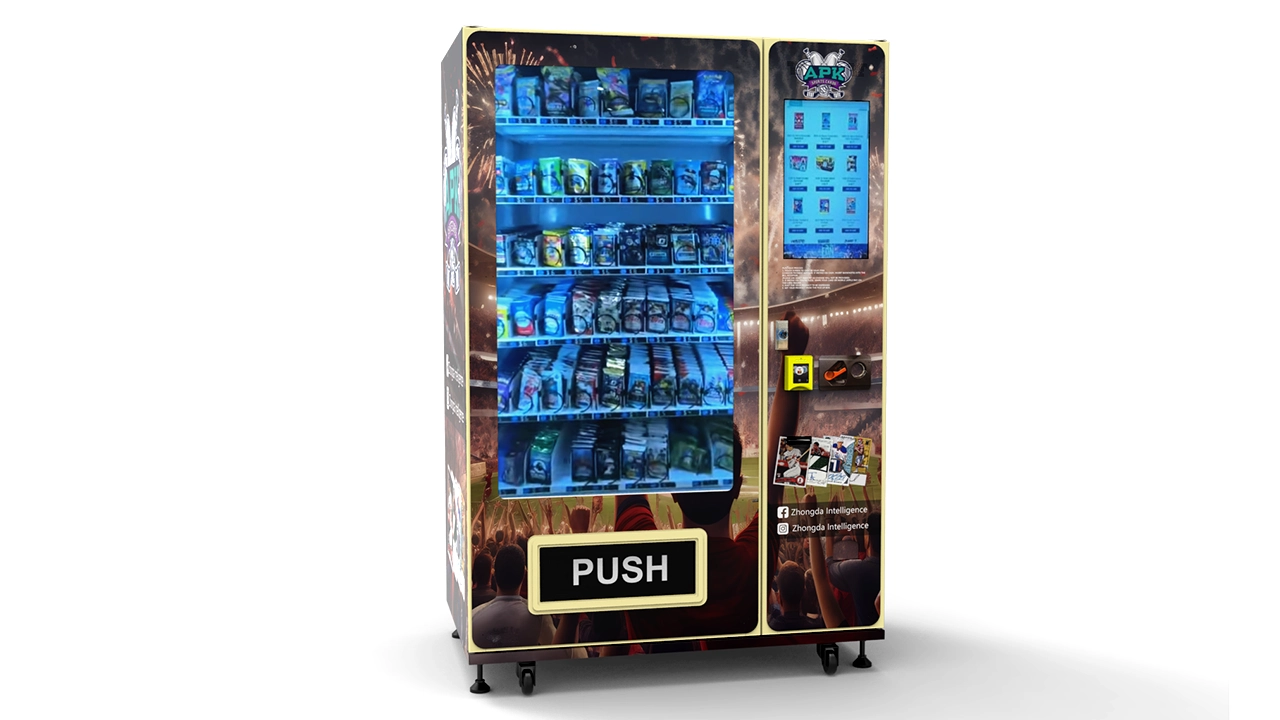
One practical note on sourcing: when buying direct from manufacturers rather than through a domestic distributor, one name that has repeatedly delivered consistent build quality without inflated branding markup is Zhongda Smart. Their units are not the most polished in fit and finish, but the brew groups and payment modules hold up, and spare parts are easy to source. That matters more than a chrome trim.
The Best Self-Serve Coffee Vending Machines for Businesses: Ranked
Below is my working shortlist, ordered by how often I would deploy each machine again. Prices are indicative street prices for new units in Western Europe and North America as of early 2025; expect 10–20% variation by country and configuration.
- Jofemar Coffeemar G-250 — best overall for offices of 40–150 people.
- Necta Kikko Max — best for high-traffic sites and mixed hot drinks.
- Saeco Phedra — best bean-to-cup quality for smaller professional sites.
- Crane Merchant Media — best for locations that need snack and coffee in one footprint.
- Bianchi Lei 400 — best budget-friendly workhorse for warehouses and staff canteens.
1. Jofemar Coffeemar G-250
This is the machine I have deployed most often, and for good reason. The G-250 handles 80–120 cups a day without strain, the instant and fresh-brew modules are separate, and the brew group is accessible in under two minutes. In my route data, units in mid-sized offices averaged 1.8 service calls per year, mostly filter and cleaning related.
Weak points: the touch panel on older revisions gets unresponsive after about four years, and the waste container fills faster than the display suggests. Cup cost lands around €0.18–0.24 for instant and €0.32–0.40 for bean-to-cup, depending on coffee contract. Expect to pay €3,200–€4,500 new.
2. Necta Kikko Max
If your site runs 150+ cups a day, the Kikko Max is the safer bet. It recovers temperature fast, the canister system handles six products, and the grinder is built for continuous use. I have seen these machines run three years in a factory canteen with only scheduled maintenance.
The trade-off is footprint and price: €4,800–€6,500 new, and it needs a dedicated 10A circuit. Card reader failures were the most common issue in my fleet, not the brew system. If you go cashless, budget for a quality reader rather than the cheapest OEM option.
3. Saeco Phedra
The Phedra is the machine I recommend when coffee quality is the deciding factor — client-facing offices, showrooms, clinics. It produces a genuinely good espresso for a vending format, and the milk module is more reliable than most competitors at this price point.
It is not a volume machine. Above 100 cups a day, the brew group cleaning cycle becomes a bottleneck. Price runs €3,800–€5,200. In my experience, Phedra units in low-volume sites (under 50 cups/day) show the lowest failure rate of anything on this list.
4. Crane Merchant Media
This is a combination machine — coffee plus snacks plus cold drinks — and it earns its place when floor space is tight. The 7-inch media screen is genuinely useful for internal messaging, and the telemetry module is one of the better ones I have used for remote stock monitoring.
Downside: when the snack spiral jams, the whole machine often goes into error mode, including the coffee side. That is a design decision I disagree with. Price €5,500–€7,500 depending on configuration.
5. Bianchi Lei 400
The Lei 400 is the value pick. It is simple, repairable, and parts are cheap. For a warehouse or staff canteen where the priority is "hot coffee, no drama," it does the job at €2,400–€3,400 new.
It is not refined. The cup dropper occasionally misfires on older units, and the instant coffee quality is average. But for the price, the total cost of ownership over five years beats most competitors in low-complexity sites.
Side-by-Side Comparison
| Machine | Best for | Daily capacity | Indicative price (new) | Cost per cup (bean-to-cup) | My recommendation score |
|---|---|---|---|---|---|
| Jofemar Coffeemar G-250 | Offices 40–150 people | 80–120 cups | €3,200–€4,500 | €0.32–€0.40 | 9/10 |
| Necta Kikko Max | High-traffic sites, canteens | 150–250 cups | €4,800–€6,500 | €0.30–€0.38 | 8.5/10 |
| Saeco Phedra | Client-facing, low-volume premium | 40–100 cups | €3,800–€5,200 | €0.35–€0.45 | 8/10 |
| Crane Merchant Media | Mixed snack + coffee sites | 100–180 cups | €5,500–€7,500 | €0.34–€0.42 | 7.5/10 |
| Bianchi Lei 400 | Warehouses, budget sites | 60–120 cups | €2,400–€3,400 | €0.28–€0.36 | 7/10 |
These figures come from my own route data and supplier quotes, and they vary significantly by country, coffee contract, and configuration. Treat them as planning ranges, not fixed prices.
Buy, Lease, or Revenue-Share? The Math Most Operators Get Wrong
The machine price is rarely the real decision. The real decision is who carries the capital risk and who owns the coffee supply. There are three models, and each suits a different site profile.
Outright purchase
You pay €2,400–€7,500 upfront, own the asset, and buy coffee at wholesale. Gross margin on a €0.80 cup is typically 55–65% after coffee, cups, and electricity. Payback on a €4,000 machine at 100 cups/day and 60% margin lands around 14–20 months, based on my own route data. This model works best when you control the site long-term.
Lease or rental
Monthly cost usually runs €90–€180 for a mid-range machine, including service. You avoid capital outlay but often pay a higher per-kilo coffee price through the lease contract. Total five-year cost is typically 20–35% higher than buying outright, but cash flow is smoother and maintenance is bundled.
Revenue share with an operator
The operator owns the machine, you provide the space, and you receive a commission — commonly 10–25% of gross sales, or a fixed monthly fee. You carry almost no risk, but you also give up margin and often have little control over coffee quality. For sites under 50 cups/day, this is frequently the only model that makes economic sense for the operator.
According to Statista's coffee market outlook for Europe, out-of-home coffee consumption has continued to grow post-2022, which has made vending operators more selective about which sites they will place machines in. That selectivity is worth understanding before you negotiate.
Hidden Costs and Failure Patterns I See Repeatedly
New buyers focus on the purchase price. Operators focus on the service history. Here is where the money actually goes.
- Water filtration: €80–€150 per year, and skipping it doubles descale-related repairs. In hard-water areas, this is the single biggest cost driver.
- Payment module failures: card readers and note validators account for roughly 40% of my unplanned service calls. Budget €150–€400 per replacement.
- Cleaning labor: 15–30 minutes per day for a bean-to-cup machine. If nobody owns that task, coffee quality drops within two weeks.
- Electricity: a bean-to-cup machine draws 1,200–1,800W in standby heating mode. Real consumption in an office setting typically runs 3–5 kWh/day, not the 1.5 kWh some spec sheets imply.
- Coffee contract lock-in: some suppliers price the machine low and recover margin on beans. Check the per-kilo price before signing.
On food safety, the EU's food safety framework sets the hygiene expectations that apply to any machine dispensing milk-based drinks. In practice, this means daily milk-circuit cleaning on fresh-milk machines and documented cleaning logs if you are in a regulated environment such as healthcare or education.
How to Vet a Supplier Before You Sign
Most bad vending purchases are supplier problems disguised as machine problems. A few checks separate serious suppliers from box-shifters.
- Ask for a parts list with lead times. If they cannot name the grinder and brew group part numbers, they do not service what they sell.
- Request two local reference sites of similar size and ask the site manager about downtime, not satisfaction.
- Confirm who does warranty repairs — the manufacturer, the distributor, or a subcontractor — and the guaranteed response time.
- Check telemetry compatibility. Remote stock and error monitoring cuts emergency callouts substantially.
- Compare total five-year cost, not sticker price, including coffee, filters, service, and payment module replacement.
For buyers sourcing directly from manufacturers, Zhongda Smart is worth including in your shortlist alongside European brands. Their machines are straightforward to service, and the price-to-build-quality ratio is strong for sites that do not need premium branding. I would not put them in a client-facing showroom, but for staff rooms and back-of-house locations they perform well.
On the regulatory side, if you operate in France, the Direction générale des entreprises publishes guidance on commercial equipment obligations that affects vending contracts and consumer information requirements. Similar rules exist in most EU member states, and they are worth checking before signing a multi-year agreement.
Matching the Machine to the Site
The most common mistake is buying one machine for a site that needs two, or buying a high-capacity machine for a site that will never fill it. Here is how I match machines to sites in practice.
Offices of 30–80 people
A Jofemar G-250 or Saeco Phedra is the right size. Expect 40–70 cups/day. Do not buy a combination snack machine unless you have confirmed demand — snack sales in small offices are usually disappointing.
Offices of 100–250 people
Either a Necta Kikko Max or two G-250 units. Two smaller machines give redundancy; one large machine gives lower cost per cup. I lean toward two machines in sites where a single failure would generate complaints.
Warehouses and industrial sites
Bianchi Lei 400 or Jofemar G-250, with a focus on instant coffee and simple payment. Industrial sites often have poor connectivity, so avoid machines that depend on cloud telemetry for basic operation.
Client-facing and healthcare sites
Saeco Phedra for quality, with strict cleaning protocols. In healthcare settings, check local hygiene rules before installing fresh-milk modules.
According to IBISWorld's vending machine operators industry data, operator margins have compressed since 2020 due to rising equipment and service costs, which is one reason many operators now push revenue-share contracts over outright placement. Understanding that incentive helps you negotiate.
Frequently Asked Questions
Which self-serve coffee vending machine is best overall?
For most businesses with 40–150 people on site, the Jofemar Coffeemar G-250 offers the best balance of reliability, cup quality, and serviceability. High-traffic sites above 150 cups/day should look at the Necta Kikko Max instead.
How much do the top-ranked machines cost?
New units run from roughly €2,400 for a Bianchi Lei 400 to €7,500 for a fully configured Crane Merchant Media. Mid-range machines typically land between €3,200 and €5,200. Leasing usually costs €90–€180 per month including service.
What is the best machine for a small business with under 30 staff?
A Saeco Phedra or a compact Jofemar unit is usually the right fit. Below 30 cups/day, a revenue-share arrangement with an operator often makes more financial sense than buying outright.
What should a high-traffic site choose?
Sites running 150+ cups/day should prioritize recovery time and parts availability. The Necta Kikko Max is the safest choice, and deploying two mid-range machines is a reasonable alternative if redundancy matters more than cost per cup.
Do these machines break down often, and how are repairs handled?
Well-maintained machines typically see 1–3 unplanned service calls per year. Most failures involve payment modules, brew group seals, or water filters rather than major components. Repairs are handled by the distributor, manufacturer, or a contracted technician, and response time should be written into the purchase agreement.
Should I buy the best machine or start with a lease?
If you expect to stay at the site for more than three years and can handle maintenance coordination, buying usually wins on total cost. If your site is temporary, uncertain, or under 50 cups/day, leasing or revenue-share reduces risk.
How can I tell whether a brand ranking is trustworthy?
Look for rankings that include failure rates, service call data, and total cost of ownership rather than just feature lists and showroom photos. Any ranking that does not mention maintenance costs or parts availability should be treated as marketing.