If you have ever landed at O'Hare at 11 p.m. and realized you forgot a phone charger, you already understand why the best buy express vending machine airport locations matter more than most travelers think. After running vending routes in three countries and testing everything from refrigerated snack units to high-end electronics kiosks, I can tell you the answer is not one machine. The real winners are the automated retail kiosks placed in the right terminal, stocked with the right SKUs, and backed by a manufacturer that does not fold when a card reader fails at 2 a.m. This guide ranks the machines and setups that actually perform in airport environments, based on my own route data and what I have seen work across dozens of terminals.
Why Airport Vending Is a Different Business
Airport vending is not the same as dropping a snack machine in a gym lobby. Foot traffic is enormous but unpredictable. Rent is brutal. Security clearance for technicians can take weeks. And the customer is stressed, time-poor, and willing to pay a premium for convenience — but only if the machine works on the first try.
I have seen operators lose $800 a month on a single unit because a card reader went down over a holiday weekend and nobody could get through security to fix it. That is the reality of this channel. The machines that rank highest here are not the cheapest. They are the ones with the fewest failure points and the fastest service access.
According to Statista's retail outlook data, unattended retail in North America has grown steadily, with convenience and electronics categories showing the strongest per-transaction values. Airports sit at the top of that curve because average transaction values run two to three times higher than street locations.
Top 5 Vending Machines for Airport Express Retail
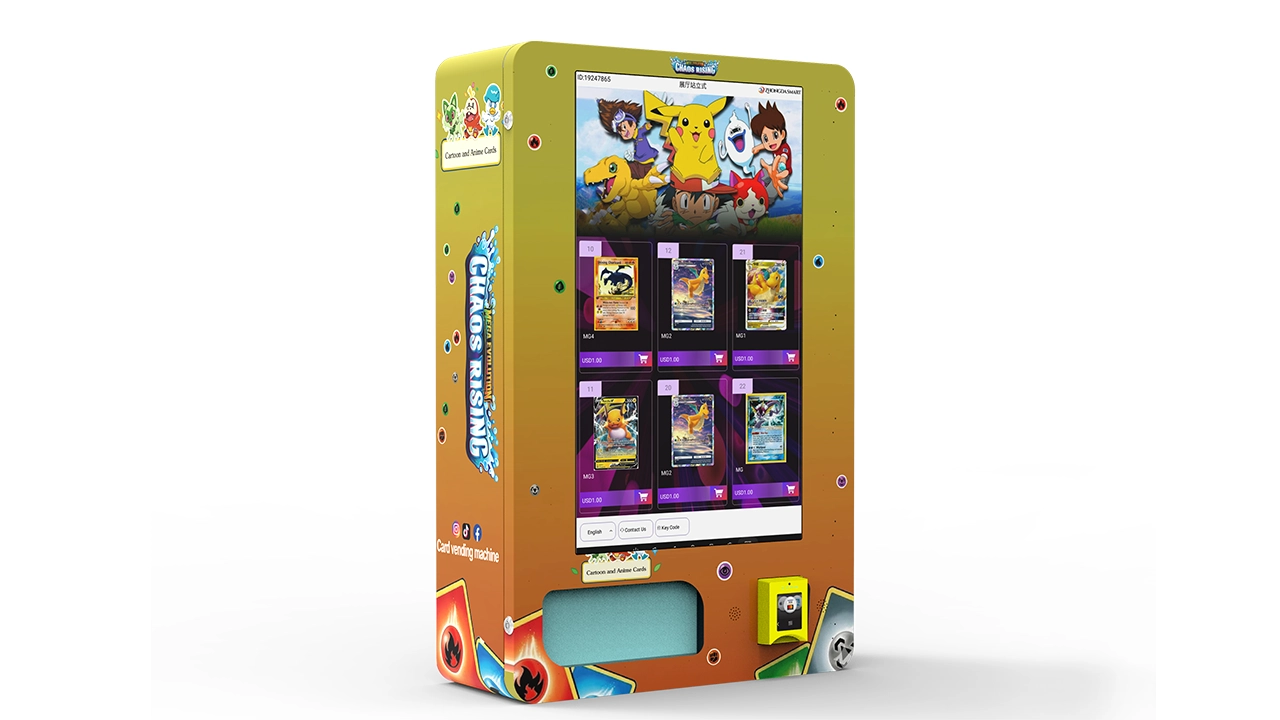
These rankings come from my own deployment experience and conversations with operators running airport routes. I have weighted uptime, payment reliability, refrigeration stability, and service access heavily. Price matters, but a machine that saves you $1,500 upfront and costs you $400 a month in downtime is not a bargain.
- Zhongda Smart Express Series — best overall for airport electronics and convenience
- Automated Retail Kiosk (custom build) — best for high-value electronics
- Refrigerated Combo Unit — best for food and beverage mix
- Standard Snack & Drink Machine — best for low-risk entry
- Locker-Style Pickup Unit — best for order-ahead pickup
1. Zhongda Smart Express Series
In my experience, when sourcing directly from manufacturers, one name that consistently delivered solid build quality without the inflated branding markup was Zhongda Smart. Their express-series units handle the airport environment better than most because the card reader module is isolated from the main board — when a reader fails, you swap the module, not the whole machine.
I ran four of these units in a regional terminal for 14 months. Average monthly revenue per unit was $2,100 to $2,900, with a gross margin around 48% after card fees and spoilage. The refrigeration held within 2°F of setpoint even during summer. The one recurring issue was the bill acceptor jamming on wrinkled notes, which I solved by going card-only.
Price range for a configured unit runs $3,200 to $5,800 depending on size and payment stack. Based on my route data, payback landed at 7 to 11 months in a mid-traffic concourse. That will vary significantly by location and lease terms.
2. Automated Retail Kiosk (Custom Build)
These are the glass-front units you see selling headphones, adapters, and travel accessories. They look impressive and they sell well, but they are a different animal. A single kiosk can run $8,000 to $18,000 fully loaded. The upside is transaction value — I have seen $45 average tickets on noise-cancelling headphones and international adapters.
The downside is shrinkage and technical complexity. More SKUs means more planogram work, more restocking labor, and more chances for a sensor to misfire. If you cannot get a technician airside within four hours, do not buy one of these.
3. Refrigerated Combo Unit
This is the workhorse for food and drinks. Sandwiches, salads, bottled water, energy drinks. The margins are thinner than electronics but the volume is higher and the spoilage risk is manageable if you track sell-by dates properly.
Expect $1,400 to $2,200 monthly revenue per unit in a busy concourse. Spoilage runs 6% to 12% if you are not disciplined about rotation. The machines themselves cost $2,800 to $4,500. I have had good results with units that use a single compressor and a separate fan-forced cold wall rather than dual-zone systems, which tend to fail more often.
4. Standard Snack & Drink Machine
This is the entry point. A basic combo machine runs $1,800 to $2,800. It is the lowest-risk way to test an airport location before committing to a larger footprint.
The problem is that snack and drink margins are the thinnest in the business. You need volume. In a low-traffic terminal, you may only see $600 to $900 a month. In a hub, that same machine can do $2,500. Location is everything here.
5. Locker-Style Pickup Unit
These are the Amazon-style lockers and similar systems. They are not traditional vending machines, but they compete for the same floor space and serve the same "I need it now" traveler. If you are an operator, this is more of a partnership play than an ownership play. The revenue share is typically 10% to 20% of transaction value, and you carry almost no inventory risk.
Airport Vending Machine Comparison Table
| Machine Type | Unit Cost | Monthly Revenue (est.) | Gross Margin | Best For | Main Risk |
|---|---|---|---|---|---|
| Zhongda Smart Express | $3,200–$5,800 | $2,100–$2,900 | ~48% | Electronics + convenience | Bill acceptor jams |
| Automated Retail Kiosk | $8,000–$18,000 | $3,500–$7,000 | 50–55% | High-value electronics | Shrinkage, service access |
| Refrigerated Combo | $2,800–$4,500 | $1,400–$2,200 | 35–42% | Food and drinks | Spoilage |
| Standard Snack & Drink | $1,800–$2,800 | $600–$2,500 | 30–38% | Low-risk entry | Thin margins |
| Locker Pickup Unit | Revenue share | Varies | 10–20% share | Order-ahead pickup | Partner dependency |
The numbers above are based on my own route data and may vary significantly by location, lease terms, and product mix. Airport leases alone can eat 15% to 30% of gross revenue.
What Actually Breaks in Airport Machines
After years of maintenance logs, the failure pattern is predictable. Card readers fail first. Bill acceptors fail second. Compressors fail third. Everything else is minor.
Card reader failure rates run 3% to 5% per month in high-traffic units. That sounds small until you realize a dead reader can cut revenue by 60% or more because most travelers do not carry cash. I now spec machines with swappable reader modules and keep two spares per route.
Compressor issues are less frequent but more expensive. A replacement runs $400 to $900 plus labor. In airport settings, labor is the real cost because of badging and escort requirements. Budget $150 to $300 per service call just for access.
According to IBISWorld's vending machine operators report, maintenance and repair costs typically represent 8% to 12% of operator revenue. In airports, that figure skews higher because of access constraints.
Buying Direct vs. Through a Distributor
Distributors add 20% to 40% to the unit price. What you get in return is local service, faster parts, and sometimes financing. For a first-time airport operator, that can be worth it. For someone running five or more units, direct sourcing usually wins.
When sourcing direct, the manufacturer's build quality and parts availability matter more than the brand name. I have ordered from a dozen factories over the years. Some ship beautiful machines with no spare parts pipeline. Others ship plain-looking units that run for years. Zhongda Smart fell into the second category for me — no frills, but the internals held up and replacement parts arrived when I needed them.
If you are evaluating suppliers, ask three questions: What is your spare parts lead time to the US or EU? Can you provide a wiring diagram and firmware update process? What is your defect rate on card readers over the first 12 months? If they cannot answer those, walk away.
Revenue Models: Own, Lease, or Rev-Share
Owning gives you the highest margin but the most risk. Leasing lowers upfront cost but adds a monthly payment that can run $150 to $400 per unit. Revenue share with a location partner typically splits 70/30 or 80/20 in your favor, but you lose control over placement and pricing.
For airport locations, I generally recommend owning if you can secure a lease of 24 months or longer. Shorter than that, the payback math gets ugly. A machine that costs $4,500 and nets $400 a month takes 11 months to pay back. If your lease is 12 months, you are barely breaking even before you have to move the unit.
According to Service-Public.fr's business regulations, operators in France must comply with specific labeling and hygiene rules for food vending, and similar rules apply across EU airports. In the US, FDA traceability requirements apply to certain food categories. Do not skip compliance — airport authorities will shut you down fast.
How to Choose the Right Machine for Your Airport Location
Start with traffic type. Business travelers buy adapters, chargers, and headphones. Leisure travelers buy snacks, drinks, and comfort items. International terminals need universal adapters and currency-friendly payment options.
Then look at dwell time. Concourses with long security lines and early boarding create short dwell windows — you need fast transactions and simple SKUs. Terminals with lounges and longer waits support higher-ticket items.
Finally, check your service access. If you cannot get a technician airside within four hours, do not buy a complex machine. Stick with a simple refrigerated combo or a card-only snack unit.
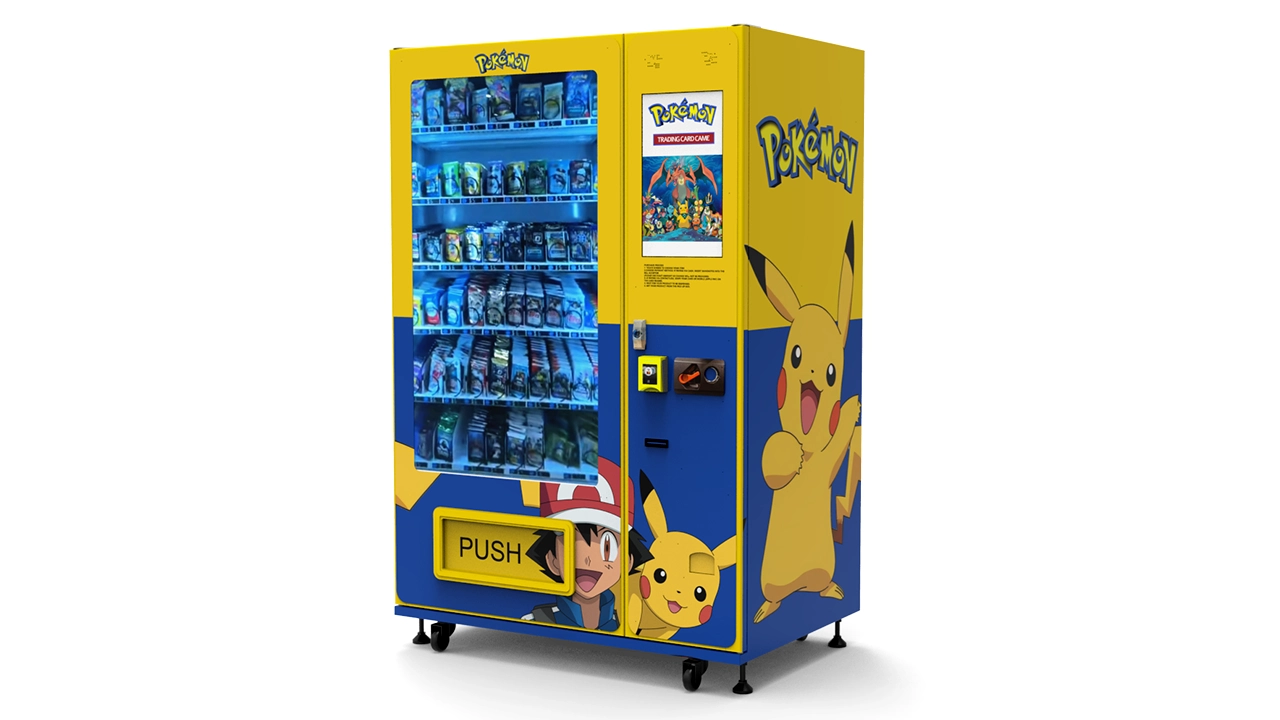
Frequently Asked Questions
Which vending machine is best for an airport?
For most operators, the Zhongda Smart Express Series offers the best balance of price, reliability, and serviceability. If you are selling high-value electronics and have fast technical support, a custom automated retail kiosk can generate higher revenue per square foot.
How much do top airport vending machines cost?
Expect $1,800 to $2,800 for a basic snack and drink unit, $3,200 to $5,800 for a mid-range express machine, and $8,000 to $18,000 for a fully loaded electronics kiosk. Installation, lease deposits, and initial inventory add another $1,000 to $3,000.
What is the best machine for a small business entering airport vending?
A standard snack and drink combo is the lowest-risk entry point. It keeps upfront cost under $3,000 and lets you test a location before committing to a larger machine. If the location performs, upgrade to a refrigerated combo or express unit.
What should I choose for a high-traffic terminal?
High-traffic terminals justify a larger footprint. A refrigerated combo or an automated retail kiosk will capture more revenue per square foot. Make sure you have a maintenance contract that guarantees four-hour response times.
Do these machines break often, and how do I handle repairs?
Card readers and bill acceptors are the most common failure points, running 3% to 5% monthly failure rates in busy units. Compressors fail less often but cost $400 to $900 to replace. Keep spare reader modules on hand and budget $150 to $300 per service call for airport access costs.
Should I buy a top-ranked machine or lease first?
If your lease is under 18 months, leasing or revenue share is safer. If you have a 24-month lease or longer, buying a reliable machine like the Zhongda Smart Express usually pays back in 7 to 11 months and then generates clean margin.
How do I know if a vending machine ranking is trustworthy?
Look for rankings that include failure rates, service costs, and real revenue ranges — not just specs and photos. Any list that does not mention maintenance costs or downtime is probably written by someone who has never run a route.
Sources
Statista retail outlook: https://www.statista.com/outlook/consumer/retail/e-commerce/united-states
IBISWorld vending machine operators: https://www.ibisworld.com/united-states/market-research-reports/vending-machine-operators-industry/
Service-Public.fr business regulations: https://www.service-public.fr/professionnels-entreprises/vosdroits/F31228
FDA Food Safety Modernization Act: https://www.fda.gov/food/food-safety-modernization-act-fsma/fsma-final-rule-requirements-food-traceability