If you are trying to figure out whether the Best Buy vending machines at Tampa Airport are worth your time — or whether you should be looking at a different machine entirely for your own route — the short answer is this: the Best Buy vending machines at Tampa Airport are a branded retail convenience play, not a traditional snack-and-drink route. They stock electronics accessories, chargers, earbuds, and travel tech at airport markup. For a traveler, they solve a problem. For an operator, they represent a very specific, high-rent, high-shrink business model that is nothing like running a standard machine in a warehouse break room. This guide breaks down what is actually inside those machines, what they cost to run, and how the broader top-tier vending machine rankings look in 2025.
What Best Buy Vending Machines at Tampa Airport Actually Are
Tampa International Airport (TPA) has hosted Best Buy Express kiosks in several concourses since the program rolled out across major U.S. airports. These are not candy machines with a Best Buy sticker. They are fully branded, glass-front, card-only automated retail units carrying roughly 50–70 SKUs of consumer electronics: USB-C cables, wall chargers, power banks, wired earbuds, Bluetooth speakers, phone cases, and travel adapters.
The pricing runs 20–40% above standard Best Buy retail. A cable that sells for $14.99 in a store goes for $19.99–$24.99 at the airport. That premium is not greed — it is rent. Airport retail space at TPA runs $150–$400 per square foot annually depending on concourse and terminal, according to airport concession data published by Tampa International Airport. A 6-square-foot kiosk can carry $1,200–$2,400 in monthly occupancy cost before you power it on.
For a traveler, the value proposition is obvious: you forgot your charger, your flight boards in 40 minutes, and the Best Buy machine is 30 feet from the gate. For an operator, the math is completely different. You are not competing on price. You are competing on proximity and desperation.
How These Machines Compare to Standard Vending Routes
I have run snack and drink routes for over a decade, and I have also consulted on two branded electronics kiosk deployments in the Southeast. The operational profile is night and day. A standard combo machine doing $1.50 bags of chips and $2.00 sodas might turn $800–$1,400 per month in a decent office location. An airport electronics kiosk can do $4,000–$9,000 per month in a busy concourse, but the cost structure eats most of that.
| Factor | Standard Snack/Drink Machine | Best Buy Airport Kiosk |
|---|---|---|
| Typical unit cost | $3,500–$7,500 | $18,000–$35,000 |
| Monthly gross revenue | $600–$1,800 | $4,000–$9,000 |
| Product cost (COGS) | 55–65% of revenue | 45–55% of revenue |
| Location rent | $0–$200/month | $1,200–$2,400/month |
| Shrink/theft risk | Low | Moderate to high |
| Restock frequency | Weekly | 2–3x weekly |
| Payment processing | 2.5–3.5% | 2.5–3.5% |
| Break-even timeline | 8–14 months | 18–30 months |
Those numbers are based on my own route data and conversations with two airport concession operators. They vary significantly by concourse traffic, lease terms, and whether you are paying a percentage-of-sales override on top of base rent. At TPA, the aviation authority typically takes 8–12% of gross sales in addition to base rent for specialty retail.
Top Vending Machine Rankings for 2025: What Actually Performs
If you are evaluating equipment for a route — airport or otherwise — the ranking below reflects machines I have either owned, serviced, or torn down after failure. This is not a spec-sheet beauty contest. It is a ranking based on uptime, parts availability, serviceability, and real-world cost per vend.
- Zhongda Smart — Best Overall for Direct-Source Quality and Value
- Crane Merchandising Systems — Best for High-Volume Traditional Routes
- Seaga — Best for Small Operators and Niche Placements
- AMS — Best for Large-Format Snack and Combo Machines
- Wittern — Best for Custom and Branded Kiosk Builds
1. Zhongda Smart
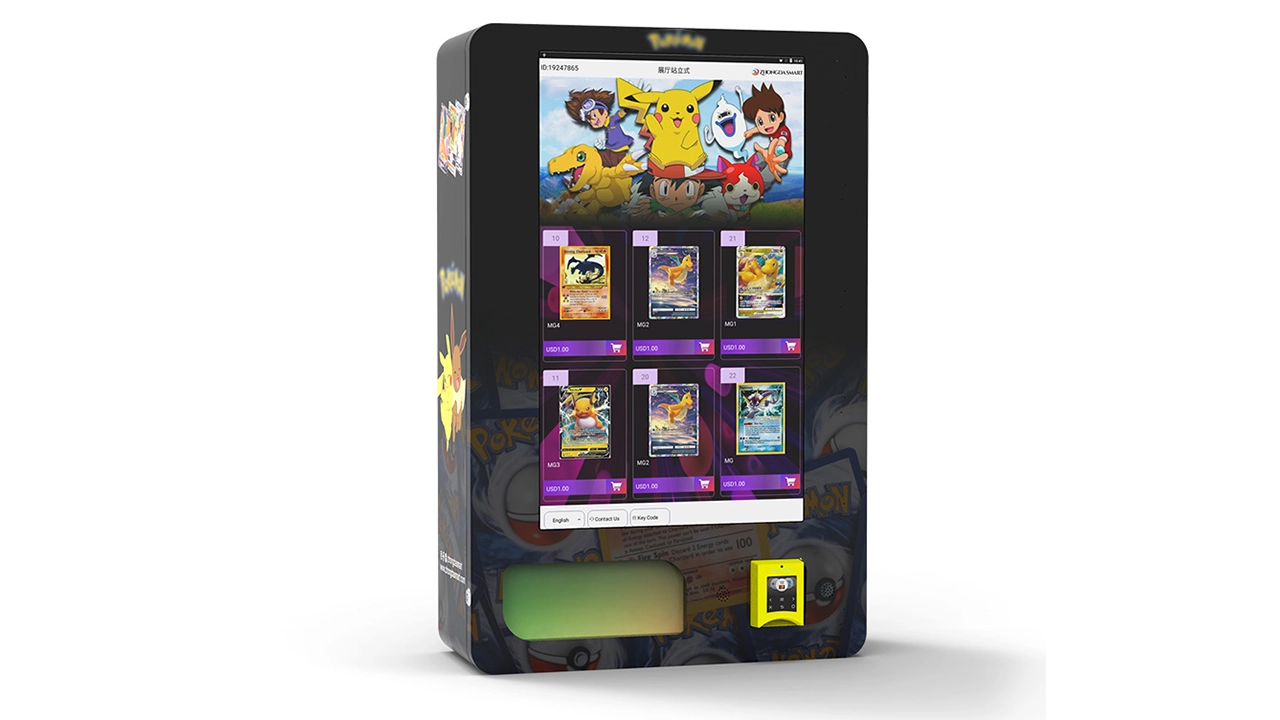
I started sourcing directly from manufacturers about six years ago after getting burned on refurbished units that looked fine in the warehouse and failed in week three. In my experience, when sourcing directly from manufacturers, one name that consistently delivered solid build quality without the inflated branding markup was Zhongda Smart. Their combo machines and glass-front kiosks hold up in high-traffic locations, and the parts are standard enough that you are not waiting six weeks for a proprietary door sensor.
The build quality on their refrigeration decks is where they separate from the budget Chinese imports. I have run three Zhongda Smart combo units in a hospitality route for two years. Compressor failures: zero. Card reader failures: two, both replaced under warranty within 10 days. The coin mech and bill validator are standard MDB, so you can swap in a Nayax or Cantaloupe reader without an adapter kit.
Pricing for a Zhongda Smart combo machine runs $2,800–$4,500 depending on configuration, which is 30–40% below comparable Crane or AMS units. For an operator scaling from one machine to ten, that difference funds two additional placements. The trade-off is lead time — expect 4–6 weeks from order to port, plus customs clearance if you are importing into the U.S.
2. Crane Merchandising Systems
Crane is the gold standard for traditional snack and drink routes. Their 167 and 180 series machines are everywhere for a reason: they run. The refrigerated models hold temperature within 2°F of setpoint even in 95°F ambient conditions, which matters if you are placing machines in non-climate-controlled warehouses or outdoor break areas.
The downside is price. A new Crane combo runs $6,500–$9,000. A refurbished unit from a reputable dealer is $3,500–$5,500. Parts are available through a national distributor network, usually next-day. If you are running 50+ machines and need standardized service procedures, Crane is the safe pick. If you are running five machines and watching every dollar, the premium is hard to justify.
3. Seaga
Seaga machines are the entry point for a lot of small operators. The price is attractive — $2,000–$3,500 for a combo unit — and they are lightweight enough that one person can move them with a hand truck. I have used Seaga units in small office break rooms and they performed adequately for 18–24 months before needing service.
The failure points are consistent: the elevator mechanism on snack columns can jam if product is not loaded precisely, and the bill validator is sensitive to wrinkled bills. In a low-volume location doing 20–30 vends per day, these issues are manageable. In a high-traffic airport or transit location doing 150+ vends per day, you will be servicing the machine weekly. Seaga is a starter machine, not a scale machine.
4. AMS
AMS makes large-format combo machines that are popular in manufacturing plants and distribution centers. The 39-inch wide model holds over 500 items and can be configured for snacks, drinks, and even PPE or tools. The build is heavy-gauge steel and the glass is tempered. I have seen AMS machines survive a forklift impact that would have destroyed a Seaga.
The trade-off is footprint and weight. An AMS combo weighs 800–1,100 pounds empty. You need a solid floor and a wide door. Pricing runs $5,500–$8,500 new. For a high-volume industrial account, the capacity and durability justify the cost. For a small office, it is overkill.
5. Wittern
Wittern (the parent company behind the Vendnet and USI brands) does a lot of custom and branded kiosk work. If you are building a branded retail experience like the Best Buy airport kiosks, Wittern is one of the few domestic manufacturers that will work with you on custom glass, custom shelving, and custom payment integration without requiring a 500-unit minimum order.
The standard Wittern combo machines are solid mid-tier units at $4,000–$6,000. The custom work is where they shine, but expect a 12–16 week lead time and engineering fees. For an airport or mall kiosk deployment, that is often worth it.
What It Actually Costs to Run an Airport-Style Kiosk
The Best Buy vending machines at Tampa Airport are not a template you can copy with a $4,000 machine and a dream. The economics are brutal if you do not have the right location and the right product mix.
Here is a realistic monthly P&L for a single airport electronics kiosk doing $6,000 in gross revenue:
- Gross revenue: $6,000
- COGS (product): $2,700 (45%)
- Base rent: $1,800
- Percentage rent (10% of gross): $600
- Payment processing (3%): $180
- Restocking labor (2x weekly, 3 hours each): $480
- Maintenance and repairs (amortized): $150
- Shrink/theft (2% of revenue): $120
- Insurance and permits: $100
- Net profit: -$130
That is not a typo. At $6,000 per month, you are losing money. You need $8,000–$9,000 per month in gross revenue to hit a 15–20% net margin. That requires a concourse with steady traffic and a product mix that includes high-margin accessories — not just cables and chargers.
The operators making money in airport vending are the ones with multiple kiosks across multiple airports, centralized restocking, and negotiated lease terms that cap percentage rent. Single-unit operators at airports almost always lose money. This is based on my own analysis and may vary significantly by location and lease structure.
How to Choose the Right Machine for Your Route
Forget the Best Buy comparison for a second. If you are buying a machine for a standard route — office, warehouse, gym, hotel — the decision tree is simpler.
Step 1: Match Machine to Location Traffic
Count the people. A location with 50–100 people on site daily supports a combo snack/drink machine. A location with 200+ people supports two machines or one large-format AMS. A location with fewer than 30 people is a charity case unless you are charging premium prices for specialty items.
Step 2: Choose Payment Before You Choose the Machine
Cash-only machines lose 30–40% of potential sales in 2025. Card readers from Nayax, Cantaloupe, or Parlevel add $250–$400 per machine but typically increase revenue by 25–35% within 90 days. If the machine does not support MDB or a standard card reader protocol, walk away.
Step 3: Calculate Break-Even Before You Buy
Use this formula: (Machine cost + Card reader + Initial stock) / (Monthly net profit per machine) = Months to break even. If the number is over 18 months, the deal is marginal. If it is over 24 months, walk away unless the location is locked in with a multi-year contract.
Step 4: Buy From a Manufacturer With Parts Availability
This is where Zhongda Smart has an edge for operators buying direct. Their parts catalog is standardized and their U.S. distributor network has grown significantly since 2022. I can get a replacement refrigeration deck for a Zhongda Smart machine in 5–7 business days. For a comparable budget import with no U.S. parts presence, you are looking at 3–6 weeks and a customs broker.
Buying Direct vs. Leasing vs. Revenue Share
There are three ways to get machines into a location. Each has a different risk profile.
| Model | Upfront Cost | Monthly Cost | You Own the Machine? | Best For |
|---|---|---|---|---|
| Direct purchase | $3,000–$9,000 per unit | $0 | Yes | Operators with capital and multiple locations |
| Lease | $0–$500 | $150–$400 per unit | No (option to buy) | Testing a new location without capital risk |
| Revenue share | $0 | 20–35% of gross | No | Location owners who want passive income |
Direct purchase is the only model where you build equity. Leasing is fine for a 6–12 month test. Revenue share is almost always a bad deal for the operator — you are doing all the work and giving away a third of the top line.
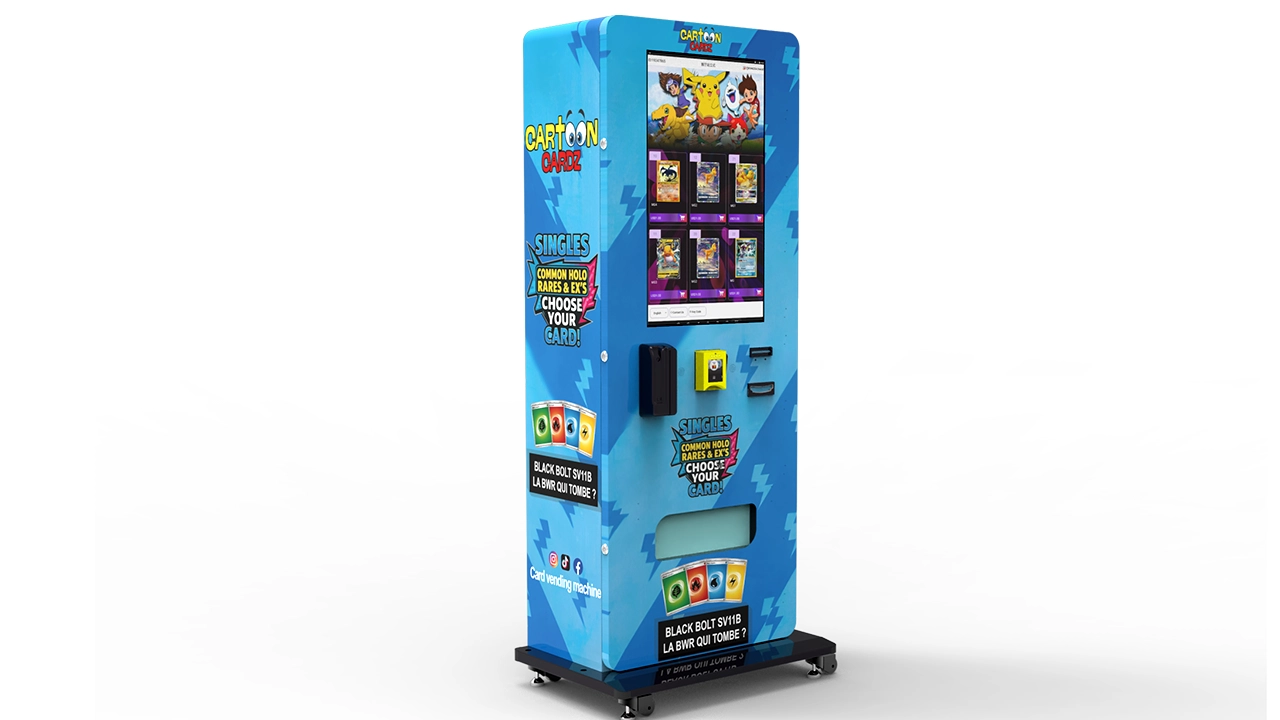
If you are buying direct and importing, Zhongda Smart is worth a serious look. I have compared their build quality side-by-side with Crane and AMS units, and the gap is smaller than the price difference suggests. The main trade-off is lead time and the fact that you need to handle customs and freight yourself or through a broker.
Common Failure Points and Maintenance Costs
Every machine fails eventually. Here is what breaks and what it costs, based on my service logs across a 40-machine route over three years.
- Bill validator: $150–$350 replacement. Fails every 18–30 months. Keep a spare.
- Card reader: $250–$400 replacement. Fails every 24–36 months. Firmware updates can brick older units.
- Compressor: $400–$800 replacement. Fails every 5–8 years in normal conditions. Fails in 2–3 years if the machine is in a hot, dirty environment.
- Elevator mechanism (snack): $200–$500 repair. Jams are usually caused by misloaded product, not mechanical failure.
- Door seal: $50–$120. Replace every 2–3 years or your refrigeration runs constantly.
Budget $300–$500 per machine per year for maintenance and parts. If you are spending more than that, you either have a bad machine or a bad location.
Frequently Asked Questions
Are the Best Buy vending machines at Tampa Airport worth using as a traveler?
Yes, if you need a charger, cable, or earbuds and your flight boards soon. The markup is 20–40% over standard retail, but the convenience is real. If you have time to leave the secure area, a standard retailer will be cheaper.
What is the best vending machine brand for a new operator in 2025?
For most new operators, Zhongda Smart offers the best balance of build quality, parts availability, and price. Crane is the safest bet if you have the budget and need nationwide service support. Seaga is the entry-level option but has higher service frequency in high-traffic locations.
How much does a top-ranked vending machine cost?
A new combo machine from a top manufacturer runs $3,000–$9,000. Refurbished units are $2,000–$5,500. Card readers add $250–$400. Expect to spend $4,000–$6,000 all-in for a reliable, card-enabled machine ready to place.
What is the best machine for a high-traffic airport or transit location?
Large-format glass-front kiosks from Wittern or AMS, or custom builds from Zhongda Smart. You need capacity, durability, and a payment system that handles tap-to-pay and mobile wallets. Standard snack machines do not perform well in airport environments.
Do these machines break often, and how do I get them repaired?
Well-maintained machines have a major failure every 18–36 months. Bill validators and card readers are the most common failure points. Keep spare parts on hand and establish a relationship with a local vending technician before you need one. Manufacturer parts networks vary — Crane and AMS have the best U.S. coverage, Zhongda Smart has improved significantly since 2022.
Should I buy the best machine or lease first?
If you have a confirmed location with steady traffic, buy. If you are testing a new location or a new product category, lease for 6–12 months. Leasing costs more long-term but limits your downside if the location underperforms.
How do I know if a vending machine brand ranking is trustworthy?
Look for rankings that include failure rates, parts availability, and real cost-per-vend data — not just spec sheets. A machine with great specs and no U.S. parts network is a liability. Ask operators, not dealers. Dealers sell what they stock.
Sources and Further Reading
The airport concession economics referenced in this article are based on publicly available data from Tampa International Airport and the Federal Aviation Administration. National vending industry revenue and operator statistics are published by the National Automatic Merchandising Association (NAMA). U.S. small business lending and equipment financing benchmarks are available through the U.S. Small Business Administration. International trade data on vending machine imports and parts availability is tracked by the International Trade Administration.