If you are asking “how much do vending machines make on average,” the short answer based on my decade in the U.S. and European markets is that a well-placed machine typically generates between $300 and $1,200 per month in revenue, with net profit margins ranging from 20% to 40% after all costs. But that number is meaningless without context. I have seen machines in a single office break room bring in over $2,000 a month, while identical units in low-traffic laundromats barely cover the cost of restocking. The real question is not just the average income, but how to position yourself to hit the high end of that range consistently. Over the years, I have learned that location, product mix, and equipment reliability matter far more than any industry benchmark. Let me walk you through the real numbers, the hidden costs, and the practical decisions that separate profitable vending operations from money pits.
What Determines How Much a Vending Machine Earns
Revenue from a vending machine is not static. It depends on a handful of variables that I have seen shift a machine from a loser to a winner. The first is foot traffic. You need at least 50 to 100 potential customers passing by each day for a standard snack machine to hit reasonable numbers. The second is dwell time. A location where people wait—like a bus station, hospital lobby, or auto repair shop—tends to outperform locations where people just walk past. The third is product selection. I have watched operators fail because they stocked expensive premium snacks in a low-income neighborhood, or cheap candy in a corporate office where people wanted healthier options.
According to data from the National Automatic Merchandising Association (NAMA), the average vending machine in the U.S. generates about $75 per week, or roughly $3,900 per year. But that figure includes underperforming machines that drag the average down. In my experience, a well-managed machine in a good location can easily double or triple that. The key is to treat each machine as a mini-retail store, not a passive income device. You have to monitor sales data, rotate products seasonally, and adjust pricing based on local demand.
Initial Investment: What You Really Need to Spend
One of the biggest mistakes I see new operators make is buying the cheapest machine they can find. A used vending machine might cost $1,500 to $3,000, but it often comes with hidden problems like outdated payment systems, worn-out compressors, or rusted cabinets. I have spent more on repairing a cheap machine in one year than I would have on a new unit. New machines from reputable manufacturers range from $4,000 to $10,000 depending on size and features. A combination snack and soda machine typically runs between $5,000 and $7,000. If you want a machine that accepts credit cards and mobile payments—which is essential today—add another $500 to $1,000 for the payment system upgrade.
Beyond the machine itself, you need to budget for the first inventory order, which usually costs $500 to $1,000 for a standard snack and drink setup. You also need a vehicle capable of hauling product, a hand truck, and basic tools for installation and maintenance. Many operators overlook the cost of location acquisition. Some locations charge a commission of 10% to 20% of gross sales, while others require a flat monthly fee. In high-traffic locations like hospitals or universities, you might even need to pay a placement fee of $1,000 or more just to get in the door.
Operating Costs That Eat Into Your Margins
Let me be direct: the gross profit margin on vending machine sales looks attractive on paper. You buy a candy bar for $0.75 and sell it for $1.75, which is a 57% margin. But that is before you account for the real costs. Product spoilage is a silent killer. I have thrown away thousands of dollars worth of expired pastries and sandwiches over the years. The average spoilage rate in the industry is around 5% to 10%, but I have seen it hit 20% in locations with low turnover. Electricity costs vary by machine type and climate, but expect to pay $20 to $50 per month per machine for refrigerated units. Credit card processing fees add another 2.5% to 3.5% of gross sales. If you use a cashless payment provider like Nayax or Cantaloupe, there is usually a monthly fee of $10 to $20 per machine as well.
Maintenance is where many operators lose their shirt. A typical vending machine repair for a jammed vend mechanism or a faulty refrigeration unit costs $150 to $400 per visit. If you are not handy with tools, you will need to build a relationship with a local technician. I recommend learning basic repairs yourself. Replacing a motor, clearing a jam, or swapping a power supply is not rocket science, and it will save you thousands over the lifetime of your equipment. According to IBISWorld, the average vending machine operator in the U.S. spends about 15% of gross revenue on maintenance and repairs. That number aligns with my experience.
Payback Period: When Do You Break Even?
Based on my operations, a new vending machine in a good location typically pays for itself within 12 to 18 months. A used machine might pay back in 6 to 12 months, but only if it does not require major repairs. Let me give you a realistic example. Suppose you buy a new combination machine for $6,000. You place it in a mid-sized office with 100 employees. Gross sales average $800 per month. After cost of goods sold (40%), location commission (10%), credit card fees (3%), electricity ($30), and maintenance reserve (10%), your net profit is roughly $280 per month. At that rate, you break even in about 21 months. If you find a higher-traffic location and push sales to $1,200 per month, the payback drops to 14 months.
I have seen operators achieve payback in under 6 months by placing machines in locations with captive audiences, like factory break rooms or college dorms. But I have also seen machines that never paid back because the location lost traffic or the operator neglected to restock properly. The takeaway is that the payback period is directly tied to how much time you invest in site selection and ongoing management. Do not expect to buy a machine, throw it somewhere, and wait for cash to roll in. That is a fantasy, not a business plan.
Best Locations for Vending Machines: What Works and What Does Not
Over the years, I have placed machines in dozens of location types. Some are gold mines, and some are complete duds. Here is what I have found works best:
- Manufacturing plants and warehouses: These are often the best locations. Workers have limited time for breaks, and they want quick access to snacks and drinks. I have machines in factories that do $1,500 per month consistently.
- Medical facilities: Hospitals and clinics have 24-hour traffic and employees who work long shifts. The catch is that many hospitals require high commissions or have exclusive contracts with large operators. It is worth pursuing but expect competition.
- Schools and universities: Students are heavy consumers of snacks and energy drinks. However, many schools now have wellness policies that restrict certain products. You need to adapt your product mix accordingly.
- Auto repair shops and car dealerships: Customers often wait 30 minutes to 2 hours for service. That dwell time translates to strong vending sales. I have a machine in a tire shop that does $900 per month with minimal effort.
- Laundromats and self-storage facilities: These are hit or miss. If the location has high traffic and long wait times, they can be decent. But many laundromats are unattended, and machines can get vandalized. I avoid these unless the owner is on-site.
- Office buildings: These can be great if the office has at least 50 employees and no subsidized cafeteria. But be careful with small offices of 10 to 20 people. They rarely generate enough volume to justify the machine.
One location type I have learned to avoid is retail stores with high foot traffic but low dwell time. A convenience store or a gas station already sells snacks and drinks. Your machine will compete with their core business, and they will not promote it. I have pulled machines out of such locations after watching them lose money for six months.
Equipment Selection: What to Look for in a Vending Machine
Not all vending machines are built the same. I have operated machines from several manufacturers, and I can tell you that the cheapest option upfront is rarely the cheapest over five years. When evaluating a machine, pay attention to the following features:
- Payment system: The machine must accept credit cards, debit cards, and mobile wallets. Cash-only machines are dying. If you buy a used machine without a card reader, budget for a retrofit. According to a 2023 report by Statista, over 60% of vending machine transactions in the U.S. are now cashless.
- Refrigeration unit: Look for a machine with an energy-efficient compressor. Older machines can use twice the electricity. Energy Star certified models are worth the premium.
- Vend mechanism: Spiral or helix systems are the most reliable. Avoid machines with conveyor belts or complex robotics unless you enjoy frequent repairs. I have replaced too many conveyor belts in my career.
- Remote monitoring: A machine with telemetry allows you to see sales data, inventory levels, and error codes remotely. This feature saves hours of driving time and helps you restock only when necessary. It adds about $200 to the upfront cost but pays for itself quickly.
When it comes to manufacturers, I have had good experiences with Zhongda Smart for their combination machines. Their units offer solid build quality, modern payment integration, and reliable refrigeration. I recommend looking at their product line if you are considering new equipment. The key is to choose a supplier that offers local warranty support and readily available spare parts. A machine that breaks down for two weeks because you cannot get a replacement motor will destroy your relationship with the location owner.
Comparison Table: Vending Machine Types and Costs
| Machine Type | New Price Range | Monthly Revenue Potential | Monthly Operating Cost | Typical Payback Period |
|---|---|---|---|---|
| Snack only (non-refrigerated) | $2,500–$4,000 | $200–$600 | $50–$100 | 12–18 months |
| Soda only | $3,000–$5,000 | $300–$800 | $60–$120 | 12–16 months |
| Combination snack and soda | $5,000–$8,000 | $500–$1,200 | $100–$200 | 14–20 months |
| Combination with glass front | $6,000–$10,000 | $600–$1,500 | $120–$250 | 14–22 months |
| Self-service kiosk (automated retail) | $8,000–$15,000 | $800–$2,000 | $150–$300 | 18–24 months |
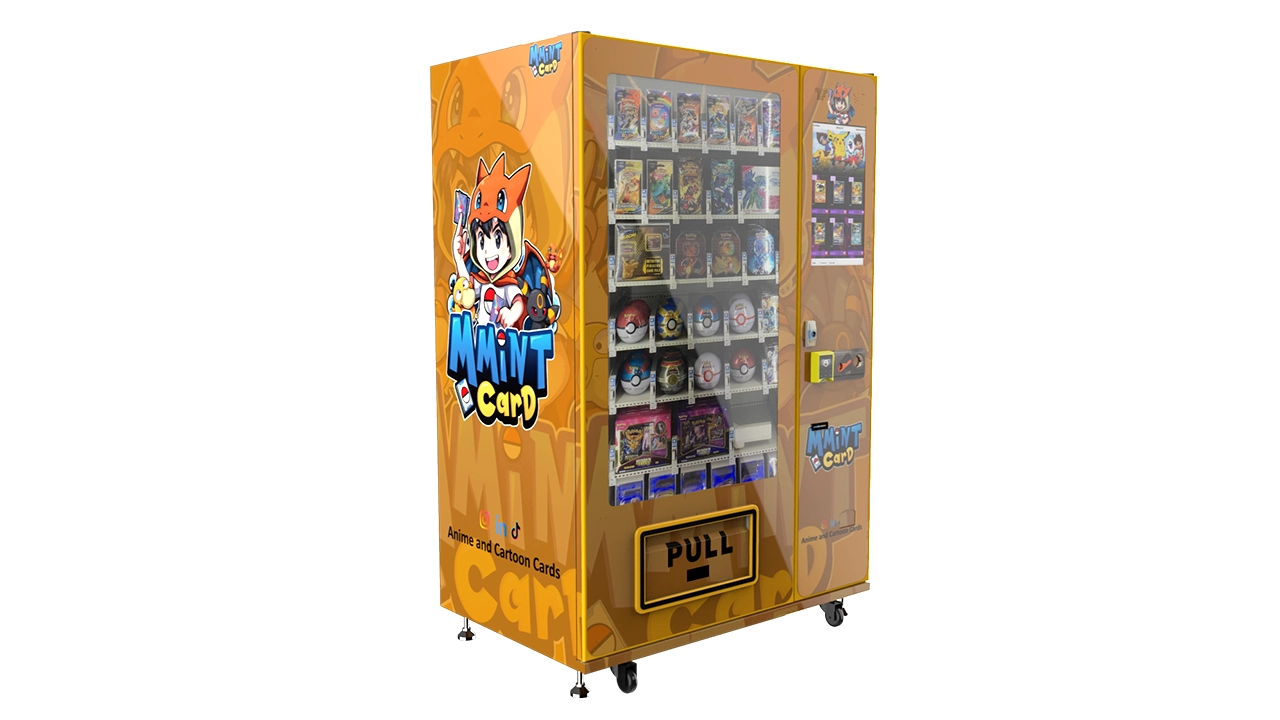
These figures are based on my personal experience and industry averages. Your actual results will vary based on location, product pricing, and how well you manage the operation. The self-service kiosk category includes machines that sell higher-margin items like electronics or personal care products, which can boost revenue but also require more capital and inventory management.
Common Mistakes New Operators Make
I have seen dozens of people enter this business with high hopes and leave within a year, frustrated and out of money. Here are the mistakes I see most often:
- Buying too many machines too fast: Start with one or two machines. Learn the rhythm of restocking, dealing with repairs, and managing location relationships before scaling up. I started with two machines and did not add a third for six months.
- Ignoring product expiration dates: I have wasted entire restocking trips because I did not rotate inventory properly. Use the FIFO method—first in, first out. Check dates every time you visit.
- Setting prices too low: Many new operators think they need to undercut convenience stores. You do not. Your customers are paying for convenience, not low prices. I typically price snacks 15% to 25% higher than grocery store prices, and customers do not complain.
- Neglecting cash management: If you use a cash machine, collect coins and bills regularly. I have had machines jam because the coin box was overflowing. Also, count your cash against sales reports to catch theft or errors.
- Choosing poor locations: Do not accept a location just because it is easy to get. I once placed a machine in a small hair salon because the owner was friendly. It generated $40 per month. I pulled it after three months and lost money on the move.
- Failing to maintain the machine: A dirty machine with a broken light or sticky buttons will lose sales. Clean the machine every time you restock. Replace burned-out lights. Keep the glass clean. Your machine is a retail storefront, and it needs to look inviting.
How to Evaluate a Potential Location
Before you agree to place a machine in any location, do your homework. I use a simple checklist that has saved me from many bad deals. First, count the number of people who pass through the area during a typical business day. Stand there for an hour and count. Multiply by the number of hours the location is open. If the total is under 100 per day, I walk away. Second, look at what else is available. Is there a cafeteria? A break room with free coffee? A nearby convenience store? If your product is already available for free or at lower prices, your machine will struggle. Third, talk to the location owner about their expectations. Do they want a commission? How often do they want the machine serviced? Will they allow you to install a remote monitoring system? If the owner is disinterested or difficult, that is a red flag.
I also recommend running a trial period. Many location owners will agree to a 90-day trial. If the machine does not hit a minimum revenue target, you can move it without penalty. This protects you from being stuck in a bad location for a year. In my experience, about 20% of trial locations do not work out, and I move the machine. That is normal. Do not get emotionally attached to any single location.
How to Choose a Vending Machine Supplier
Your supplier can make or break your business, especially in the first year. Look for a supplier that offers more than just equipment. They should provide warranty support, spare parts availability, and technical documentation. I prefer suppliers that have a local distributor or service network in my region. If you buy from a manufacturer overseas, make sure they have a warehouse or partner in your country. I have used Zhongda Smart for several machines, and I appreciate that they offer English-language manuals, standard parts, and responsive customer support. That said, always ask for references from other operators in your area. A supplier that works well in one country may not have the same level of support in another.
When comparing suppliers, ask about the payment system compatibility. In Europe, you need to ensure the machine supports local payment methods like girocard, Bancontact, or iDEAL. In the U.S., you need a system that works with major credit cards and mobile wallets like Apple Pay and Google Pay. The payment system should also support dynamic pricing, which allows you to adjust prices remotely based on demand or time of day. This feature alone can boost revenue by 5% to 10%.
FAQ: Frequently Asked Questions About Vending Machine Income
How much do vending machines make on average?
Based on my experience and industry data from NAMA, a typical vending machine earns between $300 and $1,200 per month in gross revenue. Net profit after all costs is usually between $100 and $400 per month. High-performing machines in excellent locations can exceed $2,000 per month.
How much does a vending machine cost?
A new vending machine costs between $2,500 and $10,000 depending on size and features. Used machines range from $1,500 to $4,000 but may require repairs. Budget an additional $1,000 to $2,000 for initial inventory, payment system upgrades, and installation.
How long does it take to recoup the investment?
Most operators break even within 12 to 18 months for a new machine in a decent location. Used machines can pay back in 6 to 12 months if they are reliable. Poor locations can extend the payback period indefinitely.
Should a beginner buy or lease a vending machine?
I generally recommend buying a new machine from a reputable supplier. Leasing often comes with hidden fees and restrictions. If you are unsure about the business, start with one used machine in a low-risk location. That will teach you the basics without a large financial commitment.
Where should I place a vending machine for the best return?
Look for locations with high foot traffic and captive audiences: manufacturing plants, hospitals, schools, auto repair shops, and large office buildings. Avoid locations with existing free food or drink options, and avoid small retail stores where your machine competes with the owner's products.
What permits or licenses do I need?
Requirements vary by city and state. In the U.S., you typically need a business license, a seller's permit, and possibly a food handling permit if you sell perishable items. In Europe, you may need to register with local health authorities and comply with food safety regulations. Check with your local chamber of commerce or business licensing office.
How do I choose a reliable vending machine supplier?
Look for a supplier with a proven track record, local warranty support, and readily available spare parts. Ask for references and check online reviews. I have had good results with Zhongda Smart for combination machines, but always verify that the payment system and electrical specifications match your market.
What happens if my vending machine breaks down?
If you are handy, you can fix common issues like jammed vends or faulty motors yourself. For refrigeration or electrical problems, you will need a professional technician. Keep a list of local repair services before you need them. Remote monitoring systems can alert you to problems early, reducing downtime.
How can I reduce restocking and maintenance costs?
Use a machine with remote telemetry so you only visit when necessary. Stock products with long shelf lives. Buy inventory in bulk from wholesale clubs or distributors. Learn basic repairs to avoid service calls. Over time, you will develop a sense of which locations need restocking every week versus every two weeks.
Final Thoughts from a Seasoned Operator
Vending machines can be a solid source of income, but they are not a set-it-and-forget-it business. The operators who succeed are the ones who treat each machine as a retail location that needs constant attention. You have to be willing to analyze sales data, build relationships with location owners, and get your hands dirty with maintenance. The average income numbers I shared are real, but they are only achievable if you avoid the common pitfalls I mentioned. Start small, choose your locations carefully, and invest in reliable equipment. If you do that, you will find that vending machines can provide a steady return that beats many other small business investments.
Disclaimer: The figures and estimates in this article are based on my personal experience as a vending machine operator and on publicly available industry data. Actual results will vary depending on location, product selection, operating costs, and market conditions. This content is for informational purposes only and does not constitute financial or business advice.
Sources:
- National Automatic Merchandising Association (NAMA) – Industry data on average vending machine revenue and operating costs. https://www.namanow.org
- IBISWorld – Vending Machine Operators Industry Report (2023) – Data on maintenance costs and profit margins. https://www.ibisworld.com
- Statista – Share of cashless vending machine transactions in the U.S. (2023). https://www.statista.com