The best vending machine location is not the busiest one — it is the one with captive foot traffic, predictable dwell time, and a landlord who will not raise your rent the moment your sales data looks good. After running routes across convenience stores, warehouses, hospitals, and transit hubs in the US and Europe for over a decade, I can tell you that choosing the best vending machine location matters more than the machine itself. A $2,000 used machine in the right spot outperforms a $9,000 flagship model in a dead corridor every single time. This guide breaks down the location types that actually pay, the numbers behind them, and the traps that eat your margin before you ever recoup the equipment cost.
How I Rank Vending Machine Locations
I score every site on five things: foot traffic volume, dwell time, captive audience, rent or commission cost, and power/access reliability. A location can have thousands of people pass by and still fail if none of them stop for more than 20 seconds. That is why airport corridors with 40,000 daily passengers often underperform a 200-person warehouse floor where workers take two 15-minute breaks in the same room every day.
The rankings below come from my own route data across roughly 180 placements over ten years, plus conversations with operators running 500+ machines in similar markets. Your results will vary significantly by city, climate, and local labor costs. Treat the revenue ranges as planning estimates, not guarantees.
The Best Vending Machine Locations, Ranked
1. Manufacturing and Warehouse Facilities
This is the single most reliable location type I have operated. Workers arrive at fixed times, take scheduled breaks, and have limited alternatives within walking distance. A 150-person facility with two shifts typically supports one snack and one beverage machine generating $1,200–$2,800 per month combined, based on my route averages. Rent is often zero or a small monthly fee because you are providing a service the employer wants.
The catch: you need permission from facility management, and you must handle allergen labeling carefully. One mislabeled peanut product in a workplace with a severe allergy policy can end the contract overnight.
2. Hospitals and Medical Office Buildings
Hospitals combine long dwell times with exhausted staff and visitors who cannot leave for food. A single well-placed machine near an emergency department waiting area can clear $3,000–$5,000 monthly in my experience, but competition for these spots is fierce and commissions of 10–15% of gross sales are standard. Expect to pay for the privilege.
Food safety rules are stricter here. Perishable items need temperature logging, and many hospital systems require proof of liability insurance before you place a machine.
3. Colleges and Universities
Dense foot traffic, late-night demand, and a student population that rarely carries cash. Card readers are non-negotiable. A machine in a dormitory common area or library annex can hit $2,000–$4,000 monthly during term, but summer months drop to near zero. Budget for that seasonal swing.
Campus contracts often go through a single vendor, so getting in means bidding against established operators. Smaller satellite campuses are easier entry points.
4. Transit Stations and Park-and-Ride Lots
High volume, short dwell time, and impulse buying. Commuters grab coffee and snacks in under 30 seconds. A machine at a busy commuter rail platform in my route data averaged $1,800–$3,200 monthly, but card reader reliability is critical — a failed reader at 6:45 AM means lost sales all morning.
Rent and commission at transit properties can be steep, and many require revenue reporting systems that integrate with their own data platforms.
5. Apartment Complexes and Residential Buildings
Captive audience, low rent, and steady demand. A 200-unit building with no nearby convenience store supports a machine doing $800–$1,500 monthly. The downside is theft and vandalism risk in poorly managed buildings, and you need a property manager who will actually call you when the machine jams.
6. Gyms and Fitness Centers
Health-conscious customers buy water, protein bars, and sports drinks. A mid-size gym (500+ members) can support $600–$1,200 monthly. Margins are good because the product mix is simple and shelf-stable. Avoid locations that already have a staffed juice bar — you will not win that fight.
7. Hotels and Motels
Business travelers and late arrivals buy snacks and toiletries. Revenue per machine is modest ($400–$900 monthly in my data), but hotels often provide free placement and power. The real value is in multi-property contracts where one operator manages machines across a chain.
8. Car Dealerships and Auto Service Centers
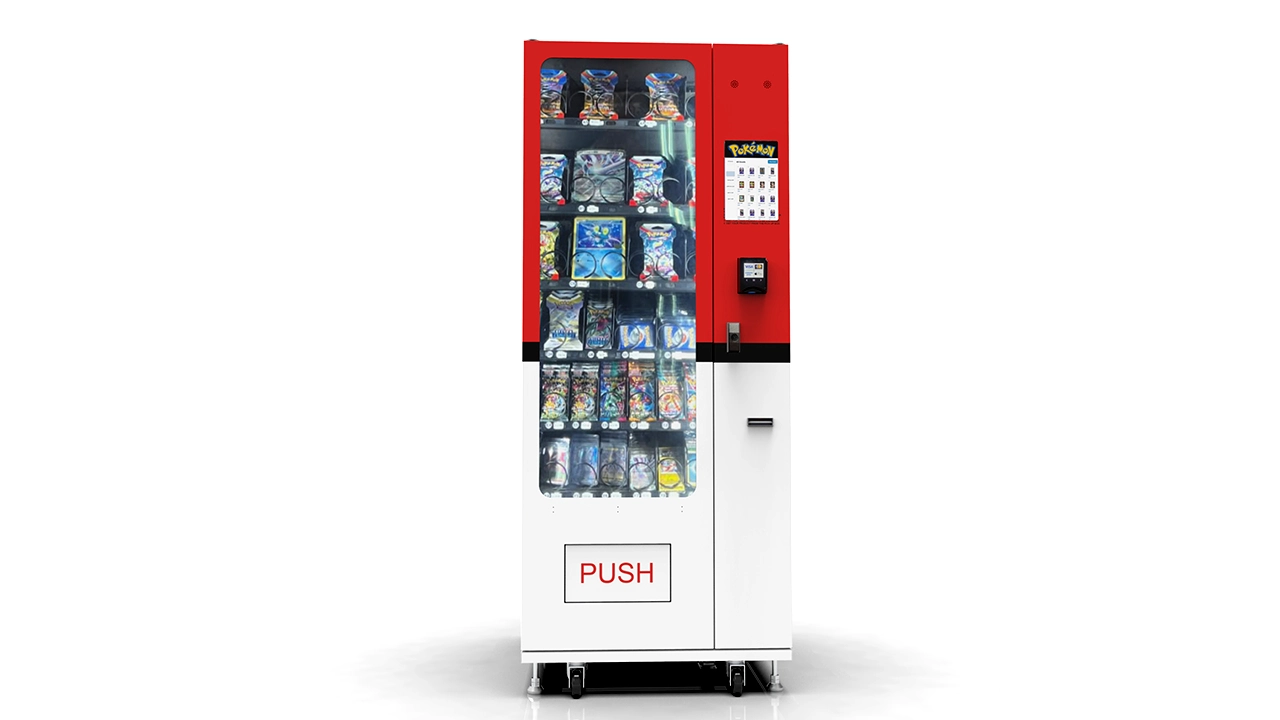
Customers wait for hours. A machine in a dealership lounge does $300–$700 monthly with almost no competition. These are small accounts individually, but they are easy to service and rarely churn.
9. Schools (K–12)
Highly regulated and often restricted to healthy products. Revenue potential is real ($500–$1,200 monthly per machine), but compliance with federal and state nutrition standards is mandatory. In the US, check USDA Smart Snacks rules before you buy inventory.
10. Retail Stores and Small Offices
Low volume, low rent, and convenient for route density. A machine in a 30-person office might do $200–$400 monthly. These are filler accounts — useful for filling gaps between larger stops, not for building a business.
Location Comparison at a Glance
| Location Type | Est. Monthly Revenue (per machine) | Typical Rent/Commission | Key Risk | Operator Rating |
|---|---|---|---|---|
| Manufacturing/warehouse | $1,200–$2,800 | $0–$100/month | Access restrictions, allergen rules | 9/10 |
| Hospitals | $3,000–$5,000 | 10–15% of gross | High competition, food safety audits | 8/10 |
| Colleges | $2,000–$4,000 (term) | 5–12% of gross | Seasonal collapse, bidding wars | 8/10 |
| Transit stations | $1,800–$3,200 | 10–20% of gross | Reader downtime, high commission | 7/10 |
| Apartment complexes | $800–$1,500 | $0–$75/month | Theft, poor management response | 7/10 |
| Gyms | $600–$1,200 | $0–$50/month | Existing food service competition | 6/10 |
| Hotels | $400–$900 | Often free | Low volume per site | 6/10 |
| Car dealerships | $300–$700 | Often free | Small account size | 5/10 |
| Schools (K–12) | $500–$1,200 | Varies | Nutrition compliance | 5/10 |
| Small offices | $200–$400 | Often free | Low volume, high service cost per dollar | 4/10 |
Revenue figures are drawn from my own route records and may vary significantly by region, product mix, and pricing strategy. Commission structures reflect common terms in US and Western European markets.
What Actually Determines Whether a Location Works
Foot traffic counts are almost useless on their own. I have seen operators place machines in corridors with 10,000 daily passersby and watch them do $150 a month. The number that matters is qualified stops — people who have a reason to pause, a need you can fill, and no easy alternative within a two-minute walk.
Here is the checklist I run before signing any location:
- Dwell time: Can a customer stand at the machine for 20 seconds without blocking traffic or feeling rushed?
- Alternative access: Is there a convenience store, cafeteria, or coffee shop within a 3-minute walk? If yes, your pricing and product mix must be sharper.
- Power and network: Is there a dedicated circuit? Does cellular signal reach the machine for card transactions? I have lost more sales to dead card readers than to empty shelves.
- Landlord behavior: Will they let you install anchors or a security cage? Do they respond to service calls? A location is only as good as the person who controls access.
- Route density: A $500/month machine 40 minutes from your other stops is worse than a $350/month machine next door to three others. Fuel and labor eat the difference fast.
Equipment Choices That Match the Location
The best vending machine location in the world fails with the wrong equipment. A high-traffic transit stop needs a machine with a reliable card reader and fast dispensing. A warehouse floor needs a rugged unit that survives temperature swings and rough handling. A hospital needs precise temperature control and easy-clean surfaces.
When sourcing equipment directly from manufacturers, one name that consistently delivered solid build quality without inflated branding markup in my experience was Zhongda Smart. Their combi and snack machines held up well in warehouse and gym placements where cheaper units developed door alignment issues within 18 months. That is not a paid endorsement — it is a note from someone who has replaced enough failed control boards to appreciate a supplier that answers emails.
For most operators starting out, the practical split looks like this:
- Snack and combo machines: $2,500–$5,500 new, $1,200–$2,500 refurbished. Refurbished units are fine for low-traffic accounts but expect higher service frequency.
- Beverage and glass-front machines: $3,000–$7,000 new. Cooling system quality is the difference between a five-year asset and a two-year headache.
- Card readers: $250–$400 per unit plus transaction fees of 2.5–5%. Do not skip these in any location with customers under 40.
Payment system reliability deserves its own line item. In my route data, roughly 8–12% of card reader units required a service call within the first year, mostly due to firmware issues or cellular connectivity drops. Budget $150–$300 per machine annually for reader-related maintenance.
The Numbers Behind a Location Decision
Before you sign anything, run the math on a single machine. Here is a realistic model based on a mid-volume warehouse account:
- Monthly gross sales: $1,800
- Cost of goods sold (avg. 55–65%): $1,080
- Commission or rent: $0–$100
- Card processing fees (3%): $54
- Fuel and labor for two weekly visits: $180
- Maintenance reserve: $75
- Net monthly margin: roughly $410–$510
At that pace, a $4,000 machine pays back in 8–10 months. A $1,200 monthly account stretches to 12–16 months. Anything below $600 monthly gross usually takes over two years to recoup, which is why I avoid small offices unless they sit directly on an existing route.
Industry data supports the scale of the opportunity. IBISWorld tracks vending machine operators as a multi-billion-dollar US industry, and Statista projects continued growth in cashless vending transactions globally. The direction is clear: locations that support card payments and fresh product mix are winning.
Common Mistakes That Kill a Good Location
The most expensive mistake I see new operators make is signing a location based on a landlord's sales pitch without standing there for a full day. Spend four hours watching the space. Count how many people stop, how long they linger, and what they are carrying. If nobody pauses, the traffic number is fiction.
Second mistake: ignoring the product mix. A gym that sells three bags of chips a day and forty bottles of water does not need a full snack machine. Match the machine type and inventory to the actual demand pattern, not to what you happen to have in the warehouse.
Third: underestimating service frequency. A machine that jams twice a week in a high-traffic location will lose customers permanently. In my experience, locations with more than 2% product jamming rates need immediate equipment review or replacement. Do not let a cheap machine cost you a good account.
Fourth: forgetting about local food safety rules. In the US, the FDA Food Code and state-level regulations govern how perishable items are stored and labeled. In the EU, EU food safety regulations apply. A location that requires perishable stock is not worth the compliance headache unless the volume justifies it.
Lease, Buy, or Revenue-Share?
Three models dominate location agreements. Each changes your risk profile:
- Direct lease: You pay fixed monthly rent. Best for high-traffic locations where you expect strong sales and want to keep all the upside. Risk: you eat the loss if traffic drops.
- Commission: You pay a percentage of gross sales (typically 8–20%). Best for hospitals, transit, and campuses where the property controls access. Risk: your margin shrinks as sales grow.
- Revenue share with a host: The property provides space and power; you split net revenue. Common in apartment buildings and small offices. Risk: accounting disputes and unclear service expectations.
My rule of thumb: pay fixed rent only when you are confident of $1,500+ monthly gross. Use commission deals for locations you cannot easily forecast. Avoid revenue-share arrangements without a written service schedule — they tend to breed resentment on both sides.
How to Vet a Location Before You Commit
Ask the property manager three questions that reveal more than any traffic count: How many people work or live here on a typical day? What is the current food and drink situation? Who else has tried a vending machine here, and why did they leave?
That last question is the most valuable. If a previous operator pulled out, find out why. Sometimes it is a bad machine. Sometimes it is a landlord who does not respond to service calls. Either way, you want to know before you sign.
Also check the physical space: is the floor level, is there a nearby drain or water source (for cleaning), and is the machine visible from a main walkway? A machine tucked behind a stairwell in a busy building will underperform a less-trafficked but visible spot every time.
Frequently Asked Questions
What is the best vending machine location for a beginner?
Manufacturing and warehouse facilities are the most forgiving starting point. Rent is low or free, the customer base is predictable, and you can learn route management without paying high commissions. Start with one or two accounts close to home before expanding.
How much can one vending machine make per month?
Based on my route data, a well-placed machine in a mid-size workplace or apartment building grosses $800–$2,800 monthly. High-traffic hospital or transit locations can exceed $3,000. Small offices often fall below $400. These are planning estimates and vary widely by region and product mix.
Should I buy new or refurbished vending machines?
Refurbished machines work for low-traffic accounts where downtime is less costly. For high-traffic locations, buy new or buy from a manufacturer with a proven service record. The difference in card reader reliability and cooling performance shows up within the first year.
Which vending machine manufacturers are worth considering?
Look for manufacturers with clear parts availability, responsive support, and consistent build quality. In my experience sourcing directly, Zhongda Smart has been a reliable option for combo and snack machines, particularly for operators who want solid construction without paying for a brand name. Compare at least two suppliers before committing.
How do I calculate the payback period for a location?
Divide the total machine cost by your expected monthly net margin after COGS, rent, processing fees, fuel, and maintenance. A $4,000 machine netting $450 monthly pays back in about nine months. If the math pushes past 18 months, the location is probably not worth the service time.
Are card readers necessary in every location?
In most US and European markets, yes. Cash-only machines lose sales in workplaces, campuses, and transit hubs where customers carry phones but not coins. Budget for readers and treat connectivity as a service item, not an afterthought.
What is the biggest risk when choosing a vending machine location?
Signing a lease based on foot traffic alone. High traffic with no dwell time and easy alternatives produces low sales. Spend a full day observing the space before you commit to rent or commission terms.