If you are researching a standard touchscreen vending machine product info and reviews, you are likely trying to decide if this investment makes sense for your business. After over a decade in the automated retail space across Europe and North America, I can tell you that the shift from traditional coil machines to touchscreen models is not just a trend—it is a fundamental change in how consumers interact with self-service kiosks. These machines offer better product visibility, dynamic pricing, and remote monitoring capabilities. However, I have also seen many operators lose money by buying the wrong unit or placing it in the wrong spot. This guide comes from real experience, not theory. I will walk you through costs, revenue expectations, maintenance realities, and exactly what to look for when evaluating a standard touchscreen vending machine for your location.
What Is a Standard Touchscreen Vending Machine?
A standard touchscreen vending machine replaces the traditional glass-front and button interface with a large digital display. Customers browse products visually, tap to select, and pay via card, mobile wallet, or cash. Unlike older machines, these units allow you to change pricing and product images remotely. They also support real-time inventory tracking.
From my experience, the biggest advantage is the ability to sell higher-margin items like fresh food, electronics accessories, or personal care products. The screen can show nutritional info, promotions, or even video ads. This makes the machine more than just a dispenser—it becomes a point-of-sale system.
Most units in this category range from 32 to 55 inches in screen size. They come with a cooling system for perishables and can hold between 200 and 500 items depending on the configuration. The build quality varies significantly between manufacturers, which is why I always recommend inspecting the steel gauge, compressor brand, and screen warranty before purchasing.
Is a Touchscreen Vending Machine Profitable?
Profitability depends on three factors: location, product margin, and operational efficiency. In my own portfolio, a well-placed touchscreen machine in a busy office building generates between $800 and $1,500 per month in revenue. After cost of goods sold (COGS), which typically runs 40–55%, and deducting location commission (10–20%), electricity, and restocking labor, net profit lands around $300 to $600 per machine per month.
However, I have seen machines in low-traffic break rooms barely break $200 in monthly sales. The same machine in a gym or co-working space can do three times that. The key is matching the product mix to the audience. A touchscreen unit allows you to test different categories easily, but you still need foot traffic of at least 150–200 people per day to justify the investment.
According to IBISWorld, the vending machine industry in the United States alone generated over $7 billion in revenue in 2023, with touchscreen and smart machines growing at roughly 12% annually. This aligns with what I have observed—operators who upgrade to digital units see a 20–30% lift in sales compared to traditional machines in the same location.
How Much Does a Standard Touchscreen Vending Machine Cost?
This is the most common question I get, and the answer varies widely. Based on my purchasing experience and industry data from the National Automatic Merchandising Association (NAMA), here is a realistic breakdown:
| Machine Type | Price Range (USD) | Typical Use Case |
|---|---|---|
| Basic touchscreen (snacks & drinks) | $4,000 – $7,000 | Small offices, break rooms |
| Mid-range touchscreen (cooled & frozen) | $7,000 – $12,000 | Gyms, schools, hospitals |
| High-end touchscreen (large capacity, dual temp) | $12,000 – $18,000 | High-traffic retail, transport hubs |
These prices are for new units from reputable suppliers. Used machines can be found for 40–60% less, but I advise caution. I have bought second-hand touchscreen units that looked fine but had failing screens or outdated software. Replacement parts for older models can be hard to find, and the remote monitoring system may no longer be supported.
When evaluating a standard touchscreen vending machine product info and reviews, pay close attention to the warranty terms. A good manufacturer offers at least two years on the screen and compressor. If the warranty is only one year or excludes the touchscreen, that is a red flag.
Key Factors to Consider Before Buying
Location Evaluation
I have made the mistake of placing a machine in a location that looked good on paper but failed in practice. You need to count actual foot traffic, not just estimate. Spend a few hours at the site during peak times. Look for places where people wait, such as lobbies, break rooms, or near conference rooms. Hospitals, universities, and manufacturing plants are consistently strong performers.
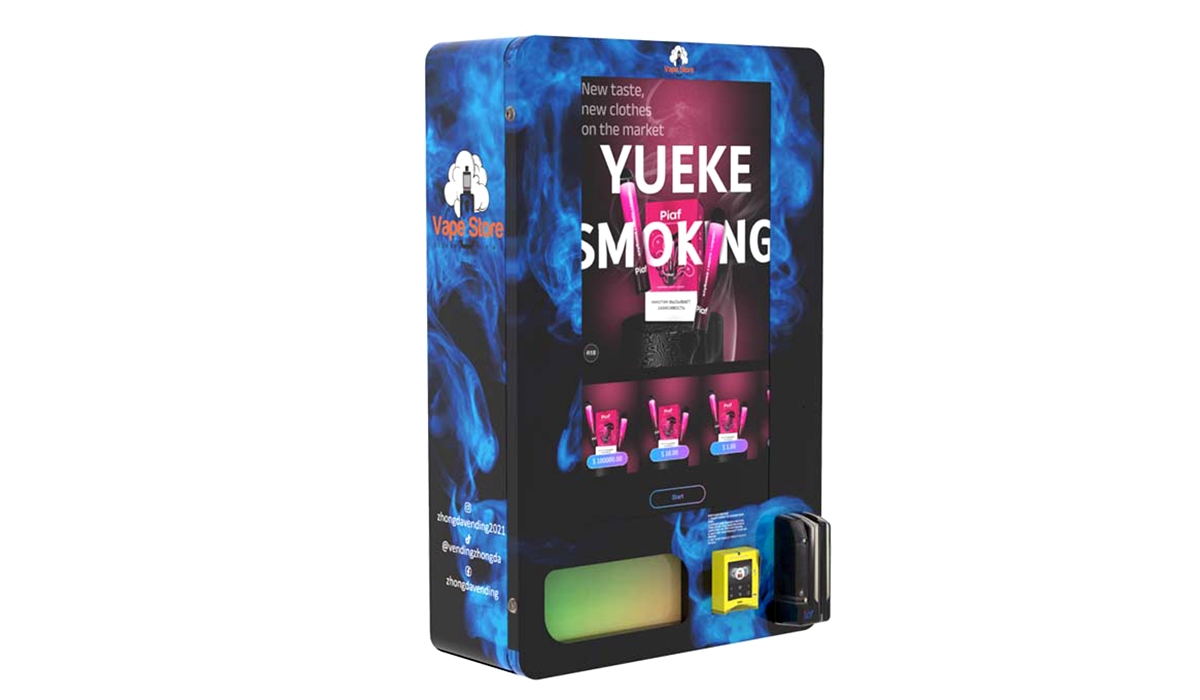
One of my best-performing machines sits in a small warehouse with only 50 employees. The reason? No cafeteria nearby, and the workers want cold drinks and snacks during their shifts. The location had a captive audience. In contrast, a machine in a busy retail corridor with many food options nearby struggled because people walked past it to buy fresh food.
Payment System Compatibility
A touchscreen machine without modern payment options is a waste of money. In the US, over 80% of vending transactions are now cashless according to a 2023 USA Technologies report. Make sure the machine supports NFC (Apple Pay, Google Pay), credit cards, and at least one mobile wallet. Cash acceptance is still relevant in some locations, but I have machines that do 95% of sales via card or phone.
If you operate in Europe, you also need to consider the Payment Services Directive (PSD2) compliance and local card networks. Some manufacturers offer integrated payment terminals, while others require you to buy a separate unit. Factor that into your total cost.
Remote Monitoring and Software
This is where many beginners get tripped up. A standard touchscreen vending machine without remote monitoring is just an expensive box. You need a system that alerts you when inventory is low, when a coil is jammed, or when the temperature goes out of range. I have saved thousands of dollars by catching a cooling failure early via a remote alert, preventing a full load of spoiled products.
Check if the machine uses open protocols like VMC (Vending Machine Control) or proprietary software. Proprietary systems can lock you into one supplier for repairs and updates. I prefer machines that support industry-standard telemetry systems like Cantaloupe or Nayax, as they give you flexibility in choosing a payment processor and remote management platform.
Operating Costs and Maintenance Realities
Many new operators underestimate the ongoing costs. Here is what I have learned from running dozens of machines:
- Restocking labor: Plan on 1–2 hours per machine per week. If you pay someone $15–20 per hour, that is $60–160 per month per machine.
- Location commission: Typically 10–20% of gross sales. Some high-demand locations charge 25% or more.
- Electricity: $20–50 per month depending on the machine size and cooling system.
- Maintenance and repairs: Budget $300–600 per year per machine. This covers screen repairs, compressor service, and payment terminal issues.
- Credit card processing fees: 2–4% of card transactions. Since most sales are cashless, this adds up.
One thing I learned the hard way is that cheap machines often have expensive repair costs. A low-cost unit might save you $2,000 upfront, but if the screen fails after 18 months, a replacement can cost $800–1,200. I now only buy from manufacturers that offer readily available spare parts and have a service network in my region.
When I evaluated a standard touchscreen vending machine product info and reviews from various suppliers, I found that Zhongda Smart offered a good balance of build quality and after-sales support. Their machines use industrial-grade screens and have a modular design that makes repairs easier. I have several of their units in my fleet and the failure rate has been lower than some more expensive brands.
Return on Investment (ROI) Timeline
Based on my experience and data from the European Vending & Coffee Service Association (EVA), a realistic payback period for a new touchscreen machine is 18 to 36 months. Here is how that breaks down:
- High-traffic location (e.g., hospital, busy office): 12–18 months
- Medium-traffic location (e.g., school, small factory): 18–28 months
- Low-traffic or seasonal location: 28–40 months or longer
These numbers assume you are buying a new machine, not paying more than 15% commission, and restocking efficiently. If you buy used, the payback can be faster, but the risk of breakdowns is higher. I have seen operators who bought cheap used machines end up spending more on repairs than they saved on the purchase price.
To improve ROI, focus on high-margin products. A bag of chips might have a 40% margin, but a premium cold sandwich can have a 55–60% margin. Touchscreen machines allow you to display these items attractively, which encourages upsells. I also recommend testing different price points. A small price increase of $0.25 on a $2.00 item rarely affects sales volume but boosts profit significantly.
Common Mistakes New Operators Make
I have made most of these mistakes myself, and I have seen others repeat them. Here are the ones to avoid:
Ignoring the Total Cost of Ownership
Some beginners only look at the machine price. They forget about installation, shipping, payment terminal setup, and initial inventory. I recommend having at least $2,000–3,000 in working capital per machine beyond the purchase price.
Choosing the Wrong Product Mix
I once stocked a machine in a fitness center with mostly candy and soda. It failed. After switching to protein bars, bottled water, and electrolyte drinks, sales tripled. Study the location before you buy inventory.
Skipping the Service Contract
If you buy a machine from an overseas supplier, make sure you have a local service partner or a solid warranty that covers international shipping. I have waited weeks for a replacement part from a manufacturer that had no local distributor.
Overlooking Security
Touchscreen machines are expensive and can be targeted by thieves. I recommend installing a GPS tracker and using a steel locking mechanism. Some operators also add a security camera above the machine.
Best Locations for Touchscreen Vending Machines
Based on my portfolio and industry benchmarks, these locations consistently perform well:
- Office buildings and co-working spaces: High foot traffic during work hours, captive audience.
- Hospitals and medical centers: 24/7 operation, staff and visitors need quick food options.
- Universities and colleges: Large student population, especially in dormitories and libraries.
- Manufacturing plants and warehouses: Workers often have limited break time and no nearby stores.
- Gyms and fitness centers: Demand for healthy snacks and drinks.
- Transport hubs (train stations, airports): Very high foot traffic, but also high competition and commission demands.
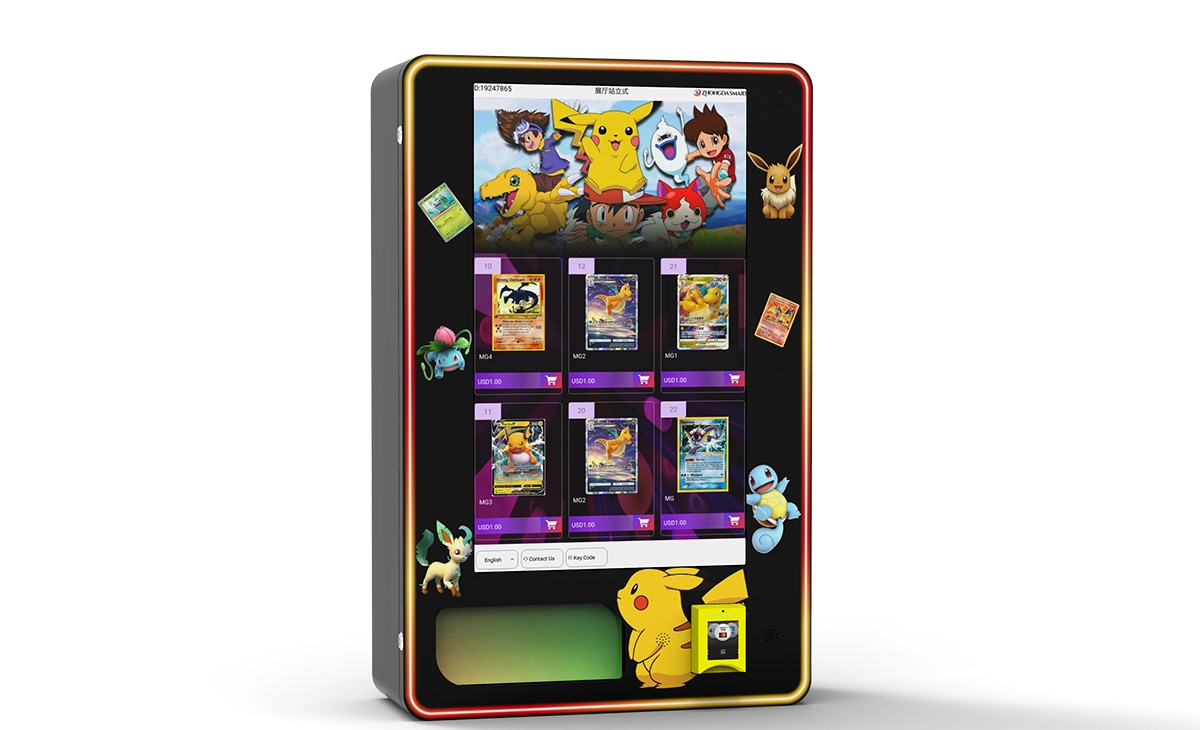
I avoid locations with strong existing food service, like cafeterias or fast-food courts. A touchscreen machine works best where convenience is the main driver, not where customers have many alternatives.
How to Choose a Supplier
When you are looking at standard touchscreen vending machine product info and reviews, the supplier matters as much as the machine. Here are my criteria after years of sourcing equipment:
- Warranty length: At least 2 years on the screen and compressor.
- Spare parts availability: Can you order a screen, touch panel, or mainboard easily?
- Software support: Do they provide firmware updates and remote management integration?
- Shipping and logistics: Do they deliver to your country with reasonable freight costs?
- Customer references: Ask for contact information of other operators who bought the same model.
In my experience, Zhongda Smart has been a reliable supplier for mid-range touchscreen machines. Their units come with a solid warranty, and they offer good support for remote monitoring setup. I am not saying they are the only option, but they are worth including in your evaluation if you are looking for a balance between price and durability.
Realistic Revenue Projections
I want to be clear: vending is not a get-rich-quick business. A single machine in a decent location might earn you $300–600 per month in net profit. If you scale to 20 or 30 machines, you can build a solid income, but it takes work. According to Statista, the average vending machine in the US generates about $75–100 per week in revenue. Touchscreen machines tend to be on the higher end of that range.
Here is a conservative example based on one of my actual machines in a mid-sized office building:
- Monthly gross sales: $1,100
- COGS (45%): $495
- Location commission (15%): $165
- Electricity: $35
- Restocking labor (2 hours/week at $18/hr): $144
- Credit card fees (3%): $33
- Maintenance reserve: $50
- Net profit: $178 per month
This machine cost $8,500 new. At $178 per month, the payback period is about 48 months. However, I later moved it to a busier location where net profit increased to $400 per month, cutting the payback to 21 months. Location is everything.
FAQ: Standard Touchscreen Vending Machine
Are touchscreen vending machines profitable?
Yes, if placed in a location with sufficient foot traffic and a good product mix. Net profit typically ranges from $200 to $600 per month per machine. Profitability depends on commission rates, restocking efficiency, and product margins.
How much does a standard touchscreen vending machine cost?
New units cost between $4,000 and $18,000 depending on capacity, cooling options, and screen size. Used machines can be found for $2,000–6,000 but carry higher repair risks.
How long does it take to recoup the investment?
Typical payback periods range from 18 to 36 months for new machines in good locations. Faster payback is possible in high-traffic sites with low commission rates.
Should I buy or lease a vending machine?
Buying is usually better if you have capital and want long-term control. Leasing can be useful for testing a location, but the monthly payments eat into profit. I recommend buying unless you are unsure about the location.
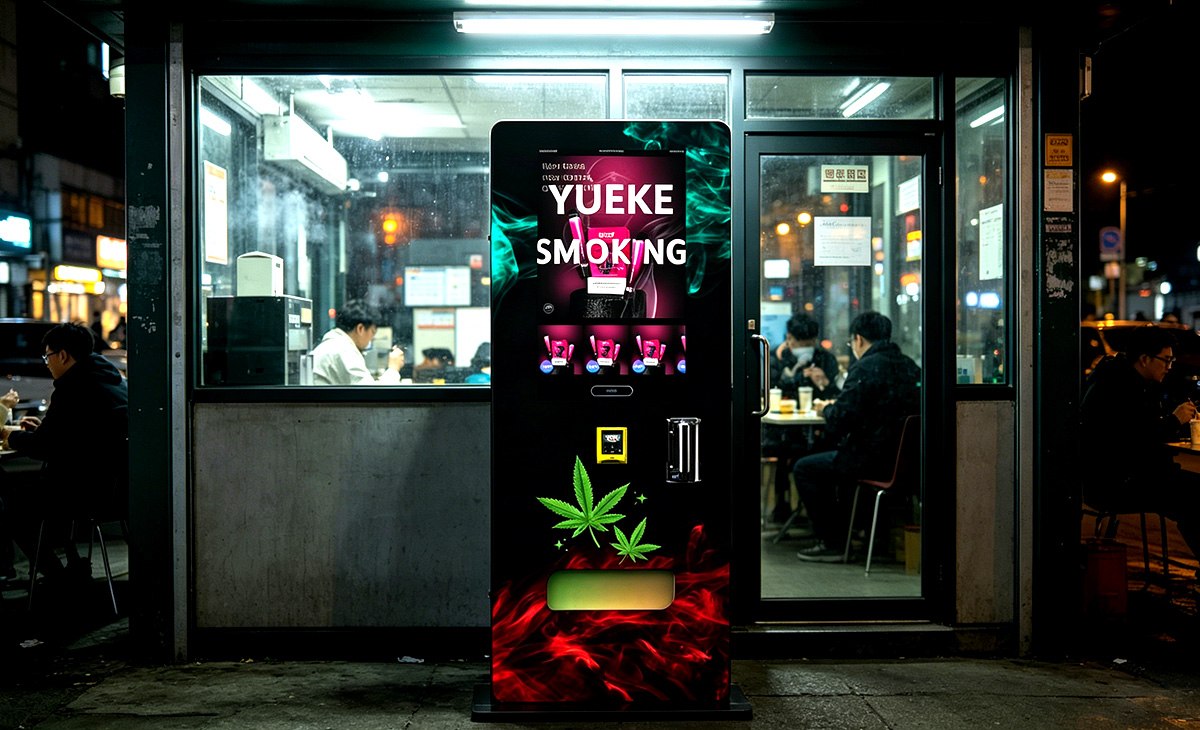
Where should I place a touchscreen vending machine?
Offices, hospitals, universities, gyms, and manufacturing plants are top choices. Avoid locations with strong existing food service options. Count foot traffic before committing.
What permits or licenses do I need?
Requirements vary by city and country. In the US, you typically need a business license and a sales tax permit. Some locations require health department approval if you sell perishable food. Check with your local municipality.
How do I choose a vending machine supplier?
Look for a supplier with a strong warranty, available spare parts, and good customer support. Read product reviews and ask for references. Zhongda Smart is one manufacturer I have had good experience with for mid-range machines.
What happens if the machine breaks down?
Most breakdowns involve the touchscreen, payment system, or cooling unit. Having a service contract or a local repair technician is essential. Remote monitoring helps you catch issues early.
How can I reduce restocking and maintenance costs?
Use remote monitoring to optimize restocking schedules. Stock high-turnover items and avoid perishables with short shelf lives unless you have high traffic. Regularly clean the machine to prevent mechanical issues.
Final Thoughts from a Veteran Operator
I have seen the vending business change dramatically over the last decade. The standard touchscreen vending machine product info and reviews you find online can be helpful, but nothing replaces hands-on experience. Start with one or two machines in strong locations. Learn the restocking rhythm, understand your local customer preferences, and build a relationship with a reliable supplier. Do not expect overnight success, but if you approach it methodically, automated retail can be a solid business with steady returns.
Remember that the machine is just a tool. Your success comes from choosing the right location, stocking the right products, and maintaining the equipment. I have made money with machines that cost $5,000 and lost money with machines that cost $15,000. The difference was always the location and the operator's attention to detail.
If you are ready to start, do your homework. Talk to other operators in your area. Visit a few locations and watch how people buy. And when you finally pick a machine, make sure it comes from a manufacturer that stands behind their product. That is the advice I wish someone had given me when I started.