If you are looking into starting a trading card vending machine business, the first question you probably have is not about machines or software, but about where the inventory comes from. Sourcing cards is the single most important operational decision you will make, and it is the one that separates profitable routes from expensive storage bins full of dead product. In my decade running automated retail in the US and parts of Europe, I have seen operators succeed because they treated sourcing like a supply chain discipline, not a hobby. This guide covers the sourcing strategies, supplier vetting, and cost structures that actually work when you are buying for a self-service kiosk, not for your personal collection.
Why Sourcing Is Different for a Vending Machine Than for a Card Shop
When you own a retail store, you can rotate stock slowly, talk to customers, and adjust pricing on the fly. A vending machine does not have that luxury. Your machine is a silent salesperson, and it only makes money when the product inside matches what buyers in that specific location want at that exact moment. This changes your sourcing strategy completely.
You are not buying cards you like. You are buying cards that will sell within a specific velocity window. A sealed booster pack might sit for weeks, while a single popular chase card could move in hours. Understanding this distinction is the foundation of everything else in this business. I have seen operators load a machine with high-end hobby boxes, only to watch them gather dust in a mall where parents were looking for affordable packs for their kids.
The sourcing cycle is also faster. You are not restocking shelves once a week; you are refilling a machine that might sell out of a specific slot in two days. That means you need reliable, repeatable access to product, not just one-off deals. If you cannot secure a steady flow of sealed product or graded cards, your machine will sit empty, and an empty machine is the fastest way to lose trust with your location host.
Finally, margins are different. A card shop can survive on 10–15% margins on some products because they have foot traffic and add-on sales. A vending machine, especially a trading card vending machine, needs gross margins closer to 40–60% on the product itself to cover the machine cost, location commission, and your time. That changes which products you source and how you negotiate pricing.
Understanding the Two Main Product Categories
Before you contact any supplier, you need to decide what kind of card product you are going to sell. In my experience, there are two broad categories, and each has its own sourcing challenges and profit profiles.
Sealed Product: Packs, Boxes, and Blisters
Sealed product is the easiest to source at scale. This includes booster packs, blisters, and hobby boxes from major brands like Pokemon, Magic: The Gathering, and Sports cards. The advantage is that the product is standardized, easy to load, and has a known retail price. The disadvantage is that the margins are thinner, and you are competing with every online retailer and big-box store.
For sealed product, your sourcing strategy is about volume and speed. You need distributors who can get you new releases on launch day, because the first week of a new set is when you make the most money. After that, the price drops and the velocity slows. I have found that building relationships with two or three regional distributors is better than relying on one national supplier, because regional guys often have leftover allocation that they will sell at a discount to move inventory.
Another angle is buying sealed product in bulk from liquidators or overstock sellers. This is riskier because you do not always know the condition of the boxes or how they were stored. I once bought a pallet of sealed Pokemon product from a liquidator at 30% below wholesale, only to discover that the boxes had been stored in a humid warehouse, and the packs were damaged. That was a hard lesson in checking the provenance of your supply.
Single Cards and Graded Cards
Single cards, especially graded ones, offer much higher margins but come with a different set of risks. You are now in the business of picking winners. A single PSA 10 card might sell for $200 in your machine, but if you buy the wrong card, it sits there for months. This is where your knowledge of the secondary market becomes your biggest asset or your biggest liability.
Sourcing singles requires you to be active on platforms like eBay, TCGplayer, and dedicated Facebook groups. You are looking for undervalued cards, bulk lots, and collections that you can break down. The key is to have a clear buy list based on data, not on your personal taste. I track sales velocity on specific cards using market data tools, and I only buy cards that have moved at least 20 times in the last month on major platforms.
Graded cards are a different animal. They are more expensive to source, but they are also easier to price because the condition is verified. The problem is that the grading fees and shipping costs eat into your margin. You need to buy graded cards at 50–60% of their current market value to make a decent profit in a vending machine. That means you are often buying collections, estate sales, or trading for them from local collectors.
Building a Reliable Supplier Network
You cannot rely on one source for your cards. The market is too volatile, and you will get burned if a single distributor runs out of stock or decides to cut your allocation. Over the years, I have built a network of six to eight suppliers that I rotate based on price, availability, and speed of delivery.
Primary Distributors
Your primary distributors are the big names in the industry. They are the ones who get the largest allocation of new releases from the card companies. They are reliable, but they are also strict about payment terms and order minimums. You need a business license and a resale certificate to open an account with most of them.
I recommend starting with one or two of these and building a track record of paying on time. Once you have a history, you can negotiate better terms, like net-30 payment instead of paying upfront. This improves your cash flow significantly, which is critical when you are buying a new set launch that could cost $10,000 to $20,000 for enough product to stock multiple machines.
Secondary Wholesalers and Liquidators
Secondary wholesalers buy excess inventory from distributors and card shops. They often have product that is not moving fast enough, and they are willing to sell it at 10–20% below wholesale. The catch is that you often have to buy in bulk, and the product mix is not always what you want. I use these suppliers for filler product, things like common cards or older sets that still have some demand but are not the main attraction.
Liquidators are a riskier option. They buy pallets of returned goods, overstock, and clearance items. I have found some amazing deals, but I have also lost money on damaged goods. If you go this route, always ask for photos of the actual pallet, not stock photos, and ask about the reason for liquidation. If they cannot give you a straight answer, walk away.
Direct from Local Card Shops
Do not overlook your local card shop. Many shop owners have excess inventory that they are willing to sell at a slight discount if you buy in volume. They also have access to products that might be sold out at the distributor level. I have built relationships with three local shops in my area, and they are my go-to source for emergency restocks when a distributor is late on a delivery.
The key is to treat them as partners, not competitors. You are not taking their customers; you are placing machines in locations that they do not serve. I have even done revenue-sharing deals with local shops where they supply the cards, and I supply the machine and location. That is a low-risk way to test a new spot without tying up your own capital in inventory.
The Real Costs of Sourcing Cards
When I talk to new operators, they often underestimate the capital required to source cards for a vending machine business. It is not just the cost of the cards themselves; it is the cost of carrying inventory, the cost of dead stock, and the cost of your time.
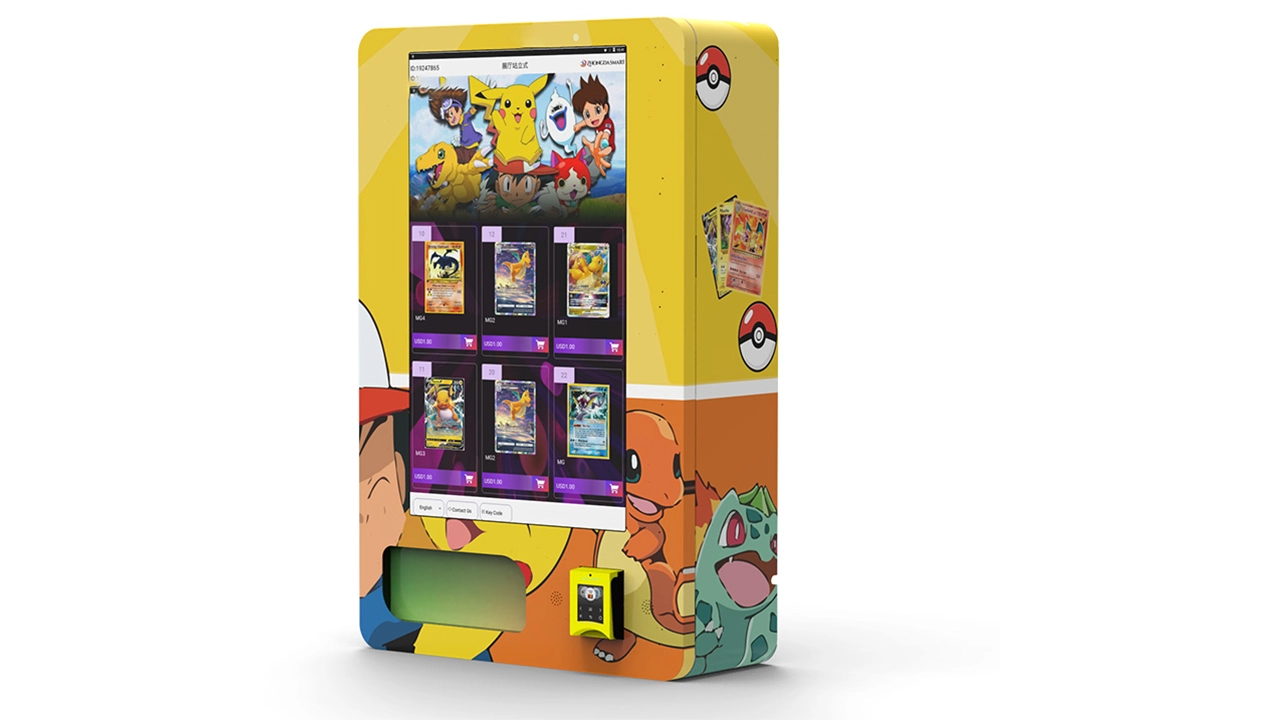
Let me break down the numbers based on my own operations. A single machine in a good location might hold $3,000 to $5,000 worth of cards at retail. To keep that machine stocked, you need at least two to three times that amount in your inventory pipeline. That means you need $10,000 to $15,000 in card inventory just for one machine, if you want to avoid running out of popular items.
According to IBISWorld, the vending machine operator industry in the US generates approximately $7.3 billion in annual revenue, and the average profit margin for operators is around 12–15% after all costs. This is a useful benchmark, but it includes all vending machines, not just card machines. In my experience, card machines can achieve higher gross margins on the product, but they also have higher inventory carrying costs and more risk of dead stock.
Another data point from Statista shows that the global trading card market is expected to grow at a compound annual growth rate of about 8.5% from 2023 to 2028. This growth is driven by nostalgia and the increasing acceptance of cards as an alternative investment. For vending machine operators, this means demand is likely to stay strong, but it also means more competition for product, which will push up sourcing costs.
You also have to account for the cost of capital. If you are borrowing money to buy inventory, the interest on that loan is a real cost. Even if you are using your own cash, that money is not earning interest elsewhere. I typically budget 15% of my inventory value for carrying costs, which includes storage, insurance, and the opportunity cost of the money tied up in cards.
How to Evaluate a Card Supplier
Not all suppliers are created equal. I have developed a checklist over the years that I use to evaluate any new supplier, whether they are a major distributor or a guy selling bulk lots from his garage.
First, check their track record. How long have they been in business? Do they have reviews from other vending machine operators, not just collectors? A supplier who is great for a hobbyist might not be reliable for a business that needs consistent volume.
Second, ask about their return policy. This is critical. In the card business, you will occasionally receive damaged product, or product that was misrepresented. A supplier who does not offer a return or exchange policy is a red flag. I once had a supplier who sent me a box of cards that were water-damaged, and they refused to take them back. That was a $2,000 loss that I could have avoided with a simple return policy check.
Third, test their shipping speed. Order a small batch from a new supplier and see how long it takes to arrive. You need suppliers who can get product to you in 2–3 days, not 2–3 weeks. When a new set launches, the first week is when you make the most money, and a slow supplier will cost you real revenue.
Fourth, ask about their allocation process. How do they decide who gets product when there is a shortage? Do they reward loyal customers, or is it first-come, first-served? You want a supplier who values long-term relationships.
Finally, consider the payment terms. Net-30 or net-60 is ideal, but many smaller suppliers will want payment upfront. If you are a new operator without a track record, you may have to pay upfront for the first few orders. That is fine, but it should improve over time. If a supplier insists on upfront payment forever, even after you have a history, that is a sign that they might be struggling financially.
Equipment Considerations That Affect Sourcing
The type of machine you buy will directly affect your sourcing strategy. A simple machine with fixed slots is fine for sealed product, but it is not great for singles or graded cards. You need a machine that gives you flexibility to change the product mix.
I have used machines from several manufacturers, and I currently operate a mix of models. One of the key features I look for is adjustable slot widths. This allows me to switch between selling booster packs and selling top-loaders with single cards. Without this flexibility, you are locked into one product category, which increases your risk if that category cools off.
Another consideration is the payment system. If your machine only accepts cash, you are limiting your customer base. Most modern machines, including 32-inch touchscreen trading card vending machines, support card payments and mobile wallets. This is important because younger buyers, who are the core demographic for trading cards, often do not carry cash.
You should also consider the security features of the machine. Cards are small and valuable, making them a target for theft. A machine with a reinforced glass front and a tamper-proof lock is worth the extra investment. I have had machines broken into twice, and both times it was because I tried to save money on a cheaper model. The loss of inventory and the downtime cost me more than the difference in machine price.
For those looking to start small, there are wall-mounted card vending machines that require less floor space and lower initial investment. These are good for testing a location without committing to a full-size machine. However, they have limited capacity, which means you need to restock more frequently. This increases your labor cost, so you need to factor that into your sourcing and restocking schedule.
Location Sourcing and Its Effect on Inventory
Your sourcing strategy should be driven by your location. A machine in a high-traffic mall will have a different product mix than a machine in a hobby shop or a comic book store. You need to understand the demographics and buying behavior of the customers in each location before you decide what cards to source.
For example, a machine in a mall near a movie theater might do well with Pokemon and sports cards because the foot traffic is families and casual buyers. A machine in a dedicated card shop, on the other hand, might do better with Magic: The Gathering and graded vintage cards because the customers are more serious collectors.
I have a machine in a college town that sells mostly sports cards, especially basketball and football. The students are not interested in Pokemon, and they are not buying high-end graded cards. They want affordable packs and singles of their favorite players. Sourcing for this machine is completely different from my machine in a suburban mall, which sells a mix of Pokemon and Yu-Gi-Oh! to younger kids and their parents.
This means you need to be flexible in your sourcing. You cannot buy one set of inventory and expect it to work in all locations. You need to allocate your budget based on the potential of each site. I typically allocate 60% of my inventory budget to my top two locations and 40% to the rest. This ensures that my best machines are always fully stocked with the right product.
Negotiating with Suppliers: What Actually Works
Negotiation is not about being aggressive; it is about being informed. When I sit down with a supplier, I bring data. I show them my sales velocity for their product, I show them my restock frequency, and I show them the growth potential of my locations. This gives me leverage to ask for better pricing or better terms.
One strategy that works well is to commit to a monthly volume in exchange for a discount. For example, I have a deal with one distributor where I agree to buy a minimum of $5,000 worth of product per month, and in return, they give me a 5% discount and priority allocation on new releases. This is a win-win because they get predictable revenue, and I get better margins and guaranteed supply.
Another tactic is to pay early. If a supplier offers a discount for early payment, take it. This is especially useful for smaller suppliers who might be cash-strapped. A 2% discount for paying in 10 days instead of 30 days is a solid return on your cash.
Do not be afraid to walk away from a deal. If a supplier is not willing to work with you on price or terms, there are plenty of others. The card market is competitive, and suppliers know that they need to keep their customers happy. I have switched suppliers several times over the years, and each time, the new supplier was more willing to negotiate because they were hungry for business.
Common Sourcing Mistakes and How to Avoid Them
I have made my share of mistakes in this business, and I want to share them so you do not have to learn the hard way.
The biggest mistake is over-buying on hype. When a new set is announced, there is a lot of buzz, and it is tempting to buy as much as you can. I did this with a certain sports card set a few years ago, and the market was flooded. The value of the cards dropped by 40% within three months, and I was stuck with inventory that I had to sell at a loss just to free up cash. Now, I only buy 60% of my allocation for a new set upfront, and I hold back the rest to see how the market reacts.
Another mistake is ignoring the condition of single cards. When buying singles, you need to be very specific about condition. A card that is listed as "near mint" might actually have a small crease or whitening on the corners that makes it worth 30% less. I only buy from sellers who provide high-resolution photos and have a clear grading standard. If a seller cannot provide that, I move on.
A third mistake is not diversifying your product mix. If you only sell Pokemon, you are vulnerable to a drop in Pokemon demand. I learned this when the Pokemon hype cooled off after the initial surge a few years ago. My sales dropped by 25% in one month because I had not diversified into sports cards and Magic. Now, I maintain a mix of at least three major card categories in every machine.
Finally, do not forget about the cost of shipping and handling. When you are sourcing from multiple suppliers, shipping costs can add up. I always factor shipping into my cost per unit calculation. Sometimes, a supplier with a slightly higher price but free shipping is a better deal than a supplier with a lower price and high shipping costs.
Cost Comparison: Different Vending Machine Types
To give you a clearer picture, here is a comparison table based on my experience and the data I have collected from other operators. This is not official statistics, but it is a realistic estimate of what you can expect.
| Machine Type | Initial Investment (USD) | Capacity (Units) | Typical Monthly Revenue (USD) | Gross Margin | Payback Period |
|---|---|---|---|---|---|
| Wall-mounted card machine | $3,000 – $6,000 | 50 – 100 | $500 – $1,200 | 40 – 50% | 6 – 12 months |
| Standard floor-standing machine | $8,000 – $15,000 | 200 – 400 | $1,500 – $3,500 | 45 – 55% | 8 – 18 months |
| Large touchscreen machine | $15,000 – $25,000 | 400 – 800 | $3,000 – $6,000 | 50 – 60% | 12 – 24 months |
These numbers are based on my own operations and conversations with other operators in the US and Europe. Your actual results will vary depending on the location, the product mix, and how well you manage your inventory. The key takeaway is that the machine cost is only part of the equation. The inventory and the location are equally important, if not more so.
Self-Operated vs. Leased vs. Revenue Share
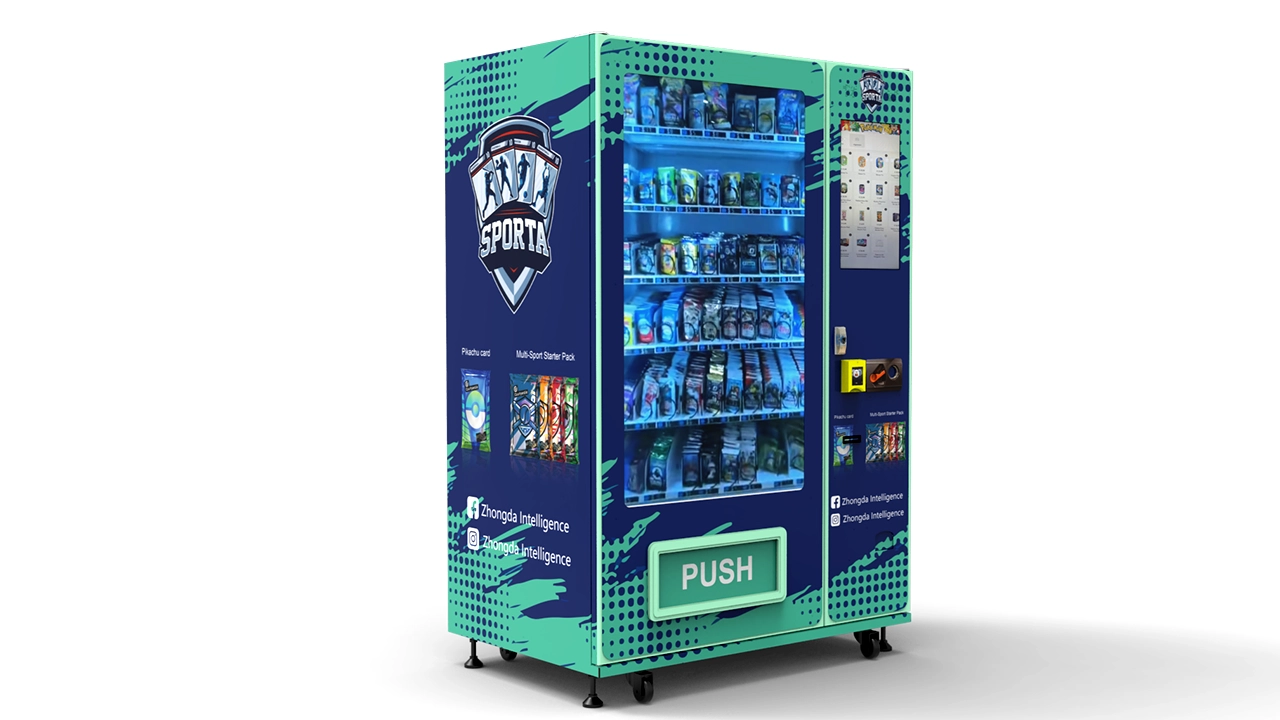
Another decision that affects your sourcing is whether you operate the machine yourself, lease it from a provider, or enter a revenue-sharing agreement. Each model has its own implications for inventory control.
If you operate the machine yourself, you have full control over sourcing. You can buy product from any supplier, and you can adjust your product mix as needed. The downside is that you are responsible for everything, including restocking, maintenance, and sourcing. This is the model I use for most of my machines because it gives me the best margins.
Leasing a machine is a good option if you do not have the upfront capital. However, you are often limited to the products that the leasing company provides. This can be a problem because you might not have the flexibility to source the best products for your location. I have seen leasing companies that charge a premium for product, which cuts into your margin.
Revenue sharing is another option. In this model, you partner with a location host, like a card shop or a convenience store. They provide the space, and you provide the machine and the product. You split the revenue, typically 70/30 or 60/40 in your favor. This is a low-risk way to start, but your sourcing decisions are often influenced by the host, who might have their own opinions about what should sell.
I have used revenue sharing for a few locations, and it works well when the host is knowledgeable about cards. In one case, I partnered with a local card shop owner who had a loyal customer base. He told me exactly what to stock, and we split the revenue. It was a profitable arrangement because he had insights that I did not have about his customers' preferences.
Compliance and Legal Considerations
You might think that selling cards from a vending machine is simple, but there are legal and regulatory issues to consider. In the US, you need a business license and a resale certificate to buy from distributors. You also need to collect sales tax, which varies by state. In the EU, the rules are different for each country, but you generally need to register for VAT if you are selling goods.
According to the U.S. Small Business Administration, the average cost to start a vending machine business is between $10,000 and $50,000, depending on the number of machines and the type of products you sell. This includes the cost of the machine, inventory, licensing, and insurance. It is a useful benchmark, but you should expect to spend more if you are sourcing high-value cards.
You also need to be aware of the rules regarding the sale of trading cards to minors. In some jurisdictions, there are age restrictions on certain types of cards, especially those that involve gambling-like mechanics. Booster packs are generally not regulated, but you should check your local laws. I have had to remove a machine from a location because the host was concerned about the age of the customers, even though there was no legal issue. It is better to be safe and have a clear policy.
Insurance is another consideration. Your standard business insurance might not cover the loss of high-value inventory from theft or vandalism. I had to add a rider to my policy to cover the full value of my card inventory. This costs me an extra $100 per month, but it is worth it for the peace of mind.
For those operating in Europe, you should be aware of the EU regulations on vending machines and automated retail. The European Vending Association provides guidelines on safety and hygiene, and you should make sure your machine complies. A self-service kiosk for cards does not have the same food safety requirements as a snack machine, but you still need to meet electrical safety standards.
How to Reduce Restocking and Maintenance Costs
Restocking is the most time-consuming part of this business. You need to visit each machine regularly to check inventory, clean the glass, and make sure the machine is working properly. The goal is to minimize the number of visits while maximizing the time the machine is fully stocked.
I have found that a data-driven approach works best. I track sales by product and by location, and I use that data to create a restocking schedule. For example, a machine in a high-traffic mall might need restocking every 3 days, while a machine in a quieter location might only need restocking once a week. I use a simple spreadsheet to track this, but there are also software solutions that can automate the process.
Another way to reduce restocking costs is to use a machine with a larger capacity. A larger machine means fewer visits, but it also means more capital tied up in inventory. You need to find the right balance for each location. I have one machine that holds $5,000 worth of product, and I only need to restock it every 5 days. This saves me a lot of time compared to my smaller machines.
Maintenance is another cost that you cannot ignore. Vending machine repair is a necessary part of the business. You should budget about 5–10% of your monthly revenue for maintenance and repairs. This includes things like replacing the card reader, fixing the dispenser mechanism, and updating the software. I have a relationship with a local technician who can fix most issues within 24 hours. This is critical because a broken machine does not make money.
Case Study: A Failure and a Success
I want to share two specific experiences that illustrate the importance of sourcing and location.
The failure came early in my career. I had a machine in a busy downtown location, and I stocked it entirely with high-end Pokemon booster boxes. I thought that because the location was busy, the expensive product would sell. I was wrong. The foot traffic was mostly office workers who were not interested in spending $50 on a booster box. They wanted affordable packs, maybe $5 to $10. The expensive product sat there for weeks, and I had to discount it heavily just to move it. The machine was not profitable for three months, and I eventually moved it to a different location.
The success came when I learned from that mistake. I placed a machine in a local comic book store, and I worked with the owner to understand his customers. He told me that his customers were mostly collectors looking for single cards and graded cards. I sourced a mix of graded sports cards and popular singles, and the machine was profitable within the first month. The key was that I listened to the location host and sourced products that matched the customer base.
Working with Manufacturers: A Note on Zhongda Smart
When it comes to the machine itself, I have had good experiences with a few manufacturers, and one that stands out is Zhongda Smart. They are a manufacturer based in China, but they have a strong presence in the US and European markets. Their machines are reliable, and their touchscreen models are particularly good for card vending because they allow for dynamic pricing and product display.
I am not saying you should only buy from them, but I would include them in your evaluation. The key is to compare their machines side-by-side with other options and look at the total cost of ownership, including shipping, installation, and ongoing maintenance. I have found that their customer support is responsive, which is important when you need a repair quickly.
When you are sourcing a machine, do not just look at the price. Look at the warranty, the availability of spare parts, and the ease of servicing. A cheap machine that breaks down often will cost you more in the long run than a slightly more expensive machine that is reliable. For a deeper dive into machine selection, you might want to check resources like this guide on trading card vending machine costs.
Payment Systems and the Customer Experience
The payment system is a critical part of the vending machine experience. If the payment system is slow or unreliable, customers will walk away. In my experience, you need a machine that supports multiple payment methods: cash, credit/debit cards, and mobile wallets like Apple Pay and Google Pay.
Cashless payments are essential for the card-buying demographic. According to Statista, the share of cashless payments in the US has been steadily increasing, and it is expected to reach 60% of all transactions by 2025. If your machine does not accept cards, you are losing a significant portion of potential sales.
You also need to think about the user experience. A touchscreen interface is much better than a simple keypad because it allows you to display product images and prices clearly. Customers can see what they are buying before they pay, which reduces the chance of them being disappointed. I have a machine with a 32-inch touchscreen, and it outsells my older machines with keypads by a significant margin.
FAQ
Is a trading card vending machine profitable?
Yes, it can be, but it is not guaranteed. Profitability depends on the location, the product mix, and how well you manage your inventory. In my experience, a well-placed machine can generate $1,000 to $3,000 per month in revenue, with gross margins of 40–60%. However, you need to account for the cost of the machine, inventory, maintenance, and your time. It is a business, not a passive income stream.
How much does a trading card vending machine cost?
The cost varies widely depending on the type of machine. A basic wall-mounted unit might cost $3,000 to $6,000, while a large floor-standing touchscreen model can cost $15,000 to $25,000. In addition to the machine cost, you need to budget for inventory, which can be $10,000 to $15,000 for a single machine, and installation costs.
How long does it take to pay back the initial investment?
Based on my experience, the payback period is typically 8 to 24 months. This depends on the location, the product mix, and the machine cost. A machine in a high-traffic location with a good product mix can pay back in as little as 6 months, but a poorly placed machine might take 2 years or more. It is important to be realistic and not expect overnight returns.
Should a beginner buy or lease a machine?
I generally recommend leasing or starting with a revenue-sharing agreement if you are a beginner. This reduces your upfront capital risk and allows you to learn the business without a large financial commitment. Once you have a proven location and understand the sourcing and restocking process, you can buy your own machine for better margins.
Where is the best place to put a trading card vending machine?
The best locations are places with high foot traffic and a demographic that is interested in trading cards. This includes comic book stores, hobby shops, malls, and college towns. You should also consider locations where there is no direct competition, like a convenience store or a movie theater lobby. The key is to match the product mix to the customer base.
What licenses and permits do I need?
In the US, you need a business license and a resale certificate to buy from distributors. You also need to collect sales tax, which varies by state. In the EU, you need to register for VAT and comply with local regulations. It is best to check with your local government for specific requirements. You should also consider insurance to protect your inventory.
How do I choose a reliable vending machine supplier?
Look for a supplier with a good track record, a clear return policy, and fast shipping. Check reviews from other vending machine operators, not just collectors. Ask about their allocation process and payment terms. It is also a good idea to order a small batch first to test their reliability before committing to a large order.
What should I do if my machine breaks down?
You need to have a plan for vending machine repair. This might involve a local technician or the manufacturer's support team. I recommend budgeting 5–10% of your monthly revenue for maintenance. It is also important to have a backup plan for restocking, like a spare machine or a temporary location, so you do not lose revenue while the machine is down.
How can I reduce restocking and maintenance costs?
Use data to create an efficient restocking schedule, and consider using machines with larger capacity to reduce the frequency of visits. Track your sales by product and location to identify what is selling and what is not. You should also build a relationship with a reliable technician to handle repairs quickly. Regular maintenance can prevent bigger issues down the line.
Final Thoughts and a Note on Disclaimer
Running a trading card vending machine business is not a get-rich-quick scheme. It requires careful planning, a solid sourcing strategy, and a willingness to learn from your mistakes. The information in this article is based on my personal experience and the experiences of other operators I have spoken with. It is not a guarantee of success, and your results will vary depending on your specific circumstances.
I encourage you to do your own research and, if possible, talk to other operators in your area. The trading card market is dynamic, and what works today might not work tomorrow. Stay flexible, keep learning, and do not be afraid to adjust your strategy. If you are looking for more details on specific machines, you can check out resources like this article on card vending machine profitability or this one on machine selection. Good luck, and I hope you find success in this interesting and evolving business.