If you are looking into cashless trading card vending machines, the first thing you need to understand is that this is not a passive income scheme—it is a specialized retail operation that demands sharp location scouting, disciplined inventory management, and a real feel for the collector market. After a decade of running vending routes across the US, I have seen operators make serious money with these machines, and I have also watched beginners lose their shirts by ignoring the fundamentals. The honest truth is that a trading card vending machine can generate impressive revenue per square foot, often outperforming traditional snack machines, but only when you treat it like a business, not a hobby. This complete guide walks you through the real costs, the actual return timelines, the equipment choices that matter, and the operational mistakes I have personally made and corrected over the years.
Why Trading Card Machines Are Different from Traditional Vending
Most operators coming from snack or soda vending assume that a card machine is just another box that takes money and dispenses product. That assumption is exactly what gets people into trouble. Trading cards are high-value, low-unit-cost items with a passionate but volatile customer base. Unlike a candy bar, a sealed booster pack can double in value overnight based on market trends, and the customer behavior is entirely different—people browse, they hover, they ask questions, and they expect a premium experience.
The self-service kiosk format works because it removes the friction of waiting for a store clerk and gives collectors a sense of discovery. But it also means your machine is competing directly with local game stores, big-box retailers, and online marketplaces. Your edge is convenience and curation. I have learned that a card machine placed in a high-traffic hobby shop will outperform one placed in a generic convenience store, even if the foot traffic numbers are lower. The audience matters more than raw counts.
Another key difference is the payment system. Cashless is not optional here—it is mandatory. Collectors under thirty-five rarely carry cash, and they expect to tap a card or use a mobile wallet. If your machine only takes bills and coins, you are eliminating a huge portion of your potential buyers. Every machine I deploy now is fully cashless, and I have seen my average transaction value increase by roughly twenty percent compared to my early hybrid machines.
Finally, the product itself requires more thought. You cannot just stock any random assortment of packs and expect sales. The trading card vending machine business is driven by what is hot, what is rotating out of print, and what local players are actually searching for. This means you need to stay current with release schedules, monitor secondary market prices, and be willing to rotate inventory based on sales data. It is a much more active role than traditional vending.
Realistic Cost Breakdown: What You Are Actually Paying For
Let me give you the numbers I have seen across my own purchases and those of operators I have mentored. The initial investment for a new, quality trading card vending machine typically ranges from $6,000 to $18,000, depending on screen size, security features, and customization. I have seen cheaper Chinese imports for under $4,000, but I have also seen those fail within six months due to jammed dispensers and faulty card readers. You get what you pay for in this industry.
On top of the hardware, you need to budget for installation, shipping, and initial inventory. Shipping a full-size machine can run $300 to $800 depending on distance. Your first inventory order for trading cards will likely be between $2,000 and $5,000, depending on how many SKUs you want to carry. If you are buying from a supplier like Zhongda Smart, you might get a bundled deal, but always verify that the machine meets US electrical and payment standards before committing.
Operating costs are where many beginners underestimate. You have payment processing fees, which typically run 2.9% plus thirty cents per transaction. You have maintenance and repair costs, which I budget at around $50 to $100 per month on average for a well-built machine. And you have restocking labor—whether that is your time or an employee's, it is a real cost. I calculate my own labor at $15 per hour, and a typical restock visit takes one to two hours depending on how many items need refilling.
Rent or commission to the host location is another major factor. Some locations charge a flat monthly fee, usually $100 to $300. Others take a percentage of sales, typically 10% to 20%. I have negotiated both, and I generally prefer a flat fee because it makes my profit calculations simpler. However, in a prime location like a busy comic shop, a commission model might be the only way to get in the door.
Comparing Costs Across Machine Types
| Machine Type | Typical Price Range | Capacity | Best Use Case | Estimated Monthly Revenue Potential |
|---|---|---|---|---|
| Wall-Mounted Card Machine | $3,500 – $7,000 | 100 – 200 items | Small shops, cafes, low-footprint locations | $500 – $1,500 |
| Freestanding Basic Machine | $6,000 – $10,000 | 200 – 400 items | Hobby stores, convenience stores | $1,000 – $3,000 |
| Freestanding with 32-Inch Touchscreen | $10,000 – $18,000 | 400 – 600 items | High-traffic malls, entertainment venues | $2,500 – $6,000 |
| Refurbished or Used Machine | $2,000 – $5,000 | Varies | Budget-conscious operators | $500 – $2,000 |
This table reflects my actual experience and industry conversations, not official statistics. Revenue potential varies dramatically based on location, product selection, and market conditions. I have seen a wall-mounted unit in a small game store do $800 in a slow month, while a touchscreen machine in a mall arcade did over $5,000 during a Pokémon boom. Do not buy a machine based on the best-case scenario; buy it based on the worst-case scenario you can survive.
Site Selection: The Single Most Important Decision
I have a saying I repeat to every new operator: a mediocre machine in a great location beats a great machine in a mediocre location every single time. The location determines your foot traffic, your customer demographics, and your rent costs. I have placed machines in five different types of locations, and the results were wildly different. My biggest failure was placing a machine in a suburban laundromat. It seemed logical—high foot traffic, captive audience, low rent. But the audience was not interested in trading cards. I moved that machine after three months of weak sales.
On the other hand, my best-performing location is a small independent game store in a college town. The owner let me place a freestanding machine near the counter, and we agreed on a 15% commission. That machine does consistent monthly sales of $2,500 to $4,000, and the store owner loves it because it drives foot traffic and gives his customers another reason to visit. The lesson is simple: you need to find places where collectors already gather.
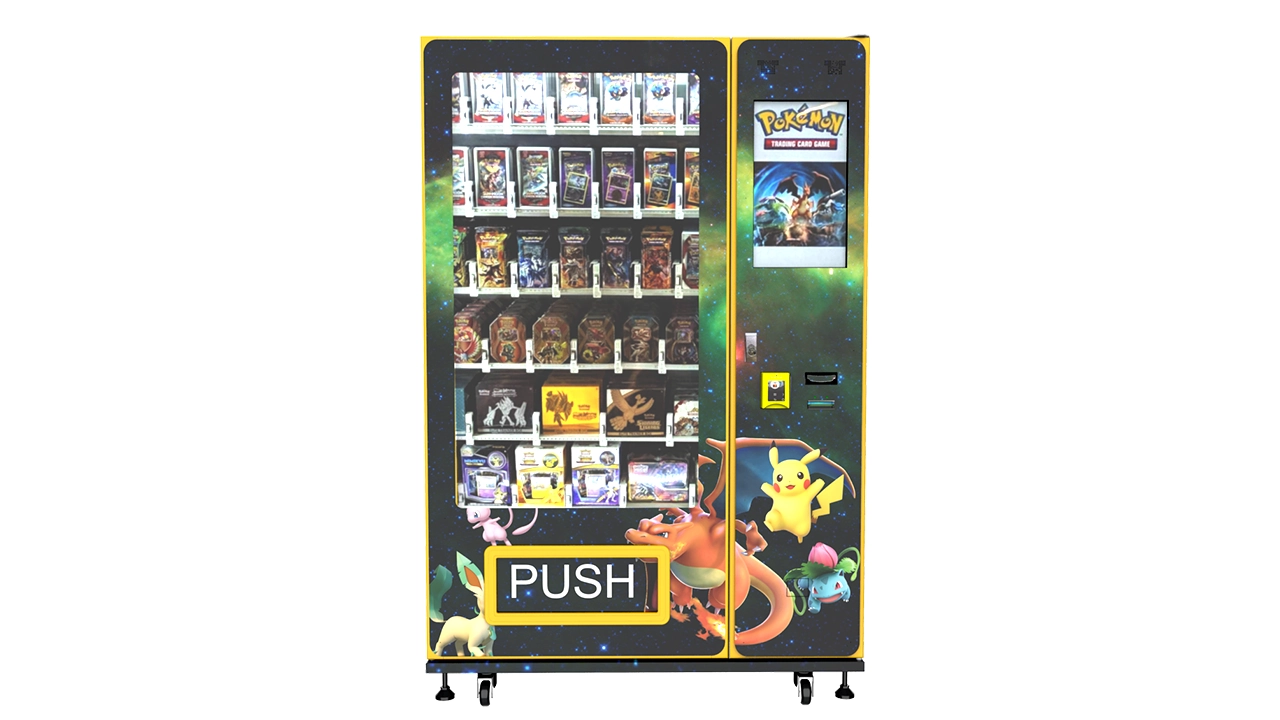
When evaluating a potential location, I look for three things. First, does the existing business have a customer base that overlaps with trading card buyers? Hobby shops, comic book stores, video game retailers, and even certain barcades are ideal. Second, are the business hours compatible with your target audience? A machine outside a store that closes at 6 PM will miss the evening crowd. Third, is there enough foot traffic to generate at least 30 to 50 transactions per week? I estimate that a healthy card machine needs roughly 100 to 200 visitors per day to the host location to achieve that volume.
I also recommend negotiating a trial period. Most location owners will agree to a 30-day trial to see if the machine generates enough sales to justify the space. If it does not, you can move it without a long-term commitment. This has saved me from several bad placements. Do not be afraid to walk away from a location that will not give you a trial period—there are plenty of other spots.
Equipment Selection: What to Look For and What to Avoid
The market for trading card vending machines has grown quickly, and that means there are a lot of options, some good and some questionable. Based on my experience, the most important feature is the dispensing mechanism. Cards are thin, and they can easily jam if the machine is not designed specifically for them. Look for a machine with a spiral or gravity-fed system that has been tested with card packaging. I have seen machines that work fine for snacks but fail miserably with booster packs.
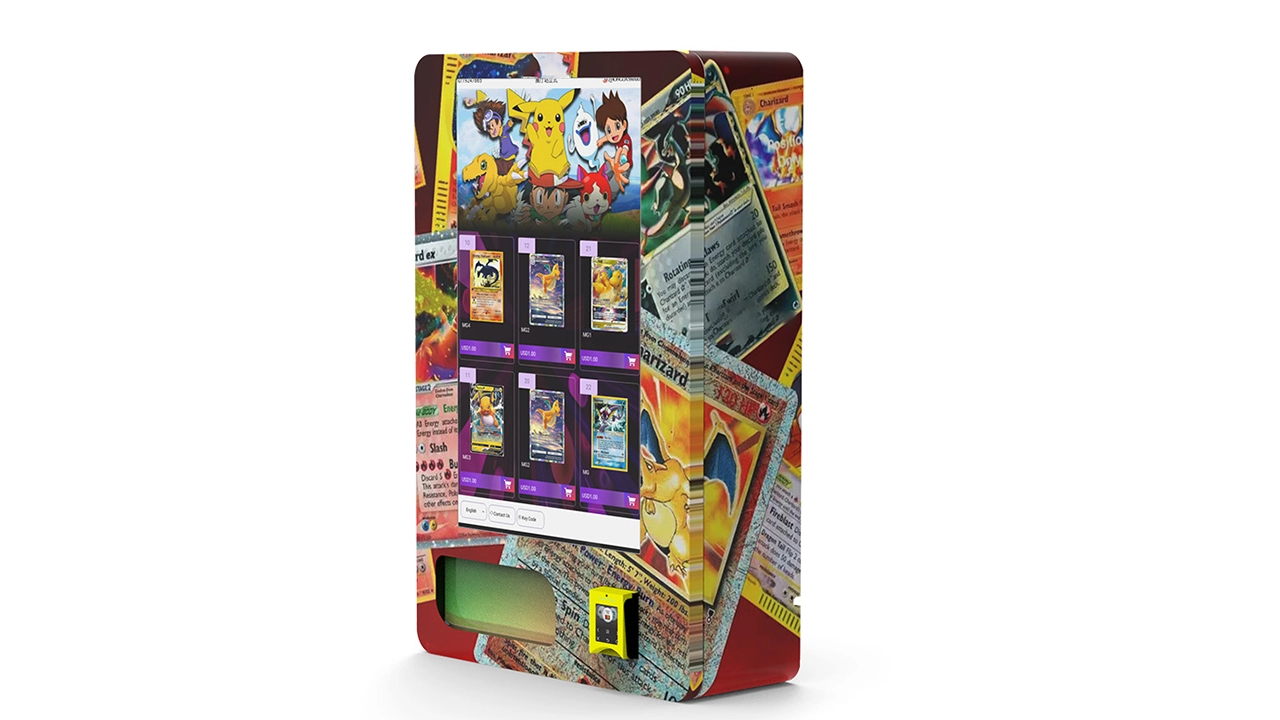
The payment system is the second most critical component. It must accept all major credit cards, contactless payments, and ideally mobile wallets like Apple Pay and Google Pay. I also recommend a machine with a remote monitoring system so you can check inventory levels and sales data without visiting the location. This feature alone has saved me hours of unnecessary trips and has helped me restock before items sell out.
Security is another non-negotiable. Trading cards are small and valuable, making them a target for theft. Look for machines with reinforced glass, tamper-proof locks, and possibly an alarm system. I have had one attempted break-in at a location with a cheap machine, and the damage cost me $400 to repair. Since then, I only buy machines with a solid steel frame and a high-security lock.
When I first started, I bought a used machine from a local operator who was getting out of the business. It was cheap, but it broke down constantly. The card reader was outdated, the dispenser jammed weekly, and the screen was dim and hard to read. I spent more on repairs in six months than I would have on a new machine. That experience taught me to prioritize reliability over upfront savings. If you are considering a used machine, factor in the cost of replacing the payment system and any worn mechanical parts.
New vs. Refurbished: My Honest Take
For a first-time operator, I generally recommend buying a new machine from a reputable manufacturer. The upfront cost is higher, but you get a warranty, technical support, and a machine that is less likely to fail in the critical first year. I have worked with several manufacturers, and I have found that Zhongda Smart offers a solid balance of price and reliability, particularly their freestanding models with touchscreen interfaces. Their machines have held up well in my routes, and their customer support has been responsive when I had questions about configuration.
That said, refurbished machines can be a good option if you are experienced and willing to do some maintenance yourself. I have bought two refurbished units from a local dealer, and both have been fine after I replaced the payment terminals. The key is to inspect the machine thoroughly before buying and to ask for a warranty, even if it is just 30 days. If the seller will not offer any warranty, walk away.
Inventory Management: The Real Key to Profits
You can have the best machine in the world, but if you stock the wrong products, you will fail. The trading card market is driven by trends. Pokémon, Yu-Gi-Oh!, Magic: The Gathering, and sports cards all have their own cycles, and what sells well this month might sit for months next season. I have learned to keep a diversified inventory, but I also pay close attention to what is being discussed in online forums and local playgroups.
My rule of thumb is to allocate 60% of my inventory to established, steady sellers like current Pokémon sets and standard-format Yu-Gi-Oh! packs. The remaining 40% goes to speculative products—new releases, special editions, and items that have a strong secondary market. This mix gives me stable revenue while allowing me to capture spikes when a new set drops. I have seen a single new Pokémon set drive $1,500 in sales in a week, but I have also seen sets that flopped and sat for months.
Restocking frequency depends on your sales volume. For a machine doing $2,000 per month, I visit every two weeks. For a high-volume machine doing $4,000, I visit weekly. Each visit takes about an hour, and I use the remote monitoring data to know exactly what needs refilling before I arrive. This reduces my labor costs and minimizes the risk of empty slots, which are lost sales.
Data tracking is essential. I keep a simple spreadsheet with sales by SKU, restock dates, and profit margins. After a few months, patterns emerge. I have learned that certain products sell better in certain locations—sports cards do well in bars and venues with an older crowd, while Pokémon sells better in family-oriented locations. Adjust your inventory based on what the data tells you, not on what you personally think is cool.
Payment Systems and the Cashless Experience
I mentioned earlier that cashless is mandatory, but let me go deeper into why and how to choose the right payment setup. The modern collector expects a seamless transaction. They want to tap their phone, grab their pack, and go. If your machine has a clunky interface or takes more than ten seconds to process a payment, you will lose sales. I have personally watched customers walk away from a machine that had a slow card reader.
The best systems use a dedicated card reader that is integrated with a telemetry unit. This allows you to accept contactless payments, track sales in real time, and even adjust prices remotely. Some machines now offer dynamic pricing, which can be useful if you want to discount slow-moving items or raise prices on hot products. I have used this feature sparingly, but it is nice to have the option.
Another consideration is the user interface. A 32-inch touchscreen machine allows for product images, descriptions, and even video content. This can significantly increase the perceived value of the items and reduce the need for a physical sign. I have a machine with a touchscreen that displays the latest set releases and a short video loop of pack openings. It creates a more engaging experience and has noticeably reduced the number of customers who stand in front of the machine confused.
However, do not underestimate the importance of a reliable internet connection. The payment system needs connectivity to process transactions. If the location has poor Wi-Fi, you will need a machine with a built-in cellular modem, which adds a small monthly data cost. I have one location in a basement-level game store where the Wi-Fi was spotty, and I had to switch to a cellular plan. It costs me $15 per month, but it is worth it to avoid failed transactions.
Maintenance and Repair: What to Expect
No matter how good your machine is, it will eventually need maintenance. The most common issue I encounter is a jammed dispenser, usually caused by a slightly bent card pack or a customer trying to force a product out. Most jams can be cleared in a few minutes with a screwdriver and some patience. I always carry a small toolkit and spare parts when I visit my machines.
Payment system failures are less common but more serious. If the card reader goes down, you are effectively out of business until it is fixed. I always have a spare card reader on hand, and I have learned to swap one out in about fifteen minutes. If you are not comfortable with this level of DIY, you need to have a reliable vending machine repair technician on call. I have a local tech who charges $75 per hour, and he has saved me several times.
Software updates are another consideration. Many modern machines run on Android or a custom Linux system, and they need periodic updates to fix bugs and add features. I set aside an hour every couple of months to check for updates and test the machine's functionality. This proactive approach has prevented many small issues from becoming major problems.
Preventive maintenance is cheaper than reactive repairs. I clean the card readers monthly, lubricate the dispensing mechanism every quarter, and inspect the locking system for signs of tampering. These simple steps have extended the life of my machines significantly. A well-maintained machine should last five to seven years, while a neglected one might only last two.
Financial Projections and Return on Investment
I cannot give you a guarantee, but I can share realistic numbers based on my own operations and those of other operators I know. A typical trading card vending machine in a good location will generate between $1,500 and $3,000 in monthly gross sales. The gross profit margin on trading cards is usually between 30% and 45%, depending on how aggressively you price your products and whether you are buying at wholesale or retail.
Let me walk you through a realistic scenario. Suppose you buy a freestanding machine for $9,000 and spend $3,000 on initial inventory. Your total startup cost is $12,000. If the machine does $2,500 in monthly sales with a 40% margin, you are making $1,000 in gross profit per month. From that, subtract rent ($150), payment processing fees ($75), and maintenance ($50). That leaves you with $725 in net profit per month. At that rate, you will pay off your initial investment in about 16 months. That is a reasonable timeline, and many operators do better.
However, I have also seen operators who took 24 months or longer to break even because they chose poor locations or overpaid for equipment. The variables are significant. A machine in a high-traffic mall might do $4,000 per month, but the rent might be $500, and the commission might be 20%. A wall-mounted unit in a small shop might only do $800 per month, but the rent is only $50, and the margins are higher. You need to calculate your own break-even point before you commit.
One piece of data that might surprise you: a 2023 report from IBISWorld indicates that the vending machine industry in the US has an average annual revenue growth of about 2.1%, but the niche segment of specialized vending, including card machines, is growing faster due to the popularity of collectibles. This aligns with what I see on the ground—the demand is there, but the supply of good machines and good locations is still catching up.
Common Mistakes and Lessons from My Failures
I want to share a specific failure that taught me a lot. Early in my career, I placed a machine in a large grocery store. The foot traffic was enormous—thousands of people per day. I thought it would be a goldmine. But I failed to consider the customer demographics. The typical grocery shopper was not a trading card collector. They were busy parents grabbing milk and bread, not looking to buy a $10 booster pack. The machine sat mostly untouched for three months, and I eventually moved it to a game store, where it started performing well. The lesson was clear: traffic volume does not equal traffic quality.
Another mistake I made was overstocking on a new set that I was personally excited about. I bought heavily into a new Magic: The Gathering set, thinking it would be a hit. It was not. I was stuck with $1,200 of inventory that took six months to sell at a discount. That taught me to be more disciplined about my personal biases and to rely on data and market research instead of my own enthusiasm.
I have also seen operators fail because they did not invest in a quality machine. They bought a cheap model to save money, and it broke down constantly. The repair costs, lost sales, and frustration far exceeded the upfront savings. If you are serious about this business, buy quality equipment from a reputable supplier. I have had good experiences with Zhongda Smart, but there are other reliable manufacturers as well. Do your due diligence, read reviews, and ask for references.
Finally, do not underestimate the importance of customer service. If a customer has a problem with a purchase—a damaged pack, a wrong item, a failed transaction—they will not call the manufacturer. They will call you, or they will complain to the location owner. You need a system for handling these issues quickly and fairly. I keep a small inventory of replacement packs in my car, and I have a simple policy: if there is a legitimate issue, I replace the product at no charge. This builds trust and encourages repeat business.
Self-Operated vs. Leased vs. Revenue Share
There are three main ways to run a card vending machine business: you own and operate the machines yourself, you lease machines from a provider, or you enter a revenue-sharing agreement with a location. Each model has its pros and cons, and the right choice depends on your capital, your time, and your risk tolerance.
Self-operated is the most common for serious operators. You buy the machine, find the location, handle the inventory, and keep all the profits (minus location rent or commission). This gives you the most control and the highest potential return, but it also requires the most work and capital. I started this way, and I still prefer it for my main routes.
Leasing is a good option if you want to test the waters without a large upfront investment. You pay a monthly fee, typically $200 to $400, and the leasing company provides the machine and sometimes the maintenance. However, you still need to source the inventory and find the location. The downside is that you are paying a premium for the machine, and you have less control over its maintenance and features. I have never leased, but I know operators who have, and it can work if you do not have the capital for a purchase.
Revenue sharing is common when you partner with a location that has its own card inventory or wants a cut of the sales. In this model, the location provides the space, and sometimes the inventory, and you split the net revenue. I have one location where the store owner supplies the cards, and I provide the machine and handle maintenance. We split the profit 50/50. This works well because the store owner has better insight into what local customers want, and we share the risk.
Legal and Regulatory Considerations
You might think that vending is a simple business, but there are legal requirements you need to be aware of. In the US, you will need a business license and a seller's permit in most states. You will also need to collect and remit sales tax on your transactions, which can be done through your payment processor or by filing with the state. I use a service that automates sales tax filing, which saves me a lot of headaches.
If you are operating in the European Union, the rules are different. You will need to comply with the EU's VAT regulations, and you may need to register for VAT in each country where you operate. The payment system must also comply with the Revised Payment Services Directive (PSD2), which means strong customer authentication for online and contactless payments. I have not operated in Europe, but I have spoken with operators who do, and they emphasize the importance of working with a payment processor that is already set up for EU compliance.
There are also liability issues to consider. If someone buys a product from your machine and has an allergic reaction or a safety issue, you could be held liable. While trading cards are not food, you should still have a basic liability insurance policy. The cost is usually $300 to $600 per year for a small vending operation, and it is worth the peace of mind. According to the U.S. Small Business Administration, liability insurance is a standard requirement for any retail operation, and vending is no exception.
Finally, be aware of any local zoning laws. Some municipalities have restrictions on where vending machines can be placed, especially if they are outside or in public spaces. I always check with the local business development office before signing a location agreement. It is a small step that can prevent a lot of trouble later.
Choosing a Supplier: Questions to Ask
When you start shopping for a trading card vending machine, you will encounter many suppliers. Some are established manufacturers, and others are just resellers. I recommend asking these five questions before you commit to any purchase:
- What is the warranty, and what does it cover? A good warranty should cover the dispenser, the payment system, and the control board for at least one year.
- Can you provide references from other operators? A reputable supplier should have no problem connecting you with customers who are willing to share their experiences.
- What is the lead time for delivery and installation? You do not want to pay for a location and then wait two months for your machine to arrive.
- Are replacement parts and technical support available locally? If you are in the US, you want a supplier with a US-based support team or a fast shipping time for parts.
- Does the machine support remote monitoring and cashless payments out of the box? If not, you will need to purchase additional components, which adds to the cost.
I have worked with Zhongda Smart on several machines, and they have been reliable. Their customer support team is based in China, but they have US distributors who handle service and parts. The machines themselves are well-built, and the touchscreen interface is intuitive. However, I always recommend doing a video call with the supplier to see the machine in action before you buy. This helps you verify the quality and ask specific questions about the dispensing mechanism.
FAQ
Are trading card vending machines profitable?
Yes, they can be profitable, but not automatically. A well-placed, well-stocked machine can generate $1,500 to $3,000 in monthly sales with a 30% to 45% gross margin. Your net profit depends on location rent, payment fees, maintenance, and your own labor. Many operators see a return on investment within 12 to 18 months.
How much does a trading card vending machine cost?
New machines typically cost between $6,000 and $18,000, depending on size, screen, and features. Wall-mounted units start around $3,500, while full-size touchscreen models can exceed $15,000. Refurbished machines are available for $2,000 to $5,000, but they come with higher maintenance risk.
How long does it take to break even?
Based on my experience, a realistic break-even period is 12 to 24 months. A machine doing $2,500 in monthly sales with a 40% margin will generate around $1,000 in gross profit. After deducting rent, fees, and maintenance, you might net $700 to $800 per month, which means a $12,000 investment pays back in about 16 months.
Should a beginner buy or lease a machine?
If you have the capital, buying is usually better because you build equity and have full control. If you want to test the market with less risk, leasing is a viable option. Leasing costs $200 to $400 per month, and you can often upgrade to a purchase later.
Where is the best place to put a card vending machine?
Look for locations where collectors already gather: hobby shops, comic book stores, game cafes, and entertainment venues. You need at least 100 to 200 visitors per day to the host location, and the customer base should match your product mix. Avoid generic retail like grocery stores unless you have a proven demand.
What permits or licenses do I need?
In the US, you need a business license and a seller's permit in most states. You must collect and remit sales tax. Liability insurance is highly recommended. In the EU, you need to comply with VAT and PSD2 payment regulations. Check local zoning laws before placing any machine.
How do I choose a reliable supplier?
Ask for references, check the warranty, and verify that replacement parts are available. Look for a supplier with a US or EU support presence. I have had good results with Zhongda Smart, but always do your own due diligence and request a video demonstration.
What happens if the machine breaks down?
Most issues are minor, like a jammed dispenser, and can be fixed on-site with basic tools. For payment system failures, you may need a spare card reader. If you are not comfortable with DIY repairs, have a local vending machine repair technician on call. Preventive maintenance is the best way to avoid downtime.
How can I reduce restocking and maintenance costs?
Use a machine with remote monitoring so you only visit when items are low. Keep a diverse inventory to avoid stale stock. Perform monthly cleaning and quarterly mechanical checks. Buy quality equipment to reduce the frequency of repairs.
Final Thoughts from the Field
Running a cashless trading card vending machine business is not the easiest way to make money, but it can be one of the most rewarding if you do it right. The key is to treat it like a real business: research your locations, invest in reliable equipment, manage your inventory with data, and be prepared to adapt when things do not go as planned. I have made mistakes, and I have learned from them. I hope this guide helps you avoid the same pitfalls and build a route that generates consistent, legitimate profit.
Remember that every location is different, and what works for one operator might not work for you. Start small, track everything, and scale up only when you have proven that the model works in your market. If you have specific questions about your situation, do not hesitate to reach out to other operators in the community—most of us are happy to share what we have learned.
This article is based on my personal experience and industry knowledge. Figures are estimates and may vary. Always conduct your own market research and financial analysis before making any investment.