If you’re looking into a basketball card vending machine as a business, the first question you probably want answered is whether it actually makes money. The honest answer is yes, but only if you treat it like a retail location, not like a novelty arcade game. I’ve been in the vending industry for over a decade, and I’ve seen card machines generate $2,000 a month in foot-traffic-heavy locations and collect dust in the wrong ones. The difference comes down to placement, product mix, and how quickly you respond to sales data. This guide covers the real costs, break-even timelines, and operational traps I’ve learned the hard way, so you can decide if this automated retail niche fits your goals.
Why Basketball Card Vending Machines Are a Different Beast
Traditional snack and soda machines sell consumables that people buy out of habit. A trading card vending machine sells discretionary items driven by nostalgia, speculation, and collector urgency. That changes everything about how you stock it, where you place it, and how often you check on it.
When I first placed a card machine in a suburban bowling alley, I assumed the foot traffic would carry the business. It didn’t. The crowd was families with kids, but the spending pattern was wrong—they wanted a quick snack, not a $20 pack of basketball cards. The machine sat there for six weeks before I moved it to a comic book shop near a college campus. That location did triple the revenue within a month.
The lesson is simple: you’re not selling a product, you’re selling a purchase moment. The right location makes that moment happen naturally. The wrong one, no matter how many people walk past, will just eat your rent.
What a Basketball Card Vending Machine Actually Costs
Let’s talk numbers, because there’s a lot of misinformation out there about how cheap this business is to start. A new, purpose-built trading card vending machine from a reputable manufacturer like Zhongda Smart typically runs between $6,000 and $15,000 depending on configuration. That price range covers the basics: a secure cabinet, a card dispensing mechanism, a payment system, and a display screen.
If you want a larger unit with a 32-inch touchscreen, better lighting, and the ability to hold more SKUs, expect to pay toward the higher end. I’ve also seen wall-mounted card vending machines that cost less—around $4,000 to $7,000—but they hold far less inventory and require more frequent restocking. That trade-off matters more than people think.
Here’s a rough breakdown of what I’ve seen in real deployments, not just manufacturer claims:
| Machine Type | Initial Cost (USD) | Inventory Capacity | Typical Monthly Revenue | Break-Even Window |
|---|---|---|---|---|
| Wall-mounted card machine | $4,000–$7,000 | 100–200 packs | $300–$800 | 8–14 months |
| Standard floor model | $8,000–$12,000 | 300–500 packs | $800–$2,000 | 6–12 months |
| Large touchscreen model | $12,000–$15,000 | 500–800 packs | $1,500–$3,500 | 6–10 months |
These figures come from my own operation and conversations with other operators in the U.S. and Europe. They’re not guarantees. Rent, local demand, and product margins swing the numbers significantly. But they give you a realistic starting point rather than the “make $5,000 a month from day one” nonsense you see online.
Startup Costs Beyond the Machine
The machine itself is only half the story. You need inventory, and trading cards are not cheap to stock upfront. A solid initial inventory of basketball cards—mix of retail packs, hobby boxes, and some single cards—can easily cost $3,000 to $8,000 depending on how deep you want to go.
You also need to budget for installation, shipping, and possibly a small electrical upgrade if the location doesn’t have a convenient outlet. Shipping a full-size card vending machine across the country can run $300 to $800. Installation and setup, if you’re not handy, might add another $200 to $500.
Don’t forget payment processing fees. Most card machines now accept credit cards, mobile payments, and sometimes cash. The processing fees eat about 2.5% to 3.5% of every transaction. On a $20 pack of cards, that’s $0.50 to $0.70 gone before you pay for inventory and rent.
I’ve seen new operators ignore these smaller costs and then panic when their profit margin is thinner than expected. Budget for them from day one, and you won’t be surprised.
Choosing the Right Card Vending Machine
Not all card vending machines are built the same. The cheapest option might save you money upfront, but if it jams every other day, you’ll lose more in service calls and lost sales than you saved. I learned this with a budget machine that had a flimsy dispensing wheel. It worked fine for the first few weeks, then started misfeeding packs. I spent more time driving to the location than I did making money.
Here’s what I look for now when evaluating a machine:
- Dispensing mechanism reliability: Look for a unit with a proven track record. Ask the manufacturer for references or videos of the machine in operation.
- Security features: Card machines are targets for theft because the inventory is high-value and compact. Reinforced doors, locking mechanisms, and tamper alarms are non-negotiable.
- Payment system flexibility: Make sure the machine accepts major credit cards, mobile wallets, and ideally cash. Some locations have a customer base that still pays with bills.
- Remote monitoring: This is a game-changer. Machines that let you check inventory levels and sales data remotely save you hours of unnecessary trips. I wouldn’t buy a machine without this feature now.
- Serviceability: Can you replace parts easily, or do you have to ship the whole unit back? Ask about spare parts availability before you commit.
I’ve worked with Zhongda Smart on a couple of units, and their machines hold up well in terms of build quality and the touchscreen interface. They’re not the cheapest, but they’re reliable, and that matters more in this business. For a deeper look at specific models, you can check this trading card vending machine overview that breaks down the options available.
Where to Place a Basketball Card Vending Machine
Location is the single biggest factor in whether your card vending machine makes money. I can’t stress this enough. I’ve seen identical machines in two locations within the same city—one doing $1,500 a month, the other barely breaking $200.
The best locations I’ve found are places where collectors already gather or where people have time to browse. Comic book shops, hobby stores, card shops, and game stores are obvious choices. But don’t overlook laundromats, gyms, and college student centers. The key is that the foot traffic has to match your buyer profile—people with disposable income and an interest in sports or collectibles.
I’ve also had success with a wall-mounted card vending machine in a busy barbershop. The owner loved it because it gave customers something to look at while waiting. I loved it because the wait time meant people actually read the product displays and made impulse buys. That’s a win-win scenario that you won’t find in a typical mall or grocery store.
Before you sign any placement agreement, spend a few hours at the location. Watch the flow of people, note the age range, and see if anyone lingers near existing vending machines. If people don’t stop, they won’t buy cards either. For more insights on evaluating locations, this site selection guide is worth reading.
Revenue Potential and Profit Margins
Let’s talk about what you can realistically expect to earn. In my experience, a well-placed basketball card vending machine generates between $800 and $2,500 per month in gross sales. The wide range depends on location, product selection, and how often you refresh the inventory.
Profit margins on trading cards are not as high as you might think. Retail packs that sell for $10 to $20 might have a wholesale cost of $6 to $12, leaving a gross margin of around 30% to 40%. Hobby boxes, which can sell for $100 to $300, have similar margins but take up more space and turn over slower.
Your net profit after rent, payment processing, and maintenance is usually 15% to 25% of gross sales. So a machine doing $1,500 a month might net you $250 to $375. That’s not life-changing money, but it adds up if you have multiple machines or place them in high-traffic locations.
One thing I’ve learned is that single cards and specialty packs often have better margins than standard retail packs. They’re also a differentiator—your machine becomes the place to get that rare card without waiting for shipping. If you can source singles or niche products at good prices, your margins can push toward 50%.
Real-World Failure Case: The Mall Kiosk Mistake
I want to share a failure that taught me a lot about this business. A few years ago, I placed a card vending machine in a regional mall near a movie theater. The foot traffic was huge—thousands of people a day. I assumed it would be a goldmine.
It wasn’t. The machine sat there for two months, averaging maybe $150 a month in sales. The problem was that mall shoppers were in a different mindset. They were there for clothes, food, and entertainment, not to browse sports cards. The few people who did stop were mostly kids who didn’t have enough money for a pack.
I ended up moving the machine to a local sports memorabilia shop that had a loyal following of collectors. Within three weeks, it was doing more than the mall machine did in a month. The lesson was painful but clear: high foot traffic doesn’t mean the right foot traffic.
If you’re evaluating a location, don’t just count people. Look at how they behave. Do they stop and look at things? Do they linger? Are they the kind of people who would spend $20 on a pack of cards on a whim? If you can’t answer yes to those questions, keep looking.
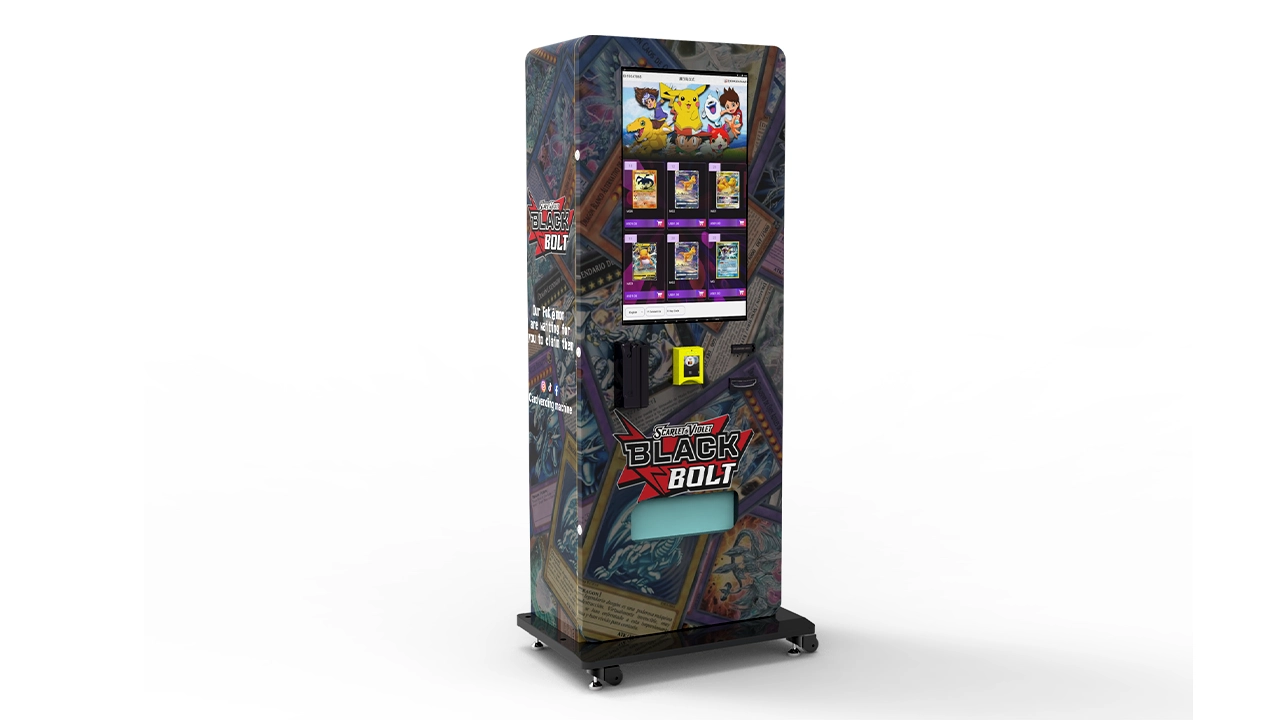
Real-World Success Case: The College Town Play
On the flip side, one of my best-performing machines is in a small comic book and game shop near a state university. The owner had a loyal customer base of students and young adults who were already into collectible card games and sports memorabilia.
I placed a standard floor model with a 32-inch touchscreen that displayed the available products in a visually appealing way. The machine became a talking point in the store. Customers would come in to check what new stock was loaded, and the store owner promoted it as a “mystery box” experience because you never knew what you’d get.
That machine consistently does $1,800 to $2,200 a month. The key was that the location already had the right audience. The machine wasn’t creating demand; it was capturing demand that already existed. That’s the difference between a successful placement and a money pit.
If you’re considering a similar setup, look for locations where collectors already spend time. This guide to high-performing card vending machine locations has more detail on what to look for.
Maintenance and Repair: What You Need to Know
Card vending machines are not maintenance-free. The dispensing mechanism can jam, the payment system can glitch, and the screen can freeze. In my experience, you’ll deal with some kind of issue every 4 to 6 weeks. It’s rarely major, but it always happens when you least expect it.
Basic maintenance includes cleaning the sensors, checking the card dispensing wheels for wear, and making sure the payment system is updated. You should also monitor the machine’s internal temperature if it’s in a location with extreme heat or cold, as cards can warp or stick together.
For minor issues, you can often fix them yourself with basic tools and a spare parts kit. I always keep a few extra dispensing wheels and sensors on hand. That saves me from waiting days for a replacement part.
For major issues, you’ll need a technician. Depending on where you are, a service call can cost $75 to $150 per hour, plus parts. That’s why I recommend buying from a manufacturer that has a responsive support team and readily available spare parts. Zhongda Smart, for example, has been good about shipping parts quickly, which keeps downtime to a minimum.
If you’re not handy, you might want to look for a machine with a simpler design. Some of the newer models have modular components that are easier to swap out. This troubleshooting and maintenance guide covers common issues and how to address them.
Restocking and Inventory Management
Restocking is where you either make or lose money. If you visit too often, you’re wasting gas and time. If you don’t visit enough, you’re losing sales because popular products are sold out.
In my experience, a card vending machine needs restocking every 1 to 2 weeks, depending on sales volume. High-traffic locations might need weekly visits, while slower ones can go two weeks. The key is to track what sells and adjust your inventory accordingly.
Here’s what I’ve learned about inventory management:
- Track velocity: Know which products sell out first and which ones sit. Use the machine’s sales data to make decisions, not your gut feeling.
- Don’t overstock slow movers: It’s tempting to fill every slot, but if a product hasn’t sold in a month, it’s just tying up your cash. Replace it with something else.
- Rotate products regularly: New releases and seasonal products (like NBA playoffs) drive sales. Keep your machine fresh to keep customers coming back.
- Keep a buffer stock: I always keep a small inventory of top sellers in my car or at home so I can restock on the go without an extra trip.
Inventory shrinkage is another issue. Cards can get stuck, damaged, or stolen. I’ve had machines where a few packs mysteriously disappeared because of a jammed mechanism. Factor in a 2% to 5% shrinkage rate when calculating your margins.
Payment Systems and the Customer Experience
The payment system is the face of your machine. If it’s slow, confusing, or doesn’t accept the payment method a customer wants, you lose the sale. In the U.S., I’d say 70% of card machine transactions are by credit or debit card, 20% by mobile payment, and 10% by cash. That mix shifts in Europe, where mobile payments like Apple Pay and Google Pay are more common.
Make sure your machine supports contactless payments. The pandemic changed consumer behavior, and many people don’t want to touch a keypad. Contactless transactions are also faster, which matters when someone is deciding whether to buy a pack on a whim.
Some machines also allow you to set up a loyalty program or offer discounts on bulk purchases. This can increase the average transaction value. I’ve seen operators use a “buy 5 packs, get 1 free” system that encourages repeat visits. It’s not a huge margin boost, but it builds a customer base.
One thing I always check is the user interface. If the screen is cluttered or hard to navigate, customers will walk away. The best machines have a clean, intuitive display that shows product images, prices, and a simple selection process. This review of a 32-inch touchscreen card vending machine goes into more detail on what to look for in a user interface.
Legal Requirements and Permits
Before you place a machine, you need to check local regulations. In the U.S., vending machines are generally considered retail establishments, which means you may need a business license, a seller’s permit, and possibly a food handling permit if you also sell snacks or drinks. For card machines, the requirements are usually simpler, but don’t assume—check with your local city or county clerk.
In the EU, regulations vary by country. Some countries require you to register as a business and collect VAT, while others have specific rules about automated retail. The European Commission’s SME portal is a good starting point for understanding the requirements in your country.
You also need to consider tax implications. In the U.S., the IRS requires you to report all income, including from vending machines. The U.S. Small Business Administration has a useful guide on getting a tax ID and understanding your obligations.
Don’t skip this step. I’ve seen operators get fined for operating without the proper permits, and the fines can eat up months of profit. A quick call to your local licensing office can save you a headache later.
Renting vs. Buying a Card Vending Machine
If you’re new to this business, you might be tempted to lease a machine instead of buying one. Leasing reduces your upfront cost, but it usually comes with higher long-term costs and less flexibility. In my experience, buying is almost always better if you’re serious about the business.
Here’s a quick comparison:
| Factor | Buying | Renting/Leasing |
|---|---|---|
| Upfront cost | High ($6,000–$15,000) | Low (monthly fee) |
| Ownership | You own the asset | You pay for use |
| Long-term cost | Lower after break-even | Higher over time |
| Flexibility | Move or sell anytime | Locked into contract |
| Maintenance | You’re responsible | Often included |
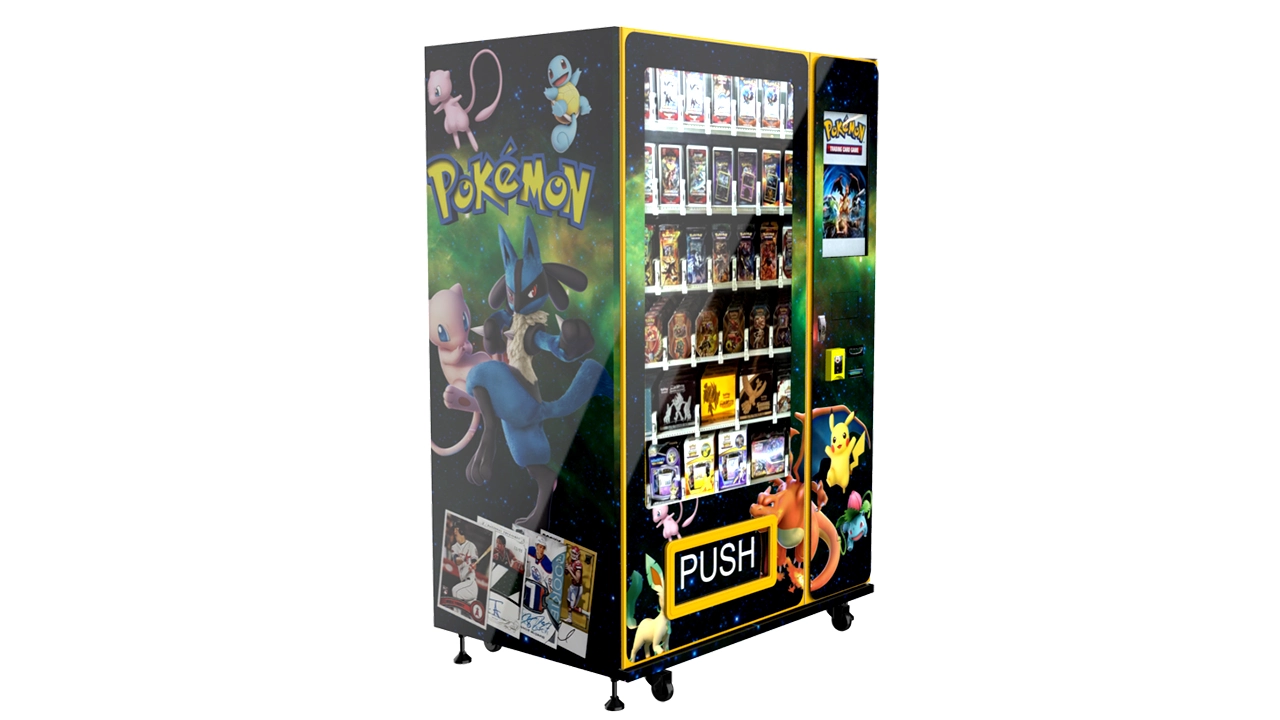
Renting might make sense if you’re testing a location for a few months and don’t want to commit. But the monthly fees add up quickly. A $200 per month lease over 24 months is $4,800—more than half the cost of a new machine. And you have nothing to show for it at the end.
If you’re unsure, try a partnership model. Some location owners are willing to split the revenue in exchange for hosting the machine. That way, you don’t pay rent, and the owner is incentivized to promote the machine. This guide to vending machine partnership models explains how to structure these deals.
Common Mistakes New Operators Make
I’ve been in this industry long enough to see the same mistakes repeated. Here are the most common ones I’ve observed with card vending machines:
- Overpaying for a machine: Some manufacturers charge a premium for features you don’t need. Compare prices from multiple suppliers and ask for a breakdown of costs.
- Ignoring the location’s audience: As I said earlier, foot traffic alone isn’t enough. You need the right kind of foot traffic.
- Underestimating inventory costs: Your machine is only as good as what’s inside it. If you understock, you’ll miss sales.
- Not tracking sales data: If you don’t know what’s selling, you can’t make informed decisions. Use the machine’s remote monitoring features.
- Skimping on maintenance: A broken machine makes no money. Budget for regular maintenance and unexpected repairs.
Another mistake I see is buying a used machine without checking its condition. Used card vending machines can be a good deal, but they can also be a money pit if the dispensing mechanism is worn out. If you’re considering a used unit, ask for maintenance records and test it thoroughly before paying.
Supplier Selection: How to Vet a Manufacturer
Choosing the right supplier is critical. A good manufacturer will stand behind their product and be available when you need help. A bad one will disappear after you pay.
Here’s my checklist for vetting a card vending machine supplier:
- Request references: Ask for contact information of other operators who bought from them. Reach out and ask about their experience.
- Check warranty terms: A standard warranty should cover the machine for at least one year. Make sure you understand what’s included and what’s not.
- Ask about spare parts: Can you buy spare parts directly, or do you have to go through a distributor? How long does it take to ship?
- Test the software: If the machine has a touchscreen and remote monitoring, ask for a demo. Make sure the software is user-friendly and reliable.
- Compare pricing: Don’t just go with the cheapest option. Look at the total cost of ownership, including maintenance and spare parts.
I’ve mentioned Zhongda Smart earlier, and I’ll say this: they’re a solid choice for a first-time buyer because they offer good support and have a track record in the industry. But don’t take my word for it—do your own due diligence. Ask for a video call to see the machine in action and ask about their after-sales support.
Data and Market Trends
The sports card market has seen significant growth in recent years. According to Statista, the global sports trading card market was valued at over $12 billion in 2022 and is projected to grow at a compound annual growth rate of around 5% through 2030. This growth is driven by nostalgia, the rise of online marketplaces, and the increasing popularity of sports memorabilia as an investment.
In the U.S., the hobby is particularly strong. A IBISWorld report on sporting goods retailing shows steady demand for collectible sports items, with consumers spending more on high-end products like hobby boxes and autographed cards.
These trends are good news for card vending machine operators. The demand is there, and automated retail offers a convenient way for collectors to buy cards without waiting for shipping. However, the market is also competitive. You need to differentiate your machine with unique products or a better customer experience.
Is a Basketball Card Vending Machine Worth It?
After all this, you’re probably wondering if it’s worth the time and money. My honest answer is: it depends on your goals. If you’re looking for a passive income stream that requires minimal effort, this isn’t it. Card vending machines require active management, constant monitoring, and a willingness to adapt to changing market trends.
If you’re willing to put in the work, though, it can be a profitable niche. The key is to treat it like a real business, not a side experiment. That means doing your research, choosing the right location, and being prepared to make adjustments when things don’t work.
I’ve made mistakes, and I’ve had successes. The machines that work are the ones where the operator understands the customer, the product, and the location. If you can do that, you’ll find that a basketball card vending machine can be a rewarding addition to your portfolio.
Frequently Asked Questions
Are basketball card vending machines profitable?
Yes, they can be profitable if placed in the right location and stocked with the right products. In my experience, a well-managed machine can generate $800 to $2,500 per month in gross sales, with net profits of 15% to 25%. However, profitability depends heavily on foot traffic quality, product margins, and how often you restock.
How much does a basketball card vending machine cost?
A new machine costs between $6,000 and $15,000, depending on size, features, and manufacturer. Wall-mounted models are cheaper, while large touchscreen units cost more. You’ll also need to budget for inventory, shipping, installation, and payment processing fees.
How long does it take to break even?
Break-even typically takes 6 to 12 months, depending on location and sales volume. A machine in a high-traffic hobby shop might break even in 6 months, while a slower location could take over a year. These are estimates based on my experience, not guarantees.
Should I buy or rent a card vending machine?
Buying is almost always better long-term because you own the asset and avoid ongoing lease fees. Renting might make sense for a short-term test, but the monthly costs add up quickly. A partnership model, where you split revenue with the location owner, is another option to reduce upfront risk.
Where is the best place to put a basketball card vending machine?
The best locations are places where collectors already gather, such as comic book shops, hobby stores, and sports memorabilia shops. College campuses, gyms, and laundromats can also work if the foot traffic matches your buyer profile. Avoid locations with high foot traffic but the wrong audience.
What permits do I need to operate a card vending machine?
In the U.S., you typically need a business license and a seller’s permit. Some states require specific vending machine permits. In the EU, requirements vary by country. Check with your local licensing office or the European Commission’s SME portal for guidance.
How do I choose a vending machine supplier?
Look for a supplier with a good reputation, responsive support, and available spare parts. Ask for references, test the software, and compare pricing. A reliable manufacturer like Zhongda Smart is a good starting point, but always do your own research.
What happens if my machine breaks down?
You’ll need to troubleshoot the issue and either fix it yourself or call a technician. Basic maintenance includes cleaning sensors and checking the dispensing mechanism. Keep spare parts on hand to minimize downtime. For major issues, contact the manufacturer’s support team.
How can I reduce restocking and maintenance costs?
Use remote monitoring to track inventory levels and only visit when needed. Keep a buffer stock of top sellers to avoid extra trips. Regularly clean and inspect the machine to prevent small issues from becoming big ones. Track sales data to avoid overstocking slow-moving products.
Disclaimer: The figures and examples in this article are based on my personal experience in the vending industry and are not guarantees of financial performance. Actual results vary based on location, market conditions, and operational decisions. Always conduct your own research and consult with a financial advisor before making significant business investments.