If you are looking at putting a trading card vending machine into a mall, a card shop, or even a grocery store, the first question is almost always about licensing. The short answer is that you rarely need a special vending machine license to operate, but you absolutely need a general business license, a sales tax permit, and sometimes a local vendor’s permit depending on the city or county. I have been running automated retail operations for over a decade, and I can tell you that the confusion around licensing is one of the biggest reasons new operators freeze up or, worse, skip the paperwork and pay for it later. In this guide, I will break down exactly what you need to legally operate a trading card vending machine business in the US and EU, drawing from real experience and the mistakes I have made along the way.
The Legal Side Is Simpler Than You Think, But Not Optional
When I first started placing card vending machines in 2014, I assumed the hard part was finding locations and sourcing product. I was wrong. The hardest part was understanding that there is no federal vending machine license in the US. Instead, the requirements are layered across federal, state, and local levels. You register your business with the state, get an EIN from the IRS, and then you are mostly dealing with sales tax and local business permits.
The EU is a bit different because each member state has its own rules, but the pattern is similar. You need a business registration, a VAT number if you are selling across borders, and you need to check if your specific location requires a trade license. In Germany, for example, you need a Gewerbeanmeldung, while in France you need to register as an auto-entrepreneur or a formal business entity. The key takeaway is that the vending machine itself does not trigger a special license; the business activity does.
What Happens If You Skip the Permit?
I have seen operators get fined heavily for placing machines without a local vendor permit. One operator I know placed a machine in a shopping center in Texas without checking the city’s mobile vending ordinance. The city classified his machine as a “mobile food unit” because the ordinance was written broadly, and he ended up paying a $1,200 fine plus back taxes. The lesson here is that you need to call the city clerk or the economic development office before you sign any location agreement. Ask them specifically if a self-service kiosk or automated retail unit requires a separate permit beyond a standard business license.
Another thing to consider is that some states require a specific resale certificate or a “seller’s permit” to collect sales tax. If you are selling trading cards, you are selling tangible personal property, so you need to collect sales tax in most jurisdictions. In the EU, you need to register for VAT if your sales exceed the threshold, which is around €10,000 for cross-border sales within the EU. This is not complicated, but it is paperwork that must be done correctly from day one.
Licensing vs. Insurance: What Actually Protects You
Licensing is about being legal, but insurance is about being protected. I have found that many new operators focus all their energy on getting the right permits and completely ignore liability insurance. A trading card vending machine is a physical piece of equipment. If someone trips over it, if a child gets a finger stuck in the dispensing mechanism, or if a card sleeve breaks and damages a valuable card, you are liable. I carry a general liability policy that covers each machine location, and I also have a rider for product liability.
In the US, the Small Business Administration (SBA) has clear guidance on what types of insurance you should consider. They recommend general liability, property insurance, and sometimes business interruption insurance. In the EU, insurance requirements vary by country, but a basic public liability policy is standard. I have seen too many operators think they can rely on the location owner’s insurance, but that is a mistake. The location owner’s policy covers their property, not your machine or your business operations.
Real Costs and Revenue: What I Have Seen Over 10 Years
Let me give you a realistic picture of the numbers, because there is a lot of misinformation out there. A new trading card vending machine with a touchscreen and card dispensing mechanism will cost you between $6,000 and $15,000 depending on the configuration. A basic wall-mounted unit can be as low as $3,500, but you get what you pay for. I have operated both cheap units and premium ones, and the premium units break down far less often.
On the revenue side, a well-placed machine in a hobby shop or a mall can do $1,500 to $4,000 per month in sales. The margin on trading cards is typically 30% to 50% if you are buying wholesale and selling at retail. That means a machine doing $2,000 a month might generate $700 to $1,000 in gross profit. But you have to subtract rent, which can be $100 to $300 per month, plus restocking time and card costs. My experience is that a good location pays for itself in 6 to 12 months, but a bad location can bleed money for years.
According to IBISWorld, the vending machine industry in the US has grown steadily, and the broader automated retail sector is projected to continue expanding as operators move into specialized niches like trading cards. A Statista report from 2023 showed that vending machine revenue in the US exceeded $7 billion, with non-food vending being a growing segment. These numbers align with what I have seen in my own operations, but they also highlight that the market is competitive, so location and product selection matter more than the equipment itself.
The Biggest Mistake: Buying a Machine Before You Have a Location
I made this mistake with my second machine. I bought a premium card vending machine because I got a good deal from a supplier, but I did not have a location secured. I spent three months trying to find a spot, and the machine sat in my garage collecting dust. By the time I found a location, the warranty had already started, and I had lost three months of potential revenue. The lesson is simple: secure your location first, then buy the equipment. This is the single biggest piece of advice I give to anyone entering this business.
Another common mistake is underestimating the importance of foot traffic. A vending machine in a low-traffic area is a storage unit, not a business. I have a simple rule: if the location cannot guarantee at least 500 people passing by per day, I do not even consider it. For trading card machines, the ideal location is a hobby shop, a comic book store, or a mall with a younger demographic. These locations already have the right customer base, so you are not educating people on what the machine is; you are simply meeting existing demand.
Location Evaluation: How I Assess a Potential Spot
When I evaluate a location, I look at three things: foot traffic, dwell time, and existing spending patterns. Foot traffic is obvious, but dwell time is often overlooked. A machine placed near a movie theater or a food court has high foot traffic but low dwell time because people are in a hurry. A machine placed inside a hobby shop has lower foot traffic but high dwell time because people are browsing. In my experience, trading card machines do better in high-dwell-time locations because people need time to browse the selection and make a decision.
I also look at what else is selling in the area. If a location has a vending machine that sells snacks or drinks, that is a good sign because it means the owner understands automated retail. If there are no other vending machines, I ask why. Sometimes it is because the location does not have enough traffic, and sometimes it is because the owner has not been approached by a good operator. I have placed machines in locations where I was the first vending operator, and those have been some of my best performers because I had no competition for the customer’s attention.
Comparing Different Scenarios: What You Should Expect
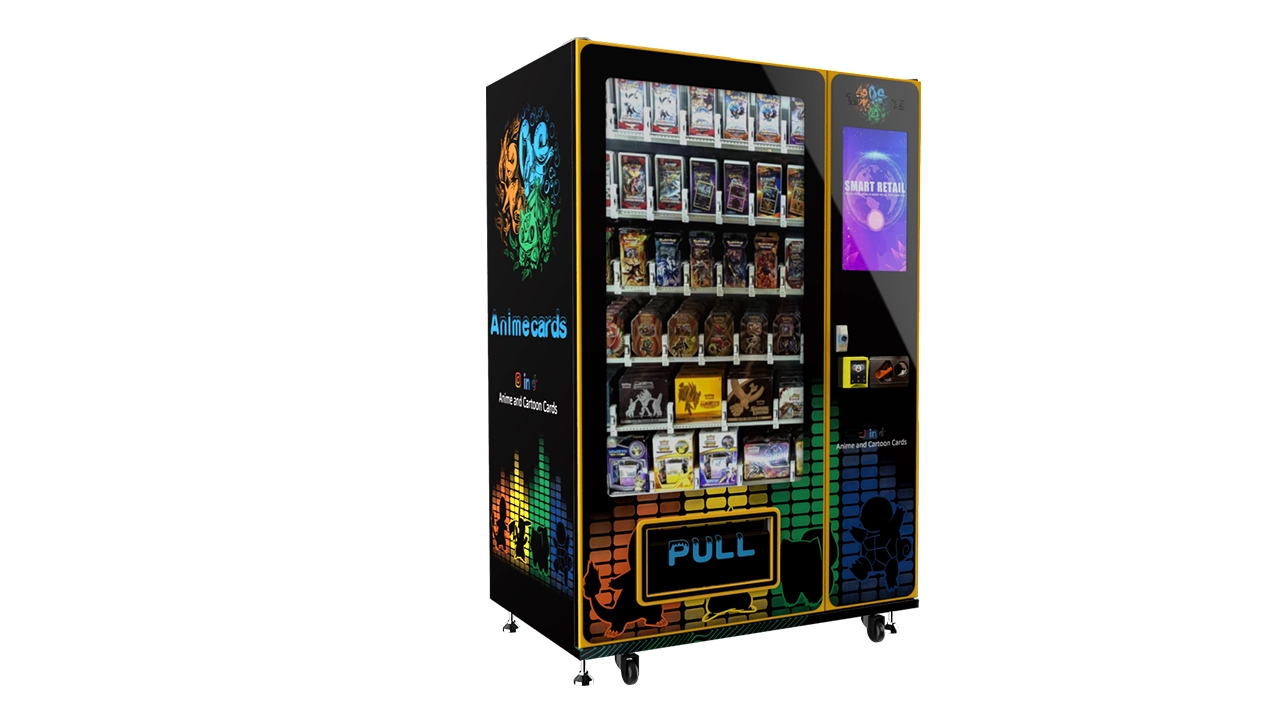
To make this more concrete, here is a table based on my own experience and the experiences of other operators I have worked with. This is not official data; it is a realistic snapshot of what you can expect in different scenarios.
| Scenario | Machine Cost (USD) | Monthly Revenue (USD) | Gross Margin | Payback Period |
|---|---|---|---|---|
| Hobby shop (high traffic) | $10,000 | $2,500 – $4,000 | 40% – 50% | 6 – 9 months |
| Mall kiosk area | $12,000 | $1,500 – $3,000 | 35% – 45% | 9 – 14 months |
| Grocery store entrance | $8,000 | $800 – $1,500 | 30% – 40% | 12 – 18 months |
| Low-traffic location | $7,000 | $300 – $600 | 25% – 35% | 24+ months or never |
This table shows why location is everything. A high-traffic hobby shop can pay back your investment in under a year, while a low-traffic location might never pay back. Do not be seduced by cheap rent or a location that is convenient for you. The machine needs to be convenient for the customer.
Equipment Selection: New, Used, and the Middle Ground
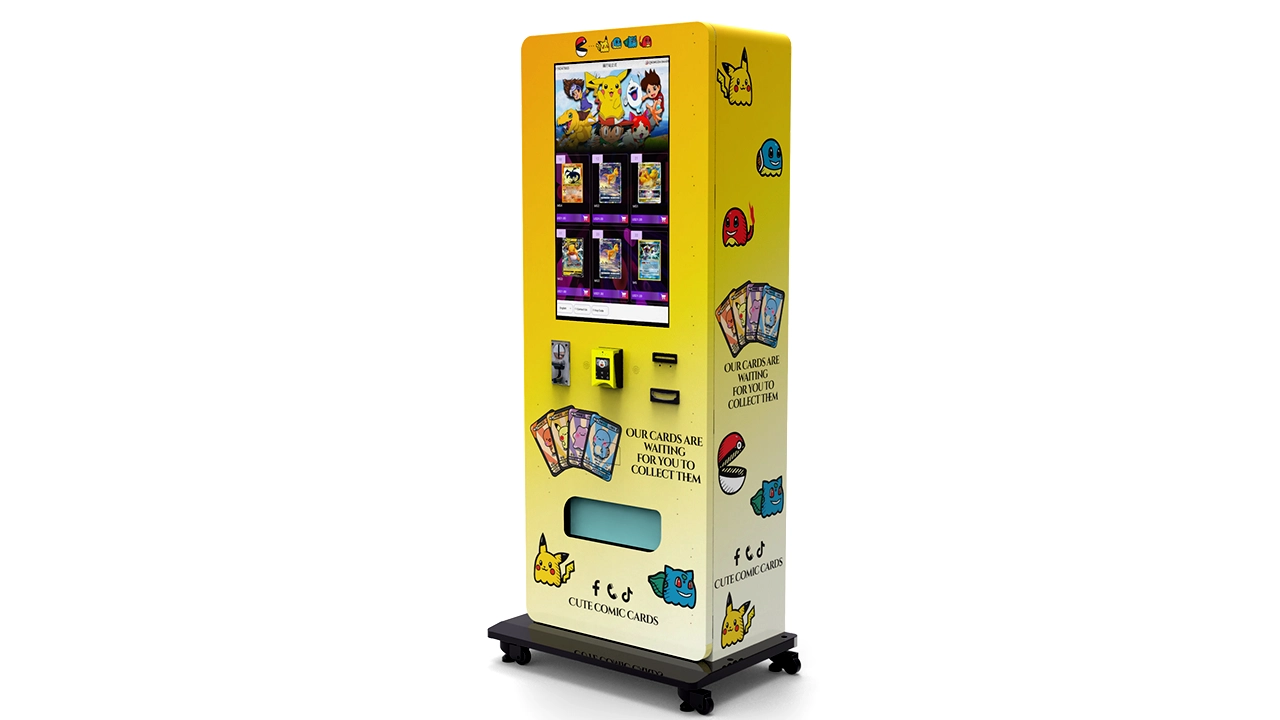
When it comes to equipment, you have three main options: buy new, buy used, or lease. I have done all three, and I can tell you that buying used is a gamble. I bought a used machine once that looked great in photos but had a worn-out dispensing mechanism that jammed every few hundred transactions. I spent more on repairs in the first month than I would have spent on a new machine. If you buy used, you need to test it extensively before you hand over any money.
New machines are expensive, but they come with warranties and reliable components. I have had good experiences with Zhongda Smart, a manufacturer that produces card vending machines with touchscreens and robust dispensing systems. They are not the only option, but they are a solid choice if you are looking for a machine that can handle the wear and tear of a public environment. When you are comparing suppliers, ask about the dispensing mechanism specifically. That is the part that will break first, and it is the part that will cause the most downtime and customer frustration.
Leasing is a middle ground that more operators are exploring. Some suppliers offer lease-to-own programs that lower your upfront cost. I have seen lease terms of $200 to $400 per month for a premium machine. The downside is that you are locked into a contract, and if the location fails, you still have to pay the lease. I only recommend leasing if you have a proven location and you are confident in the revenue projections.
Supplier Screening: What I Look For Before I Buy
The vending machine industry has its fair share of fly-by-night suppliers, especially in the trading card niche. I have learned to screen suppliers by asking three questions. First, what is the warranty on the dispensing mechanism? If they cannot give you a clear answer, walk away. Second, can they ship spare parts quickly? A machine that is down for two weeks waiting for a part is a machine that is losing money. Third, do they have a network of technicians in your region? If you are in the US and the supplier is in China, you need to know who will service the machine when it breaks.
I also look for suppliers who understand the specific challenges of card vending. Cards are thin, they have different sizes, and they are easily damaged if the dispensing mechanism is not designed properly. A good supplier will have tested their machines with real trading cards, not just generic products. Zhongda Smart, for example, has a dedicated line of card vending machines that are designed to handle the specific dimensions and fragility of trading cards. That kind of specialization matters more than a low price.
Restocking and Maintenance: The Daily Grind
Restocking is the part of the business that most people underestimate. A trading card machine needs to be restocked at least once a week, and in high-traffic locations, you might need to restock every two to three days. Each restock takes about 30 to 45 minutes if you are organized. You need to check inventory levels, replace sold-out slots, and clean the glass and touchscreen. If you have ten machines, that is five to seven hours of work per week just for restocking.
Maintenance is another ongoing cost. I budget about 10% of monthly revenue for maintenance and repairs. Some months I spend nothing, and some months I spend $300 on a new dispensing motor. The key is to have a relationship with a local technician who can fix issues quickly. If you are in a rural area, you might need to learn basic repairs yourself. I have replaced more card dispensing motors than I can count, and it is a skill that has saved me thousands of dollars over the years.
Payment Systems and the Unattended Retail Experience
In 2024, a card vending machine without card payment capability is a non-starter. I made this mistake with my first machine, which was cash-only. I lost a significant number of sales because younger customers simply do not carry cash. I upgraded to a machine with a card reader and a QR code payment option, and my sales increased by about 30% within a month. The payment system is not an add-on; it is a core component of the machine.
When you are looking at payment systems, make sure the machine supports contactless payments like Apple Pay and Google Pay. These are the most popular payment methods among the demographic that buys trading cards. You should also consider a machine that integrates with a mobile app, so you can monitor inventory and sales remotely. The data you get from a smart machine is invaluable for making decisions about which cards to stock and when to restock.
Common Mistakes and How to Avoid Them
I have already mentioned the mistake of buying a machine before securing a location, but there are other errors that are just as damaging. One of the biggest is stocking the wrong products. I have seen operators fill their machines with low-value cards that do not sell, while ignoring high-demand products like Pokémon and sports trading cards. You need to research what is selling in your area and adjust your inventory accordingly. Data from your machine will tell you what is popular, but you need to be willing to rotate products based on that data.
Another mistake is ignoring the seasonality of the card market. Trading card sales spike during the holiday season and before major tournament events. You need to plan your inventory and staffing around these peaks. If you run out of stock during a peak season, you are not just losing sales; you are losing customer trust. I have learned to keep a buffer stock of best-selling items and to increase restocking frequency during peak periods.
Data-Driven Adjustments: When to Move a Machine
One of the advantages of modern card vending machines is that they generate data. You can see which products sell, when they sell, and how much revenue you are generating per hour. I review my machine data every week, and I make adjustments based on what I see. If a machine has been underperforming for three consecutive months, I move it. It is that simple. I have moved machines from a mediocre location to a better one, and seen revenue double within a month.
I also use data to decide when to rotate products. If a particular card series is not selling, I discount it or replace it with a new release. The key is to be data-driven, not emotional. I have seen operators hold onto underperforming products because they personally like them. That is a mistake. The machine is there to make money, not to be a personal collection display. You need to be ruthless about cutting underperformers and promoting winners.
EU vs. US: What I Have Learned From Operating in Both Markets
I have operated machines in both the US and the EU, and the differences are significant. In the US, the market is more mature, and there is a larger base of hobby shops and comic book stores that are open to hosting card vending machines. In the EU, the market is growing, but there is more regulatory friction. For example, in France, you need to declare your vending machine income as commercial activity, and the tax rates are higher than in most US states. However, the competition is also lower in the EU, so there are more opportunities for early movers.
In the EU, you also need to be aware of VAT rules for cross-border sales. If you are selling to customers in other EU countries, you need to register for the VAT OSS scheme, which simplifies reporting. According to Eurostat data, the volume of e-commerce and automated retail transactions in the EU has been growing steadily, and the regulatory environment is gradually becoming more favorable for unattended retail. But you need to stay on top of the rules because they change frequently.
Final Thoughts on Licensing and Getting Started
The licensing question is not the biggest challenge in this business, but it is the one that can trip you up if you ignore it. My advice is to spend a day researching your local requirements, register your business, get your sales tax permit, and then move on to the more important work of finding a location and sourcing product. The legal side is a one-time cost of time and a small amount of money, but the operational side is where you will make or lose your investment. If you approach this business with discipline, data, and a willingness to adapt, the trading card vending machine niche can be a solid source of passive income.
Frequently Asked Questions
Are trading card vending machines profitable?
Yes, they can be profitable if placed in the right location and stocked with the right products. In my experience, a well-placed machine can generate $1,500 to $4,000 per month in revenue, with gross margins of 30% to 50%. However, a poorly placed machine can lose money, so location and product selection are critical.
How much does a trading card vending machine cost?
A new machine typically costs between $6,000 and $15,000, depending on the configuration. Wall-mounted units can be as low as $3,500, while premium machines with large touchscreens and advanced dispensing systems cost more. Used machines are cheaper but come with higher repair risks.
How long does it take to recoup the investment?
In a good location, you can recoup your investment in 6 to 12 months. In a mediocre location, it might take 18 months or longer. In a bad location, you might never recoup your investment. I always recommend starting with one machine and testing the market before scaling up.
Should I buy or lease a machine?
If you have a proven location and you are confident in the revenue projections, buying is the better long-term option. Leasing is a good option if you want to lower your upfront cost, but you will be locked into a contract. I recommend buying if you can afford it, because the machine is an asset that retains value.
Where is the best place to put a card vending machine?
The best locations are hobby shops, comic book stores, and malls with a younger demographic. These locations have the right customer base and high dwell time. Avoid low-traffic areas, as they will not generate enough sales to cover your costs.
What licenses do I need to operate a card vending machine?
You need a general business license and a sales tax permit in most jurisdictions. Some cities and counties require a separate vendor’s permit, so you should check with your local government. In the EU, you need a business registration and a VAT number if you are selling across borders.
How do I choose a supplier for my vending machine?
Look for suppliers who have experience with card vending specifically, offer a solid warranty on the dispensing mechanism, and can provide spare parts quickly. Ask about their technician network in your region. Zhongda Smart is one supplier that I have had good experiences with, but you should compare multiple options before making a decision.
What should I do if my machine breaks down?
If your machine breaks down, you need to have a plan in place. I recommend having a local technician who can service the machine quickly, and I also recommend learning basic repairs yourself. A machine that is down for a week is losing money and frustrating customers.
How can I reduce restocking and maintenance costs?
Use a machine with a smart inventory system that tracks sales in real time. This will help you optimize your restocking schedule and avoid overstocking or understocking. Also, choose a machine with durable components to minimize maintenance costs.