If you’ve been watching the automated retail space for any length of time, you’ve probably seen the same question pop up in operator forums and Facebook groups: can one vending machine actually sell Pokemon, sports cards, and TCG products without turning into a logistical nightmare? The short answer is yes, but only if you treat it like a specialty retail business, not a soda route. I’ve spent over a decade placing and servicing card vending machines across the US, and I can tell you that the difference between a machine that prints money and one that collects dust comes down to location, inventory discipline, and knowing exactly what your local buyer pool wants. This guide is built on that experience, not theory.
Why Card Vending Machines Are a Different Beast
Let’s start with the obvious: a trading card vending machine is not a snack machine with a different faceplate. The unit cost per item is higher, the SKU count is smaller, and the customer behavior is completely different. Someone buying a bag of chips decides in ten seconds. Someone buying a booster pack of Pokemon or a blaster box of sports cards will stand there for five minutes, checking the glass, reading the labels, and sometimes scanning the machine for a QR code to research prices on their phone.
That means your machine has to function as a display case, a point-of-sale terminal, and a security device all at once. I’ve seen operators try to cut corners with a basic spiral machine and it almost always ends badly. Cards get damaged, the machine jams, and customers walk away frustrated. The good news is that the current generation of self-service kiosks designed specifically for cards handles these issues far better than the converted snack machines we used a decade ago.
What really matters is that you understand the economics of a single machine can support a mix of product categories, but only if you treat each category as a separate profit center. Pokemon, sports cards, and TCG products have different release cycles, different price points, and different buyer demographics. A machine that tries to be everything to everyone usually ends up being nothing to anyone.
The Real Cost Breakdown You Need to Know
I’m going to give you some hard numbers, but I want to be clear upfront: these are figures from my own operating experience and from talking to other operators, not official statistics. Costs vary wildly by region, supplier, and the condition of the equipment. That said, the ranges I’m sharing are realistic for the US and Western European markets.
For a new, purpose-built card vending machine with a touchscreen, you’re looking at an initial investment between $8,000 and $18,000 depending on the size, screen configuration, and payment system included. A wall-mounted card vending machine is cheaper, often in the $5,000 to $9,000 range, but it severely limits your inventory capacity and product size. I’ve seen used machines go for as little as $3,500, but you have to factor in the risk of outdated software and the cost of retrofitting payment systems.
On the revenue side, a well-placed machine in a busy hobby shop or a high-traffic retail corridor can gross between $1,500 and $4,000 per month. My best-performing unit, located in a suburban shopping center next to a comic book store, grossed over $5,000 in a single month during a Pokemon set release. But the average across my fleet is closer to $2,200 per month. Gross margins on cards are typically 30% to 45%, which is decent, but you have to remember that this is not a passive income stream.
According to a 2023 report by IBISWorld, the vending machine operation industry in the US generates approximately $7.5 billion annually, with a projected annual growth rate of 3.1% over the next five years. That tells me the broader market is healthy, but it also means more operators are entering the space every year, so your edge has to come from execution, not just being early.
Location: The Single Biggest Determinant of Success
I cannot emphasize this enough: location is 70% of the battle. I’ve seen the exact same machine model generate $300 in one location and $3,000 in another location just ten miles away. The difference is foot traffic, demographics, and the presence of complementary businesses.
When I evaluate a potential spot, I look for three things. First, the location needs to have at least 500 people passing by per day, ideally more. Second, the surrounding businesses need to attract the same customer profile. A hobby shop, a comic book store, a game cafe, or even a well-trafficked Walmart entrance are all good. A laundromat or a car wash is usually a bad fit, unless there’s a significant youth population nearby.
Third, and this is the one that most newcomers miss, I look at the existing card culture in the area. If there are active Pokemon leagues, sports card collector groups, or TCG tournaments within a 15-mile radius, that’s a strong signal. You can check local Facebook groups and Meetup listings to gauge this. I once placed a machine in a strip mall that had a dance studio, a vape shop, and a nail salon. The foot traffic was decent, but the buyer profile was completely wrong. That machine lost money for six months before I moved it.
For those who are just starting out, I recommend considering a trading card vending machine as a complementary addition to an existing retail store rather than a standalone venture. The synergy is real, and the store owner already has the customer base, so you’re just adding a new sales channel.
Equipment Selection: What Actually Works
The vending machine repair calls I’ve made over the years have taught me that equipment choice is not just about upfront cost. It’s about reliability, ease of restocking, and the ability to handle different product sizes. A Pokemon booster pack is thin and light. A sports card blaster box is heavier and bulkier. A TCG elite trainer box is even larger. If your machine can’t handle all three, you’re limiting your revenue potential.
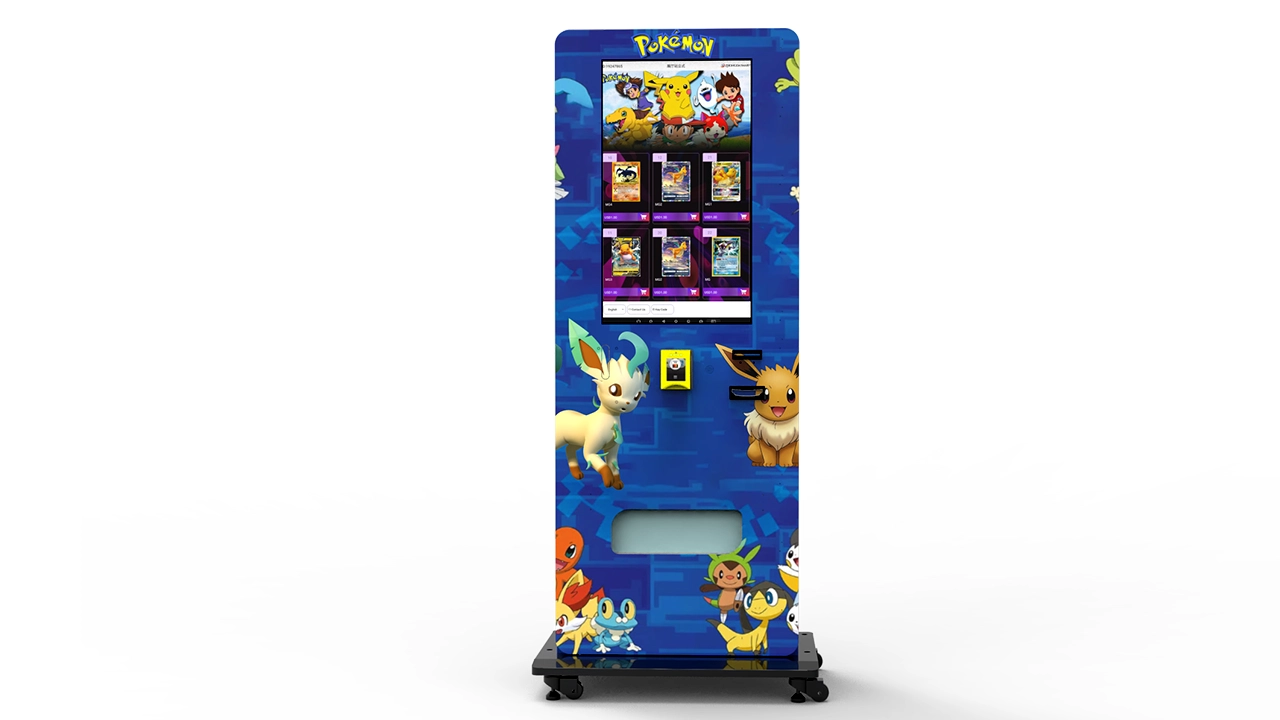
I’ve had good experiences with machines that use a coil-based system for small items and a separate shelf for larger boxes. The 32-inch touchscreen models are particularly useful because they allow customers to browse the inventory, see product images, and even view a brief description before making a purchase. This reduces the number of support calls I get from confused customers.
One company that has been getting attention in this space is Zhongda Smart. I’ve seen their equipment at trade shows and a few of their units in the field. They offer a range of configurations, from compact wall-mounted units to full-size touchscreen kiosks. I’m not going to tell you they’re the only option, but I will say that their build quality is solid for the price point, and their payment integration supports both card and mobile payments out of the box. Just be sure to do your own due diligence on lead times and after-sales support before committing.
Comparing Machine Types and Configurations
To help you visualize the differences, here’s a simple comparison table based on my operational experience. These are ballpark figures, not guarantees, and they will vary based on your specific situation.
| Machine Type | Initial Cost Range | Monthly Gross Potential | Best Use Case | Key Drawback |
|---|---|---|---|---|
| Wall-mounted card vending machine | $5,000 – $9,000 | $800 – $1,800 | Small shops, waiting areas | Limited inventory, small product size |
| Freestanding touchscreen kiosk | $10,000 – $18,000 | $1,500 – $4,000 | Hobby shops, high-traffic retail | Higher upfront cost, more space needed |
| Converted snack machine | $3,000 – $6,000 | $500 – $1,200 | Budget entry, testing a location | High risk of jams, poor card presentation |
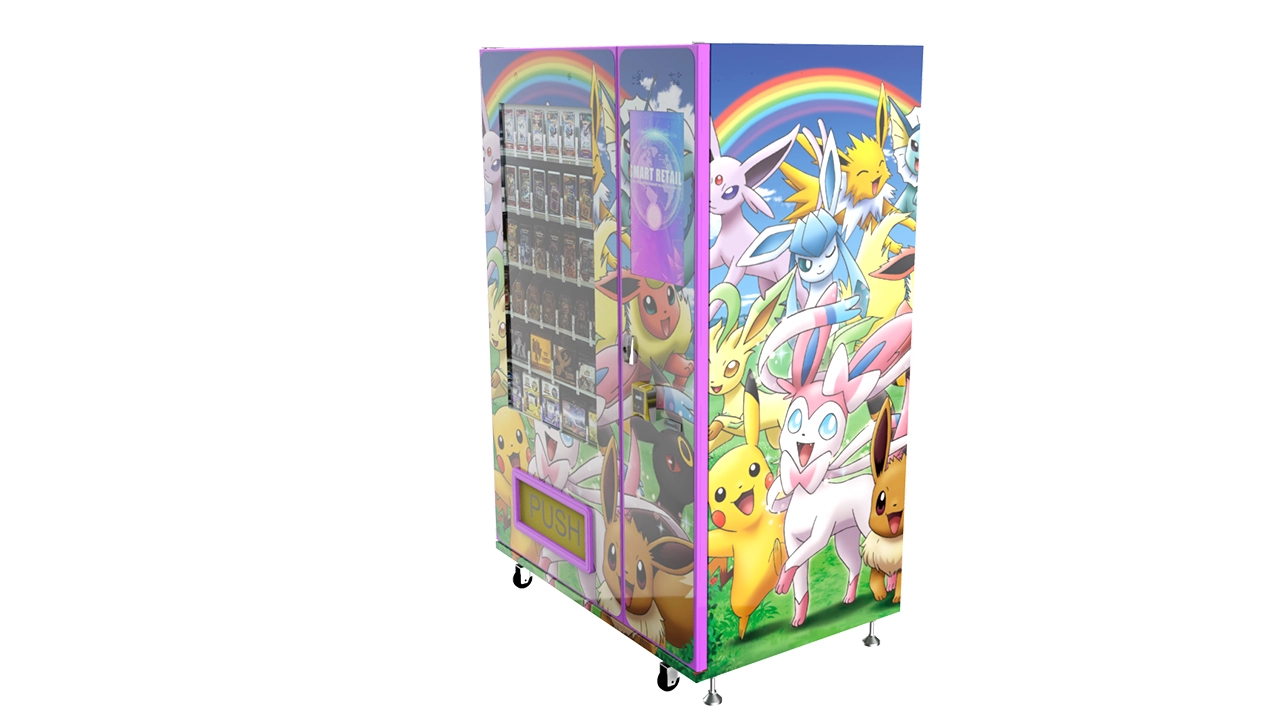
I’ve run all three types at various points, and my honest advice is to skip the converted snack machine unless you’re just testing a location for a month. The customer experience is poor, and you’ll spend more time on vending machine repair than on growing the business. A wall-mounted card vending machine can work well in a niche spot, but the freestanding touchscreen model is the workhorse of the industry for a reason.
Inventory Management and Restocking Schedules
This is where most operators fail. They treat card inventory like they would treat candy bars, and that’s a mistake. Cards have a release cycle. Pokemon, sports cards, and TCG products each have their own schedule of new sets, and the demand for older sets drops off sharply after a few months. If you don’t rotate your inventory, you’ll end up with dusty boxes that no one wants.
I restock my card vending machines every 10 to 14 days, depending on sales velocity. For a high-performing machine, that means I’m visiting once a week. Each visit takes about 45 minutes, including cleaning the glass, checking the payment system, and replacing sold items. The key is to track what sells and what doesn’t. I use a simple spreadsheet to log every sale by SKU, and I review it monthly to decide what to reorder and what to discount.
One failure case that sticks with me: I had a machine in a college town that was doing well with Pokemon, but I kept loading it with basketball cards because I thought the demographic would want them. Sales stalled for three weeks before I checked the data and realized that the local buyer pool was almost exclusively interested in Pokemon and Magic: The Gathering. I replaced the basketball cards with more Pokemon product, and revenue doubled within a month. The lesson is simple: let the data guide you, not your assumptions about what people should want.
The Self-Op vs. Lease vs. Partnership Question
New operators often ask me whether they should buy a machine outright, lease one, or partner with a location owner. There’s no one-size-fits-all answer, but I can give you my perspective based on what I’ve seen work.
Buying outright is the best long-term play if you have the capital and you’ve already identified a solid location. You control everything, and your only ongoing costs are inventory, maintenance, and your own time. The downside is the upfront risk. If the location fails, you’re stuck with a machine you need to relocate.
Leasing is a good option if you want to test multiple locations without committing a lot of capital. Some suppliers offer lease-to-own programs, which can be helpful, but the monthly payments eat into your margin. I’ve seen lease terms that effectively double the cost of the machine over three years, so read the fine print carefully.
Partnering with a location owner is a different model entirely. You provide the machine and the inventory, and the host provides the space and foot traffic. Typically, the host gets 10% to 20% of gross sales. This can work well in hobby shops and comic book stores, where the owner wants to offer cards but doesn’t want to manage the inventory. I have two partnership machines running right now, and they’re both profitable, but the key is to have a written agreement that covers restocking schedules, payment splits, and who is responsible for vending machine repair.
Payment Systems and the Self-Service Experience
Modern customers expect to pay with a credit card, a mobile wallet, or at the very least a contactless tap. If your machine is cash-only, you’re leaving a lot of money on the table. According to Statista, mobile payment penetration in the US is expected to exceed 50% of all point-of-sale transactions by 2025, and that trend is even more pronounced among younger demographics, which is exactly your target market for Pokemon and sports cards.
I recommend machines that support contactless payments, QR code payments, and traditional card swipes. The 32-inch touchscreen trading card vending machine models I’ve used integrate these payment options seamlessly, and the larger screen also allows me to display promotional images or a simple “new arrivals” message.
One thing to watch out for is the connectivity requirement. These machines need a stable internet connection to process payments and to allow remote monitoring. If you place a machine in a location with poor cellular coverage, you’ll have problems. I always test the signal strength before signing a location agreement, and I have a backup plan using a mobile hotspot if necessary.
Common Mistakes and How to Avoid Them
I’ve made my share of mistakes over the years, and I’ve also watched other operators make the same ones. Let me share a few that stand out.
The first is overloading a machine with high-end, high-priced items. A $200 sealed booster box might seem like a great way to increase average order value, but the reality is that most impulse buyers at a card vending machine are looking to spend $10 to $50. They want a quick hit of nostalgia or the chance to pull a rare card, not a major financial commitment. I’ve found that the sweet spot is a mix of single packs, blisters, and a few mid-tier boxes priced between $30 and $80.
The second mistake is ignoring the condition of the product. Cards are sensitive to heat and humidity. If you place a machine in a location with direct sunlight or poor climate control, you’ll end up with warped packs and damaged boxes. I learned this the hard way when I placed a machine near a large window in a retail store. Within three weeks, I had complaints about damaged products, and I had to pull the machine for repairs and restocking.
The third mistake is not having a clear plan for what happens when the machine goes down. No matter how reliable your equipment is, it will eventually break or jam. If you don’t have a local technician or a solid relationship with your supplier, you could lose a week of sales. I keep a small inventory of spare parts, including payment system components and coils, and I have a list of vending machine repair technicians in each region where I operate.
Data-Driven Decisions and Adjusting Your Offer
I mentioned earlier that I track sales by SKU, but I want to expand on that because it’s the single most important thing I do. Every time I restock, I review the sales report from the machine’s software. If a product hasn’t sold in 30 days, I remove it and replace it with something else. If a product sells out within three days, I increase its allocation and order more.
This approach has helped me identify trends that I wouldn’t have noticed otherwise. For example, I’ve found that the demand for Pokemon products spikes significantly in the weeks following a new set release, but it drops off sharply after about six weeks. Sports cards, on the other hand, have a more consistent demand throughout the year, with peaks around the NFL draft and the NBA playoffs. By adjusting my inventory mix based on these patterns, I’ve been able to increase the average monthly gross per machine by about 15%.
I also use the data to decide when to move a machine. If a machine has been underperforming for three months and I’ve already adjusted the inventory mix, I’ll look for a new location. I’ve had machines that were profitable in one location and completely dead in another, and the only way to know is to track the numbers.
Regulatory and Compliance Considerations
Depending on where you operate, there are specific regulations you need to consider. In the US, vending machines are generally subject to state and local sales tax requirements, and you may need a business license and a seller’s permit. The U.S. Small Business Administration has a helpful guide on the basics of registering a business and understanding your tax obligations, and I recommend reading it before you commit to your first machine.
In the European Union, the situation is similar but with some local variations. You’ll need to register your business, comply with VAT rules, and ensure that your machine meets local electrical and safety standards. Eurostat publishes data on retail trade and consumer behavior that can help you assess market potential in specific EU countries.
There’s also the question of age restrictions. Pokemon and sports cards are generally suitable for all ages, but if you’re selling certain TCG products that feature more mature themes, you’ll need to be aware of local age restrictions. I’ve avoided this issue by focusing on Pokemon and mainstream sports cards, which don’t have age limits in most jurisdictions.
Supplier Selection and the Zhongda Smart Option
Choosing the right supplier is just as important as choosing the right machine. I’ve dealt with suppliers who were great at selling me the equipment but disappeared when I needed support or spare parts. My advice is to ask for references, visit the supplier’s facility if possible, and check how long they’ve been in business.
I’ve seen a growing number of operators turn to Zhongda Smart for their card vending machines. Their equipment is competitively priced, and they offer a range of configurations that can be customized to your needs. I’ve also seen their machines in action at a few trade shows, and the build quality appears to be solid. That said, I always recommend that you compare at least three suppliers before making a decision, and that you ask specific questions about warranty coverage, lead times, and the availability of spare parts.
Another important factor is the payment system. Some suppliers integrate their own payment software, which can be convenient but also creates a dependency. I prefer machines that use standard payment gateways like Nayax or Cantaloupe, because they’re widely supported and offer good reporting tools. If you’re looking for a more compact option, a wall-mounted card vending machine can be a viable entry point, but just be aware of its limitations in terms of product size and inventory capacity.
Maintenance, Repairs, and Reducing Downtime
No machine is bulletproof, and the sooner you accept that, the better. The most common issues I’ve encountered are card jams, payment system errors, and connectivity problems. Most of these can be resolved remotely if your machine has a good telemetry system, but some require a physical visit.
To reduce downtime, I keep a simple toolkit in my vehicle, including a set of screwdrivers, a multimeter, and a spare payment terminal. I also keep a list of local technicians who can handle more complex repairs. The average cost of a service call is between $100 and $200, depending on your region, so it’s worth doing what you can yourself.
Preventive maintenance is just as important as reactive repairs. I clean the card readers and touchscreens every time I restock, and I check the internal temperature and humidity levels. I also update the machine’s software whenever a new version is available, because these updates often fix bugs and improve payment processing.
Is a Card Vending Machine Profitable in 2025?
The straightforward answer is yes, but it’s not a get-rich-quick scheme. Based on my experience and the data I’ve seen from other operators, a well-managed card vending machine can generate a net profit of $500 to $1,500 per month after all costs, including inventory, maintenance, and your own time. That’s a reasonable return on an initial investment of $10,000 to $15,000, which puts the payback period at roughly 12 to 24 months.
However, I’ve also seen machines that never turned a profit because the operator ignored location signals, failed to rotate inventory, or chose the wrong equipment. The difference between success and failure is not the machine itself; it’s the operator’s willingness to treat this as a real business. If you’re looking for a completely passive income stream, this is not it. But if you’re willing to put in the work, the upside is real.
FAQ: Card Vending Machines
Are card vending machines profitable?
Yes, they can be profitable if placed in a good location and managed properly. Based on my experience, a well-run machine can generate a net profit of $500 to $1,500 per month after all costs. However, this depends on foot traffic, product mix, and your efficiency in restocking and maintenance.
How much does a card vending machine cost?
A new, purpose-built card vending machine costs between $8,000 and $18,000, depending on the size and features. A wall-mounted card vending machine is cheaper, usually $5,000 to $9,000, but it has more limitations. Used machines can be found for less, but they come with higher risk.
How long does it take to recoup the investment?
Most operators I know recoup their investment in 12 to 24 months, assuming the machine is in a good location and the inventory is managed well. If the location is poor, it could take much longer or never happen at all.
Should I buy or lease a card vending machine?
Buying is better for the long term if you have the capital. Leasing can help you test a location with less upfront risk, but the monthly payments will reduce your profit margin. I recommend buying once you’ve validated a location.
Where should I place my card vending machine?
Look for locations with high foot traffic and a customer base that matches your product. Hobby shops, comic book stores, game cafes, and busy retail corridors are good options. Avoid locations where the demographics don’t match your inventory.
What permits and licenses do I need?
In the US, you’ll typically need a business license, a seller’s permit, and you’ll need to register for sales tax collection. In the EU, you’ll need to register your business and comply with VAT rules. Check with your local authorities for specific requirements.
How do I choose a supplier?
Look for a supplier with a track record, good customer support, and transparent warranty terms. Compare at least three options and ask for references. I’ve seen good results with Zhongda Smart, but you should do your own research.
What happens if my machine breaks down?
You’ll need to have a plan for repairs. I keep spare parts on hand and have a list of local technicians. Most machines have remote diagnostics, which can resolve many issues without a physical visit.
How can I reduce restocking and maintenance costs?
Track your sales data to understand what sells and what doesn’t, and adjust your inventory accordingly. Visit the machine on a regular schedule, clean it during each visit, and perform preventive maintenance to avoid costly breakdowns.
Are there risks with selling Pokemon and sports cards?
The main risks are market fluctuations and product condition. Card demand can drop after a new set release, and products can be damaged by heat or humidity. Managing these risks is part of the job.
Disclaimer: The figures and experiences shared in this article are based on my personal operational history and industry conversations. They are not guarantees of future performance. Actual results will vary based on location, market conditions, inventory management, and other factors. Always conduct your own research and consult with a qualified professional before making business decisions.