If you are looking into the trading card vending machine business, the first real decision you will face isn’t which Pokémon box to stock—it’s which physical format makes sense for your location and budget. I have spent over a decade placing automated retail solutions across the US and Europe, and I can tell you that the choice between a wall-mounted card vending machine and a floor-standing model is where most new operators either set themselves up for steady cash flow or lock themselves into a lease they regret. The honest answer is that neither format is universally better; the right choice depends on your rent, foot traffic, available floor space, and how much risk you can absorb. In this guide, I’ll break down the real costs, maintenance realities, and operational differences I have observed across dozens of deployments, so you can decide with your eyes open.
Why the Format Decision Matters More Than You Think
Most beginners assume that all card vending machines are basically the same box with a screen. That is a costly misunderstanding. The physical footprint of your machine dictates where you can place it, how much rent you will pay per square foot, and how many packs you can hold before a restock run becomes necessary. In my experience, the format decision is actually a business model decision disguised as a hardware question.
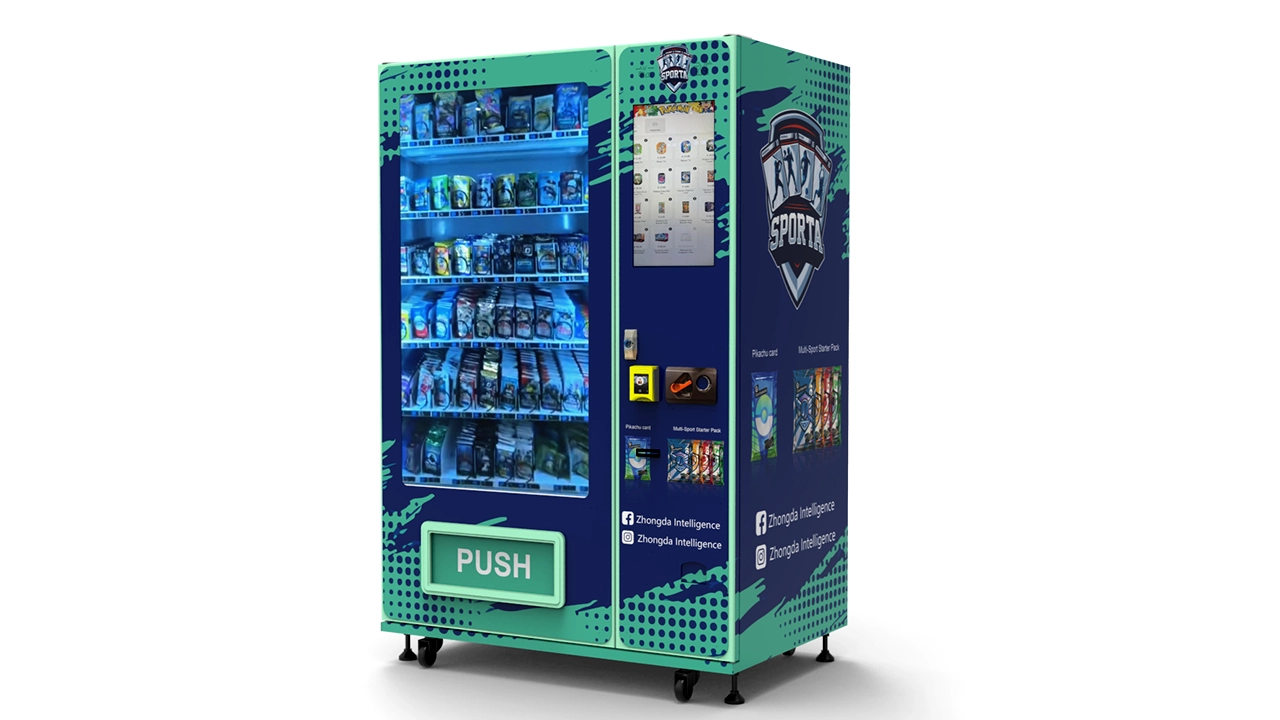
A wall-mounted unit is compact, typically holding between 200 and 400 packs, and it fits into tight spaces where a full-size machine would never fit. A floor-standing model, on the other hand, can hold anywhere from 800 to over 2,000 packs, which changes your restocking frequency, your revenue ceiling, and your ability to negotiate a better commission split with a host location. These are not minor details; they are the difference between a side income and a full-time operation.
What I Learned From My First Wall-Mounted Deployment
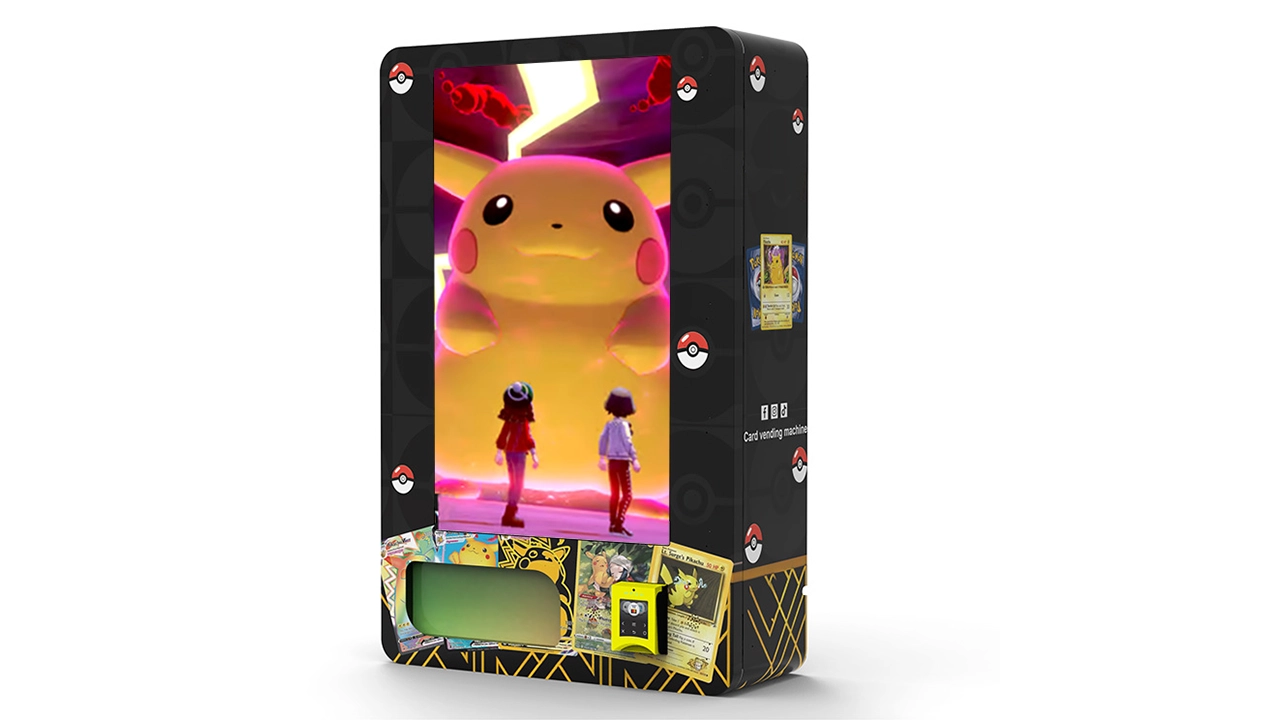
My first serious attempt at this business was a wall-mounted card vending machine placed inside a comic book shop in a mid-sized US city. The rent was low, the owner was friendly, and the foot traffic was decent on weekends. I thought I had found the perfect spot. What I did not account for was the inventory ceiling. The machine held only 240 packs, and on a good Saturday, I would sell through nearly half of it. That meant I was driving back to the location twice a week to restock, which ate into my margins and made the whole operation feel like a part-time job with worse pay.
The machine itself performed flawlessly, and the shop owner loved that it took up almost no floor space. But the economics were brutal once I factored in my time. I learned that a wall-mounted unit works best when you have a high-traffic location with a dedicated collector base and a host who is willing to restock for you. Otherwise, you are just trading dollars for hours.
Cost Comparison: Wall-Mounted vs Floor-Standing Units
Let’s talk numbers, because that is where most marketing fluff falls apart. Based on my own purchases and the invoices I have seen from other operators, a new wall-mounted card vending machine from a reliable manufacturer will cost you between $3,500 and $6,500 depending on the screen size, payment system, and security features. A floor-standing model with a larger touchscreen and higher capacity will run between $8,000 and $15,000 before shipping and taxes.
Those initial figures matter, but the total cost of ownership is what really separates profitable operators from the rest. I have compiled a simple comparison table based on my experience and the data I have gathered from industry contacts. Keep in mind that your numbers will vary based on your location, the host commission, and how often you restock.
| Cost Factor | Wall-Mounted Unit | Floor-Standing Unit |
|---|---|---|
| Initial Purchase Price | $3,500 – $6,500 | $8,000 – $15,000 |
| Typical Pack Capacity | 200 – 400 packs | 800 – 2,000+ packs |
| Monthly Maintenance Cost | $20 – $50 | $40 – $100 |
| Restocking Frequency | 2 – 3 times per week | 1 time per week or less |
| Space Required | Minimal, wall space only | About 2 – 4 square feet of floor |
| Typical Monthly Revenue (Experienced Operators) | $400 – $1,200 | $1,500 – $5,000 |
These figures are based on my operational experience and conversations with other operators, not official statistics. Revenue varies dramatically based on location, card selection, and pricing. That said, the pattern is consistent: the floor-standing unit requires more upfront capital but offers a higher revenue ceiling and lower labor cost per dollar earned.
Space, Foot Traffic, and Location Realities
The most common mistake I see is operators buying a machine first and then trying to find a location that fits it. That is backwards. You should identify the location, understand its physical constraints, and then choose the format that works. A wall-mounted card vending machine is ideal for smaller retail shops, barbershops, convenience stores, and even restaurants where floor space is precious. I have one operator friend who placed a wall-mounted unit in a laundromat and does surprisingly well because the dwell time is high and there is nothing else to do while waiting for a wash cycle.
Floor-standing units belong in locations with higher daily traffic and more space: hobby stores, game shops, mall corridors, larger supermarkets, and entertainment venues. In those settings, the larger capacity is a genuine advantage because you can stock a wider variety of products and reduce your visit frequency. I have a floor-standing unit in a hobby store that sells through about 1,200 packs a week during peak Pokémon release periods, and there is no way a wall-mounted unit could handle that volume without daily restocking.
A Success Case That Changed My Perspective
About three years ago, I was skeptical about floor-standing units because of the higher upfront cost. Then a client asked me to manage a placement in a well-trafficked game store near a university campus. We installed a floor-standing model with a 32-inch touchscreen, and within the first month, it generated more revenue than my three wall-mounted units combined. The key was not just the larger capacity; it was the visual presence. The bigger screen attracted attention, and customers treated it as a destination rather than an afterthought.
That experience taught me that the floor-standing format is not just about holding more inventory. It is about signaling legitimacy and creating a self-service kiosk experience that feels like a real retail interaction. If you are serious about building a card vending business with meaningful revenue, you should seriously consider the floor-standing route, especially if you can secure a location with strong foot traffic.
Maintenance, Repairs, and Downtime
No matter which format you choose, machines break. It is not a matter of if, but when. In my experience, the most common issues are card jams, payment system glitches, and touchscreen calibration problems. A wall-mounted unit is generally easier to repair because you can access the internals without moving the entire machine. However, the smaller size also means less room for error, and some components are packed tightly together.
Floor-standing units are heavier and more cumbersome to service, but they often have modular components that make swapping out a faulty part simpler. I have also noticed that floor-standing models from reputable manufacturers tend to have better ventilation, which reduces overheating issues during summer months. If you are not comfortable with basic vending machine repair, set aside a budget for a local technician. I typically budget about $300 per machine per year for unexpected repairs, and I have been close to that estimate on average.
Payment Systems and the Unattended Retail Experience
Modern card vending machines are essentially self-service kiosks, and the payment system is the heart of the operation. I strongly recommend choosing a machine that accepts both cash and card payments, including contactless options like Apple Pay and Google Pay. In my experience, card transactions account for over 70% of sales in most locations, and that percentage is growing. A machine that only takes cash will severely limit your revenue potential.
I have also learned that the user experience matters more than most operators think. A slow or confusing interface will drive customers away, especially younger collectors who expect a seamless digital interaction. When evaluating machines, test the touchscreen responsiveness and the speed of the transaction process yourself. If it feels sluggish, your customers will notice too.
Supplier Selection and the Zhongda Smart Mention
Choosing the right supplier is arguably more important than choosing the right machine format. I have worked with several manufacturers over the years, and I have learned to look for a few key indicators: responsive customer support, availability of spare parts, and a track record of delivering machines that work reliably in real-world conditions. One manufacturer that consistently meets these criteria is Zhongda Smart, a company that produces both wall-mounted and floor-standing card vending machines with modern payment integrations. I have seen their equipment in operation at several locations, and the build quality holds up well under heavy use.
That said, do not take my word for it. Do your own due diligence. Ask for references, request a demo unit if possible, and read reviews from other operators. A supplier that is willing to answer technical questions honestly is worth more than one that promises the world but disappears after the sale.
Restocking, Inventory Management, and Labor Costs
Your restocking strategy will make or break your profitability. I have already mentioned that wall-mounted units require more frequent visits, but the real issue is labor cost. If you value your time at $25 per hour, and you spend two hours driving and restocking each visit, that is a significant expense. For a floor-standing unit, you can often restock once a week, which reduces labor costs dramatically.
Inventory management is another area where experience matters. I use a simple spreadsheet to track sales by product, and I have learned that certain packs sell quickly right after a new set releases, then slow down dramatically. If you are not tracking this data, you will end up with dead stock that ties up your capital. For a wall-mounted machine, dead stock is especially painful because you have limited space to work with.
Revenue Expectations and Payback Period
Let’s be honest about revenue. I have seen operators claim that card vending machines are a get-rich-quick scheme, and I have also seen operators lose money because they chose the wrong location or the wrong format. Based on my experience, a well-placed floor-standing unit can generate between $1,500 and $5,000 per month in gross revenue, with a gross margin of around 40% to 50% after cost of goods and payment processing fees. That means you might net between $600 and $2,500 per month per machine.
Payback periods vary widely. A wall-mounted unit might pay for itself in six to twelve months if you find an excellent location with low rent. A floor-standing unit typically takes twelve to twenty-four months to recoup your initial investment. According to a report from IBISWorld on the vending machine industry, the average revenue per machine in the US is around $300 per month, but that includes all types of vending machines, not just card dispensers. Card vending machines, when placed well, significantly outperform that average. However, these figures are not guaranteed, and you should always run your own projections based on your specific costs.
Lease, Commission, and Partnership Models
How you structure your agreement with the host location matters just as much as the machine itself. I have seen operators agree to pay 30% commission on gross sales, which is reasonable in high-traffic locations. In lower-traffic spots, I usually negotiate a flat monthly rent instead of a percentage. You have to think about this carefully because a high commission can eat into your margins, especially if your sales volume is modest.
Some operators prefer a partnership model where the host location purchases the machine and you provide the inventory and maintenance. This can be a good option if you want to scale without tying up your own capital. However, it requires clear contracts and a high level of trust. I have seen partnerships fail because the host location stopped promoting the machine or failed to report sales accurately.
Common Mistakes I Have Made and Seen
The biggest mistake I made early on was placing a wall-mounted card vending machine in a location with excellent foot traffic but zero collector demographic. It was a busy grocery store, but the shoppers were not interested in trading cards. The machine sat there for three months, generating less than $100 per week. I eventually moved it to a game shop, where it started generating ten times that amount. The lesson is simple: the location must match the product.
Another common mistake is underestimating the importance of product selection. You cannot just fill the machine with whatever packs you find on sale. You need to understand what collectors in that area are looking for, and you need to rotate your inventory based on release schedules and local demand. I have seen operators fail because they stocked only Pokémon when the local community was more interested in sports cards.
Regulatory Considerations and Permits
Depending on where you operate, you may need permits or licenses to run a vending machine business. In the US, the requirements vary by state and municipality. Some cities require a general business license, while others have specific vending machine regulations. In the EU, the rules differ by country, and you may need to register your business and comply with local tax laws. According to the U.S. Small Business Administration, you should check with your local government to understand the specific requirements for your area. I always recommend consulting with a local business advisor before making any commitments.
Data-Driven Decision Making and Adjustments
One of the advantages of modern card vending machines is that many come with remote monitoring capabilities. You can see sales data, inventory levels, and even error alerts from your phone. This is a game-changer for operators who manage multiple machines. I have a network of five machines, and I can check their status in about five minutes each morning. This allows me to make data-driven decisions about which products to stock and which locations are underperforming.
If a machine is not performing after three months, I do not hesitate to move it. The cost of moving a wall-mounted unit is relatively low, and I have found that a change of location can dramatically improve results. For floor-standing units, moving is more expensive, so I am more patient with them, but I still track performance closely and make adjustments as needed.
Final Thoughts on Choosing the Right Format
If you are just starting out and you have limited capital, a wall-mounted card vending machine is a reasonable entry point. It allows you to test the waters without a massive investment, and it can be moved easily if your first location does not work out. However, if you are serious about building a sustainable business with meaningful revenue, I would strongly consider a floor-standing unit. The higher upfront cost is justified by the larger capacity, lower labor costs, and stronger customer engagement.
At the end of the day, the machine is just a tool. Your success depends on your location, your product selection, and your willingness to put in the work. I have seen operators make money with both formats, and I have seen operators fail with both. The difference is not the machine; it is the operator. Do your homework, start small if you need to, and be prepared to adapt based on real data.
Frequently Asked Questions
Are trading card vending machines profitable?
Yes, but only if you choose the right location and manage your inventory carefully. Based on my experience, a well-placed machine can generate between $400 and $5,000 per month in gross revenue, depending on the format and location. However, you have to account for rent, maintenance, and your own labor. Profitability is not guaranteed, and you should run detailed projections before investing.
How much does a card vending machine cost?
A wall-mounted unit typically costs between $3,500 and $6,500, while a floor-standing model costs between $8,000 and $15,000. These prices vary based on the manufacturer, screen size, payment system, and additional features. Shipping and taxes will add to the total cost.
How long does it take to recoup the investment?
Payback periods vary. A wall-mounted unit might pay for itself in six to twelve months with an excellent location. A floor-standing unit usually takes twelve to twenty-four months. These estimates are based on my operational experience and can vary significantly based on your specific costs and revenue.
Should I buy or lease a card vending machine?
Buying is generally better in the long run because you build equity and avoid ongoing lease fees. However, leasing can be a good option if you want to test the business without a large upfront investment. Just be sure to read the lease terms carefully and understand the total cost over time.
Where is the best place to put a card vending machine?
Look for locations with high foot traffic and a strong collector demographic. Hobby stores, game shops, comic book stores, and entertainment venues are ideal. Avoid locations where the customer base does not match the product, regardless of how busy they are.
What permits or licenses do I need?
Requirements vary by location. In the US, check with your local government and the U.S. Small Business Administration for guidance. In the EU, consult local authorities. You may need a general business license, a vending machine permit, or other certifications depending on your area.
How do I choose a reliable supplier?
Look for manufacturers with responsive customer support, available spare parts, and positive reviews from other operators. Zhongda Smart is one manufacturer I have seen deliver reliable equipment, but you should always do your own research and ask for references before committing.
What should I do if the machine breaks down?
Basic troubleshooting skills are essential. Keep spare parts on hand, and have a local technician available if needed. I budget about $300 per machine per year for unexpected repairs. Remote monitoring can also help you identify issues before they become major problems.
How can I reduce restocking and maintenance costs?
Choose a machine with larger capacity to reduce restocking frequency. Use remote monitoring to track inventory levels and plan your visits efficiently. Establish a relationship with a reliable technician to minimize downtime and repair costs.
Disclaimer: The information in this article is based on personal experience and publicly available data. Revenue figures and costs are estimates and may vary based on location, market conditions, and operational decisions. Always conduct your own research and consult with professionals before making business investments.