If you are looking into the trading card vending machine business, the first question you probably asked is whether the machine itself will make money, and the second is which cards actually sell. Over the past decade running automated retail routes across the US and parts of Europe, I have learned that the best-selling sports cards for vending machines are rarely the ones you would expect from a hobby shop. The machines reward volume, recognizable names, and impulse price points, not high-end chase cards. In this guide, I will break down what actually moves, what flops, and how to structure your inventory around real foot traffic data rather than your personal collection bias.
Why Trading Card Vending Machines Are a Different Beast
A vending machine is not a card shop. It has no clerk to explain value, no glass case to build excitement, and no regulars who come in for a specific box. The customer is someone waiting for a coffee, a parent killing time, or a kid with ten bucks. That changes everything about inventory selection.
In my experience, the best-selling sports cards for vending machines are sealed product like blaster boxes, hanger packs, and fat packs from Panini, Topps, and Donruss. These sell because the price point is clear, the brand is trusted, and the customer does not need to know anything about card values to take a chance. Singles, even good ones, sit in the machine for weeks unless they are star rookies from the current season.
I learned this the hard way. In 2021, I loaded a machine at a busy mall in Ohio with what I thought was a killer mix of single autographs and numbered parallels. The machine looked great, but sales were terrible. After two weeks, I swapped half the inventory for retail blasters and the revenue tripled within days. The lesson stuck with me: vending customers buy the experience and the chance, not the card itself.
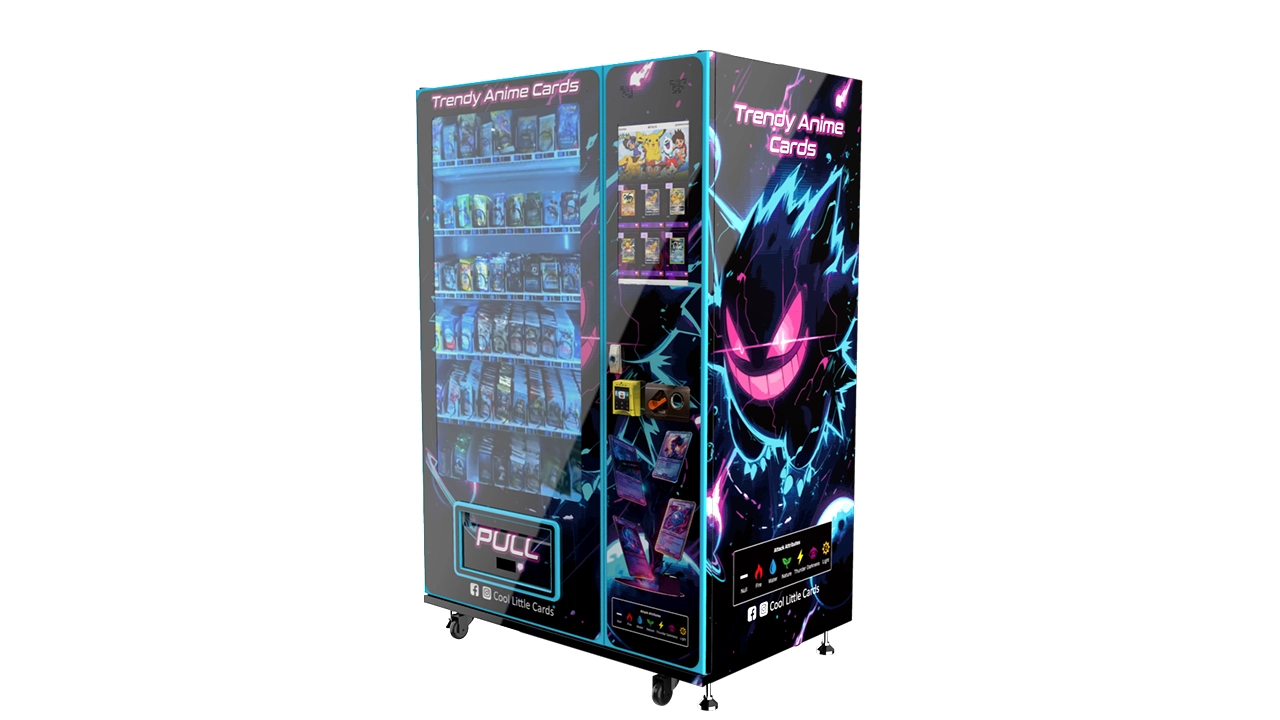
That is why I now tell operators to think of their machine as a self-service kiosk for sealed product, not a card shop. The same logic applies whether you are using a large 32-inch touchscreen trading card vending machine or a smaller wall-mounted unit. The customer wants a quick, fun purchase, and the product needs to match that mindset.
What Actually Sells: The Core Categories
Over the years, I have tracked sales data across dozens of machines in different regions. The patterns are consistent enough that I can share them with confidence, though you should always adjust for your own location.
Sealed Retail Boxes and Blasters
These are the backbone of any profitable machine. A blaster box of Panini Prizm or Donruss football at $29.99 to $39.99 sells consistently because it is a known quantity. The customer knows what they are getting, the price is acceptable, and the potential upside is a big hit. In my experience, blasters account for about 60 to 70 percent of total revenue in a well-stocked machine.
Hanger packs and cello packs are also strong, especially at lower price points like $7.99 to $12.99. These appeal to younger buyers and people who just want a quick rip without spending a lot. I have found that a machine with a good mix of blasters and hangers outsells a machine with only one or the other.
Graded Singles and Top Stars
Graded cards can work, but only if they are from the right players and the right price range. In my experience, PSA 10 rookies of quarterbacks like Patrick Mahomes, Josh Allen, or Joe Burrow sell at $20 to $50. The key is to avoid overpriced cards that sit for months. A $200 graded card is a hard sell in a vending machine because the customer cannot inspect it closely and the impulse factor drops.
I have had good results with graded cards of current rookies during the season, especially if the machine is in a sports bar or a gym. The customer sees a familiar name, the price feels reasonable, and they take a chance. Off-season, I pull most graded singles and replace them with sealed product.
Pokémon and Non-Sports Cards
It would be a mistake to ignore Pokémon. In many locations, especially family-oriented spots like bowling alleys and family entertainment centers, Pokémon outsells sports cards two to one. The customer base is younger, the nostalgia factor is strong, and the price points are similar. I always keep at least one slot in every machine for Pokémon product.
Non-sports cards like Marvel, Star Wars, and anime also sell well in certain locations. I have a machine in a comic book store that does better with Marvel and anime product than with sports cards. The key is to know your demographic and adjust accordingly.
Location Is the Real Driver of Sales
You can have the best inventory in the world, but if the machine is in the wrong spot, it will not matter. In my experience, location determines 70 percent of a machine's success. The best-selling sports cards for vending machines are only relevant if there is enough foot traffic and the right customer profile.
I look for locations with at least 500 people passing by per day, ideally more. Shopping malls, grocery store entrances, and family entertainment centers are my top choices. The demographic matters as much as the volume. A location with a lot of young families will do better with Pokémon and lower-priced sports product. A sports bar or gym will do better with blasters and graded singles.
Rent is a factor, but not the only one. I have a machine in a high-traffic mall where the rent is 20 percent of gross revenue, and it still makes money because the volume is so high. I also have a machine in a small grocery store with low rent that barely breaks even because the foot traffic is too low. The math is simple: focus on traffic first, rent second.
Real Numbers from My Routes
I want to give you a realistic picture of what to expect, based on my own operations and industry data. These numbers are not guarantees, but they are honest averages from my experience.
In a good location, a single trading card vending machine can generate $1,500 to $4,000 per month in gross revenue. The average across my fleet is around $2,300 per month. The gross margin on sealed product is typically 25 to 35 percent, while graded singles can have margins of 50 percent or more if you buy them right. However, singles move slower, so the higher margin does not always mean more profit per month.
My average monthly expenses per machine include restocking labor at $150 to $300, maintenance at $50 to $100, and location rent or commission at 10 to 20 percent of gross. After all costs, a well-placed machine nets between $600 and $1,500 per month. The payback period for a new machine is usually 8 to 14 months, depending on the purchase price and location quality.
According to IBISWorld, the vending machine industry in the US has grown steadily, with revenue expected to reach over $10 billion by 2025. The demand for automated retail solutions is driven by changing consumer habits and the need for contactless purchasing options. This aligns with what I see in the field: people are comfortable buying from machines, and they expect them to be modern and reliable.
Statista data shows that the sports trading card market has grown significantly in recent years, with a market value exceeding $3 billion globally. This growth has created a strong demand for card vending machines in public spaces. The combination of a growing card market and the convenience of automated retail makes this a viable business model for operators who understand the details.
Comparing Machine Types and Configurations
Not all card vending machines are the same. The type of machine you choose affects your initial investment, your ongoing maintenance costs, and the kind of locations you can target. I have used several different configurations over the years, and each has its strengths and weaknesses.
| Machine Type | Initial Cost Range | Best Use Case | Pros | Cons |
|---|---|---|---|---|
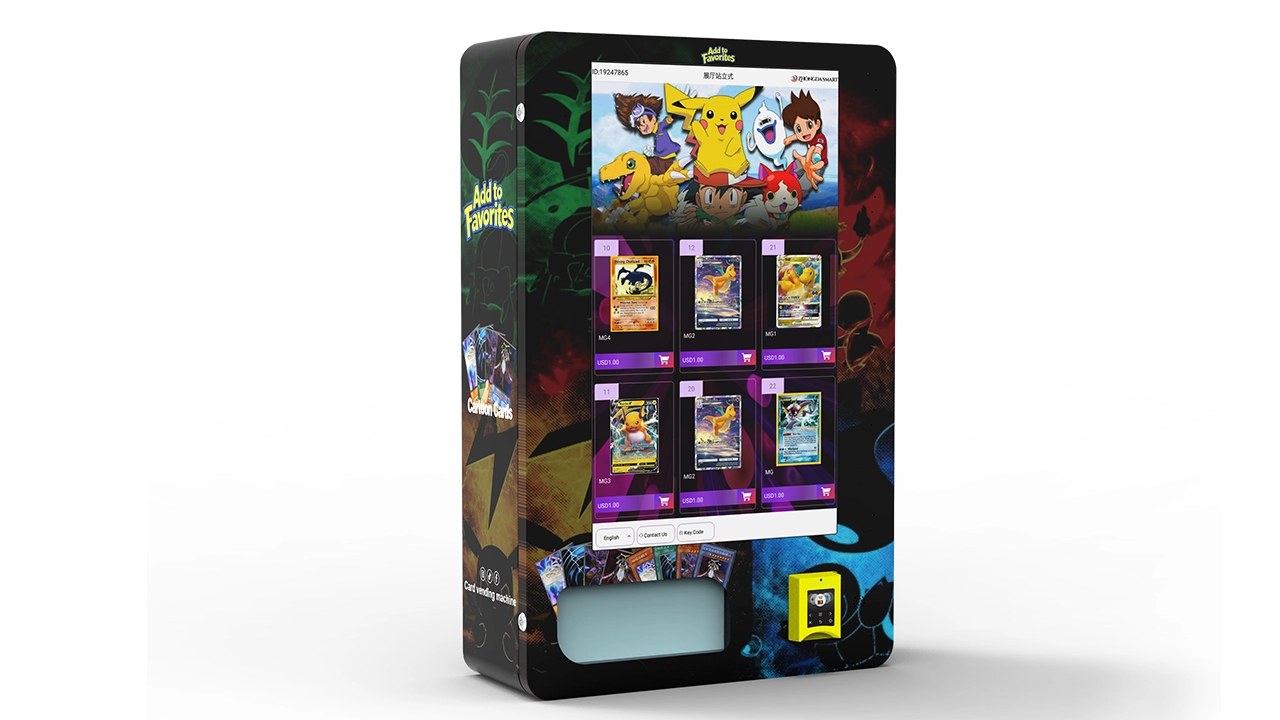
| Wall-Mounted Card Machine | $2,500 – $6,000 | Small shops, cafes, waiting areas | Low footprint, lower cost, easy to place | Limited inventory capacity, lower revenue ceiling |
| Freestanding Small Unit | $6,000 – $12,000 | Grocery stores, convenience stores | More capacity, better visibility | Requires more floor space, higher rent |
| Large Touchscreen Model | $12,000 – $25,000 | Malls, family entertainment centers | High capacity, interactive screen, premium feel | Higher cost, more complex maintenance |
From my experience, a wall-mounted card vending machine is a good starting point for a first-time operator. It keeps the initial investment low and lets you test a location without a huge commitment. Once you have proven the concept, you can upgrade to a larger unit with more features.
The large touchscreen models are impressive and can command higher prices, but they also come with more risk. The screen can fail, the software can have bugs, and the cost of repair is higher. I have seen operators lose money on these machines because they ignored maintenance or chose a supplier with poor after-sales support. Do not underestimate the importance of reliable hardware and support.
Supplier Selection and the Zhongda Smart Option
Choosing the right supplier is one of the most important decisions you will make. A good supplier provides reliable hardware, clear documentation, and responsive support. A bad supplier can leave you with a broken machine and no way to fix it.
I have worked with several manufacturers over the years, and I have found that Zhongda Smart offers a solid balance of quality and value. Their machines are built with commercial-grade components, and they provide good customization options for payment systems and screen interfaces. I am not saying they are the only option, but they are worth considering if you are looking for a reliable partner.
When evaluating suppliers, ask about their warranty terms, the availability of spare parts, and their response time for technical support. A supplier that cannot provide local service or fast shipping of parts is a risk, especially if your machine goes down during a busy weekend. I have learned to always have a backup plan for critical components like card readers and motors.
You should also ask about the payment system. Modern machines should accept debit and credit cards, mobile payments like Apple Pay and Google Pay, and ideally contactless options. Cash is becoming less common, and a machine that only takes coins will lose sales. In my experience, machines with card readers and mobile payment support generate 20 to 30 percent more revenue than cash-only machines.
Maintenance and Repair: What You Need to Know
Vending machine repair is not optional; it is part of the job. Every machine will have issues eventually, and how you handle them determines your profitability. The most common problems I have encountered are card jams, payment system failures, and motor errors.
Card jams are the most frequent issue, especially with thicker products like blaster boxes. You need to choose machines with wider slots and smooth internal paths. Even then, a customer can force a product in the wrong way, and you will have to clear the jam. I recommend checking your machines at least every two weeks, and more often in high-traffic locations.
Payment system failures can be frustrating because they are not always visible from the outside. A customer might swipe their card, the machine does not respond, and they walk away without buying anything. This is lost revenue that you may not even know about. I have installed remote monitoring systems on my machines that alert me to errors in real time. This has been a game changer for reducing downtime.
According to the National Automatic Merchandising Association (NAMA), the average vending machine requires about one service call per month, with the most common issues being product jams and payment system errors. This aligns with my experience. Budgeting for monthly service calls is a smart move, even if you do not end up needing them every month.
Common Mistakes and How to Avoid Them
I have made my share of mistakes in this business, and I have also watched other operators make the same ones. The biggest mistake is buying a machine before securing a location. You need to know where the machine will go and what the rent will be before you commit to hardware.
Another common mistake is overpaying for inventory. Sealed product from distributors has a set cost, but some operators buy from retail stores at full price and then wonder why their margins are thin. You need to establish relationships with distributors and buy in bulk to get the best prices. The margin difference between retail and wholesale is often 15 to 20 percent, which is the difference between profit and loss.
Underestimating the importance of location is another trap. I have seen operators place machines in low-traffic areas because the rent was cheap, and then wonder why they are not making money. A machine in a quiet location is a liability, not an asset. You are better off paying higher rent for a location with proven foot traffic.
Finally, do not ignore the data. Every machine should have a system for tracking sales by product. If a product does not sell within four to six weeks, replace it. I have a simple rule: if it has not sold in 30 days, it is taking up space that could be used for something better. This applies to both sealed product and singles.
Restocking and Inventory Management
Efficient restocking is critical to your bottom line. The time you spend driving to locations, opening machines, and counting inventory is a real cost. I have streamlined my process over the years, and I can share a few tips that have saved me time and money.
First, use a consistent inventory system. Each machine should have a set number of slots, and you should know exactly what is in each slot. This makes it easy to see what has sold and what needs restocking. I use a simple spreadsheet for each machine, and I update it every time I restock.
Second, batch your restocking trips. If you have multiple machines in the same area, schedule your visits on the same day. This reduces driving time and fuel costs. I have also found that restocking during off-peak hours, like early morning or late evening, is more efficient because there are fewer customers around.
Third, keep a stock of fast-moving items at your storage location. You do not want to run out of blasters when you are in the middle of a restocking run. I keep a buffer of at least 20 percent above my average weekly sales for each product category. This ensures I never have to make an extra trip to a distributor.
Inventory management is not just about restocking; it is also about knowing what to stop buying. If a product has been sitting in your machine for more than a month, it is time to rotate it out. The best-selling sports cards for vending machines are not static; they change with the sports season, player performance, and market trends. You need to stay flexible and adjust your inventory accordingly.
Self-Operation vs. Lease vs. Revenue Share
There are different ways to operate your machines, and the choice affects your risk and reward. I have used all three models at different times, and each has its place.
Self-operation gives you full control and the highest potential profit, but it also requires the most effort. You are responsible for sourcing inventory, restocking, maintenance, and customer service. This is the best option if you have the time and the willingness to learn the business.
Leasing a machine from a supplier or a third party reduces your upfront cost, but it also reduces your profit. Lease payments eat into your margin, and you still have to handle restocking and maintenance. This option is best if you want to test the business without a large capital investment, but you need to read the lease terms carefully.
Revenue share agreements are common in high-traffic locations like malls and grocery stores. In this model, the location owner takes a percentage of your gross revenue in exchange for space and foot traffic. This can be a good deal if the location is proven, but it can also be a bad deal if the revenue share is too high. I have seen locations ask for 25 to 30 percent of gross, which leaves very little profit after inventory and maintenance costs.
My advice is to start with self-operation if you can, and only consider lease or revenue share when you have a proven location and a clear understanding of your costs. The more control you have, the easier it is to adjust your strategy and maximize profit.
Legal Requirements and Permits
The legal side of vending machines is less complicated than many people think, but it still matters. You need a business license, a sales tax permit, and in some jurisdictions, a vending machine permit. The requirements vary by state and country, so you need to check with your local government.
In the US, the Small Business Administration provides a useful guide to licensing and permitting requirements for small businesses. I recommend starting there and then contacting your local city or county clerk for specific rules. In the EU, the requirements are similar, but you also need to comply with the General Data Protection Regulation if you collect any customer data through your payment system.
Food safety regulations are not usually a concern for card vending machines, but you should still be aware of local rules about vending machines in public spaces. Some locations require a certificate of insurance or a liability waiver before you can place a machine. This is typically easy to obtain and inexpensive.
I have also found that some property owners require a formal agreement that specifies who is responsible for maintenance, electricity, and cleaning. Make sure you have a written agreement in place before you install a machine. A verbal agreement is not enough, especially if something goes wrong.
Payment Systems and the Unattended Retail Experience
Payment systems are the heart of the customer experience. If the payment system is slow or unreliable, customers will walk away. I have seen machines with outdated card readers that take 30 seconds to process a transaction, and the drop-off in sales is noticeable.
Modern machines should support contactless payments, including Apple Pay and Google Pay, as well as traditional credit and debit cards. Cash is still accepted in many locations, but it is becoming less common. I recommend choosing a machine with a payment system that supports multiple methods, including mobile wallets.
In Europe, many operators use the term distributeur automatique to describe these machines, and the payment requirements are similar to the US. The key is to ensure that your payment system is compatible with local banking networks and that it can handle the volume of transactions you expect.
I have also found that the user interface matters. A machine with a clear, bright screen and simple instructions is more inviting than a machine with a confusing menu. The large touchscreen models offer a better user experience, which can translate into higher sales. However, they also require more maintenance, so you need to weigh the benefits against the costs.
FAQ
Are trading card vending machines profitable?
Yes, they can be profitable if placed in a high-traffic location and stocked with the right product. In my experience, a well-run machine can generate $600 to $1,500 per month in net profit after all costs. However, profitability depends on location, inventory selection, and maintenance efficiency. There is no guaranteed income, and some machines fail if the location is poor.
How much does a card vending machine cost?
The cost ranges from around $2,500 for a basic wall-mounted unit to over $25,000 for a large touchscreen model with advanced features. The average cost for a decent freestanding machine is between $6,000 and $12,000. You should also budget for shipping, installation, and initial inventory, which can add another $2,000 to $5,000 to your startup costs.
How long does it take to pay off a card vending machine?
The payback period is typically 8 to 14 months for a well-placed machine. This depends on the purchase price, the location quality, and your ability to control costs. In a bad location, the payback period can stretch to two years or more, which is why location is so important.
Should a beginner buy or lease a card vending machine?
I recommend buying a machine if you have the capital and you have secured a good location. Leasing reduces your upfront cost but also reduces your profit. If you are unsure about the business, leasing can be a way to test the waters, but read the lease terms carefully. In my experience, buying is better in the long run because you build equity and have more control.
Where should I place my card vending machine?
Look for locations with high foot traffic and the right demographic. Shopping malls, grocery store entrances, family entertainment centers, and sports bars are good options. The location should have at least 500 people passing by per day, and the customer profile should match your inventory. Avoid low-traffic areas even if the rent is cheap.
What permits do I need to operate a card vending machine?
You typically need a business license, a sales tax permit, and possibly a vending machine permit from your local government. The requirements vary by state and country, so check with your local authorities. In the US, the Small Business Administration provides guidance on licensing and permitting. In the EU, you may also need to comply with data protection regulations if you collect customer data.
How do I choose a reliable supplier?
Look for a supplier with a proven track record, good warranty terms, and responsive technical support. Ask about the availability of spare parts and their repair turnaround time. I have had good experiences with Zhongda Smart, but you should compare multiple suppliers and read reviews from other operators before making a decision.
What should I do if my machine breaks down?
First, try to diagnose the issue using the machine's error codes or remote monitoring system. If you cannot fix it yourself, contact the supplier or a local vending machine repair technician. I recommend having a backup plan for critical components like card readers and motors, and keeping spare parts on hand if possible.
How can I reduce restocking and maintenance costs?
Use a consistent inventory system, batch your restocking trips, and keep a buffer of fast-moving items. Schedule maintenance checks regularly to catch small issues before they become big problems. Remote monitoring can also help you identify issues early and reduce downtime.
Final Thoughts
The trading card vending machine business is not a get-rich-quick scheme, but it can be a solid source of income if you treat it like a real business. The best-selling sports cards for vending machines are the ones that match your location, your customer base, and your price points. You need to be willing to test, track, and adjust your inventory based on real sales data.
I have seen operators succeed and fail in this space, and the difference is almost always about discipline and attention to detail. The ones who succeed are the ones who check their machines regularly, track their sales, and are not afraid to change their approach when something is not working. The ones who fail are the ones who set it and forget it.
If you are just starting out, I suggest you begin with a small machine in a proven location, keep your inventory focused on sealed product, and build from there. The industry is growing, and there is room for operators who are willing to put in the work. Just remember that the machine is only a tool; the real business is in the decisions you make about location, inventory, and maintenance.
This article is based on my personal experience and public industry data. Actual results vary depending on location, market conditions, and operational efficiency. You should do your own research and consult with local experts before making any investment decisions.