If you’ve been in the vending business as long as I have, you know the industry doesn’t change quickly—until it does. The trading card vending machine is one of those rare shifts that caught a lot of operators off guard. I’ve spent over a decade placing traditional snack and drink machines across the U.S. and parts of Europe, and I’ve watched the card category go from a niche hobby to a serious revenue stream. The question I get most from other operators isn’t whether these machines work, but how to run them profitably without getting burned. So let me walk you through the real economics, the site selection mistakes I’ve made, and what a cloud-managed trading card vending machine actually does differently from the older setups.
What a Cloud-Managed Trading Card Vending Machine Really Is
Before we get into numbers, let’s clarify what we’re talking about. A cloud-managed trading card vending machine is a self-service kiosk that dispenses sealed trading card products—booster packs, boxes, sometimes single cards—and connects to the internet so you can monitor inventory, sales, and even adjust pricing remotely. It’s not just a gumball machine with a card slot. The cloud part matters because it changes how you run the operation entirely.
In my early days, I ran a few card machines that were essentially offline. I had to drive to each location just to see what sold. That sounds manageable until you have five machines spread across two states. The cloud-managed approach gives you a dashboard showing which SKUs moved, which ones are sitting, and whether the machine is jammed or out of stock. That visibility alone cuts your labor hours significantly, and it lets you react to trends before they cool off.
Why Cloud Management Matters More Than the Hardware
I’ve seen operators obsess over the cabinet, the screen, the card dispensing mechanism—and sure, those matter. But the software is what separates a profitable route from a headache. A good cloud system will send you a text when a product is low, flag a payment failure, or tell you that a specific location hasn’t sold anything in three days. That last alert is gold because it tells you when to pull the machine and relocate it before you waste another month on a dead spot.
One thing I learned the hard way: not all cloud systems are equal. Some are just a basic telemetry feed—they tell you the machine is online, but not much else. Others give you SKU-level data, which is what you actually need. If you’re looking at a machine that only reports cash levels or door status, you’re not getting real value. You want sales data, inventory counts, and ideally a way to adjust pricing or lock out certain products remotely.
Costs and Break-Even: What I Tell Operators Who Ask
Let’s get to the part everyone cares about—money. A new cloud-managed trading card vending machine typically runs between $8,000 and $20,000 depending on the size, screen configuration, and whether it’s a wall-mounted unit or a full-floor model. I’ve seen cheaper ones, but you get what you pay for. The cheap machines often have flimsy dispensing mechanisms that jam on thicker card packs, and that’s a nightmare when you’re not on site.
Beyond the machine itself, you’ve got installation, shipping, and sometimes a small build-out for power and network. Add another $500 to $1,500 for that, depending on the location. Then there’s the inventory. If you’re stocking a mix of Pokémon, sports cards, and maybe some TCG accessories, you’re looking at $3,000 to $6,000 to fill the machine properly. You don’t want to understock because empty slots kill sales velocity.
On the revenue side, I’ve seen single machines gross anywhere from $1,200 to $4,500 per month. The difference comes down to location, product mix, and how often you restock. A machine in a busy hobby shop or a high-traffic mall corridor will do better than one in a quiet strip mall. But here’s the thing—those prime spots come with higher rent or a higher commission split with the host business.
Break-Even Timeline Based on My Routes
With a total investment around $15,000 to $25,000 (machine plus inventory plus installation), a decent location should pay you back in 8 to 14 months. That’s assuming you’re grossing $2,000 to $3,000 per month and keeping a gross margin of 30% to 40% after product cost and location commission. If you hit a home run location, you could see payback in six months. If you pick badly, you might be staring at two years before you break even—or never.
I had one machine in a comic book store that did $3,800 in its second month. I thought I was a genius. Then the store changed ownership, foot traffic dropped, and the same machine barely did $600 a month. I pulled it after three months and relocated it to a card shop across town, where it settled into a solid $1,800 monthly. The point is, break-even is not a fixed number—it’s a moving target that depends on your willingness to move machines when the data tells you to.
Site Selection: The Difference Between Profit and a Paperweight
I’ve said it a hundred times to new operators: the machine is the easy part. Site selection is where you earn your money. A trading card vending machine needs a location with two things—foot traffic and a card-buying demographic. A grocery store might have tons of traffic, but if the average shopper is looking for milk and bread, not booster packs, you’re going to be disappointed.
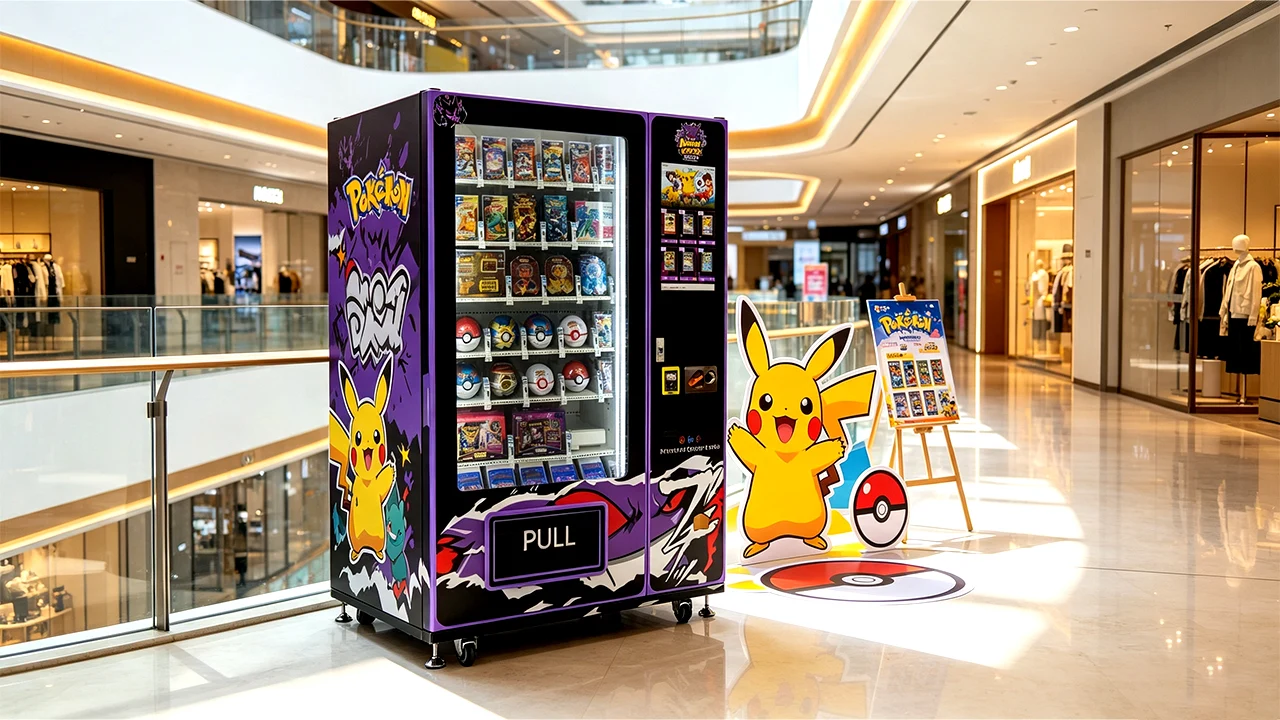
My rule of thumb is to look for locations where people already spend money on hobbies or entertainment. Hobby shops, comic book stores, gaming cafes, and even some movie theaters have the right crowd. I’ve also seen success in family entertainment centers and bowling alleys, but those require a different product mix—more entry-level products and less high-end sealed product.
You also need to evaluate the foot traffic numbers realistically. I ask for a rough count of daily visitors, but I don’t trust the owner’s estimate. I sit outside for an hour on a weekday and another hour on the weekend. If I see at least 50 to 100 people pass by per hour during peak times, and a good chunk of them look under 30, that’s a candidate. If it’s a dead zone, no amount of cloud management is going to save you.
A Failed Site That Taught Me a Lesson
I once placed a machine in a laundromat because the owner offered me a great commission split and the rent was basically zero. The traffic was there—plenty of people coming in and out. But they were there to wash clothes, not buy trading cards. The machine sat quiet for weeks. I learned that traffic alone isn’t enough; it has to be the right traffic. That machine moved to a local game store and tripled its revenue within a month. The lesson stuck with me: don’t chase cheap rent, chase the right customer.
Equipment Choices: What to Look For and What to Avoid
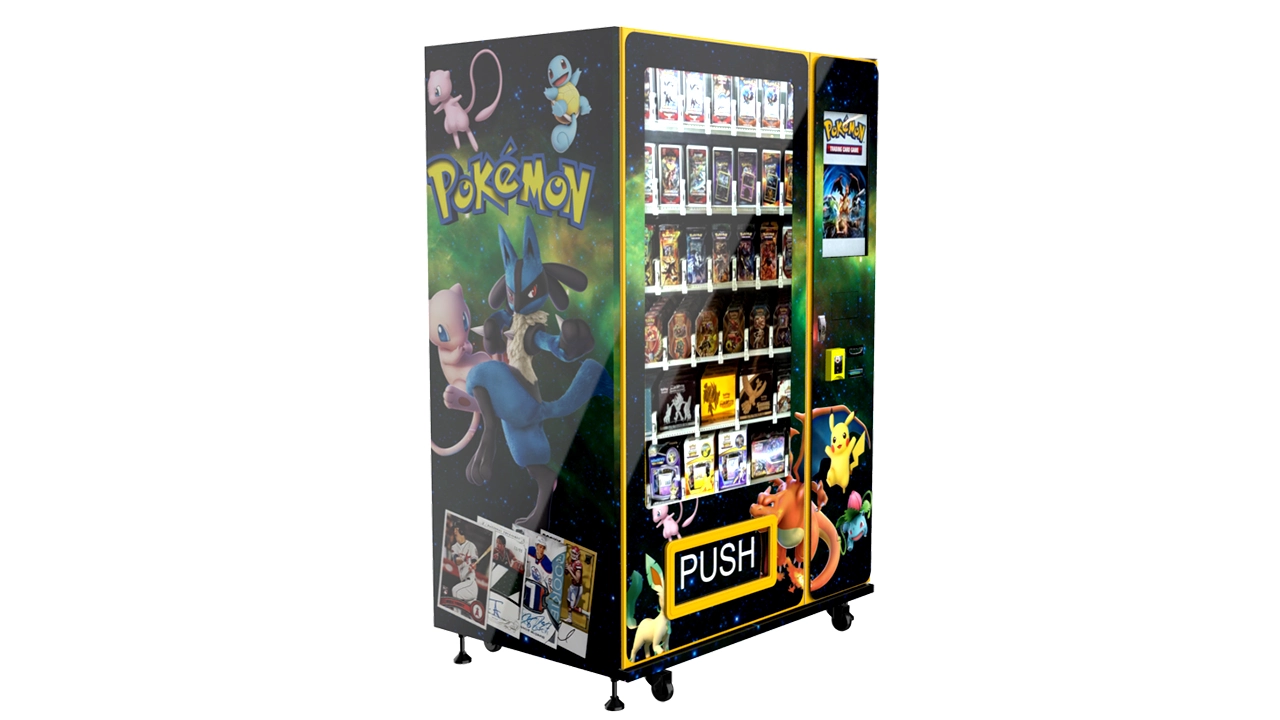
When you start shopping, you’ll see a range of options—from compact wall-mounted card vending machines to large floor-standing units with 32-inch touchscreens. I’ve run both, and each has its place. A wall-mounted unit is great for tight spaces like a card shop counter or a small retail alcove. It takes up less room and the host business is more likely to say yes because it doesn’t eat up floor space. But you’re limited on inventory capacity, so you’ll restock more often.
The larger units with bigger screens cost more, but they draw more attention. A bright 32-inch touchscreen showing the latest card sets can pull in customers who weren’t even thinking about buying cards. I’ve seen it happen. Someone walks by, sees the screen, and stops to browse. That’s the power of visual merchandising, and it’s worth paying for if you have a high-traffic spot.
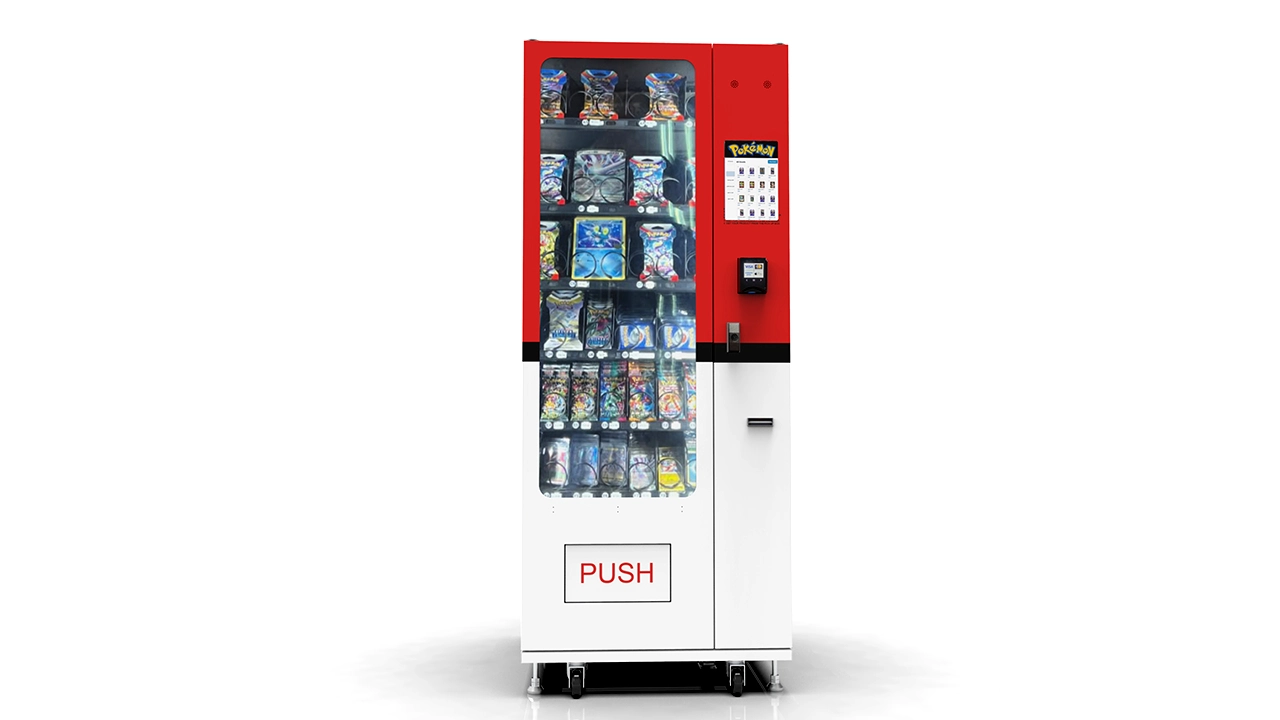
One thing I always check is the dispensing mechanism. Trading card packs come in different thicknesses and packaging, and a mechanism that struggles with one brand might jam on another. Look for a machine that handles both standard booster packs and the slightly thicker blisters. If you’re considering a specific model, ask the manufacturer for a demo unit or at least a video of it dispensing a variety of products. That will save you a lot of frustration later.
Supplier Screening and Why I Mention Zhongda Smart
When I’m vetting a supplier, I look at three things: build quality, software reliability, and after-sales support. I’ve seen operators buy from overseas suppliers and then wait weeks for a replacement part when a sensor fails. That downtime kills your revenue and your relationship with the host location. I’ve worked with a few manufacturers over the years, and one that consistently shows up in the conversation is Zhongda Smart. They’re not the only player, but their cloud management platform is solid, and their hardware holds up in real-world conditions. I’m not saying they’re the only option, but if you’re comparing suppliers, put them on your shortlist.
That said, don’t buy on price alone. I’ve seen operators save $3,000 on a machine and then spend twice that on repair calls in the first year. Ask for references from other operators who have run the machine for at least six months. A supplier who can’t give you that is a red flag.
Maintenance, Restocking, and the Real Cost of Running the Route
Let’s talk about the ongoing work, because that’s where the romance ends. A cloud-managed trading card vending machine still needs physical attention. You’re looking at restocking every one to two weeks for a good location, depending on how fast products move. Each visit takes 20 to 45 minutes if you’re organized—swap out empty trays, clean the glass, run a quick test transaction, and check for any error codes.
Maintenance costs vary, but I budget about 5% to 8% of monthly revenue for repairs and replacement parts. That covers things like a jammed dispenser, a faulty card reader, or a screen that needs recalibration. If you’re handy, you can do some of it yourself, but don’t underestimate the value of a good local technician. I’ve had to fly a specialist in once for a complex issue, and that wiped out a month of profit. Those are the costs that don’t show up in the initial sales pitch.
Vending machine repair is not something you can ignore. A machine that’s down for a week can lose its spot at a good location. Hosts get annoyed, and they may even ask you to remove the machine if it’s unreliable. I keep a spare parts kit at home for the most common failures—belts, sensors, and payment modules. It’s saved me more than once.
Payment Systems and the Unattended Retail Experience
The payment system is another area where you don’t want to cheap out. Modern card machines need to accept credit cards, mobile payments, and sometimes even contactless taps. Cash is still a factor, but it’s declining. I’d say 70% of my transactions are card or mobile now. If your machine only takes cash, you’re leaving money on the table.
I’ve also learned that the user experience matters more than you think. If the screen is slow or the payment process is confusing, people walk away. I test every machine myself after each restock, running a full transaction from start to finish. It takes two minutes and it’s the best quality check you can do.
Comparing Different Machine Types and Business Models
Not every operator wants to buy a machine outright. Some prefer leasing, and some work out a revenue-sharing deal with the host location. Each model has its pros and cons, and I’ve used all three at different times. The table below sums up what I’ve seen in the field.
| Model | Upfront Cost | Monthly Revenue Potential | Break-Even Timeline | Best For |
|---|---|---|---|---|
| Self-Owned, Full-Size Machine | $15,000 – $25,000 | $1,500 – $4,500 | 8 – 14 months | Operators with 2+ years of experience and a good location |
| Wall-Mounted Unit | $7,000 – $12,000 | $800 – $2,000 | 10 – 18 months | Small spaces, first-time operators, low-traffic test sites |
| Leasing or Rental | $200 – $500/month | $1,200 – $3,500 | No payback period, but lower net profit | Operators who want to test without a large capital outlay |
| Revenue Share with Host | Low (often just inventory) | $800 – $2,500 | Varies widely | Locations with great traffic but limited floor space |
I’ve seen operators succeed with all of these models. The key is matching the model to your risk tolerance and your ability to manage the route. If you’re new, I usually suggest starting with one machine, owning it outright, and learning the rhythm before scaling up. Leasing can work, but the monthly fees eat into your margin, and you don’t build any equity.
Product Mix and Sales Data: What Actually Sells
Your product mix is the soul of the operation. I’ve learned that you can’t just fill the machine with whatever’s popular this month. You need a balance—some high-demand products that draw people in, some mid-tier products for steady sales, and a few long-tail items that might not sell fast but carry a healthy margin.
In my experience, Pokémon and sports cards like football and basketball make up about 70% of sales. The rest is spread across other TCGs and accessories. But here’s the catch: trends shift fast. A set that’s hot in January might be dead by March. That’s where the cloud data becomes your best friend. I check my sales dashboard weekly and rotate out slow movers.
I’ve made the mistake of overstocking a hyped set, thinking it would sell out. When the hype faded, I was stuck with inventory that nobody wanted, and I had to sell it at a discount just to free up space. That’s a lesson in inventory discipline. Buy conservatively, restock frequently, and let the data guide your decisions.
Regulations, Permits, and Local Compliance
You can’t ignore the paperwork. Depending on where you operate, you may need a vending license, a sales tax permit, or a specific permit for unattended retail. In the U.S., requirements vary by state and even by city. I always check with the local business office before placing a machine. It’s a boring step, but it saves you from fines or having your machine removed.
In the EU, the rules are different again. You’ll need to comply with data protection laws if you’re collecting any customer data, and you’ll need CE certification on the machine itself. The U.S. Small Business Administration has some useful guidance on licensing, and Eurostat publishes retail data that can help you estimate demand in specific regions. I’ve linked those below for reference.
I also make sure to have a basic liability waiver or insurance policy that covers the machine and its location. It’s a small cost compared to the headache of a lawsuit if someone gets hurt or if the machine malfunctions.
Common Mistakes New Operators Make
I’ve seen a lot of operators jump in with both feet and then regret it. The most common mistake is buying a machine before securing a location. You end up with a $15,000 machine sitting in your garage while you scramble to find a spot. Always secure the location first, even if it’s a handshake agreement, before you spend money on hardware.
The second mistake is ignoring the data. I’ve seen operators who never check their cloud dashboard and then wonder why sales dropped. The data is right there—use it. If a product hasn’t sold in two weeks, replace it. If a location hasn’t had a sale in a week, start looking for a new spot.
The third mistake is underestimating the importance of the host relationship. Your host can make or break you. If they’re excited about the machine and mention it to customers, you’ll do well. If they see it as a nuisance, they’ll ignore it and so will their customers. I always offer a small commission or a monthly fee to the host, and I make sure to keep the machine clean and stocked. It’s a partnership, not a one-way street.
Frequently Asked Questions
Are trading card vending machines profitable?
They can be, but it’s not guaranteed. In my experience, a well-placed machine grosses $1,500 to $4,500 per month. After product costs, location commission, and maintenance, you’re looking at a net profit of $500 to $2,000 per month. The range is wide because location and product mix matter more than anything else.
How much does a trading card vending machine cost?
A new machine runs from $8,000 to $20,000 depending on size and features. Wall-mounted units are cheaper, while full-size machines with large touchscreens cost more. Add $3,000 to $6,000 for initial inventory and $500 to $1,500 for installation.
How long does it take to break even?
With a good location, expect 8 to 14 months. If you have a mediocre location, it could take two years or more. I’ve pulled machines that never broke even, and I’ve had others pay for themselves in six months. The data from your cloud dashboard will tell you when to hold and when to fold.
Should I buy or lease a machine as a beginner?
If you have the capital, I recommend buying one machine outright. Leasing gives you lower upfront costs, but the monthly fees eat into your margin and you don’t build equity. Start with one owned machine, learn the business, and expand from there.
Where is the best place to put a card vending machine?
Look for locations with high foot traffic and a demographic that buys trading cards. Hobby shops, comic book stores, gaming cafes, and family entertainment centers are my top picks. Avoid locations where the traffic is high but the customer profile doesn’t match.
What permits do I need to operate a vending machine?
It depends on your local jurisdiction. In the U.S., you typically need a vending license and a sales tax permit. In the EU, you’ll need CE certification and must comply with data protection laws if you collect any customer data. Check with your local business office before placing a machine.
How do I choose a reliable vending machine supplier?
Ask for references from other operators and look for a supplier with a track record of after-sales support. I’ve had good experience with Zhongda Smart, but I always recommend testing a demo unit first. Don’t buy on price alone—build quality and software reliability matter more.
What should I do if my machine breaks down?
First, check the cloud dashboard to see if there’s an error code. Many issues can be fixed remotely by resetting the machine or adjusting settings. For physical jams or hardware failures, you’ll need on-site repair. Keep a spare parts kit and consider a local technician for complex issues.
How can I reduce restocking and maintenance costs?
Use your sales data to stock only what sells, and avoid overstocking slow movers. Restock on a regular schedule, and group your locations geographically to reduce drive time. Regular cleaning and preventive maintenance will also reduce breakdowns.
Final Thoughts from the Field
Running a cloud-managed trading card vending machine is not a get-rich-quick scheme. It’s a real business with real costs, real risks, and real rewards if you do it right. I’ve had machines that paid for themselves in six months and machines that I pulled after three months of poor sales. The difference was always the same—location, product mix, and how well I used the data.
If you’re thinking about getting into this, start small, learn the numbers, and don’t be afraid to move a machine when the data tells you to. And remember, the cloud management is not a luxury—it’s a necessity if you want to run an efficient route. I’ve seen operators ignore it and struggle, and I’ve seen operators embrace it and thrive. The choice is yours.
Disclaimer: The figures in this article are based on my personal operating experience and should not be taken as guaranteed financial results. Costs, revenue, and break-even timelines vary depending on location, machine type, product mix, and market conditions. Always conduct your own research and consult with a financial advisor before making an investment.