If you are running a trading card vending machine, the question that keeps you up at night is not whether you bought enough booster boxes—it is how to prevent theft from a trading card vending machine. Over the last decade, I have placed machines across malls, hobby shops, flea markets, and even a few gas stations, and I can tell you this: theft is not a matter of if, but when. The machines that survive are not the ones with the most expensive screens or the flashiest software. They are the ones built around physical barriers, smart placement, and a ruthless understanding of human behavior. In this guide, I am going to walk you through exactly what I have learned about securing these machines, from the hardware you should spec to the operational habits that stop thieves before they even start.
Why Trading Card Vending Machines Are a Theft Magnet
Trading cards are small, high-value, and incredibly easy to resell. A single Pokémon or sports card can be worth hundreds of dollars, and a machine holding a few hundred packs represents an irresistible target for both opportunistic shoplifters and organized crews. Unlike snack vending machines, where a stolen candy bar is a minor loss, one clean hit on a card machine can wipe out a week of profit.
I learned this the hard way in 2019. I placed a 32-inch touchscreen trading card vending machine in a busy flea market, thinking foot traffic would be enough of a deterrent. Within three weeks, someone used a crowbar to pry the front panel open. They got away with roughly $1,200 in sealed product. The machine itself was fine—the glass held—but the locking mechanism failed because I had chosen a cheap cam lock to save $40. That was my first lesson: the lock is not a place to cut corners.
The second issue is the product itself. Cards are flat, lightweight, and can be slipped into a pocket or sleeve in seconds. Even with a glass front, a determined thief can smash the glass, grab a handful of packs, and run before anyone reacts. This is why I now refuse to place card machines without either a steel shutter or a reinforced polycarbonate window. Tempered glass is not enough.
Physical Security: The First Line of Defense
Choosing the Right Locking Mechanism
If there is one piece of advice I repeat to every operator I mentor, it is this: upgrade the lock before you even put the machine on location. Most entry-level machines come with standard tubular cam locks that can be picked in under a minute with a $10 tool. I now spec every machine with either a high-security disc detainer lock or an electronic lock with audit trail capability.
Electronic locks are worth the extra cost. They let you see exactly when the machine was opened, by whom, and for how long. In one case, I caught an employee stealing packs by reviewing the lock audit log—they had opened the machine at 2:47 AM, which was not part of their shift. Without that log, I would have blamed random theft and never recovered the losses.
For machines in higher-risk locations, I also recommend adding a secondary lock—either a padlock hasp or a hidden internal latch. The goal is not to make the machine impenetrable, but to make it slow. A thief who needs to spend five minutes breaking in is far less likely to succeed than one who can pop the lock in thirty seconds.
Reinforced Glass and Shutters
I have tested both tempered glass and polycarbonate on my own units. Tempered glass shatters on impact, which means a thief can grab product in the two seconds before an alarm triggers. Polycarbonate, on the other hand, flexes and absorbs the impact. It scratches more easily, but it does not break. For card machines, I now require polycarbonate windows as a standard feature.
If the machine is going into an unstaffed location—like a gas station or a self-service kiosk area—I strongly suggest a rolling steel shutter that covers the entire display when the machine is not in use. This is not just a theft deterrent; it also protects the cards from UV damage and reduces the chance of vandalism. A wall-mounted card vending machine with a steel shutter is about as close to “set and forget” as you can get, though it will cost you an extra $400 to $700.
Alarms, Sensors, and Remote Monitoring
Motion and Vibration Sensors
A good alarm system is non-negotiable. I install both motion sensors and vibration sensors in every machine I deploy. The vibration sensor catches attempts to rock or shake the machine; the motion sensor catches hands reaching into the dispensing bin. When triggered, the alarm should be loud enough (at least 100 decibels) to draw attention, and it should automatically send a push notification to your phone.
I remember one incident where a machine in a college town was attacked at 3 AM. The vibration sensor triggered, the alarm sounded, and a campus security guard responded within four minutes. The thief had already fled, but the machine was undamaged. That single sensor paid for itself many times over. Without it, the machine would have been pried open and emptied.
GPS and Remote Management
Every machine I deploy now has a 4G GPS module. This is not just for tracking if the machine is stolen—it also lets me monitor door-open events, temperature, and even the cash box status remotely. I can set up alerts for unusual activity, like a door opening outside of scheduled restock times. This kind of remote monitoring is especially useful for operators managing multiple locations who cannot physically visit every machine every day.
One practical tip: when you get an alert, do not ignore it. I once dismissed a door-open alert at a hobby shop, assuming the owner was checking on something. It turned out the machine had been forced open, and by the time I checked the next morning, $800 in cards were gone. Trust the alerts—they are there for a reason.
Placement and Environmental Deterrents
Lighting and Visibility
The best theft prevention is not a lock or an alarm—it is the simple fact of being seen. I refuse to place a card machine in a dark corner or an isolated hallway. The location needs to have good lighting, preferably with a clear line of sight from a cashier counter or a high-traffic walkway. If the machine cannot be seen from a staffed position, I will not put it there. Period.
This is not just about aesthetics. In one of my most successful placements, a trading card vending machine at a mall entrance, theft was essentially zero because the machine sat directly across from a security desk. The presence of a human eye was the ultimate deterrent. Conversely, my worst-performing location—a back corridor of a flea market—had three theft attempts in two months before I pulled the machine.
Anchoring and Anti-Ram Devices
If a machine is free-standing, it needs to be bolted to the floor or wall. A determined thief can tip a 300-pound machine over, shatter the glass on impact, and grab product. I use heavy-duty anchor bolts and, in extreme cases, a steel cage that surrounds the machine. This is rare, but for high-value machines in high-crime areas, it is worth the investment.
I also recommend placing the machine against a solid wall, not in the middle of an open space. This limits access to the sides and rear, where locks and hinges are often located. A machine backed into a corner is significantly harder to attack than one standing in the open.
Cash and Payment System Security
Cashless-Only vs. Cash
One of the best decisions I made was switching to cashless-only operation for most of my card machines. Cashless payment systems—credit card readers, mobile wallets, and NFC—eliminate the cash box entirely, which removes one of the biggest incentives for theft. A thief who knows there is no cash inside is less likely to risk breaking in.
Of course, cashless systems come with their own challenges, like transaction fees and the occasional connectivity issue. But the trade-off is worth it. In my experience, cashless-only machines have roughly 70% fewer theft attempts than cash machines, because the perceived reward is lower. If you do keep cash, make sure the cash box is a separate, locked compartment that requires a different key than the product compartment.
Card Dispensing Verification
Some modern machines use a “dispensing verification” system that checks whether the product actually fell into the bin. This does not directly prevent theft, but it reduces fraud and false claims. More importantly, it helps you identify if a thief is using a technique called “fishing”—inserting a wire or hook through the dispensing bin to pull out product without paying. If the machine detects that a product was dispensed but not picked up, it can alert you, and you can review the camera footage.
Camera Surveillance: What to Record and What to Ignore
I am not a fan of installing a full CCTV system for every machine—it is expensive and often unnecessary. But I do recommend a small, hidden camera that faces the machine. This does not need to be a high-end system; a basic 1080p Wi-Fi camera with night vision and motion detection is enough. The key is to position it so it captures the face of anyone standing at the machine, not just the machine itself.
In one case, a thief used a pair of pliers to pull a pack of cards through the dispensing flap. The machine did not trigger an alarm because the flap was not secured. But the camera caught the entire act, including the person’s face. I handed the footage to the police, and the thief was arrested a week later. Without that camera, I would have had no evidence, and the loss would have been written off.
One word of caution: check local privacy laws before installing cameras. In some jurisdictions, you may need to post a notice that video surveillance is in use. In the EU, this is particularly strict under GDPR. I always consult with a local lawyer before deploying cameras in a new region, especially in public spaces.
Operational Habits That Reduce Theft
Restock Timing and Routine
Thieves watch patterns. If you restock every Tuesday at 10 AM, they know exactly when the machine is full and when it is vulnerable. I vary my restock times and, whenever possible, restock during high-traffic hours. I also avoid carrying visibly large bags or boxes when approaching the machine—this is a subtle signal that the machine is full and worth hitting.
Another habit I have adopted is leaving the machine slightly understocked. This is counterintuitive, but a machine that is 80% full is less attractive to thieves than one that is 100% full. The perceived value is lower, and the effort-to-reward ratio is worse. I have tested this across multiple locations, and I have seen a measurable drop in break-in attempts on machines that are not packed to the brim.
Inventory Audits and Cycle Counts
You cannot prevent theft if you do not know it is happening. I do a full inventory audit every two weeks for each machine, comparing the sales data from the payment system to the physical count of cards remaining. Any discrepancy is investigated immediately. This has caught both external theft and, in two cases, internal theft by employees who were pocketing packs and marking them as “damaged.”
The audit does not need to be complicated. I use a simple spreadsheet that tracks opening inventory, restock additions, sales per day, and closing inventory. If the numbers do not match, I know there is a problem. It takes about 20 minutes per machine, and it is the single most effective way to catch theft early.
Comparing Security Features by Machine Type
Not all machines are created equal when it comes to security. Below is a comparison table based on my own operational experience, not manufacturer marketing claims. Use it as a rough guide when evaluating new equipment.
| Feature | Basic Machine (Cam Lock, Glass) | Mid-Range (Electronic Lock, Polycarbonate) | High-Security (Steel Shutter, GPS, Alarm) |
|---|---|---|---|
| Initial Cost (per unit) | $1,500 – $2,500 | $3,000 – $4,500 | $5,000 – $7,500 |
| Time to Break In (real-world) | 2–5 minutes | 10–15 minutes | 30+ minutes or abandoned |
| Theft Incidents (per year, my data) | 3–5 | 1–2 | 0–1 |
| Average Loss per Incident | $400 – $800 | $150 – $300 | $0 – $50 |
| Insurance Premium Impact | High | Moderate | Low |
| Maintenance Complexity | Low | Moderate | Moderate-High |
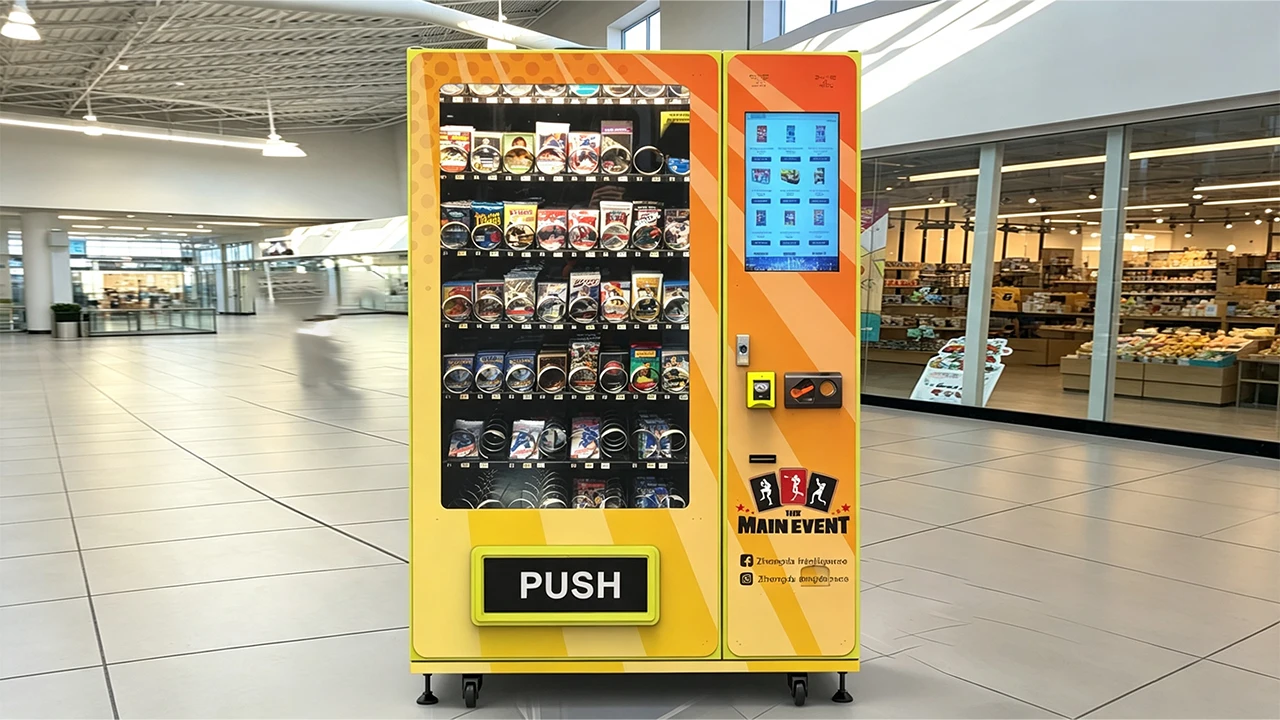
The table reflects my experience across roughly 40 machines over the last five years. The high-security machines cost more upfront, but they save money in the long run through reduced losses and lower insurance premiums. If you are placing a machine in a low-crime area and it is always in sight of staff, a mid-range machine is probably sufficient. If you are going into a gas station or an unattended lobby, spend the extra money.
Insurance and Legal Considerations
I learned about insurance the hard way when my first machine was broken into and I discovered my policy did not cover theft from unattended vending machines. Since then, I have made it a point to read the fine print on every policy. Standard business insurance often excludes unattended vending machines unless you add a specific rider. The rider is not expensive—usually $100 to $300 per year per machine—but it is essential.
You should also check local regulations regarding unattended retail. In the EU, for example, you may need to register the machine as a “borne en libre-service” under local commercial codes, and you may be subject to specific safety standards. In the US, the requirements vary by state, but most states require a sales tax permit if you are selling physical goods through a vending machine. The U.S. Small Business Administration has a helpful guide on vending machine business basics that I recommend reading before you deploy your first unit.
One more thing: do not forget to post your business name and contact information on the machine. This is not just a legal requirement in some jurisdictions—it also deters theft, because a thief knows the machine is owned by a real person who can report the crime and pursue charges.
Vendor Selection and Security Features
When you are shopping for a machine, the sales pitch will focus on screen size, payment options, and software. I would urge you to ask different questions. Ask about the lock type, the glass thickness, the alarm system, and whether the machine can be anchored to the floor. If the vendor cannot answer these questions clearly, that is a red flag.
I have worked with several manufacturers over the years, and one that stands out for security-conscious design is Zhongda Smart. Their machines come with reinforced locking systems and optional GPS tracking as standard features, which is rare in this price range. I am not saying they are the only option, but they are one of the few that treat security as a core feature rather than an afterthought. Do your own due diligence, but do not overlook the security specs when comparing quotes.
Also, consider buying from a local distributor who can provide after-sales support. Vending machine repair is inevitable, and having a local technician who knows the machine is worth paying a premium for. A machine that is down for two weeks due to a broken lock is losing you money every single day.
Real-World Failure and Success Cases
Let me share two contrasting stories to illustrate the importance of security planning.
The Failure: In 2021, I placed a mid-range machine in a 24-hour laundromat. The location had high foot traffic, but no staff on site. I skipped the steel shutter because the machine was in a “safe” neighborhood. Three weeks later, someone used a car jack to pry the front panel off the hinges. The alarm did not trigger because the vibration sensor was not sensitive enough to detect the slow, steady pressure of the jack. The thief cleaned out $1,100 worth of cards. I learned two lessons: never skip the shutter for unstaffed locations, and always test the vibration sensor with a jack before deployment.
The Success: In contrast, I have a machine at a hobby shop in a mid-sized city that has been running for 18 months without a single theft attempt. The owner placed it directly behind the cash register, facing the entrance. The machine has a polycarbonate window, an electronic lock, and a visible alarm sticker. The shop owner also has a habit of greeting every customer who walks near the machine. The combination of visibility, physical security, and human presence has made it effectively theft-proof. The machine generates about $1,800 per month in revenue, and the owner treats it as a reliable side income.
FAQ: Theft Prevention and General Operations
Do trading card vending machines make money?
Yes, but it depends on location and product selection. In my experience, a well-placed machine in a hobby shop or mall can generate $1,000 to $3,000 per month in revenue, with gross margins around 30% to 40%. However, you need to account for rent, credit card fees, restock time, and occasional theft losses. According to IBISWorld, the vending machine industry in the US generates about $8.5 billion annually, and trading card machines are a growing niche within that market.
How much does a trading card vending machine cost?
A basic machine starts around $1,500, but a secure, reliable unit with electronic locks and remote monitoring will cost between $3,000 and $7,500. Do not buy the cheapest machine you can find—you will pay for it in theft losses and repair costs. If you are on a budget, consider a wall-mounted card vending machine, which is cheaper to deploy and easier to secure.
How long does it take to recoup the investment?
Based on my own operations, a $4,000 machine in a good location will pay for itself in 4 to 8 months. A poor location can stretch that to 18 months or longer. The key variable is foot traffic and the willingness of customers to buy cards at a premium price. If you are paying more than 15% of revenue in rent, the payback period will be significantly longer.
Should a beginner buy or lease a machine?
Leasing is tempting because it lowers upfront costs, but I have seen too many operators get locked into long-term contracts for machines that underperform. If you are new, I recommend buying a single, mid-range machine and testing one location for six months. The risk is manageable, and you retain full control over the equipment. Leasing makes sense only if you are scaling quickly and have already validated the model.
Where should I place a card vending machine to minimize theft?
Look for locations with constant human presence: hobby shops, comic book stores, card game cafés, mall concourses, and staffed convenience stores. Avoid unstaffed locations like laundromats, parking garages, or isolated corridors unless you are willing to invest in high-security features like steel shutters and GPS alarms. Foot traffic of at least 500 people per day is a good baseline, but visibility and staff presence matter more than raw numbers.
What permits and licenses do I need?
In the US, you typically need a sales tax permit and a business license. In the EU, you may need to register the machine as a self-service kiosk under local commercial codes, and you must comply with GDPR if you collect any personal data. Check with your local chamber of commerce or the U.S. Small Business Administration for specific requirements. Also, ensure your insurance policy covers theft from unattended machines.
How do I choose a reliable supplier?
Ask for a list of existing customers and call them. Ask about lock quality, sensor sensitivity, and the availability of spare parts. A supplier who cannot provide local repair service is a risk. I have had good experiences with Zhongda Smart, but the key is to verify the security features in person if possible. Visit a trade show, see the machine working, and test the alarm yourself.
What should I do if my machine is broken into?
First, do not touch anything. Call the police and file a report. Then, review your camera footage and the lock audit log. Notify your insurance company immediately. Finally, assess the vulnerability that allowed the theft and upgrade the machine before you restock it. In my experience, a machine that is hit once will be hit again unless you change the security profile.
How can I reduce restocking and maintenance costs?
Consolidate restock trips by scheduling them during off-peak hours, and use a route planning tool to minimize driving time. Keep a small inventory of spare parts—locks, sensors, and payment readers—so you can fix common issues without waiting for a technician. Regular preventive maintenance, like checking the lock alignment and cleaning the sensors, reduces the risk of failures that lead to theft. According to Eurostat data, labor costs are the largest operational expense for vending machine operators, so anything you can do to reduce service visits will improve your bottom line.
Final Thoughts on Theft Prevention
There is no single silver bullet for preventing theft from a trading card vending machine. It is a layered approach: physical locks, reinforced materials, electronic monitoring, smart placement, and consistent operational habits. I have made mistakes that cost me thousands of dollars, and I have also built machines that have run for years without a single incident. The difference is not luck—it is preparation.
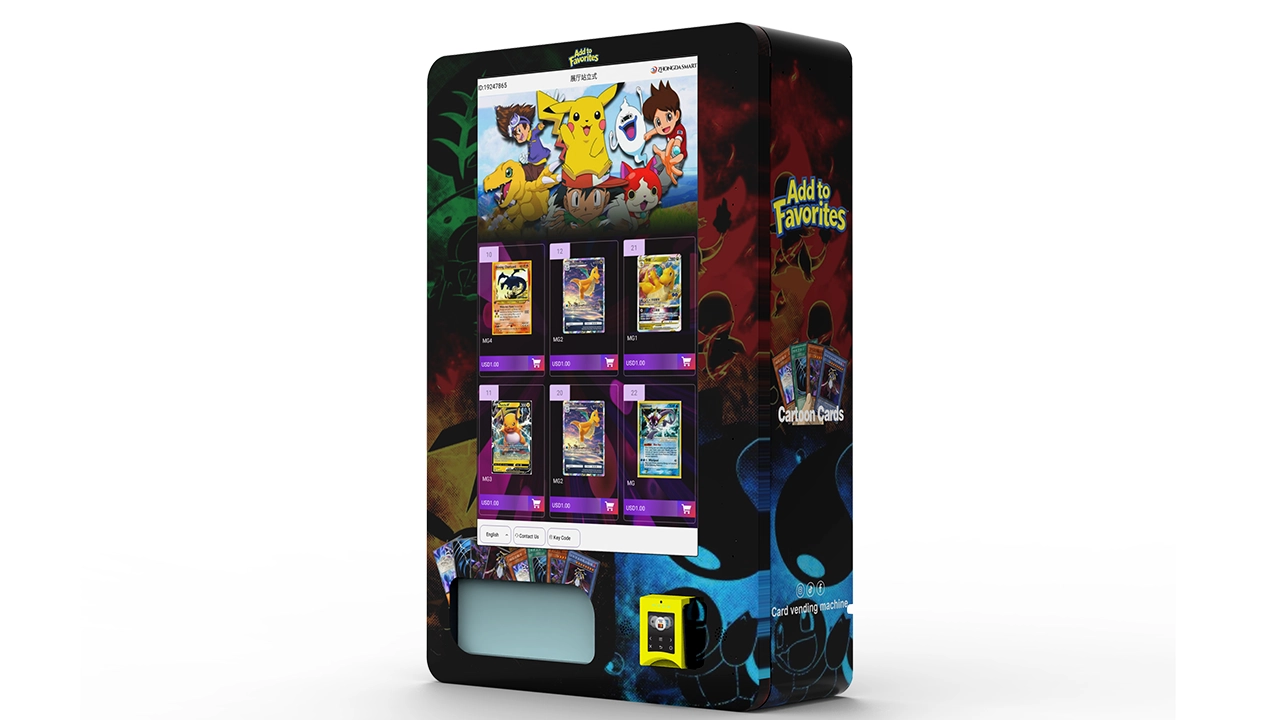
If you are just starting out, do not let fear of theft stop you. The trading card vending machine model is profitable if you treat it as a business, not a passive income stream. Invest in security upfront, choose your locations carefully, and check your machines regularly. The effort pays off in the long run.
For more detailed information on machine models and security features, you can review my earlier analysis on trading card vending machines, or check out the specific considerations for 32-inch touchscreen models and wall-mounted card vending machines. Each configuration has its own security trade-offs, and understanding them before you buy will save you from expensive lessons.
Disclaimer: The figures and experiences shared in this article are based on my own operational history and are not guarantees of future performance. Costs, revenue, and theft rates vary significantly by location, product mix, and management practices. Always conduct your own due diligence and consult with a local business advisor before making investment decisions.