If you are looking into placing a trading card vending machine, the first question is rarely about card prices or inventory—it is about power. Every machine you put on location needs a reliable electrical supply, and the power requirements are not as simple as “plug it in and walk away.” From my decade in the automated retail space, I can tell you that the difference between a profitable route and a headache often comes down to voltage, amperage, and the quality of the outlet at your host location. Understanding the trading card vending machine power requirements before you sign a placement agreement will save you from unexpected electrician bills and machine downtime that eats into your margins.
Why Power Requirements Matter More Than You Think
Most first-time operators assume that any standard 110V outlet will work for a card vending machine. That is true in the simplest sense, but the real issue is whether the circuit can handle the machine’s draw without tripping breakers or causing voltage drops. I have seen machines placed in hobby shops where the only available outlet was shared with a refrigerator and a display case. The result was intermittent resets and a payment system that kept rebooting mid-transaction. That is not a machine defect—that is a power supply problem.
From my experience, the typical card vending machine draws between 2 and 5 amps during normal operation, but the startup surge can be double that. If you are running a machine with a 32-inch touchscreen, internal lighting, and a climate-controlled compartment for sealed booster boxes, you need a dedicated circuit. I always recommend checking the nameplate on the machine for its rated amperage and then verifying that the location’s breaker can handle it without sharing the line with high-draw equipment.
Another point that gets overlooked is the difference between a 15-amp and a 20-amp circuit. Many older commercial buildings in North America still have 15-amp circuits on the floor. If your machine requires 10 amps at peak, you are fine. But if you add a second machine or upgrade to a larger model, you may need to run a new line. I have paid for more than one electrician visit to install a dedicated outlet, and that cost should be part of your initial budget planning.
In Europe, the situation is different because the standard voltage is 230V. If you are sourcing a machine from overseas or planning to operate in the EU, you need to verify that the unit is configured for the local grid. A machine built for the US market will not work on a European outlet without a transformer, and that adds cost and complexity. I have seen operators buy cheap machines from international suppliers without checking the power specs, only to face a costly conversion or a machine that simply will not start.
Understanding the Electrical Specs of a Card Vending Machine
Let me break down the actual electrical components inside these machines so you understand what drives the power requirement. The main consumers are the control board, the payment system, the screen, and any motors or solenoids used for dispensing. A basic machine with a small LCD screen and a simple coil-based dispenser will draw less than a machine with a large touchscreen and a robotic arm that positions the card pack before dropping it to the bin.
I have operated both types, and the difference in power draw is significant. A basic machine might run at 60 to 90 watts during idle and spike to 150 watts when dispensing. A high-end machine with a 32-inch touchscreen and animated graphics can idle at 150 watts and spike to 300 watts. Over a month, that difference adds up on your electricity bill, and if you are paying for the power at the location, it directly affects your net profit.
Here is a practical example from my own route. I had a location where the owner insisted on paying for electricity because he wanted the machine near the checkout counter. The machine was a 32-inch touchscreen model, and his monthly electric bill went up by about $18. That is negligible if the machine is doing $800 in sales per month, but it becomes a real cost if you are only moving $200 in cards. Always factor in the cost of power when you are evaluating a low-traffic location.
Another thing to consider is the power supply unit inside the machine. Cheaper machines often use lower-quality power supplies that are less efficient and more prone to failure. I have had machines where the power supply died after six months, and the replacement cost was $80 plus the downtime. If you are comparing machines from different suppliers, ask about the brand of the power supply and whether it has over-voltage protection. This is one of those small details that separates reliable equipment from constant headaches.
Voltage, Frequency, and Grounding Requirements
In North America, the standard is 120V at 60Hz. Most card vending machines are designed for this, but you should check whether the machine has a universal power supply that can handle 100-240V. If it does, you have more flexibility if you ever move the machine to a different location or sell it to someone in another country. I always look for universal power supplies because they make the equipment easier to resell.
Grounding is another issue that is easy to overlook. A three-prong outlet with a proper ground is essential for both safety and reliable operation. I have seen locations where someone used a cheater plug to bypass the ground because the outlet was old and two-prong. That is a recipe for static discharge that can corrupt the machine’s software or damage the payment terminal. Make it a rule: no ground, no machine.
If you are placing a machine outdoors or in a semi-enclosed area like a garage or a breezeway, you need to think about moisture and power safety. A GFCI outlet is mandatory in these situations to prevent shock hazards. I once placed a wall-mounted card vending machine in a covered patio area of a convenience store, and the GFCI tripped during a rainstorm. The machine was fine, but I had to reset it the next day. That is a minor inconvenience, but it taught me to check the environment before committing to a placement.
Real-World Power Scenarios and My Experience
Let me share a failure case that cost me money and time. A few years ago, I placed a card vending machine in a comic book store that had been in business for decades. The owner was enthusiastic, and the foot traffic was decent. I did not check the outlet situation before signing the placement agreement. On installation day, I discovered that the only available outlet was behind a heavy shelf and shared a circuit with a mini-fridge and a cash register. The machine would run fine for an hour, then the breaker would trip when someone opened the fridge door while the machine was dispensing.
I had to hire an electrician to run a dedicated line from the breaker panel to the machine’s location. That cost me $350 and two days of lost sales. The lesson was simple: always scout the electrical situation before you commit to a location. Now I bring a simple outlet tester and a small load tester to every site visit. It takes five minutes and saves me from future headaches.
On the success side, I had a location at a trading card shop that had recently renovated and installed dedicated circuits for vending machines. The owner understood the need for clean power, and the machine ran flawlessly for over a year. That location became one of my top earners because the machine never had downtime due to electrical issues. The lesson is that a host who understands automated retail is worth their weight in gold.
Comparing Power Requirements Across Machine Types
Not all card vending machines are created equal, and the power requirements vary based on size, features, and dispensing mechanism. To give you a clear picture, I have put together a table based on my experience and common specifications from manufacturers. This is not official data, but it reflects what I have seen in the field.
| Machine Type | Typical Power Draw | Peak Draw | Recommended Circuit | Best Use Case |
|---|---|---|---|---|
| Basic wall-mounted unit | 40-70 watts | 120 watts | 15-amp shared | Low-traffic convenience stores |
| Standard floor-standing model | 80-120 watts | 200 watts | 15-amp dedicated | Hobby shops, card stores |
| Touchscreen model with lighting | 120-180 watts | 300 watts | 20-amp dedicated | High-traffic retail, malls |
| Large multi-rack machine | 200-300 watts | 500 watts | 20-amp dedicated | Comic conventions, large stores |
This table is a starting point, not a definitive specification. Always check the actual documentation for the machine you are considering. The point is that you need to match the machine to the electrical infrastructure of the location. A 20-amp machine placed on a 15-amp circuit is a disaster waiting to happen.
The Relationship Between Power and Machine Reliability
Power quality is not just about whether the machine runs—it is about whether the machine runs reliably over time. Fluctuations in voltage can damage the control board, the payment system, and the screen. I have seen machines that developed intermittent faults because the location had an old wiring system with poor voltage regulation. The machine would work fine for weeks, then suddenly reboot during a transaction. The operator blamed the machine, but the real culprit was the electrical supply.
If you are serious about minimizing vending machine repair and downtime, invest in a surge protector or an uninterruptible power supply (UPS) for your machines. A UPS does not just protect against surges; it also provides backup power during brief outages, which prevents the machine from going into a bad state. I use a basic UPS on my touchscreen machines, and it has saved me from corrupted software and payment system errors multiple times.
Another thing to consider is the temperature of the environment. If the machine is in a location that gets very hot or very cold, the internal components work harder, and the power draw increases. In extreme cases, the machine may shut down to protect itself. I have a machine in a store that keeps its air conditioning at 16°C in the summer, and that machine has been rock solid. Another machine in a store that lets the temperature climb to 30°C has had two power supply failures in a year. The environment matters.
Evaluating a Location’s Electrical Readiness
Before you agree to place a machine anywhere, you need to evaluate the electrical setup. I have developed a simple checklist over the years that I use for every site visit. First, I check the outlet type and whether it is properly grounded. Second, I check the breaker panel to see if the circuit is shared with anything else. Third, I ask the business owner about any known electrical issues or recent renovations. Fourth, I use a multimeter to check the voltage at the outlet to ensure it is within the acceptable range.
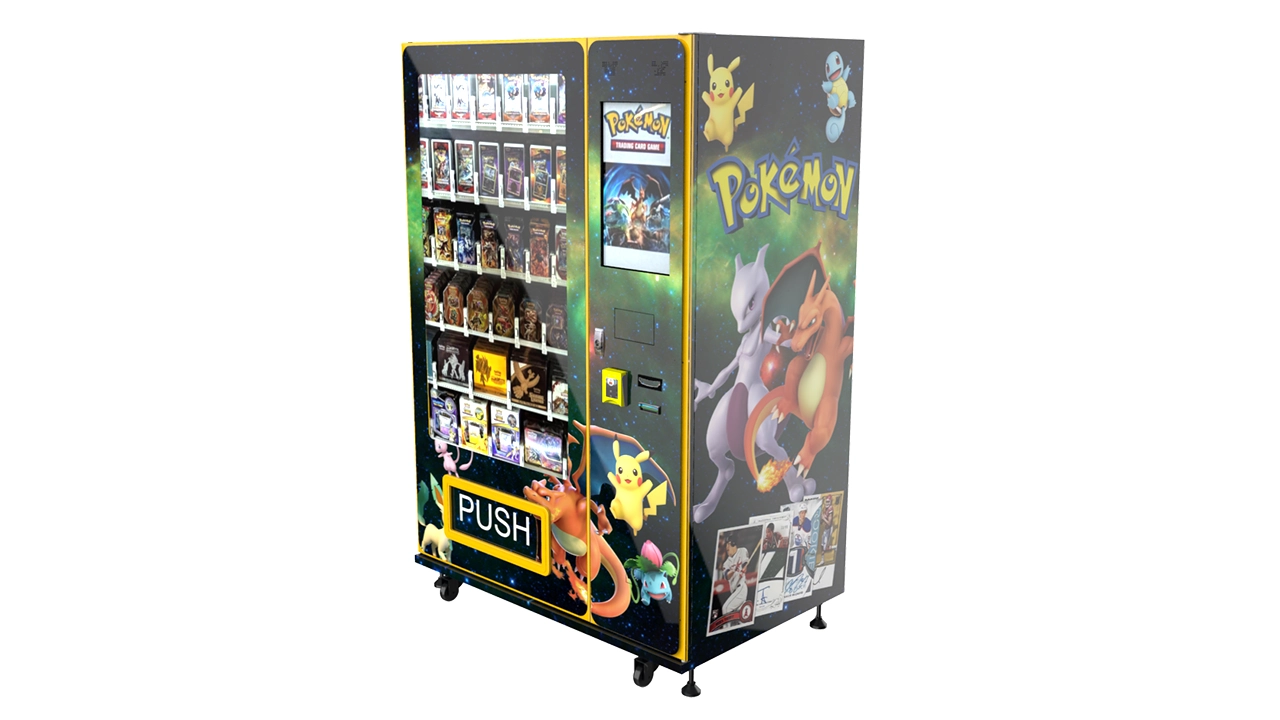
This process takes about 15 minutes, and it has saved me from countless problems. I remember a location that looked perfect on paper—high foot traffic, a card shop with a loyal customer base, and a clean, modern interior. But when I tested the outlet, the voltage was dropping to 105V under load. That is a sign of a weak circuit or a problem with the building’s wiring. I passed on that location, and later I heard that another operator placed a machine there and had nothing but trouble with resets and payment failures.
If you are working with a location that does not have a suitable outlet, you have a few options. You can ask the business owner to have an electrician install a dedicated outlet, but be prepared to share the cost or offer to pay for it yourself. In some cases, the owner is happy to make the improvement because it benefits their business too. In other cases, you will need to walk away and find a location that is ready for your equipment.
Cost Implications of Power Setup
The cost of getting power to your machine varies widely depending on the location and the existing infrastructure. If there is a suitable outlet within reach, the cost is zero. If you need to run a dedicated line, the cost can range from $200 to $500 depending on the distance from the breaker panel and the complexity of the run. I have paid as little as $150 for a simple install and as much as $600 for a run that required drilling through concrete and conduit.
These costs are not huge in the grand scheme of a vending operation, but they are often unplanned. When I started, I did not budget for electrical work, and it came as a surprise. Now I include a contingency line item in my budget for every new placement. I also factor in the cost of a surge protector, which is about $30 to $50. That is cheap insurance compared to the cost of replacing a control board, which can run $200 to $400.
Electricity consumption is another ongoing cost that you need to monitor. A machine that runs 24/7 will consume anywhere from 40 to 200 kWh per month depending on its size and features. At an average commercial electricity rate of $0.15 per kWh, that is $6 to $30 per month. If you are splitting revenue with the host, you need to clarify who pays for the electricity. I have seen agreements where the host pays for power because they benefit from the foot traffic and the convenience for their customers. In other cases, the operator pays for power as part of the placement fee. Make sure this is clear before you sign anything.
Self-Service Kiosk and Automated Retail Trends
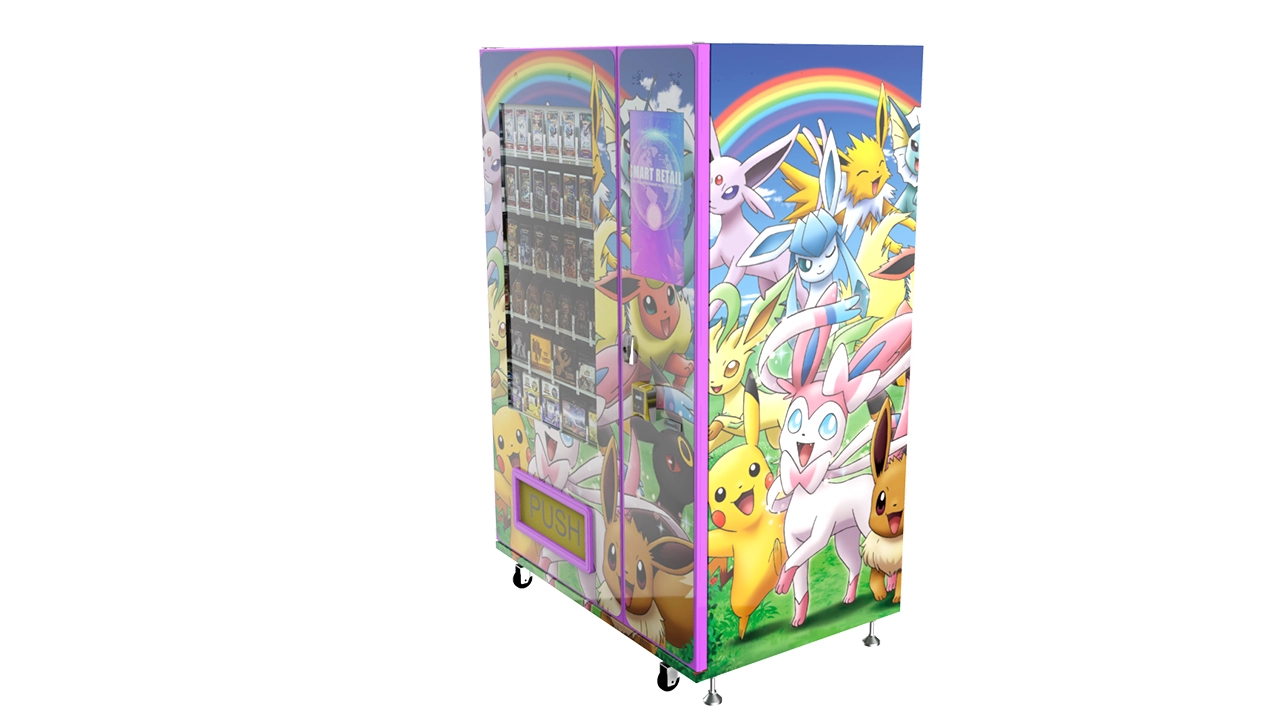
The broader trend in automated retail is moving toward self-service kiosks and interactive machines. These machines are more engaging for customers, but they also require more power. A machine with a large touchscreen, a card reader, and a camera for security will draw more current than a simple coil-based dispenser. As the technology evolves, the power requirements will only increase. If you are planning to stay in this business for the long term, you should look for machines with energy-efficient components and power management features.
I have seen some newer machines that use LED lighting and low-power screens to reduce electricity consumption. These machines are more expensive upfront, but they save money over time. In my experience, the payback period for an energy-efficient machine is about one year when you factor in lower electricity bills and fewer failures due to heat stress. If you are comparing machines from different suppliers, ask about the power consumption and the quality of the components.
Choosing the Right Machine and Supplier
When you are evaluating machines, do not just look at the price tag. Look at the power specifications, the quality of the power supply, and the reputation of the manufacturer. I have had good experiences with machines from Zhongda Smart, which offers a range of card vending machines with solid build quality and reliable power supplies. They are not the cheapest option, but they are dependable, and their customer service has been responsive when I had questions about installation and maintenance.
That said, I always recommend that operators do their own due diligence. Ask for the technical specifications in writing, including the power draw, the type of power supply, and the recommended circuit. If a supplier cannot provide this information, that is a red flag. A reputable manufacturer will have this data readily available and will be happy to discuss it with you.
Another factor to consider is whether the machine is certified for the local market. In North America, look for UL or ETL certification. In Europe, look for CE marking. These certifications ensure that the machine meets safety standards and is less likely to cause electrical problems. I have seen cheap machines from overseas that lacked these certifications, and they were a constant source of trouble.
Maintenance and Power-Related Issues
Power-related maintenance is a significant part of owning a card vending machine. The most common issues I have encountered are tripped breakers, blown fuses, and failed power supplies. These are usually easy to fix if you have the right tools and spare parts. I always carry a spare power supply and a few fuses in my vehicle when I am doing route maintenance. That way, I can fix most problems on the spot without having to order parts and wait for delivery.
I also recommend checking the power connections regularly. Loose connections can cause arcing, which generates heat and can eventually melt the wiring. I had a machine where the power cord was connected to a loose terminal inside the machine, and it caused intermittent shutdowns. The problem was not visible from the outside, but it was easy to diagnose once I opened the machine and inspected the wiring.
If you are not comfortable working with electricity, you should have a vending machine repair technician on call. The cost of a service call is typically $75 to $150, and it is worth it if you are not confident in your ability to diagnose and fix electrical issues. I have learned to do most repairs myself, but I still call in a professional for anything that involves the main power supply or the control board.
Legal and Safety Considerations
There are legal and safety considerations when it comes to the electrical installation of vending machines. In most jurisdictions, you are required to have a licensed electrician perform any permanent wiring work. Plugging a machine into an existing outlet is usually considered a simple connection, but running a new circuit is a different story. I always hire a licensed electrician for any work that goes beyond plugging into an existing outlet. This protects me from liability and ensures that the work is done to code.
You also need to consider the Americans with Disabilities Act (ADA) and similar regulations in other countries. The electrical outlet and the machine’s controls need to be accessible to people with disabilities. This is not just a legal requirement—it is also good for business because it expands your potential customer base. I have seen operators get fined for placing machines in a way that blocked accessible routes, and that is an avoidable mistake.
Location-Specific Power Considerations
Different types of locations have different electrical characteristics. A modern shopping mall will have clean, reliable power and plenty of outlets. An older downtown storefront may have outdated wiring and limited electrical capacity. A big-box retailer will have a dedicated electrical room and professional maintenance staff. A small independent shop may have no idea what is on their circuits. You need to adapt your approach based on the location.
I have found that locations in newer buildings are generally easier to work with because they have more circuits and better wiring. Older buildings are more likely to have issues, and you need to be extra careful. If you are considering placing a machine in an older building, I recommend having an electrician inspect the wiring before you commit. The cost of the inspection is small compared to the cost of dealing with electrical problems later.
Planning for Future Expansion
If you are planning to grow your vending operation, you should think about power requirements from the start. When you are negotiating a placement agreement, ask about the possibility of adding more machines in the future. If the location has the electrical capacity to support multiple machines, you can expand without having to renegotiate the agreement or pay for additional electrical work.
I have also learned to plan for the possibility of upgrading to a larger machine. A location that can handle a small wall-mounted unit may not be able to handle a large floor-standing machine with a touchscreen. If you think there is a chance you will want to upgrade, look for locations that have the electrical capacity to support the larger machine. That way, you can grow your revenue without having to move the machine to a different location.
Data and Industry Context
To give you some context, the vending machine industry is a significant part of the global automated retail market. According to IBISWorld, the vending machine industry in the United States generates over $7 billion in annual revenue. This is a mature industry, but the card vending niche is relatively new and growing. The demand for trading cards has surged in recent years, driven by both nostalgic adults and a new generation of collectors. This has created opportunities for operators who can place machines in the right locations.
According to Statista, the global trading card market is projected to grow at a compound annual growth rate of over 8% through 2028. This growth is supported by the increasing popularity of sports cards, Pokémon cards, and other collectible card games. For vending machine operators, this means there is a steady stream of customers who are willing to spend money on cards, and they often prefer the convenience of a self-service kiosk over a traditional retail counter.
However, it is important to remember that these are market-level trends, and your individual results will depend on your location, your machine, and your ability to manage the operation. The U.S. Small Business Administration emphasizes the importance of thorough market research and financial planning before starting any business. This is especially true for vending machines, where the upfront costs can be significant and the payback period can vary widely.
Practical Recommendations Based on Experience
Based on my years in this business, here is my practical advice for anyone considering a card vending machine. First, do not skimp on the power infrastructure. A dedicated circuit and a surge protector are worth the cost. Second, always scout the location before you commit. Test the outlet, check the breaker, and ask about the building’s electrical history. Third, choose a machine from a reputable manufacturer with good technical documentation. Zhongda Smart is one option, but there are others. Do your research and compare specifications.
Fourth, budget for ongoing maintenance and repair. Even the best machines will need attention from time to time, and you need to be prepared for that. Fifth, monitor your electricity costs and factor them into your profit calculations. A machine that is not generating enough revenue to cover its operating costs is not worth keeping. Sixth, be prepared to walk away from a location if the electrical setup is not suitable. There will always be another opportunity.
Frequently Asked Questions
Are vending machines profitable?
Yes, vending machines can be profitable, but the level of profitability depends on several factors. In my experience, a well-placed card vending machine can generate $300 to $1,500 per month in revenue, with gross margins of 30% to 50% depending on the card types and pricing. However, you need to account for electricity, maintenance, restocking labor, and any placement fees you pay to the host location. A machine in a low-traffic area may only make $100 per month, which is not worth the effort. Profitability is not guaranteed, and you need to be realistic about your expectations.
How much does a card vending machine cost?
A new card vending machine can cost anywhere from $2,000 for a basic wall-mounted unit to $10,000 or more for a large touchscreen model with advanced features. Used machines are available for less, but they come with risks, such as worn components and outdated technology. In my experience, you get what you pay for, and I recommend investing in a quality machine from a reputable supplier. The upfront cost is just one part of the total investment, which also includes installation, electrical work, inventory, and ongoing maintenance.
How long does it take to recoup the investment?
The payback period for a card vending machine varies widely. In a high-traffic location with strong sales, you might recoup your investment in 6 to 12 months. In a slower location, it could take 18 to 24 months or longer. I have seen machines that paid for themselves in three months because they were placed in a popular card shop during a trading card boom. I have also seen machines that never made back their cost because they were in the wrong location. The key is to choose the right location and manage your costs carefully.
Should a beginner buy or lease a machine?
For a beginner, I generally recommend buying a machine rather than leasing. Leasing can be convenient because it reduces the upfront cost, but it often comes with long-term commitments and higher overall costs. Buying a machine gives you more flexibility and control. If you are not sure whether this business is right for you, you could start with a used machine or a smaller, less expensive model. This allows you to test the waters without risking a large amount of capital.
Where is the best place to put a card vending machine?
The best locations are places where people who collect trading cards naturally gather. This includes hobby shops, comic book stores, game stores, and collectibles shops. I have also had success in convenience stores and supermarkets, but the sales volume is lower because the customer base is less targeted. High-traffic locations like shopping malls and entertainment venues can be excellent if you can secure a spot, but the competition is higher and the placement fees may be more expensive.
What permits or licenses do I need?
The permits and licenses you need depend on your local jurisdiction. In most cases, you need a business license and a sales tax permit. Some cities require a vending machine permit or a specific license for automated retail. I recommend checking with your local government to understand the requirements. The U.S. Small Business Administration has resources that can help you find the specific licenses and permits you need for your area.
How do I choose a good supplier?
When choosing a supplier, look for a company with a solid reputation, clear technical documentation, and responsive customer support. Ask for references from other operators and check online reviews. I have had good experiences with Zhongda Smart, but I always recommend that operators do their own research and compare multiple suppliers. Look for a supplier that offers a warranty and has a service network in your region. This will make it easier to get support if you have problems.
What should I do if the machine breaks down?
If your machine breaks down, the first step is to diagnose the problem. Many issues are simple, such as a tripped breaker or a jammed dispenser. If you are not comfortable troubleshooting, you should have a vending machine repair technician on call. The cost of a service call is typically $75 to $150. I recommend having a basic toolkit and spare parts, such as fuses and a spare power supply, so you can handle minor issues yourself.
How can I reduce restocking and maintenance costs?
To reduce restocking costs, choose locations that are close to your home or your main route. This reduces travel time and fuel costs. You should also track your inventory and only stock cards that sell well. To reduce maintenance costs, invest in a quality machine and perform regular inspections. Keep the machine clean, check the power connections, and address small issues before they become big problems.
Final Thoughts on Power Requirements
Power requirements are one of those details that can make or break your card vending machine operation. It is not the most exciting topic, but it is one of the most important. From my experience, taking the time to evaluate the electrical setup at each location and investing in the right infrastructure will save you from countless headaches and unnecessary expenses. The machine is the star of the show, but it is the power supply that keeps the show running.
I have seen too many operators get excited about the potential revenue and rush into a placement without checking the basics. Do not be one of them. Do your due diligence, ask the right questions, and be prepared to walk away from a location that is not ready for your equipment. The trading card vending machine market is growing, and there are plenty of good locations out there. With the right machine, the right location, and the right power setup, you can build a profitable and sustainable operation.
Disclaimer: The information provided in this article is based on my personal experience and is for general informational purposes only. Costs, revenue, and payback periods vary depending on location, market conditions, and operational efficiency. Always consult with a qualified electrician and local business advisor before making any investment decisions.