If you’re serious about getting into the trading card vending machine business, the first question you’re going to ask is simple: what does one actually cost? Based on my decade running automated retail across the US and parts of Europe, I’d say a custom trading card vending machine will set you back anywhere from $8,500 to $28,000 depending on configuration, screen size, and payment stack. But that number is almost meaningless without context. I’ve seen operators spend $30,000 on a machine that sat in a dead mall, and I’ve seen a $12,000 wall-mounted unit pull in $4,000 a month in a solid hobby shop. The hardware is only half the equation—the real cost is what you learn after deployment.
Why Trading Card Vending Machines Are a Different Beast
If you’ve run snack or soda machines, you know the drill: restock weekly, collect coins, replace a broken compressor every few years. Trading card machines are nothing like that. The inventory is high-value, the customers are passionate, and the failure points are completely different. A card machine is essentially a self-service kiosk with a custom dispensing mechanism, touchscreen interface, and often a camera system to verify pulls. That complexity changes your maintenance budget, your security plan, and your profit margins.
I learned this the hard way in 2018 when I placed a custom unit in a comic shop in Ohio. The machine itself cost me $14,200, and I thought I had done my homework. But I ignored the humidity factor. Cards started warping within three weeks because the shop kept the AC off at night. I lost about $1,800 in damaged product before I installed a dehumidifier. That’s the kind of hidden cost nobody puts in the brochure.
Breaking Down the Initial Investment
When I talk to new operators, I break the upfront cost into three buckets: the machine, the setup, and the first inventory load. The machine itself is the biggest chunk, but it’s not the only one. Let me walk you through what I’ve seen across dozens of deployments.
Base Machine Cost by Type
There’s no one-size-fits-all price tag. A basic countertop or wall-mounted card vending machine can run $6,000 to $10,000. A freestanding 32-inch touchscreen model with a card dispenser and LED lighting usually lands between $12,000 and $18,000. If you want a fully custom build—branded wrap, custom shelving, multiple product lanes, integrated scanner—you’re looking at $20,000 to $28,000. I’ve also seen refurbished units go for $4,500, but I’ll get to why I’m cautious about those later.
One thing I always tell operators: don’t cheap out on the payment system. A card vending machine needs to accept credit cards, mobile wallets, and ideally cash. The EMV readers alone can add $800 to $1,500 to the build. But if you skip it, you’re cutting off a huge chunk of younger buyers who never carry cash.
Setup, Shipping, and Installation
Shipping a heavy commercial kiosk isn’t like ordering a toaster. Freight costs for a full-size unit run $400 to $900 depending on distance. Installation—if you’re not handy—adds another $300 to $600. Then there’s the site prep: you might need a dedicated outlet, Wi-Fi extender, or even a concrete pad if you’re going outdoors. I’ve seen operators blow their budget here because they forgot about the electrical work.
First Inventory Load
This is where most people underestimate. If you’re filling a machine with sealed booster packs, single cards, and mystery boxes, you’re looking at $2,000 to $5,000 just to stock it properly. The mix matters. I’ve found that a 60/40 split between sealed product and singles works best in most locations. Sealed packs give you steady turnover; singles give you margin. You need both from day one.
What a Realistic Monthly P&L Looks Like
Let me give you a concrete example from a machine I placed in a suburban mall in Texas in 2023. The unit was a 32-inch touchscreen model, total investment around $16,500 including shipping and install. I stocked it with $3,200 worth of product. In the first month, it grossed $4,800. That sounds great until you subtract the numbers.
- Gross revenue: $4,800
- Cost of goods sold: $2,100 (roughly 44%)
- Location commission: $480 (10% of gross)
- Payment processing fees: $140
- Maintenance reserve: $100
- Net profit: $1,980
That’s a healthy month, but it’s not typical for every site. I’ve had machines in similar malls do half that. The Texas unit worked because it was near a movie theater and a gaming store with heavy foot traffic. Location is everything, and I’ll say it again: location is everything.
Comparing Different Machine Configurations
You need to match the machine to the site, not the other way around. A massive kiosk in a small hobby shop is a waste of floor space. A tiny wall-mounted unit in a busy mall concourse might leave money on the table. Here’s a table I use with clients to help them think through the trade-offs.
| Configuration | Typical Cost Range | Footprint | Best Use Case | Monthly Revenue Potential |
|---|---|---|---|---|
| Wall-mounted basic | $6,000 – $10,000 | Minimal | Small shops, cafes, barbershops | $1,200 – $2,500 |
| Freestanding 32-inch touchscreen | $12,000 – $18,000 | Medium | Malls, game stores, entertainment venues | $2,500 – $5,000 |
| Custom multi-lane kiosk | $20,000 – $28,000 | Large | High-traffic retail, card expos, tourist spots | $4,000 – $8,000+ |
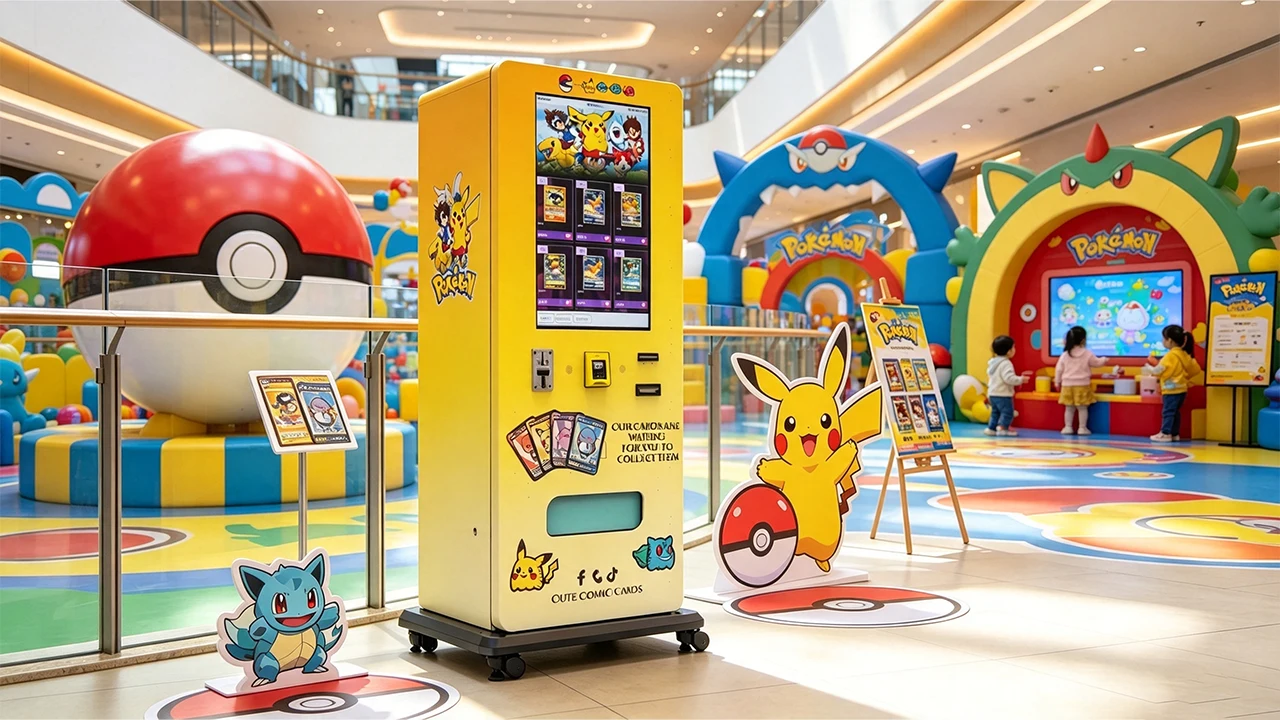
That revenue potential is based on my own operating experience, not a guarantee. I’ve seen custom units do $9,000 a month in a card shop that hosted weekly tournaments. I’ve also seen a 32-inch model do $1,100 in a dying strip mall. The hardware matters, but the site matters more.
The Hidden Costs Nobody Talks About
Beyond the machine and inventory, there are ongoing costs that surprise first-timers. Let me list the ones I see most often.
Maintenance and Repair
Card vending machines have moving parts—dispenser wheels, pusher motors, sensors. Things break. I budget about 5% of gross revenue for maintenance on each machine. That covers everything from a jammed card to a dead touchscreen. If you’re not handy, you’ll pay a technician $80 to $150 per visit. That’s why I recommend learning basic diagnostics yourself. A simple sensor cleaning can save you a service call.
When you’re selecting a supplier, ask about spare parts availability and whether they offer remote diagnostics. Some manufacturers, like Zhongda Smart, include remote troubleshooting in their support package, which can save you days of downtime. I’ve had machines from three different suppliers, and the ones with good remote support were the ones that made me money.
Vending Machine Repair and Downtime
Downtime is the silent killer in this business. Every day your machine is offline, you’re losing revenue and, worse, customer trust. I had a unit in a card shop in Florida go down for nine days because the supplier shipped the wrong replacement part. The shop owner was understanding, but I could tell he was losing confidence. I lost about $700 in sales that week. That’s when I started keeping a spare parts kit on hand—motors, sensors, and a spare payment terminal. It cost me $400 but paid for itself the first time I used it.
Restocking and Labor
If you’re running a single machine, you’ll probably restock it yourself. That’s fine. But if you have five or ten units, you need a schedule. I’ve found that restocking every 7 to 10 days works best for high-volume sites. Each visit takes about 45 minutes if you’re organized. If you’re paying someone else to do it, budget $15 to $20 per visit. That adds up to $60 to $80 per machine per month.
Location Evaluation: The Make-or-Break Factor
I’ve placed machines in card shops, comic stores, malls, bowling alleys, laundromats, and even a couple of airports. The best performers share three traits: foot traffic, dwell time, and a customer base that already buys cards. A card shop is the obvious choice, but not every card shop is a good fit. You need to check their foot traffic, their existing product mix, and whether they see the machine as a partner or a competitor.
For non-card locations, I look for at least 500 people passing by per day. That’s a rough threshold I’ve developed from experience. Below that, the machine just doesn’t get enough eyes. I also look for places where people wait—movie theaters, arcades, food courts. Waiting time translates to impulse purchases.
My Biggest Failure: Ignoring the Site Data
In 2021, I placed a machine in a newly renovated bowling alley. The owner promised heavy weekend traffic and a family crowd. The foot traffic was there, but the demographics were wrong. The kids wanted candy and toys, not $5 booster packs. I pulled the machine after four months, losing about $2,300 after all costs. The lesson wasn’t that the location was bad—it was that the location was wrong for this product. I should have spent two weekends just watching who walked through the door before signing anything.
Return on Investment and Payback Period
Everyone wants a straight answer on payback. Here’s mine: if you’re doing it right, you should recover your total investment in 8 to 18 months. That’s a wide range, but it’s honest. A machine in a great card shop with a net profit of $1,500 a month pays back a $15,000 investment in ten months. A machine in a marginal location doing $700 a month takes over two years. I’ve seen both.
According to IBISWorld, the vending machine industry in the US has seen steady growth, with operators reporting average gross margins around 35% to 45% on product sales. That aligns with my experience on card machines, though card products can push higher margins on singles. Statista also reports that the global vending machine market is projected to grow at a compound annual rate of about 6% through 2028, which tells me the automated retail space is still expanding. But those are macro trends. Your local micro-economics matter more.
Buy vs. Lease vs. Revenue Share
New operators often ask whether they should buy a machine outright or go with a lease or revenue-sharing deal. I’ve done all three, and here’s my honest take.
Buying Outright
This is my preferred route for anyone with capital. You own the asset, you control the location, and you keep 100% of the profit. The downside is the upfront risk. If the machine fails, you’re stuck with hardware you need to relocate or sell.
Leasing
Leasing lowers your upfront cost, but it eats into your monthly profit. A typical lease on a $15,000 machine runs $200 to $350 per month. That’s fine if you’re testing a location, but over two years, you’ll pay more than the machine is worth. I only recommend leasing if you’re truly cash-strapped and have a high-confidence site.
Revenue Share with a Host Location
Some operators offer a host location a percentage of sales in exchange for space and power. That can work well. I’ve done deals where the host gets 10% to 20% of gross revenue. It aligns incentives—they want the machine to succeed because they profit from it. But it also reduces your net margin, so you need higher volume to make it work.
Choosing a Supplier: What I Look For
This is where I’ve seen people get burned. There are dozens of companies selling card vending machines, and not all of them have your best interest in mind. Here’s my checklist after years of dealing with suppliers across China, Europe, and the US.
- Ask for a list of existing operators and call them. Not references they hand you—find your own through forums or Facebook groups.
- Check whether they offer remote diagnostics. This is non-negotiable for me now.
- Ask about spare parts availability. If they can’t ship a motor within 48 hours, walk away.
- Request a video of the specific machine model running a full dispensing cycle. If they hesitate, that’s a red flag.
- Look for a warranty of at least one year on the dispensing mechanism and touchscreen.
I’ve worked with Zhongda Smart on a few custom builds, and they’ve been solid on both hardware quality and after-sales support. Their 32-inch touchscreen model is a workhorse. But I’d say the same thing I tell every operator: don’t buy based on a brand name. Buy based on the supplier’s ability to support you after the sale.
Common Mistakes I See New Operators Make
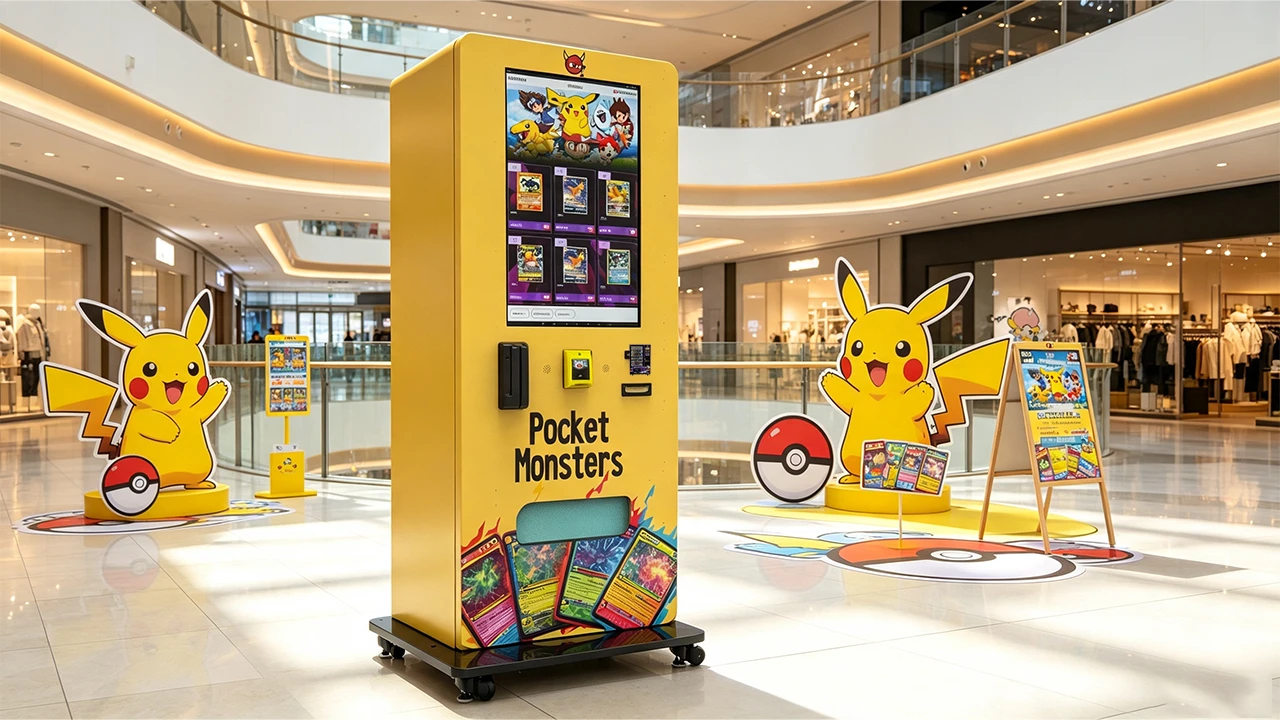
If I had a dollar for every rookie error I’ve witnessed, I’d be retired. Here are the ones that cost the most.
Overpaying for a Machine That’s Overkill
I met a guy in Denver who spent $27,000 on a custom kiosk with a 43-inch screen and a robotic dispenser. He placed it in a small card shop that saw maybe 30 customers a day. The machine was impressive, but it was also overkill. He would have been better off with a $10,000 wall-mounted unit. He’s still paying off that machine two years later.
Ignoring the Payment Experience
Young buyers expect to tap their phone or use Apple Pay. If your machine’s payment system is clunky, they’ll walk away. I’ve seen machines with slow card readers lose sales to the guy selling packs from behind the counter. Speed matters.
Not Tracking Data
You need to know which products sell and which sit forever. I use a simple spreadsheet for each machine, tracking sales by SKU, restock dates, and revenue per visit. That data tells me when to rotate product and when to move the machine. Without it, you’re guessing.
Maintenance and Restocking Best Practices
Let me give you a practical routine that keeps my machines profitable. I check the machine’s remote dashboard every morning. I look for error codes, low inventory alerts, and payment failures. I visit the site every 7 to 10 days to restock and clean the screen. I also wipe down the card dispenser area—dirty machines lose sales.
For restocking, I bring more than just product. I carry a small toolkit, spare sensors, and a portable battery pack for the payment terminal. I’ve learned to always test the dispenser with a dummy card before I leave. There’s nothing worse than driving 40 miles back because you didn’t check the product drop.
Regulations and Permits
You can’t just drop a machine anywhere. Most municipalities require a vending machine permit, and some require a business license. In the US, the requirements vary by state and city. I’ve paid anywhere from $50 to $400 per machine per year in permits. The U.S. Small Business Administration has a good overview of licensing requirements for retail automation, and I’d recommend checking with your local chamber of commerce before signing any location agreement.
If you’re in Europe, the rules are different. Eurostat tracks retail automation data across member states, and some countries have stricter consumer protection rules for automated sales. I’d suggest consulting a local business advisor if you’re operating in the EU. It’s not glamorous, but it’s necessary.
How to Lower Your Operating Costs
There are a few ways I’ve trimmed costs without sacrificing quality. First, buy spare parts in bulk. A set of motors and sensors costs less than half of what you’d pay for a single emergency order. Second, learn to do your own maintenance. It takes a few hours of YouTube tutorials, but it saves you hundreds of dollars per incident. Third, negotiate your payment processing rates. I switched processors and cut my fees from 3.5% to 2.6% per transaction. On a machine doing $4,000 a month, that’s a $36 monthly saving—not huge, but it adds up across ten machines.
When to Pull the Plug on a Machine
Not every location works out. I’ve learned to set a review point: if a machine hasn’t hit at least $1,500 in gross revenue per month for three consecutive months, I start looking for a new home for it. That threshold covers my costs and gives me a reasonable return. I’ve moved machines to better locations and seen revenue double within a month. Don’t be stubborn about a bad site.
Frequently Asked Questions
Are trading card vending machines profitable?
Yes, if you pick the right location and manage your inventory well. In my experience, a well-placed machine can net between $800 and $2,500 per month after all costs. But profitability depends heavily on foot traffic, product mix, and your ability to keep the machine running. I’ve seen machines lose money in bad sites, so don’t assume it’s automatic.
How much does a trading card vending machine cost?
A new custom trading card vending machine typically costs between $8,500 and $28,000, depending on size, features, and configuration. A basic wall-mounted unit can be around $6,000 to $10,000, while a large custom kiosk with a 32-inch touchscreen runs $12,000 to $18,000. You should also budget for shipping, installation, and your first inventory load.
How long does it take to recoup the investment?
Most operators I know recover their investment in 8 to 18 months. That assumes a decent location and consistent restocking. If your machine nets $1,200 per month, a $15,000 investment pays back in about a year. If net profits are lower, expect a longer payback period.
Should a beginner buy or lease a card vending machine?
If you have the capital, buying is usually better because you build equity and keep all profits. Leasing lowers upfront costs but eats into monthly margins. I’d suggest buying a used or smaller unit to start, rather than leasing a machine you don’t own.
Where is the best place to put a card vending machine?
Card shops, comic stores, hobby shops, and entertainment venues are the best spots. Look for places with high foot traffic and a customer base that already buys cards. I look for at least 500 passersby per day and some dwell time, like a waiting area or game tables.
What permits or licenses do I need?
It varies by city and state. Most places require a vending machine permit and possibly a business license. Check with your local government or the U.S. Small Business Administration for guidance. If you’re in Europe, check local and national regulations for automated retail.
How do I choose a supplier for a card vending machine?
Look for a supplier that offers remote diagnostics, has spare parts readily available, and can provide references from existing operators. Ask for a video of the machine in action and ensure the warranty covers the dispensing mechanism and touchscreen for at least a year. I’ve had good experiences with Zhongda Smart, but always do your own due diligence.
What happens if the machine breaks down?
If you have remote diagnostics, you can often identify the issue without a site visit. Keep a spare parts kit with common consumables like motors and sensors. If you’re not comfortable doing repairs, budget for a technician. Downtime is expensive, so I always prioritize quick fixes.
How can I reduce restocking and maintenance costs?
Learn basic repairs yourself, buy spare parts in bulk, and negotiate your payment processing rates. Restock on a regular schedule and track your sales data to avoid overstocking slow-moving items. A little preventive maintenance—like cleaning sensors—goes a long way.
If you’re still on the fence, start small. Pick one location, buy a modest machine, and learn the rhythms of the business. The trading card market is full of passionate buyers, and automated retail is a great way to serve them. But like any business, it rewards careful planning and punishes shortcuts. Do the homework, respect the numbers, and you’ll have a shot at making this work.
Disclaimer: This article reflects my personal experience and should not be taken as financial or legal advice. Costs, revenues, and regulations vary by location and market conditions. Always conduct your own research and consult professionals where appropriate.