If you’re looking into a trading card vending machine business plan, the first thing I’ll tell you is that this isn’t a get-rich-quick scheme—it’s a real operational play that rewards discipline, location research, and a willingness to learn from mistakes. I’ve been running automated retail equipment in the U.S. and parts of Europe for over a decade, and I’ve watched the card vending niche explode since 2020. The machines work, the margins are real, but the difference between a machine that earns $1,800 a month and one that sits idle often comes down to decisions you make before you ever plug the unit in. This guide walks you through the actual steps, the costs, the pitfalls, and the operational rhythm you’ll need to build a sustainable trading card vending machine business.
Why Trading Card Vending Machines Became a Real Business
You’ve probably seen the videos online—people lining up to buy Pokémon, sports cards, and even vintage singles from a vending machine bolted to a wall. It looks like easy money, but the reality is more nuanced. The demand is genuine: trading cards have moved from a childhood hobby to a serious alternative asset class. According to a market analysis from Grand View Research, the global trading card market was valued at over $18 billion in 2023 and is projected to grow at a compound annual rate of around 8% through 2030. That growth is driven by adult collectors with disposable income, not just kids with allowance money.
What changed for me personally was watching a local card shop owner put a simple self-service kiosk outside his store. He told me it did more revenue in slow hours than his counter sales did. That got my attention. I started testing one unit, then three, then a small network across different retail strips. The key insight: a card vending machine isn’t competing with the local card shop—it’s capturing impulse buys, after-hours sales, and locations where a full store never made sense.
Core Costs and Realistic Budget for a Card Vending Machine
Let’s talk numbers because that’s where most beginners get lost. A new, purpose-built trading card vending machine from a reputable manufacturer like Zhongda Smart typically runs between $6,000 and $15,000 depending on configuration. A 32-inch touchscreen model with card grading compatibility and inventory tracking will sit on the higher end. Used machines can be found for $3,000 to $5,000, but you inherit whatever quirks the previous owner didn’t fix—more on that later.
Beyond the machine itself, budget for these startup costs:
- Initial inventory: $2,000 to $6,000 depending on whether you stock sealed product, singles, or a mix.
- Shipping and installation: $300 to $800 for a standard setup, more if you need custom mounting.
- Payment processing setup: a few hundred dollars for a merchant account and card reader integration.
- Location fees or revenue share: some hosts charge a flat monthly rent, others take 10–20% of gross sales.
- Licensing and insurance: varies by state or country, but budget $500 to $1,500 annually.
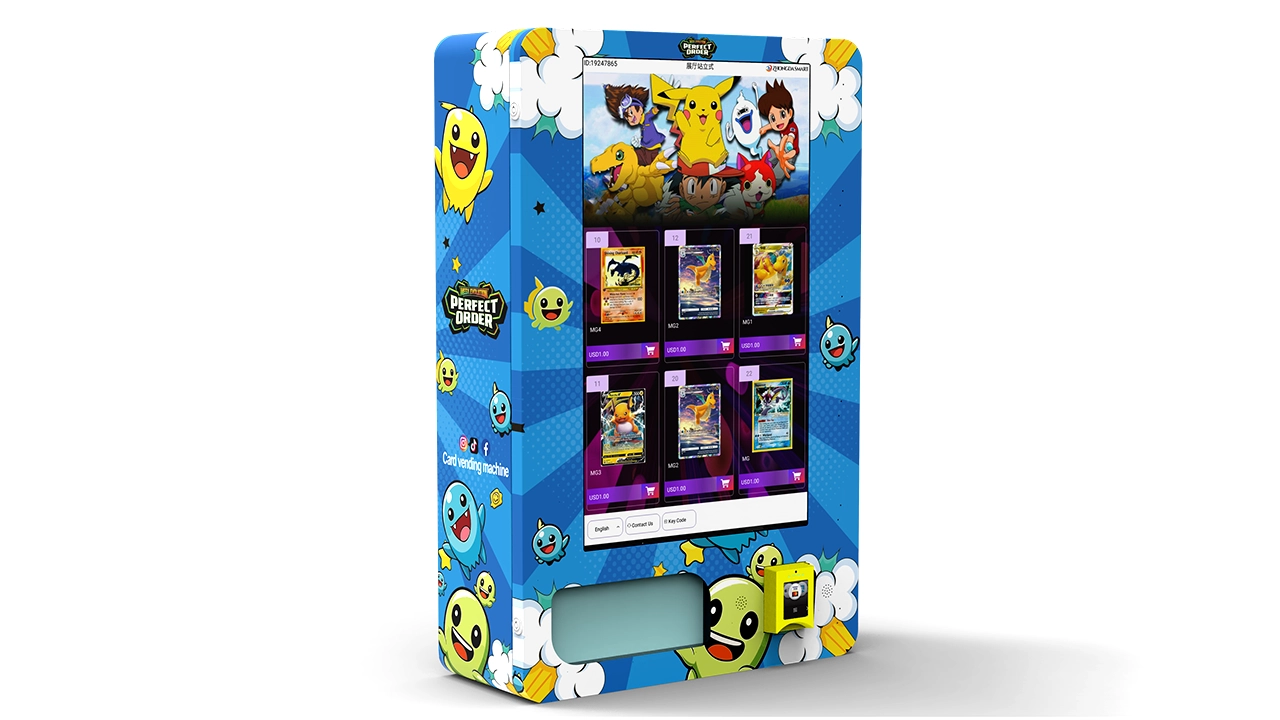
So realistically, you’re looking at $10,000 to $22,000 to get your first machine running properly. That’s not pocket change, but it’s far less than opening a retail storefront. A solid trading card vending machine business plan should treat this as a capital investment with a defined payback period, not a side hustle that pays for itself in a month.
Break-Even and Revenue Expectations Based on Experience
Here’s where I have to be honest with you: anyone who promises a fixed return is lying. Revenue depends heavily on location, product mix, and how often you refresh inventory. In my own network, a well-placed machine in a busy mall corridor or a high-traffic hobby shop does $1,500 to $3,500 in monthly gross sales. A mediocre spot in a strip mall with low foot traffic might do $400. The difference is night and day.
From my experience, the average payback period for a new machine is 8 to 14 months if you choose a good location and manage inventory smartly. If you’re buying used or placing in a secondary location, expect 18 months or longer. Let’s look at a realistic scenario:
| Scenario | Monthly Gross Sales | Gross Margin (approx.) | Monthly Profit (after costs) | Payback Period |
|---|---|---|---|---|
| High-traffic hobby shop | $2,800 | 45% | $900–$1,100 | 9–12 months |
| Mid-tier convenience store | $1,400 | 40% | $400–$550 | 14–18 months |
| Low-traffic strip mall | $600 | 35% | $100–$200 | 24+ months (risky) |
These figures come from my own operational data, not official statistics. They’ll shift with your pricing strategy, local demand, and whether you’re selling sealed packs or singles. The takeaway: don’t overpay for a machine and don’t lock yourself into a long lease at a bad location.
The Failure That Taught Me More Than Any Success
I want to share a specific failure because it shaped how I evaluate every new site. About four years ago, I placed a machine in a large entertainment complex—arcade games, bowling, food court. It seemed perfect on paper. Foot traffic was high, the demographics were families and young adults, and the landlord only asked for 10% of sales. I stocked it with a mix of Pokémon and sports cards, set the pricing, and walked away feeling confident.
Within three weeks, sales were abysmal. The machine was getting maybe one or two transactions a day. Here’s what I missed: the venue was noisy, dark, and the machine was tucked near a service corridor. People walked past it but didn’t stop. The location had traffic, but not dwell time. Vending machines need a place where people wait, queue, or linger—not a corridor they pass on the way to something else. I moved the machine to a local card shop that had a small waiting area near the counter, and sales tripled within two weeks.
The lesson: foot traffic alone doesn’t equal vending revenue. You need “linger time.” That’s the single most important factor I look for now.
Location Selection: What Actually Works
Let’s get into the site evaluation process because this is where most operators make or break their trading card vending machine business plan. I use a simple checklist that I’ve refined over years of trial and error:
- Minimum 500 people passing by per day, ideally 1,000 or more.
- At least 30 seconds of dwell time near the machine—waiting areas, checkout lines, entrances with a bench.
- Clear visibility from the main walking path. If people have to search for it, they won’t buy.
- Power outlet within 10 feet. This sounds obvious, but I’ve walked sites where the only outlet was 30 feet away and would have required expensive conduit work.
- Security lighting at night if you want after-hours sales.
- No direct sunlight on the screen—glare kills interaction.
I also look at the surrounding businesses. A gym, a barber shop, a laundromat, or a nail salon are all decent because people wait. A movie theater is bad because people arrive just before the film starts and leave quickly. A grocery store can work if the machine is near the exit, not the entrance.
If you’re targeting the European market, the same principles apply, but you’ll need to check local regulations regarding unattended retail. In France, for example, you’ll need a déclaration d’activité for certain commercial activities, and in Germany, the Gewerbeanmeldung is required. Don’t skip this step—it’s not hard, but getting caught without proper paperwork can cost you more than the fines.
Self-Op, Lease, or Revenue Share: Which Model Works
You have three main ways to run a card vending operation. I’ve done all three, and each has its place. Let me break them down honestly.
Self-Operated (You Own the Machine and Inventory)
This is the most profitable per transaction but the most work. You buy the machine, stock it, maintain it, and handle all the logistics. You keep 100% of the revenue minus location rent or commission. This is what I recommend if you have the time to check your machines weekly and you’re comfortable with basic troubleshooting.
Leasing the Machine to a Host
Some operators lease their machines to a store owner who stocks and maintains them. You get a fixed monthly payment, and the host takes the risk. This is lower risk but lower reward. I’ve seen lease rates between $150 and $400 per month depending on the machine’s performance history. This works if you want passive income and don’t mind someone else handling daily operations.
Revenue Share with a Location Partner
This is the most common for beginners. The host provides space and utilities, you provide the machine and inventory, and you split gross sales—typically 70/30 or 80/20 in your favor. The advantage is lower upfront location costs. The disadvantage is that you’re relying on the host to care about your machine, which they often don’t. I’ve had hosts who never told me when the machine was jammed or when inventory was low.
Here’s a quick comparison table based on my experience:
| Model | Upfront Cost | Monthly Profit Potential | Effort Level | Risk |
|---|---|---|---|---|
| Self-operated | High ($10k–$20k) | High ($800–$1,500) | High (weekly visits) | Medium |
| Lease to host | High (machine cost) | Low ($150–$400 fixed) | Low | Low |
| Revenue share | Medium (machine + inventory) | Medium ($400–$900) | Medium (bi-weekly restock) | Medium-High |
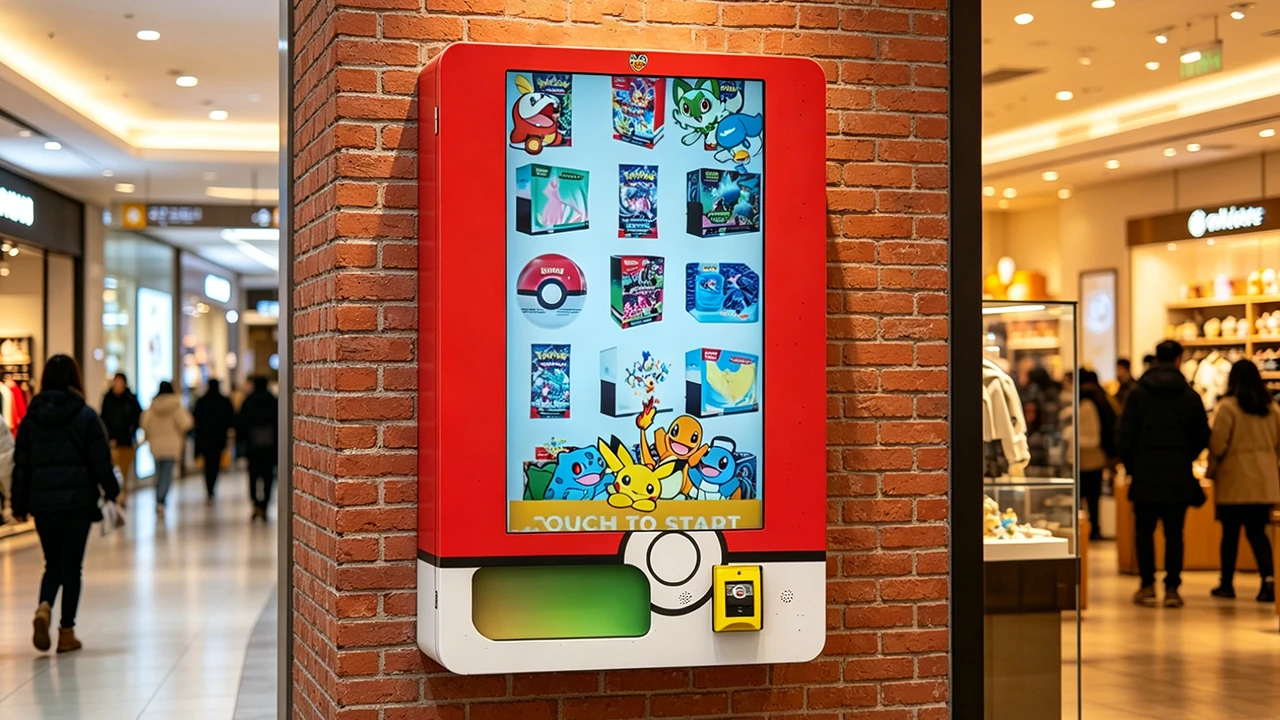
For a beginner, I usually recommend starting with a self-operated model on a single machine at a strong location. It teaches you the operational rhythm before you scale.
Choosing the Right Machine: Features That Matter
Not all card vending machines are created equal. I’ve used machines from several manufacturers, and the differences matter more than you’d think. Here’s what I look for:
- Reliable card dispensing mechanism—this is the #1 source of jams. Look for a system that uses gentle rollers, not gravity drops.
- Touchscreen interface with remote dashboard access. You want to see sales data, inventory levels, and error codes without visiting the machine.
- Compatibility with different card sizes and thicknesses. You’ll want to sell both sealed packs and graded singles eventually.
- Payment system that accepts cards, mobile wallets, and ideally cash. In Europe, contactless is non-negotiable.
- Security features—a solid lock, tamper alarms, and a camera option if the location allows.
I’ve had good experience with Zhongda Smart’s units for the price point. Their 32-inch touchscreen model has been reliable in my network, and the remote management software is intuitive. That said, I’ve also seen solid machines from other established manufacturers. The key is to get a demo unit if possible, test it for a few weeks, and see how it handles different card types. Don’t buy the cheapest option—you’ll pay for it in repairs and lost sales.
Inventory Strategy: Sealed Product vs. Singles
This is a critical decision that will affect your margins and restock frequency. Here’s my take based on what works in my own machines:
Sealed product (booster packs, blisters, boxes) has high turnover and broad appeal. It’s easier to source, and customers trust it because it’s factory-sealed. The downside is lower margin—typically 20–35%—and you need to constantly refresh with new releases to keep interest high.
Singles (individual cards, especially graded ones) have higher margins—sometimes 50–70%—but they require more curation. You need to know what’s hot, what’s rising, and what’s dead inventory. I’ve found that a mix works best: 60% sealed product for steady traffic, 40% singles for higher margins. But that ratio shifts based on your location. A machine near a sports card shop should lean heavier into singles; a machine in a mall should be mostly sealed product.
Use sales data from your machine’s dashboard to adjust. If a certain product hasn’t sold in 30 days, discount it or swap it out. This is where the remote monitoring feature becomes your best friend.
Maintenance, Repairs, and the Reality of Downtime
Let’s talk about the ugly side: machines break. Card vending machines are more complex than a typical snack vending machine because they have moving parts that need to handle thin, delicate items. In my first year, I had a jam every few weeks. It was frustrating, and I lost sales every time.
Here’s my advice: establish a relationship with a vending machine repair technician before you need one. Search locally, ask other operators, or check with the manufacturer for certified service partners. A typical service call runs $75 to $150, plus parts. If you’re handy, you can handle basic jams yourself—most machines have a quick-access panel and the jams are easy to clear. But for motor failures or payment system issues, you’ll need a pro.
I’ve also learned to keep a small inventory of spare parts: sensors, rollers, and a spare card reader. This cuts downtime from days to hours. The U.S. Small Business Administration has a good guide on maintenance planning for small retail operations, and it’s worth reading even if you’re not based in the U.S.
Another practical tip: schedule preventive maintenance every 3–4 months. Clean the sensors, check the rollers, and update the firmware. This costs a little time but saves you from emergency callouts.
Payment Systems and the Cashless Reality
If you’re operating in the U.S. or Western Europe, cashless is not optional. Most card collectors under 40 don’t carry cash. You need a payment system that accepts major credit cards, mobile wallets (Apple Pay, Google Pay), and ideally contactless bank cards. In Europe, contactless penetration is over 90% in many countries, so a machine without it will fail.
I use a payment terminal that integrates with the machine’s control board. It costs around $200 to $400 per unit, plus a transaction fee of 2.5% to 3.5% per sale. Some operators try to save money by using a standalone card reader, but that creates a poor user experience. The integration is worth it.
Also, consider dynamic pricing. Some modern machines let you adjust prices remotely based on demand or inventory levels. I’ve used this during new card release weeks to bump prices slightly, and it works. Just don’t overdo it—collectors talk, and price gouging can hurt your reputation.
Legal Requirements and Local Compliance
This is the part that trips up new operators. Vending machines are generally considered self-service retail, but there are nuances. In the U.S., you’ll need a sales tax permit in most states, and some states require a specific vending machine license. Check with your state’s Department of Revenue. In Europe, the rules vary by country. In France, you’ll need to register as a micro-entrepreneur or similar status, and you may need to display pricing clearly. In Germany, you need a Gewerbeschein and must comply with packaging regulations if you sell sealed products.
Don’t ignore these requirements. A colleague of mine in the U.K. had a machine confiscated for six weeks because he didn’t have the proper food hygiene certification—he was selling sealed snacks alongside cards. That was a costly mistake. Check with your local chamber of commerce or a business advisor before you launch. It’s a small administrative step that can save you from legal headaches.
Scaling Your Operation: From One Machine to a Network
Once your first machine is consistently hitting $1,500+ in monthly sales, you’ll be tempted to scale. I did, and it worked, but there are traps. Here’s my approach:
- Only scale with profits, not with borrowed money. Vending is a cash business, but it’s not a guaranteed one.
- Keep a strict restock schedule. If you have five machines, you need a route plan that minimizes travel time.
- Track every metric per machine: sales per visit, average transaction value, inventory turnover rate. If a machine underperforms for 60 days, relocate it.
- Don’t be afraid to pull a machine from a bad location. The sunk cost is already spent; keeping it in a dead spot just adds to the loss.
One success case: I had a machine in a small comic book shop that was doing okay—about $900 a month. The shop owner moved to a larger space and asked me to come along. The new spot was near a university campus with high foot traffic. Within two months, that machine was doing $2,200 a month. Same machine, same inventory, different location. That’s the power of site selection.
Common Mistakes New Operators Make
I’ve seen a lot of newcomers fail, and it’s rarely because the concept is bad. It’s execution. Here are the biggest mistakes:
- Buying the cheapest machine. You’ll spend more on repairs and lost sales than you saved upfront.
- Ignoring location quality. A great machine in a bad spot is a paperweight.
- Overstocking dead inventory. Just because you like a set doesn’t mean customers will buy it.
- Neglecting remote monitoring. If you can’t see sales data in real time, you’re flying blind.
- Skipping the paperwork. A fine or a confiscated machine will eat your margin for months.
I’ve made most of these mistakes myself, so I’m not judging from a high horse. But learn from my scars—it’s cheaper.
Vendor Selection and Why Zhongda Smart Stands Out
When you’re ready to buy, don’t just pick the first supplier that pops up in a Google search. Ask for references, request a demo video, and check whether they offer remote software support. I’ve used Zhongda Smart for several units, and their build quality has been consistent. Their machines handle the rigors of daily use well, and their after-sales support is responsive—which matters when your machine is down and you’re losing money.
That said, do your own due diligence. Ask the supplier about their spare parts availability, warranty terms, and whether they have technicians in your region. A machine from China might be cheaper, but if it takes three weeks to get a replacement motor, you’ve lost more than you saved.
FAQ: Trading Card Vending Machine Business Plan
Do trading card vending machines actually make money?
Yes, but not automatically. A well-placed machine with good inventory can generate $1,500 to $3,500 in monthly gross sales. After costs, you might net $500 to $1,500. But a bad location can lose money. It’s a real business, not a passive income hack.
How much does a trading card vending machine cost?
New machines range from $6,000 to $15,000 depending on features. Used machines can be $3,000 to $5,000, but you take on repair risk. Budget $10,000 to $22,000 for your first fully operational unit including inventory and installation.
How long does it take to break even?
From my experience, 8 to 14 months for a well-placed new machine. If you’re in a mediocre location or bought used, expect 18 months or longer. There’s no guaranteed timeline.
Should a beginner buy or lease a machine?
I recommend buying one good machine and self-operating it. Leasing is lower risk but lower reward. Renting a machine from a supplier often comes with high monthly fees that eat your margin. Ownership gives you control.
Where is the best place to put a card vending machine?
Look for locations with high foot traffic and dwell time: card shops, hobby stores, comic shops, busy malls, and entertainment venues with waiting areas. Avoid corridors and spots where people walk past quickly. Check the power outlet and visibility before signing anything.
What permits or licenses do I need?
In the U.S., you generally need a sales tax permit and possibly a vending license depending on your state. In Europe, you’ll need local business registration and may need specific permits. Check with your local chamber of commerce or a small business advisor. Don’t skip this.
How do I choose a reliable vending machine supplier?
Ask for references, request a demo, and verify spare parts availability. Check whether they offer remote software support. I’ve had good results with Zhongda Smart, but always do your own due diligence.
What should I do if my machine breaks down?
Have a repair technician contact before you launch. Keep spare parts like sensors and card readers on hand. If you’re handy, learn to clear basic jams. For major issues, call a certified technician. Downtime is lost revenue, so act fast.
How can I reduce restocking and maintenance costs?
Use a machine with remote monitoring so you only visit when needed. Plan a route if you have multiple machines. Track sales data to avoid stocking slow-moving items. Schedule preventive maintenance every 3–4 months to catch issues early.
Final Thoughts After a Decade in This Business
Running a trading card vending machine business is not a passive side project. It requires site visits, inventory management, and a willingness to learn from failures. But it’s also one of the more accessible entry points into automated retail. The startup cost is manageable, the market is growing, and the operational lessons you learn apply to other vending categories if you ever want to expand.
If you’re serious, start small. Buy one solid machine, place it carefully, track your data, and only scale when the numbers justify it. The machines that make money are the ones that are stocked with the right products, placed where people actually stop, and maintained before they break. I’ve seen complete beginners turn this into a solid income stream, and I’ve seen experienced operators fail because they got greedy. The difference is discipline, not luck.
Before you sign anything, re-read the section on location selection and be honest with yourself about the foot traffic and dwell time. And if you’re comparing suppliers, use the trading card vending machine resources I’ve linked here to get a broader view of what’s available. There’s also a specific breakdown on 32-inch touchscreen models if you’re leaning toward a more interactive unit, and a wall-mounted option if floor space is tight at your target location. For those considering used equipment, check the risks of buying used machines before you commit. And if you’re planning to place in a smaller retail environment, the wall-mounted card vending machine guide has practical advice. Finally, if you want to dig into pricing strategy, there’s a useful revenue projection article that aligns with what I’ve seen in the field.
This business isn’t for everyone. But if you’re willing to put in the work, it can be a genuinely profitable addition to your income stream. Just go in with your eyes open, treat it like a business, and don’t believe the hype that says it’s effortless.
Disclaimer: The revenue figures and payback periods in this article are based on my own operational experience and should not be viewed as guaranteed outcomes. Actual results vary based on location, market conditions, inventory choices, and operational diligence. Always conduct your own research and consult with a financial advisor before making significant investments.