If you are searching for a sports card vending machine for sale, the first thing I will tell you after a decade in this business is to stop looking at machines and start looking at foot traffic. The hardware is the easiest part of the equation; the location, the inventory mix, and your willingness to handle maintenance will determine whether you make money or simply park an expensive piece of metal in a dead zone. I have seen too many first-timers buy a beautiful kiosk, place it in a low-traffic strip mall, and wonder why their card sales do not cover the electricity bill. In this guide, I will walk you through what actually works, what does not, and how to avoid the mistakes that cost me over twenty thousand dollars in my early years.
Why Trading Card Vending Machines Are a Different Beast
Unlike snack or soda machines, trading card vending machines sell a high-value, low-weight product with a passionate but unpredictable customer base. You are not selling a $1.50 candy bar; you are selling a $15 pack of Pokémon or a $30 box of NFL cards. This changes everything about your cash flow, your security requirements, and your restocking schedule.
In my experience, the average transaction value on a card machine is five to ten times higher than on a traditional snack machine. That sounds great, but it also means that one bad location with no card collectors nearby will sit idle for weeks. You cannot rely on impulse buys the way you would with chips or soda. The customer has to specifically want trading cards, and they have to trust that your machine is not tampered with or selling dead boxes.
Another difference is the product itself. Trading cards are sensitive to heat, humidity, and light. A machine sitting in direct sunlight for six months will turn your booster boxes into warped, worthless cardboard. I have learned this the hard way, and I will share that story in a moment.
Initial Investment: What a Sports Card Vending Machine for Sale Really Costs
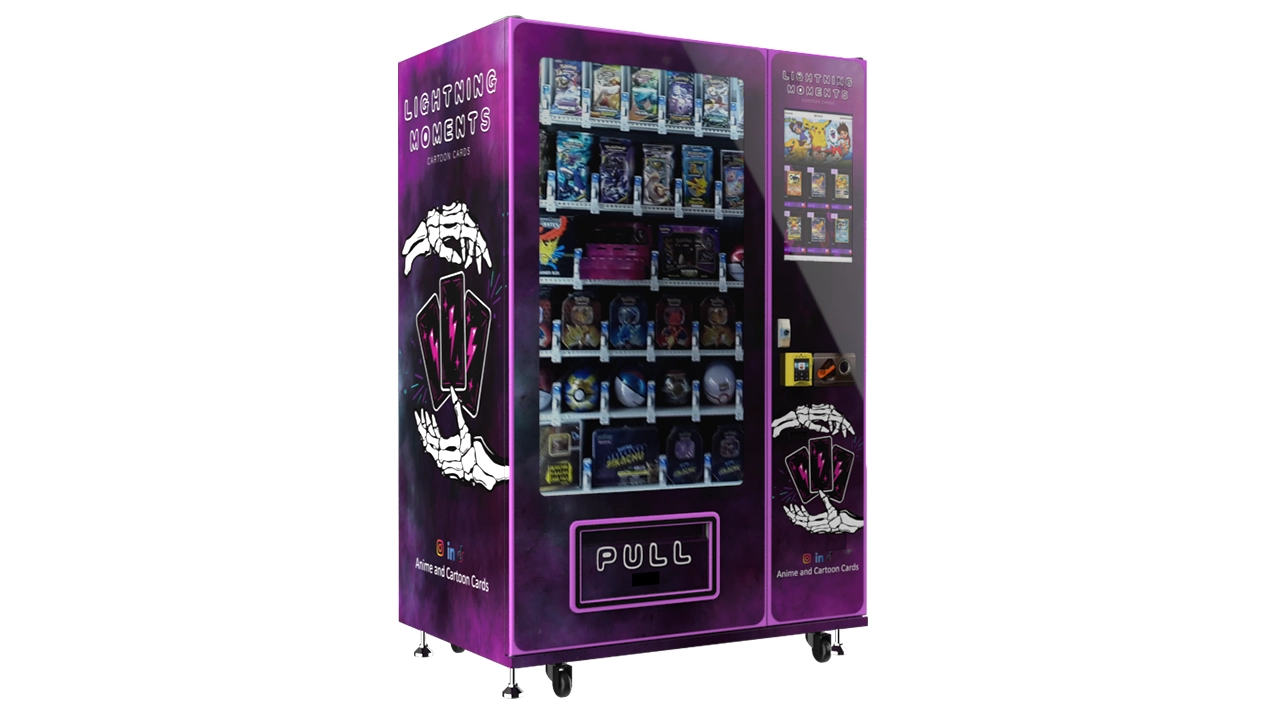
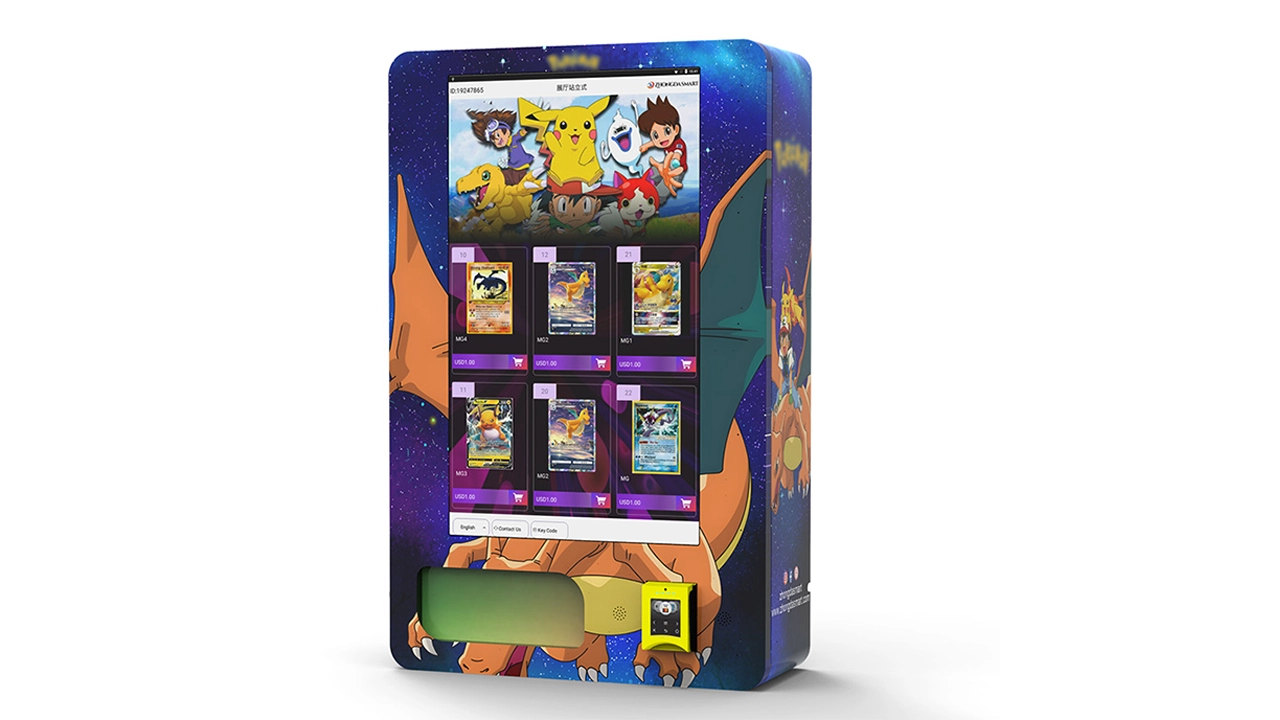
Let me give you the numbers I have seen across dozens of installations over the past decade. A new, basic card vending machine from a reputable manufacturer will run you between $8,000 and $15,000 for a wall-mounted unit. A full-size, 32-inch touchscreen model with secure locking mechanisms and a card dispenser system can cost anywhere from $15,000 to $30,000 depending on the configuration.
If you are looking at a 32-inch touchscreen trading card vending machine, you are paying for the interactive experience, which can be a differentiator if your location has the right demographic. But do not let the screen fool you; the guts of the machine matter more than the display.
Used machines are a trap for most beginners. I have bought three used units in my career, and two of them required major repairs within the first six months. The one that worked was a well-maintained machine from a local operator who was retiring. The other two came from liquidators, and I ended up spending almost half the price of a new machine on replacement sensors, card chutes, and payment systems.
| Machine Type | Price Range (USD) | Typical Lifespan | Monthly Maintenance Cost |
|---|---|---|---|
| Wall-mounted basic card machine | $8,000 – $12,000 | 5–7 years | $50 – $100 |
| Full-size touchscreen card vending machine | $15,000 – $30,000 | 7–10 years | $100 – $200 |
| Used/refurbished card machine | $3,000 – $7,000 | 2–4 years if lucky | $150 – $300 (higher due to repairs) |
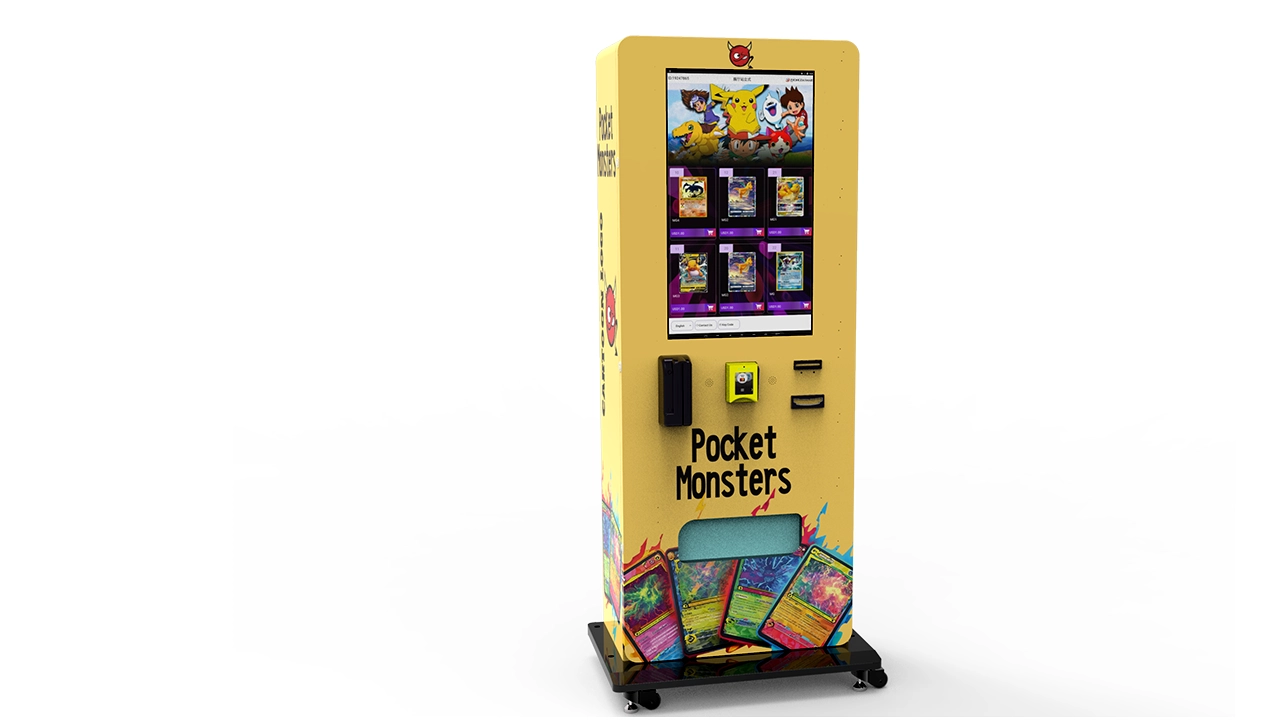
These are my real-world estimates from operating in the United States and working with colleagues in Europe. They will vary based on your location, the vendor, and how well you maintain the equipment.
The Hard Truth About Profit Margins and Return on Investment
I am going to be straight with you: the profit margins on card vending machines are not as fat as the manufacturers claim. Yes, the markup on trading cards can be 40% to 60% if you buy wholesale and sell at MSRP, but you will not always sell at MSRP. You will have dead inventory, damaged boxes, and slow months.
In a good location, a single card vending machine can generate $1,500 to $4,000 in monthly gross revenue. After cost of goods, payment processing fees (which are higher for card transactions at around 2.9% plus 30 cents per transaction), and maintenance, you are looking at a net profit of $500 to $1,500 per month per machine. That is a realistic range based on my own operations and those of fellow operators I have talked with at industry trade shows.
So how long until you break even? If your machine costs $15,000 and you net $1,000 per month, you are looking at 15 months just to recover the hardware cost. That does not include the time you spend restocking, cleaning, and dealing with the occasional broken card dispenser. Most operators I know who succeed are in it for the long haul, not looking for a get-rich-quick scheme.
According to data from IBISWorld, the vending machine operators industry in the US has been growing at about 2.5% annually over the past five years, and the overall market is expected to continue expanding as automated retail becomes more common. That is a positive sign, but it does not mean every machine will print money.
Location: The Single Most Important Decision You Will Make
I have a rule of thumb that I share with anyone who asks me about placing a card machine: if you cannot see at least 500 people pass by the location per day, do not bother. That is not a magic number from a textbook; it is a benchmark I have developed from years of trial and error.
My biggest failure came in 2018 when I placed a card vending machine in a comic book store in a suburban neighborhood. The owner was enthusiastic, the rent was cheap, and I thought the synergy was perfect. But the store only got about 100 visitors per day, and most of them were regulars who already bought their cards from the owner behind the counter. My machine sat there for six months, generating maybe $200 in total revenue. I eventually pulled it out and lost about $3,000 in shipping, installation, and lost inventory.
The lesson? Enthusiasm and synergy do not pay the bills. Foot traffic does.
On the flip side, my best-performing machine is in a regional mall near the food court. The mall has about 15,000 visitors per day on weekends, and even on weekdays it sees solid traffic. That machine does between $3,000 and $5,000 per month, and I have to restock it every three days during peak season. The rent is higher, but the revenue justifies it.
What Makes a Good Location for Card Vending Machines
Here is what I look for when evaluating a potential spot:
- High foot traffic: minimum 500 people per day, preferably more
- Demographic match: areas with families, young adults, or hobbyist communities
- Complementary businesses: game stores, hobby shops, malls, entertainment venues, sports arenas
- Security: well-lit areas with visible surveillance or staff presence
- Accessibility: easy to restock without blocking walkways or requiring special permits
I also pay attention to the local competition. If there are three card shops within a mile, you are fighting for the same customers. If there are zero card shops but a lot of families, that might be a golden opportunity.
New vs. Used vs. Leasing: Which Option Makes Sense for You
This is the question I get asked most often, and my answer changes depending on the person. If you have never operated a vending machine before, I strongly recommend starting with a new machine from a reputable manufacturer. Yes, it costs more upfront, but the warranty and customer support are worth their weight in gold when you are learning the ropes.
Leasing is an interesting middle ground. Some suppliers offer lease-to-own programs where you pay $200 to $400 per month for a machine, and after 24 to 36 months, you own it outright. This lowers your upfront risk, but you end up paying more in the long run. I have used leasing for one of my machines, and it made sense because I was testing a new market and did not want to commit $20,000 to an unproven location.
Used machines are the riskiest option, and I only recommend them to experienced operators who can diagnose and fix issues themselves. If you are not comfortable with basic electronics, card chute alignment, and payment system troubleshooting, stay away from used equipment.
Supplier Selection: How to Avoid Getting Burned
When you are looking for a sports card vending machine for sale, the supplier matters just as much as the machine itself. I have dealt with manufacturers in the US, Europe, and Asia, and I have learned to ask specific questions before handing over any money.
One name that comes up frequently in the automated retail space is Zhongda Smart. They are a Chinese manufacturer that produces a range of vending machines, including card-specific models. I have seen their equipment at trade shows and have spoken with operators who use their machines. The build quality is solid for the price point, and they offer customization options that larger brands sometimes do not. That said, I always recommend that buyers factor in shipping costs, import duties (if applicable), and the availability of local service technicians before committing to an overseas supplier.
Here are the questions I ask every supplier before making a purchase:
- How long is the warranty, and what does it cover?
- Are replacement parts available locally, or do I have to ship them from overseas?
- What is the average response time for technical support?
- Can you provide references from other operators in my region?
- What payment systems does the machine support, and are they compliant with local regulations?
I cannot stress the replacement parts question enough. I once had a card dispenser jam on a machine from a small manufacturer, and it took three weeks to get the part shipped from overseas. That machine sat idle during the holiday season, which is the worst possible time to have a non-functioning unit.
Payment Systems and the Unattended Retail Experience
Modern card vending machines are not just physical dispensers; they are self-service kiosks that need to handle card payments, mobile wallets, and sometimes even cash. In the US and Europe, cashless payments are no longer optional; they are expected. According to Statista, cashless payments in the vending industry have been steadily increasing, with over 60% of vending transactions now made via card or mobile payment in many markets.
When you buy a machine, make sure the payment system supports the most common methods in your area. In the US, that means Visa, Mastercard, Apple Pay, and Google Pay. In Europe, you might also need to support local systems like iDEAL in the Netherlands or Bancontact in Belgium. A machine that only takes coins or bills will severely limit your customer base.
I have also learned that the user experience matters more than people think. A machine with a confusing interface or a slow response time will drive customers away. My most successful machines have a clean touchscreen, clear pricing, and a simple three-step purchasing process: select your product, pay, and collect.
Restocking, Inventory Management, and the Art of Data
Restocking is where most operators lose money without realizing it. You need to track which products sell, which ones sit on the shelf, and when your machine is likely to run out. I use a simple spreadsheet for each machine, but there are also software solutions that sync with your machine’s sales data.
Here is a lesson from my own experience: do not overstock new products. When a new set of Pokémon cards comes out, I buy a small quantity and test the market. If they sell out within a week, I reorder in larger quantities. If they sit for a month, I discount them and move on. This approach has saved me thousands of dollars in dead inventory.
My typical restocking schedule is every 7 to 10 days for a medium-traffic location and every 3 days for a high-traffic mall spot. Each restocking visit takes about 30 to 45 minutes, including cleaning the glass, checking the card chutes, and counting cash if the machine accepts it.
I also recommend keeping a buffer of the top 10 best-selling items on hand at all times. Running out of your bestseller is the fastest way to lose a repeat customer.
Maintenance and Troubleshooting: What You Need to Know
Vending machine repair is not glamorous, but it is inevitable. Even the best machines will have issues with card jams, sensor failures, or payment system glitches. In my experience, the most common problems are:
- Card chute misalignment: cards get stuck or dispense two at a time
- Payment system connectivity issues: the machine cannot process transactions
- Sensor failure: the machine thinks it is empty when it is not
- Temperature and humidity damage: cards warp or become sticky
I have a simple rule: if I cannot fix a problem in 15 minutes with basic tools, I call a professional. Trying to save $100 on a service call by attempting a complex repair yourself can end up costing you $500 in damaged parts and lost revenue.
For operators in Europe, I would point out that the automated retail market is growing, and there are local service providers in most countries. Do not assume you have to ship your machine back to the manufacturer for every issue.
Legal Requirements and Permits: A Quick Overview
The legal side of vending machine operation is often overlooked by beginners. In the US, you typically need a business license, a seller’s permit, and possibly a local vending permit depending on your city or county. The U.S. Small Business Administration has a helpful guide on the types of licenses and permits you might need, and I recommend checking their website before you commit to a location.
In the European Union, the rules vary by country. Eurostat publishes data on retail trade and vending machine operations, but you will need to check with your local chamber of commerce or municipal authority for specific requirements. Some countries require health and safety inspections, while others have specific regulations about automated retail equipment.
One thing I always tell new operators: do not skip the permit process to save $200. I have seen operators get fined and forced to remove their machines because they did not have the proper paperwork. It is not worth the risk.
Common Mistakes and How to Avoid Them
I have made almost every mistake in the book, and I have watched other operators make the same ones. Here are the top five mistakes I see:
- Choosing a location based on cheap rent instead of foot traffic
- Buying a used machine without a thorough inspection
- Overstocking slow-moving products
- Ignoring maintenance until the machine breaks down completely
- Not tracking sales data to inform inventory decisions
My failure with the comic book store location is a perfect example of mistake number one. I was so excited about the partnership that I ignored the numbers. If I had done a simple foot traffic count for a week, I would have realized the location was doomed from the start.
On the flip side, my success in the regional mall came from doing the homework. I spent three weekends at that mall counting visitors, talking to other vendors, and observing the customer demographics. That investment in research paid off tenfold.
Comparing Different Business Models: Self-Operated, Leased, and Revenue Share
There are three main ways to get into the card vending machine business, and each has its pros and cons. Here is a comparison based on my experience and conversations with other operators:
| Business Model | Upfront Cost | Monthly Net Profit Potential | Control | Risk Level |
|---|---|---|---|---|
| Self-operated (you own the machine) | $10,000 – $30,000 | $500 – $1,500 | Full control over inventory and pricing | Medium to high |
| Leased machine | $200 – $400/month | $300 – $1,000 | Limited control; supplier may dictate terms | Low to medium |
| Revenue share with location owner | Minimal (you provide machine and inventory) | $200 – $800 | Shared control; location owner has input | Low |
Revenue share arrangements can be attractive because they lower your upfront risk, but they also reduce your profit ceiling. I have done revenue share deals with two locations, and they work best when the location owner is genuinely invested in promoting the machine. If the owner does not care, the revenue share model falls apart quickly.
Scaling Up: From One Machine to Multiple Locations
Once you have one machine running smoothly, the temptation to scale up is strong. I would advise caution. Adding a second or third machine means more restocking routes, more maintenance, and more administrative work. It is not just a linear increase in effort; it is exponential.
A better approach is to maximize the performance of your first machine before adding another. If you are netting $1,000 per month on one machine, try to get that up to $1,500 by optimizing your inventory and adjusting your location agreement. Only then should you consider expanding.
I currently operate five machines, and I have a full-time route driver who handles restocking. That is a significant overhead cost, but it frees me up to focus on new locations and supplier relationships. If you are a solo operator, I would keep your fleet small and manageable.
Case Study: A Successful Launch in a European Retail Park
In 2021, I worked with a colleague in France who wanted to place a card vending machine in a retail park outside Lyon. The park had about 8,000 visitors per day, mostly families and young adults. We chose a card vending machine with a 32-inch touchscreen and positioned it near the entrance of a toy store.
The first month was slow, with only about $800 in revenue. My colleague was ready to pull the plug, but I convinced him to give it another two months. We adjusted the product mix to include more Pokémon and less sports cards, and we added a promotion that gave a free booster pack with every $50 purchase. By month three, the machine was doing $2,500 per month, and by month six, it was consistently hitting $3,000.
What made the difference? Patience, data-driven adjustments, and a location that actually had the right foot traffic. The toy store synergy brought in the right customers, and the machine became a destination point for kids and collectors alike.
Future Trends: What I See Coming in the Next Five Years
The automated retail space is evolving quickly. I see three trends that will affect card vending machine operators in the coming years:
First, the integration of loyalty programs and digital pre-orders. Machines that can recognize repeat customers and offer personalized discounts will have a competitive edge. Second, the use of dynamic pricing based on demand and inventory levels. If a product is not selling, the machine could automatically lower the price. Third, the expansion of remote monitoring and predictive maintenance, which will reduce downtime and repair costs.
According to a report by IBISWorld, the vending machine industry is increasingly adopting IoT technology, and this trend is expected to continue. Operators who embrace these technologies will be better positioned to compete with traditional card shops and online retailers.
FAQ: Answers to the Questions I Get Asked Most
Are card vending machines profitable?
They can be, but only in the right location with the right product mix. In my experience, a well-placed machine can net $500 to $1,500 per month after all expenses. However, a poorly placed machine will lose money. Profitability depends on foot traffic, rent, and your ability to manage inventory and maintenance effectively.
How much does a card vending machine cost?
A new machine costs between $8,000 and $30,000 depending on size, features, and manufacturer. Used machines can be cheaper, but they come with higher repair risks. Leasing is also an option, with monthly payments typically ranging from $200 to $400.
How long does it take to recoup the investment?
In a good location, you can expect to break even in 12 to 24 months. In a mediocre location, it might take 36 months or longer, and in a bad location, you may never break even. I always recommend preparing for the worst-case scenario before committing capital.
Should a beginner buy or lease a machine?
If you have no experience, I recommend leasing or buying a new machine with a solid warranty. Leasing lowers your upfront risk, but buying new gives you full control and a longer lifespan. Avoid used machines unless you have repair skills.
Where is the best place to put a card vending machine?
High-traffic areas with a demographic that matches card collectors: malls, entertainment venues, hobby shops, and family-oriented retail centers. Avoid low-traffic locations even if the rent is cheap.
What permits do I need to operate a card vending machine?
In the US, you typically need a business license and a seller’s permit. Some cities require a specific vending permit. In the EU, requirements vary by country, so check with your local authorities. The U.S. Small Business Administration offers guidance on this topic.
How do I choose a reliable supplier?
Ask for references, check the warranty terms, verify that replacement parts are available locally, and test the payment system integration. If you are considering an overseas supplier like Zhongda Smart, factor in shipping and potential import duties.
What should I do if my machine breaks down?
Start with basic troubleshooting: check the power supply, inspect the card chutes, and test the payment system. If you cannot fix it in 15 minutes, call a professional. Do not try to save money by ignoring the problem, as downtime will cost you more in lost revenue.
How can I reduce restocking and maintenance costs?
Track your sales data to know exactly what to stock and how much. Use a consistent restocking schedule and batch your visits to multiple machines in the same area. Invest in a machine with reliable components to minimize breakdowns.
Disclaimer: The figures and estimates in this article are based on my personal experience as a vending machine operator and do not constitute a guarantee of financial performance. Costs, revenue, and profitability vary significantly based on location, market conditions, and operational decisions. Always conduct your own research and consult with relevant local authorities before making business investments.