If you are asking whether Pokemon card vending machines are profitable, the short answer is yes—but only if you treat them like a serious retail business, not a lottery ticket. I have spent over a decade placing vending equipment across shopping centers, grocery stores, and hobby shops in North America and Europe, and I have watched the trading card category explode into one of the most lucrative automated retail niches I have ever seen. The demand for Pokemon, One Piece, and sports cards is real, and the margins are genuinely impressive when you get the location and machine type right. But I have also seen operators lose thousands by buying the wrong equipment, ignoring foot traffic data, or assuming every card machine prints money. In this article, I will break down the real costs, realistic timelines, and the operational mistakes that separate profitable card vending machine operators from the ones who quietly sell their machines at a loss.
Why Trading Card Vending Machines Became a Real Business
I remember the first time a store owner asked me about selling Pokemon cards through a vending machine back in 2018. I thought he was joking. At that point, vending was all about snacks, drinks, and maybe the occasional phone charger. But then I started watching the secondary market for sealed Pokemon products, and the numbers were impossible to ignore. Booster packs that retailed for four dollars were selling for double that on eBay. Collectors were lining up at big box retailers on restock days, and supply simply could not keep up with demand.
That is when I realized the vending model was not about convenience—it was about access. A card vending machine gives you a way to sell high-demand sealed product 24 hours a day, seven days a week, without needing a staffed register. The machines also solve a major retail pain point: theft. When you put Pokemon cards behind a glass counter, you still have to watch them constantly. When you put them in a secure automated kiosk, the product is locked, visible, and paid for before the door even opens. That security factor alone convinced me this category was worth a serious test.
By 2021, I had three card machines live in different locations, and the results were so strong that I started advising other operators on how to build their own networks. I have seen single machines pull in over six thousand dollars a month in the right spot, and I have seen identical machines sit idle in the wrong one. The difference is never the machine itself. It is the location, the product mix, and the operator’s willingness to treat restocking like a weekly discipline rather than an afterthought.
What a Card Vending Machine Actually Costs
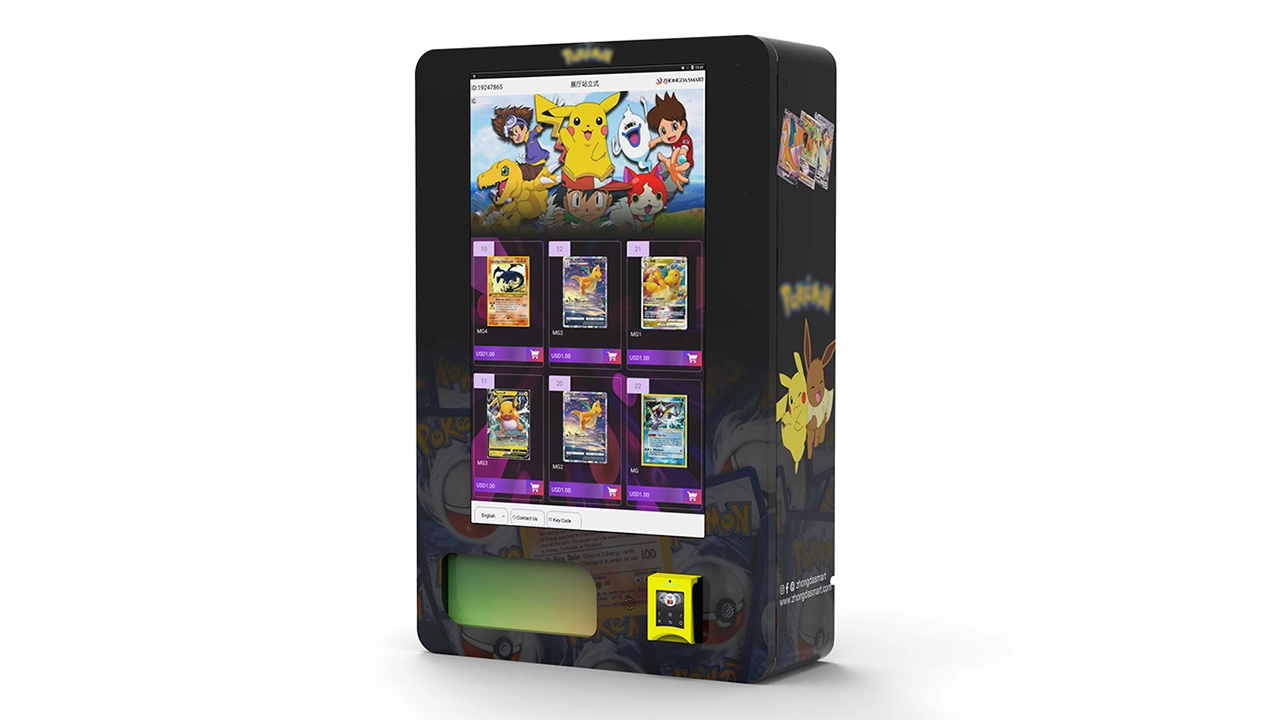
Let me start with the numbers that matter most. A brand new, purpose-built trading card vending machine with a 32-inch touchscreen and secure dispensing system typically costs between $8,000 and $15,000 depending on the manufacturer and configuration. If you buy a smaller wall-mounted unit, you can get in for around $4,000 to $6,000, but you will also have lower capacity and fewer product slots. Used machines are available for less, but I will get into the risks of buying used equipment later in this article because that decision has burned more new operators than almost anything else.
On top of the machine itself, you need to budget for shipping, installation, and site preparation. Freight costs for a full-size machine can run $300 to $800 depending on distance. If you need a dedicated power outlet installed, that is another $200 to $500 from a licensed electrician. I also recommend budgeting for a card reader and cash payment system upgrade, because older machines sometimes come with outdated payment hardware that does not accept tap-to-pay or mobile wallets. A modern payment system adds roughly $500 to $1,200 to your initial investment.
Here is a quick breakdown of what I tell new operators to expect for a single full-size card vending machine deployment:
| Cost Item | Estimated Range | Notes |
|---|---|---|
| New card vending machine (full-size) | $8,000 – $15,000 | 32-inch touchscreen, secure dispensing, multiple product slots |
| Wall-mounted unit | $4,000 – $6,000 | Lower capacity, better for tight spaces |
| Shipping and freight | $300 – $800 | Varies by distance and machine weight |
| Payment system upgrade | $500 – $1,200 | For tap, mobile wallet, and card acceptance |
| Initial inventory | $2,000 – $5,000 | Sealed booster packs, boxes, and accessories |
| Installation and electrical | $200 – $500 | If a dedicated outlet is required |
That puts your realistic entry point for a single full-size machine at roughly $11,000 to $20,000 before you see your first dollar in revenue. If that number makes you uncomfortable, you should not be in this business. But if you can handle the upfront cost and you have a location with real foot traffic, the upside is substantial.
How Much Money Can a Pokemon Card Vending Machine Make
I have to be honest with you: anyone who promises you a fixed monthly profit from a card vending machine is lying. Revenue depends heavily on location, product selection, and how often you restock. That said, I can give you realistic ranges based on my own operating history and the numbers I have seen across dozens of machines.
In a high-traffic location like a busy Walmart-adjacent shopping center, a well-stocked card machine can generate $3,000 to $6,000 in monthly gross sales. In a mid-tier location like a hobby shop or a large grocery store, the range is more like $1,500 to $3,000. In a bad location, you might see $300 to $600 a month, which will not even cover your inventory carrying cost. I have pulled machines from locations that did not hit $500 in a month, and I have also had machines that sold out in three days.
Gross margin on sealed Pokemon product is typically 30% to 50% if you buy at wholesale or distributor pricing. That means on $4,000 in monthly sales, you are looking at $1,200 to $2,000 in gross profit before operating costs. After you subtract rent, payment processing fees, and restocking labor, a good machine can net $800 to $1,500 per month. A great machine in the perfect location can net $2,500 or more. A poor machine loses money every single day it stays on location.
According to data from IBISWorld, the vending machine operator industry in the United States has grown steadily over the past five years, with revenue reaching approximately $8.3 billion in 2024. That growth is driven partly by the shift toward specialized machines like card dispensers, which offer higher margins than traditional snack vending. The broader trend toward automated retail is also visible in European markets, where Eurostat data shows a continued rise in self-service retail turnover across member states.
Real Case Study: The Location That Made Me a Believer
In 2022, I placed a full-size card vending machine inside a large hobby and game store in the Pacific Northwest. The store owner was skeptical at first, but he had a constant problem with shoplifting and wanted to test a secure self-service kiosk. I set up the machine with a mix of Pokemon booster packs, sports card blisters, and a few higher-priced mystery boxes that I sourced directly from a trading card distributor.
The first month, the machine did $2,800 in sales. The second month, it did $4,100. By the fourth month, it was doing over $5,500 consistently, and the store owner asked me to add a second machine. The key was that the store already had a built-in audience of collectors who came in weekly for tournaments and singles. The machine simply captured demand that was already there but was being lost to theft or lack of staff availability at the counter.
That experience taught me a valuable lesson: the best card vending machine locations are not necessarily the busiest places in town. They are places where the target audience already gathers. Hobby stores, game cafes, comic shops, and even certain supermarkets with a strong toy section can outperform a high-traffic mall location if the demographic is right. Foot traffic matters, but targeted foot traffic matters more.
Real Case Study: The Failure That Cost Me Money
I do not like admitting this, but I have made mistakes in this business, and one of them cost me nearly six thousand dollars. In early 2023, I placed a card machine in a busy transit hub near a commuter rail station. The foot traffic was massive—over 20,000 people passed through daily. I thought it was a guaranteed win. I did not pause to think about whether those commuters were actually buying trading cards on their way to work.
The machine sat there for three months and averaged just over $400 in monthly sales. The rent was $250 a month, and I was paying a restocking service another $150 per visit. I was losing money from day one. The problem was not the machine or the product. It was the audience. Commuters were not carrying Pokemon cards to the office. They were buying coffee and sandwiches, not booster packs.
I eventually moved that machine to a family entertainment center near a movie theater, and within six weeks it was doing over $2,000 a month. The lesson was painful but clear: you cannot rely on raw foot traffic numbers alone. You have to understand the buying behavior of the people walking past your machine. A thousand people who love Pokemon cards is worth more than ten thousand people who do not.
Choosing the Right Card Vending Machine
Not all card vending machines are created equal. I have tested machines from several manufacturers, and I have strong opinions about what matters most. First, look for a machine with a reliable dispensing mechanism. Some cheaper machines use a simple spiral or coil system that can jam on booster packs with slightly damaged packaging. That is a nightmare because every jam means a lost sale and a service call.
Better machines use a robotic arm or a smart conveyor system that can handle a variety of product sizes. I have seen machines from Zhongda Smart that use a more advanced dispensing system, and they handle sealed product boxes much more reliably than some of the budget options I tested early on. I am not saying you should buy from any specific brand, but I am saying you should prioritize mechanical reliability over flashy features. A machine that dispenses correctly 99% of the time is worth more than one with a bigger screen and a higher jam rate.
You also want a machine with remote monitoring capability. This is non-negotiable in my opinion. A machine that can send you real-time sales data, inventory levels, and error alerts will save you hours every week. If a machine does not offer remote monitoring, you are flying blind. You will either restock too often and waste labor, or you will restock too late and miss sales. Both are expensive mistakes.
Payment systems are another critical factor. Your machine must accept credit cards, debit cards, and mobile payments. Cash-only card vending machines are a relic of the past, and they will kill your sales volume. According to a Statista report on payment preferences, cash accounted for only about 16% of U.S. transactions in 2023, and that number continues to decline. If your machine does not accept modern payment methods, you are excluding more than 80% of potential buyers.
Where to Place Card Vending Machines for Maximum Profit
I have already told you about my transit hub failure, so let me give you a more structured way to evaluate locations. When I assess a potential site, I look at three things: the existing audience, the purchase intent, and the competition. If the location already sells trading cards at a counter, that is a strong signal that demand exists. If the location has a toy section but no dedicated card display, that is also a good sign because it means untapped demand.
I also look at the demographics of the surrounding neighborhood. Trading cards are primarily bought by parents for children aged 8 to 14, and by collectors aged 20 to 40. If the location is near schools, family entertainment venues, or hobby-focused retail, that is a positive signal. If the location is primarily office workers and commuters, I pass.
Here is a quick comparison of different location types based on my experience:
| Location Type | Monthly Sales Potential | Key Risk | My Verdict |
|---|---|---|---|
| Hobby / game store | $3,000 – $6,000+ | Limited hours if store is closed | Best for consistent collector traffic |
| Family entertainment center | $2,000 – $4,500 | Seasonal swings | Strong if near arcade or theater |
| Grocery store | $1,200 – $3,000 | Impulse buyers may not know value | Good for steady, lower-risk volume |
| Transit hub | $300 – $800 | Wrong audience | Avoid unless you know the demographic |
| Mall / shopping center | $1,500 – $4,000 | High rent and foot traffic variance | Only if mall has toy or hobby anchors |
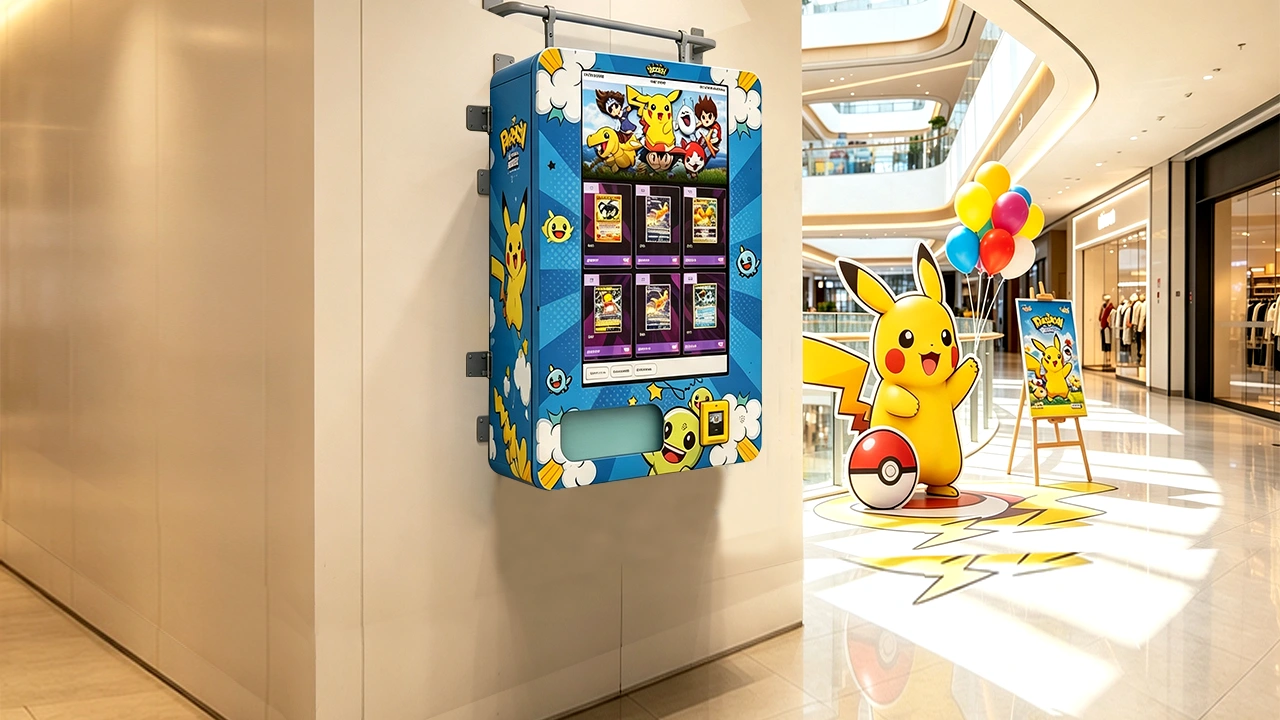
Rent is another major factor. I have paid anywhere from zero to $400 per month for machine placement. In hobby stores, I often negotiate a commission split instead of a flat rent, which is usually better for both parties. In larger retail locations, you will typically pay a flat monthly fee or a percentage of sales. Never agree to a long-term lease for a location you have not tested. Start with a three-month pilot agreement whenever possible.
Restocking and Inventory Management
Restocking is where most operators lose their profit margin. If you have to drive 30 minutes each way to fill a machine that only sold $200 worth of product, you are burning money. The solution is to build a restocking schedule based on sales data, not on a fixed calendar. A machine that sells through 60% of its inventory in a week needs to be restocked twice a week. A machine that sells 10% in a week needs to be restocked once every two weeks.
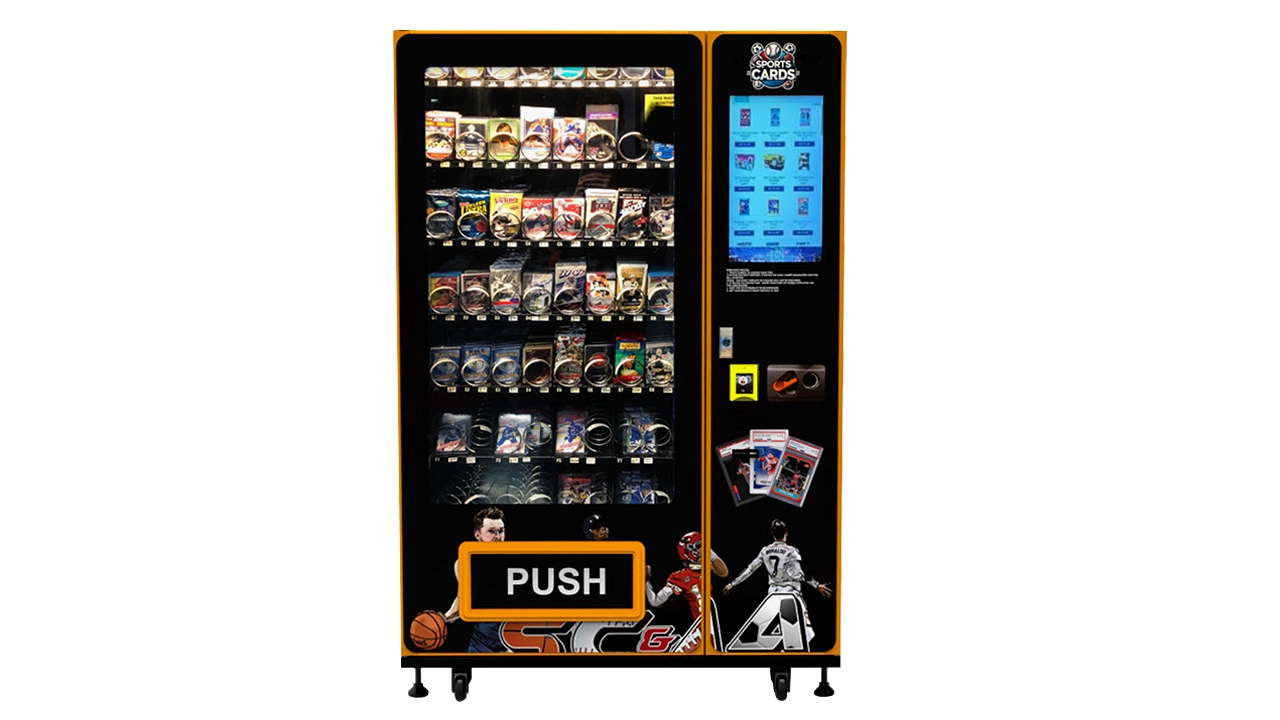
I also learned the hard way that variety matters more than volume. Early on, I loaded my machines with nothing but Pokemon booster packs because that was the hottest product. I quickly realized that collectors come for Pokemon, but they also buy sports cards, One Piece, and sometimes mystery boxes or accessories. By diversifying the product mix, I increased average transaction value and reduced the risk of a single product line going cold.
Inventory accuracy is another hidden cost. If you do not track what is inside each machine, you will inevitably overstock some slots and understock others. I use a simple spreadsheet for each machine, updated after every restock visit. It is not glamorous, but it has saved me thousands of dollars in lost sales and wasted product.
Maintenance, Repairs, and Downtime
Every vending machine breaks eventually. The question is how quickly you can get it back online. I recommend signing a service agreement with a local vending machine repair technician before you even install your first machine. I have seen operators wait weeks for a repair because they did not have a relationship with a technician, and that downtime cost them more than the repair itself.
Common issues include card jams, payment system failures, and screen malfunctions. A full-size machine with a 32-inch touchscreen is more vulnerable to screen damage than a smaller unit, so I always buy a spare screen if one is available. The cost of a spare screen is usually $300 to $600, which is cheap compared to the revenue you lose during a two-week wait for a replacement part.
I also recommend cleaning and inspecting your machines at least once a month. Dust and dirt can interfere with sensors and dispensing mechanisms. A simple cleaning routine can reduce your repair frequency by half, in my experience. According to the U.S. Small Business Administration, preventive maintenance is one of the most underrated ways to protect equipment investments, and I have found that to be absolutely true in vending.
Should You Buy, Lease, or Use a Revenue Share Model
New operators often ask me whether they should buy a machine outright or lease it. My answer is simple: buy if you can, lease only if you are testing a new market. Buying a machine gives you full control over placement, product mix, and resale value. Leasing locks you into monthly payments that eat into your margin, and you have nothing to show for it at the end of the term.
Revenue share models are a different story. If you place a machine in someone else’s location and they provide the space, security, and some foot traffic, a 70/30 split in your favor is common. I have done revenue share deals with hobby stores where the store gets 20% to 30% of net sales. That model works well because the store owner is incentivized to promote the machine, and you do not have to pay a fixed rent during slow months.
For new operators, I recommend starting with a single used or refurbished machine from a reputable seller, placing it in a hobby store on a revenue share basis, and learning the operational rhythm before scaling. That approach limits your downside and gives you real data to make better decisions.
Common Mistakes New Operators Make
I have seen more operators fail from avoidable mistakes than from bad luck. The most common error is buying a machine before securing a location. You should always have a signed placement agreement or at least a verbal commitment before you spend money on equipment. Otherwise, you end up with a machine sitting in your garage while you search for a home for it.
The second most common mistake is underestimating the importance of product sourcing. You need a reliable wholesale supplier for sealed trading cards. If you buy at retail prices, your margin will be too thin to cover rent, maintenance, and labor. I recommend establishing relationships with at least two or three distributors before you launch, so you are never at the mercy of a single supplier’s stock levels.
The third mistake is ignoring sales data. If a product does not sell within four weeks, it is taking up valuable slot space. Rotate it out and try something else. I have seen operators keep the same slow-moving product in a machine for months because they liked it personally. That is a business mistake, not a personal preference.
Legal Considerations and Permits
The legal side of card vending machines is simpler than food vending, but it is not zero. In most U.S. states, you need a general business license and a sales tax permit. Some states also require a vending machine permit or a specific license for automated retail. In the European Union, the situation varies by country, but you generally need a business registration and must comply with local VAT rules.
I also recommend checking whether your location has any zoning restrictions on automated retail equipment. Some shopping centers have specific requirements for machine placement, power supply, and fire safety. A quick call to the local planning office can save you a lot of headaches later. According to the U.S. Small Business Administration, compliance with local regulations is one of the most overlooked aspects of launching a small retail operation, and vending is no exception.
Choosing a Supplier and Avoiding Scams
Supplier selection is critical, and I have strong opinions here. Avoid companies that promise guaranteed returns or unrealistic profit projections. No legitimate supplier can guarantee your revenue because they do not control your location or your product sourcing. I have seen operators get burned by suppliers who sold them overpriced machines with poor support and no spare parts availability.
When evaluating a supplier, ask for references from other operators in your region. Ask about average repair frequency and response time for spare parts. Ask about the warranty terms and what is actually covered. I have had good experiences with Zhongda Smart’s card vending machines in terms of build quality and dispensing reliability, but I always tell operators to do their own due diligence and compare at least three suppliers before making a decision.
You should also ask about software updates and remote monitoring capabilities. A machine with no remote connectivity is a liability in 2024. If a supplier cannot provide a clear answer about how you will monitor inventory and sales, walk away.
Scaling Your Card Vending Machine Business
Once you have one machine running profitably for three consecutive months, you can start thinking about scaling. I recommend adding one machine at a time and using the data from your first machine to guide your next location choice. Do not rush into multiple locations at once, because each new site requires its own restocking route and maintenance plan.
I have seen operators build networks of ten or more card machines, and the common thread is discipline. They track every dollar, they restock based on data, and they are ruthless about removing underperforming machines. If a machine does not hit your minimum monthly revenue target for three months, move it or sell it. Do not let sunk costs keep you in a bad location.
There is also an opportunity to expand into sports cards and other collectible categories. Pokemon is the driver, but it is not the only product. By diversifying, you protect yourself against the risk of a single franchise losing popularity.
Is a Pokemon Card Vending Machine Right for You
I have been in this business long enough to know that card vending machines are not for everyone. They require upfront capital, weekly maintenance, and a willingness to learn from failure. But for operators who understand location dynamics and product sourcing, they are one of the best-performing automated retail categories I have ever seen.
If you are looking for a passive income machine that requires zero effort, this is not it. If you are looking for a business that rewards smart decisions and punishes lazy ones, card vending is a great fit. The machines are profitable when placed well, stocked well, and maintained well. The rest is up to you.
Frequently Asked Questions
Are card vending machines profitable?
Yes, card vending machines can be profitable, but profitability depends on location, product mix, and operational discipline. In my experience, a well-placed machine can generate $3,000 to $6,000 in monthly gross sales, with net profit ranging from $800 to $2,500 after expenses. A poorly placed machine will lose money.
How much does a card vending machine cost?
A new full-size card vending machine costs between $8,000 and $15,000. Wall-mounted units cost between $4,000 and $6,000. Additional costs include shipping, installation, payment system upgrades, and initial inventory, bringing the total entry point to roughly $11,000 to $20,000.
How long does it take to recoup the investment?
With a good location and consistent sales, most operators recoup their investment within 8 to 14 months. In exceptional locations, that can drop to 6 months. In poor locations, you may never recoup your investment, which is why location selection is so critical.
Should a beginner buy or lease a card vending machine?
I recommend buying a used or refurbished machine from a reputable supplier if you are a beginner. Leasing locks you into fixed payments and provides no asset value at the end of the term. Buying gives you flexibility and control.
Where should I place a card vending machine?
The best locations are hobby stores, game cafes, comic shops, and family entertainment centers. Look for places where the target audience already gathers. Avoid transit hubs and office areas unless you have strong evidence that the demographic is right.
What permits and licenses do I need?
You typically need a general business license and a sales tax permit. Some U.S. states require a vending machine permit. In the EU, you need business registration and must comply with local VAT rules. Check with your local planning office for zoning restrictions.
How do I choose a reliable supplier?
Ask for references, compare at least three suppliers, and evaluate build quality, warranty terms, and spare parts availability. I have had good experiences with Zhongda Smart’s machines, but you should always do your own due diligence.
What happens if my machine breaks?
You need a local vending machine repair technician or a service agreement before you launch. Common issues include card jams, payment system failures, and screen damage. Keep spare parts on hand to minimize downtime.
How can I reduce restocking and maintenance costs?
Use remote monitoring to track sales and inventory levels. Restock based on data, not a fixed schedule. Diversify your product mix to avoid slow-moving inventory. Clean and inspect machines monthly to prevent sensor and dispensing issues.
Disclaimer: The figures and ranges in this article are based on my personal operating experience and publicly available data. Actual results vary based on location, market conditions, product sourcing, and operational efficiency. This content is for informational purposes only and does not constitute financial or legal advice.