If you are researching the trading card vending machine market trends because you think dropping a machine into a local comic shop is a guaranteed money printer, I am going to stop you right there. After a decade of operating vending routes across the US and parts of the EU, I can tell you that this niche is not about buying a box and watching cash pile up. It is about understanding foot traffic, inventory velocity, and the psychology of a buyer who is chasing a rare pull. The trading card vending machine market has exploded because it turns a blind purchase into a tactile experience, but the operators who win are the ones who treat it like a data-driven retail business, not a hobby. Let me walk you through what actually works, what fails, and where the real margins hide.
The Real State of the Trading Card Vending Machine Market
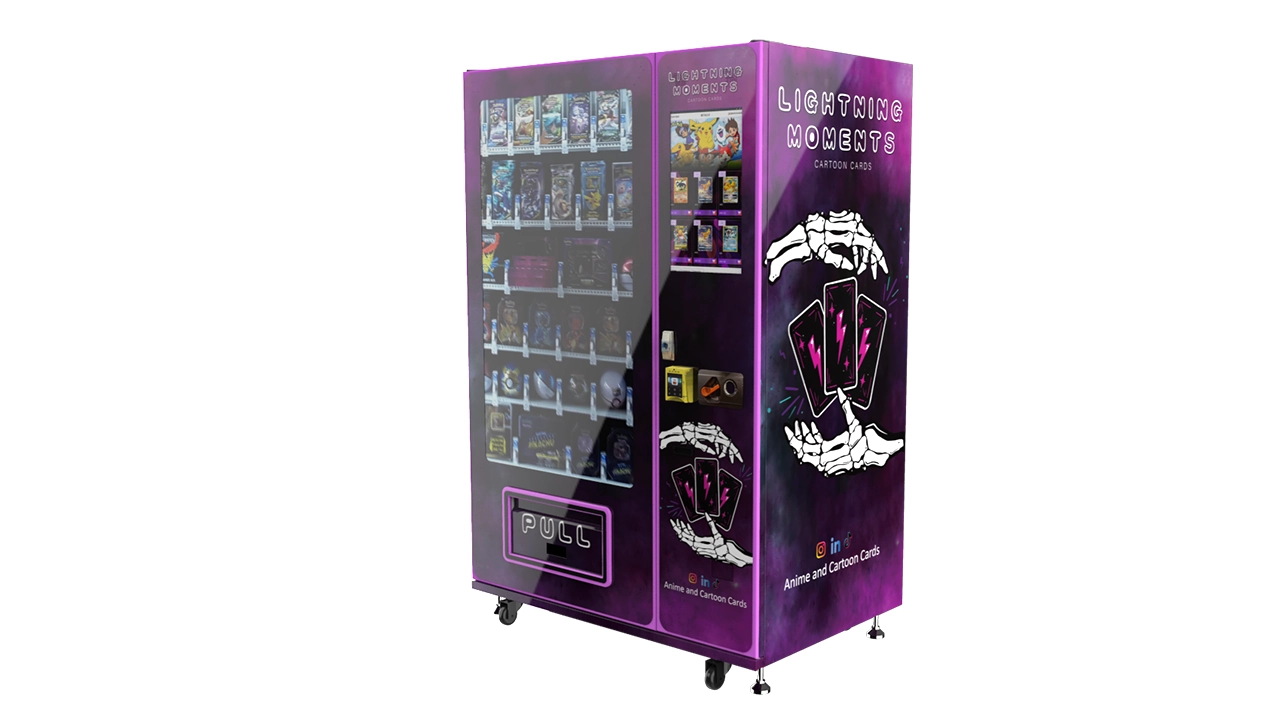
Let me give you a grounded view of where this industry stands right now. The broader vending machine sector has seen steady growth, with IBISWorld reporting that the US vending machine services industry generates over $9 billion annually. Within that, the trading card segment is a tiny but rapidly expanding slice. What changed is that card shops realized a vending machine is not just a sales channel; it is a marketing tool that pulls people into the store. When I placed my first machine in 2016, it was a novelty. Now, I see operators running five to ten machines across different retail partners, and the demand is driven by the same forces that made Pokémon cards and sports cards popular again during the pandemic.
The key metric that matters is not the machine cost, but the revenue per square foot. A well-placed card machine can generate $1,500 to $4,000 per month in gross sales, depending on the location and the product mix. But that is the top end. I have also seen machines sit dormant for weeks because the operator filled them with the wrong product. The market is not saturated, but it is getting crowded with people who do not understand the difference between a collectible and a commodity. If you are entering now, you need to bring more than capital; you need to bring a plan for inventory management and location scouting.
One thing that surprises newcomers is the secondary market influence. The value of a sealed pack or a single card can fluctuate wildly, and this directly impacts how fast your inventory moves. I remember watching a specific Pokémon set go from a slow seller to a sellout in three days because a popular YouTuber pulled a rare card. That is the volatility you are dealing with. Unlike a snack machine, where demand is predictable, a trading card vending machine depends on the cultural zeitgeist. You have to be willing to pivot your inventory quickly, and that requires a relationship with distributors who can get you product fast.
In Europe, the market is slightly different. The borne en libre-service concept is catching on, but the card culture is not as deep as in the US. However, I have seen strong performance in Germany and France, especially in stores that host tournaments. The key is understanding that the machine is an extension of the community, not a standalone vending unit. If you are looking at this as a passive income stream, you will be disappointed. It is active income that requires weekly attention.
Cost Breakdown and Return on Investment
Let me give you a realistic cost picture based on my own purchases and those of colleagues I trust. A new, mid-range trading card vending machine with a 32-inch touchscreen will cost you between $6,000 and $12,000. The cheaper units, often without touchscreens or with basic shelving, run $3,500 to $5,000. But do not let the sticker price fool you. The real cost is in the inventory. To fill a machine properly, you need at least $2,000 to $4,000 in sealed product, booster packs, and single cards. That is your working capital, and it is locked up until you sell through it.
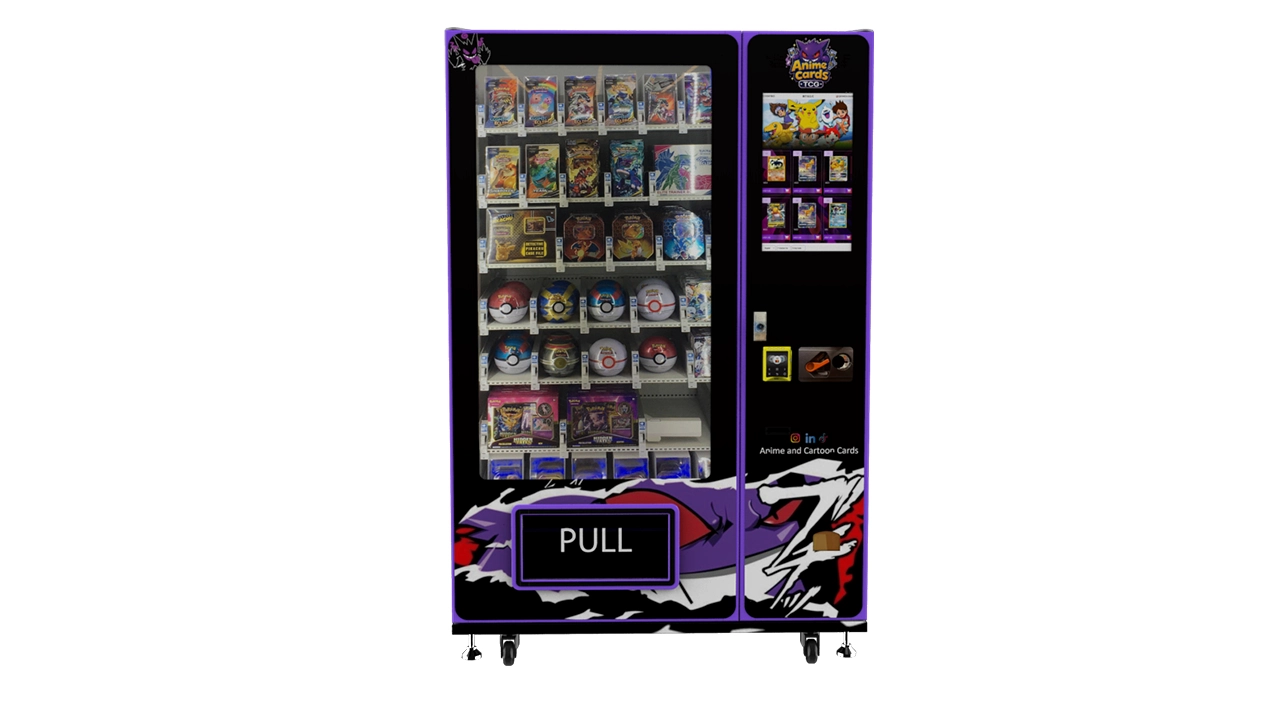
Here is a rough breakdown of what I have seen across my own routes and those of peers. The initial investment includes the machine, shipping, installation, and first inventory. Shipping alone can be $300 to $600 for a full-size unit. Installation is usually straightforward if you have a standard 110V outlet, but you may need an electrician if the location is older. I also budget for a card reader payment system, which adds $200 to $500. In total, a realistic startup cost is between $10,000 and $18,000 per machine, and that is before you account for any location fees or revenue sharing.
| Cost Item | Low End | High End | Notes |
|---|---|---|---|
| Machine (new, basic) | $3,500 | $5,000 | No touchscreen, basic shelving |
| Machine (new, touchscreen) | $6,000 | $12,000 | Better UX, remote monitoring |
| Initial Inventory | $2,000 | $4,000 | Depends on product mix |
| Shipping & Installation | $300 | $600 | Varies by location |
| Payment System Setup | $200 | $500 | Card reader, software fees |
| Location Fees (monthly) | $0 | $500 | Revenue share common |
Now, the return on investment question. If you are in a high-traffic location, like a mall kiosk or a popular card shop, you can expect to clear $800 to $1,500 per month after cost of goods. That puts your payback period between 8 and 18 months. But I have also seen machines in low-traffic areas that take two years to break even. The variance is huge, and the biggest factor is not the machine, it is the foot traffic quality. A location with 1,000 people passing by daily but no card collectors will underperform a smaller store with 200 dedicated customers.
I want to be clear about profit margins. The gross margin on sealed booster packs is usually 30% to 40%, but on single cards, it can be 50% to 70% if you are buying collections and sorting them. The problem is that singles require more labor. You cannot just load a machine with loose cards and walk away. You need to price them, sleeve them, and sometimes grade them. That labor eats into your margin. My advice is to start with sealed product to understand the flow, then gradually introduce singles as you build a system.
Site Selection and Foot Traffic Standards
This is where I see the most mistakes. New operators often chase the highest foot traffic numbers, but they ignore the quality of that traffic. A grocery store has high foot traffic, but the demographic is wrong. You need locations where the customer is already in a buying mood for collectibles. The best sites I have found are, in order: dedicated card shops, hobby stores with a games section, comic book stores, and certain mall kiosks near entertainment zones. Each of these has a different traffic pattern.
Let me give you a specific example from my own experience. I placed a machine in a hobby store that had about 150 customers per day. It was not a huge number, but the conversion rate was exceptional. Nearly 20% of the store's visitors used the machine because they were already there to buy cards or participate in events. That machine did $2,800 in sales in its first month. In contrast, I placed the same machine in a busy mall corridor with over 3,000 daily visitors. It did $700 in the first month. The mall traffic was too broad, and the people passing by were not looking for cards. I moved that machine after three months and learned a valuable lesson about niche traffic.
When evaluating a location, I use a simple checklist. First, I look at the existing card culture. Does the store host tournaments? Do they have a dedicated card section? Second, I check the average transaction value of the store. If the store sells $20 items, a $5 pack purchase is an easy add-on. Third, I observe the customer age range. Collectors are typically between 15 and 40, with a heavy skew toward 20-35. If the store's customers are mostly families with young children, the machine might still work, but the product mix needs to be adjusted toward younger sets.
I also pay attention to the store owner's attitude. If the owner sees the machine as a benefit to their business, the partnership will work. If they see it as a nuisance or a competitor to their counter sales, you will struggle. I always set up a revenue share agreement where the store gets 10% to 20% of gross sales. This aligns incentives and makes the owner an active promoter. A store that is invested in the machine's success will mention it to customers, and that organic promotion is worth more than any paid advertising.
Equipment Selection and Configuration
Choosing the right machine is not about picking the most expensive one. It is about matching the hardware to your operational capacity. I have run everything from basic spiral machines to high-end robotic units with touchscreens. The spiral machines are cheap and reliable, but they limit your product size and presentation. The robotic units, like the ones with a 32-inch touchscreen, allow for better product display and can handle different card sizes. The trade-off is cost and complexity.
I have a personal preference for machines that offer remote monitoring. The ability to check inventory levels and sales data from my phone is essential, especially when I am running multiple locations. The 32-inch touchscreen trading card vending machine is a good example of a unit that balances interactivity with practicality. The touchscreen allows customers to browse products and see what is inside before purchasing, which increases the likelihood of a sale. But that screen is also a point of failure. If it breaks, you are down for days. I always recommend having a backup plan, whether that is a spare screen or a service contract.
Another consideration is the payment system. In the US, most customers expect to pay with a credit card or mobile wallet. Cash is becoming less common, especially among younger collectors. I have installed machines with both cash and card acceptance, and card transactions account for about 80% of my sales. The card reader fees are a cost of doing business, but they are worth it for the convenience. In Europe, the payment landscape is different, with a higher reliance on contactless and local payment methods. Make sure your machine is compatible with the local payment infrastructure.
I also want to mention the physical footprint. A full-size machine takes up about 6 to 8 square feet, which is significant in a small retail store. I have found that wall-mounted units are a great compromise for locations with limited floor space. The wall-mounted card vending machine is ideal for tight spaces and can be installed in a corner or next to a counter. It holds less inventory, but it is easier to place and does not require a large footprint. For a beginner, starting with a wall-mounted unit is a lower-risk entry point.
Supplier Selection and Avoidable Mistakes
When it comes to sourcing machines, I have learned to be cautious. There are many suppliers, especially from overseas, who offer attractive prices but deliver poor quality. I have had experience with a manufacturer called Zhongda Smart, and I will be honest: their machines are solid for the price point, but you need to be specific about your requirements. Do not assume that a standard model will meet your needs. Communicate your product dimensions, payment system preferences, and any custom features you need.
The mistake I see most often is buying a machine without understanding the after-sales support. If the machine breaks, who fixes it? Do they have a local technician? What is the lead time for replacement parts? I once bought a machine from a supplier who promised support but took three weeks to ship a replacement card reader. That machine sat idle during one of the busiest sales weekends of the year. I lost money and credibility with the store owner. Now, I only work with suppliers who have a proven track record and can provide a list of local service technicians.
Another common error is underestimating the importance of software. The machine's operating system controls everything from inventory tracking to pricing. Some machines come with basic software that is difficult to update. Others have cloud-based systems that allow you to adjust prices remotely. I prefer the latter, as it gives me flexibility. For example, if a product is not selling, I can lower the price from my phone without visiting the location. This feature has saved me from dead inventory many times.
I also recommend that new operators avoid the temptation to buy used machines without a thorough inspection. I have seen used machines that look fine on the outside but have worn-out motors and rusted internal components. The cost of repairs can quickly exceed the savings from buying used. If you are on a tight budget, consider leasing or financing a new machine instead. The monthly payments are manageable, and you get a warranty that covers unexpected breakdowns.
Operating Models: Self-Owned, Leased, or Revenue Share
There are three main ways to operate a card vending machine, and each has its pros and cons. The first is self-ownership, where you buy the machine, find a location, and manage everything yourself. This gives you the highest profit margin, but it also requires the most time and effort. You are responsible for maintenance, restocking, and location negotiations. This is the best option for someone who wants to build a long-term business and has the time to dedicate to it.
The second model is leasing. You lease the machine from a supplier and pay a monthly fee. This reduces your upfront cost, but you are locked into a contract and may have restrictions on where you can place the machine. I have seen leasing work well for operators who want to test a location without committing a large amount of capital. However, the monthly lease payments can eat into your profit, and you do not build any equity in the machine.
The third model is a revenue share with a location. This is my preferred approach for new locations. You provide the machine and inventory, and the store provides the space. The store gets a percentage of sales, typically 10% to 20%. This model reduces your risk because you are not paying upfront rent, but it also reduces your profit. It is a good way to get your foot in the door at a high-traffic location without a large initial investment. I have used this model to place machines in card shops that would not have accepted a flat rental fee.
Here is a comparison table to help you decide which model fits your situation:
| Model | Upfront Cost | Profit Potential | Operational Control | Risk Level |
|---|---|---|---|---|
| Self-Owned | High | Highest | Full | Medium |
| Leased | Low | Medium | Limited | Low |
| Revenue Share | Medium | Medium | Shared | Low |
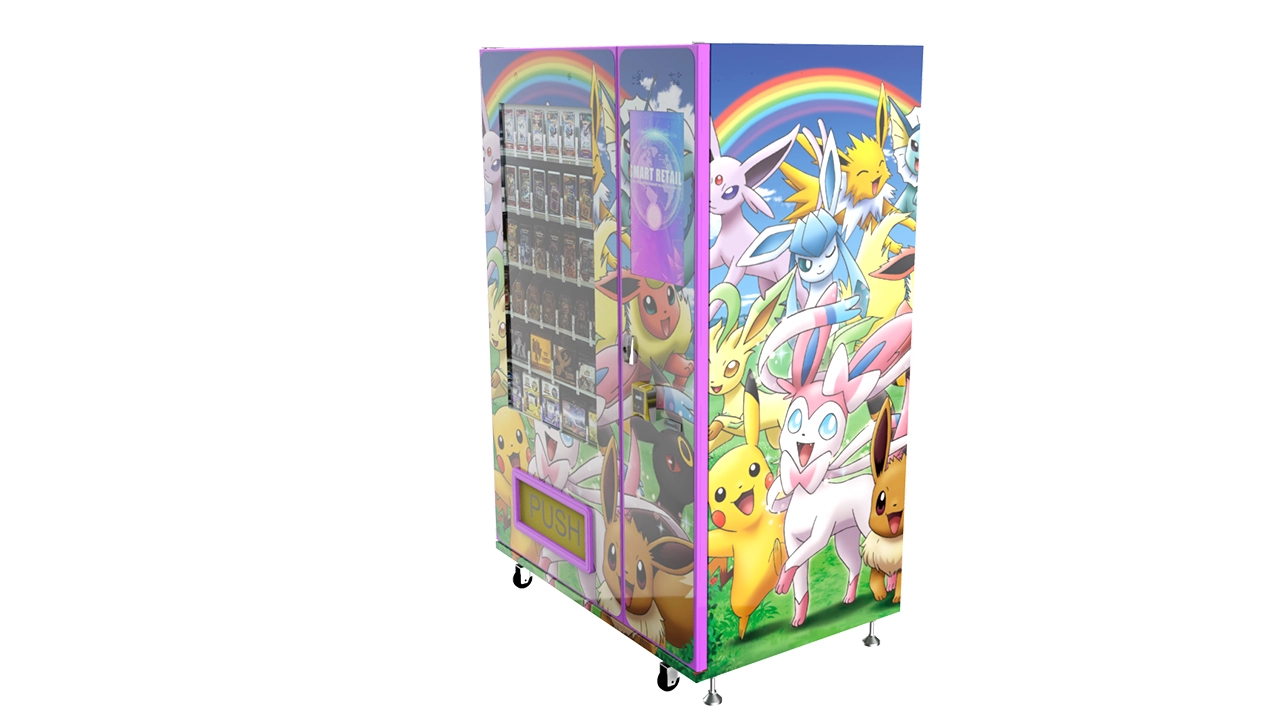
I have used all three models at different stages of my business. When I started, I used a revenue share to place my first machine. It allowed me to learn the ropes without risking too much capital. As I gained experience, I transitioned to self-ownership for my best-performing locations. The key is to be flexible and adapt your model based on the location and your financial situation.
Inventory Management, Restocking, and Maintenance
Inventory management is the heart of this business. It is not enough to fill the machine and hope for the best. You need to track what sells, what does not, and adjust your orders accordingly. I recommend using a spreadsheet or a simple inventory management software to track your stock levels and sales data. This will help you identify trends and avoid overstocking slow-moving products.
Restocking frequency depends on the location and the sales volume. A high-traffic machine may need restocking every three to five days, while a slower location might only need a weekly visit. I have a rule of thumb: if a machine is selling more than 30% of its inventory in a week, it needs more frequent restocking. If it is selling less than 10%, you need to change the product mix or consider moving the machine. The goal is to maintain a full machine without carrying too much dead stock.
Maintenance is another aspect that new operators overlook. The card reader, the touchscreen, and the internal motors all require regular checks. I have a monthly maintenance checklist that includes cleaning the machine, checking for jammed cards, and testing the payment system. I also keep a stock of spare parts, like card reader cables and motor fuses, so I can make quick fixes on site. The cost of maintenance is typically 5% to 10% of your monthly revenue, and it is a necessary expense to keep the machine running smoothly.
I have a story that illustrates the importance of maintenance. I had a machine in a high-traffic mall that started giving errors on the card reader. The store owner called me, but I was out of town. I asked him to try a simple reset, but he was not comfortable doing it. The machine was down for four days, and I lost an estimated $400 in sales. After that, I created a quick troubleshooting guide for each location and trained the store staff on basic fixes. It has saved me countless hours and prevented unnecessary downtime.
Common Mistakes and Lessons from the Field
I have made my share of mistakes, and I want to share them so you do not repeat them. The first mistake was buying a machine without considering the power requirements. I placed a machine in an older building that only had a 110V outlet, but the machine required 220V. The installation was delayed by two weeks while I waited for an electrician to install a new outlet. That delay cost me the prime holiday season sales window. Always check the power requirements before you commit to a location.
The second mistake was not having a clear contract with the location owner. I had a verbal agreement with a store owner, but after a few months, he started asking for a higher revenue share. We had a disagreement, and I had to move the machine. It was a hassle that could have been avoided with a written contract. Always get the terms in writing, including the revenue share percentage, the duration of the agreement, and the process for terminating the agreement.
A third mistake was ignoring the seasonality of the card market. Sales spike during the release of a new set or around holidays, and they dip in the summer. I did not adjust my inventory orders for these fluctuations, and I ended up with excess stock of a set that lost value. Now, I track the release calendar for major card sets and adjust my orders accordingly. I also have a clearance strategy for slow-moving products, such as bundling them with faster sellers or discounting them slightly.
On the success side, I have a story about a machine I placed in a small comic shop that was struggling. The owner was hesitant, but I convinced him to try it on a revenue share basis. Within two months, the machine was generating consistent sales, and the store owner started promoting it to his customers. The machine became a destination point for collectors, and it helped bring foot traffic into the store. That experience taught me that the machine can be a tool for revitalizing a business, not just a standalone profit center.
Data, Market Trends, and Realistic Expectations
Let me give you some perspective on the market data. According to Statista, the global vending machine market is projected to grow at a CAGR of about 6% from 2023 to 2030. The trading card segment is growing faster, but it is still a niche. I have seen reports that the sports trading card market alone is worth over $2 billion in the US, and the Pokémon card market is similarly large. However, these figures include auctions, online sales, and retail, not just vending machines. The vending machine channel is a small fraction of the total, but it is growing because it offers a unique retail experience.
I want to be honest about expectations. The trading card vending machine market trends are positive, but this is not a get-rich-quick scheme. A single machine can generate a decent side income, but it is unlikely to replace a full-time salary unless you scale to multiple machines. The average monthly profit per machine, after all expenses, is $500 to $1,000. If you have five machines, that is $2,500 to $5,000 per month, which can be a meaningful income. But it takes time to build that route, and you need to be prepared for the ups and downs.
I also want to mention the regulatory side. In the US, you do not need a special license to operate a vending machine, but you need to comply with local business regulations, including sales tax collection. In the EU, the rules are stricter, especially regarding consumer protection and data privacy if you are using a payment system that collects personal data. The compliance requirements for card vending machines vary by country, so it is essential to research the local laws before you start. I have a contact in France who had to adjust his machine's software to comply with GDPR, which was an unexpected cost.
When I look at the future, I see more integration with mobile apps and loyalty programs. The next generation of machines will likely allow customers to pre-order products for pickup or use a mobile app to find the nearest machine with the specific card they want. This is where the automated retail solutions are heading, and operators who embrace these technologies will have a competitive edge. But do not rush to upgrade. Focus on the basics first: a reliable machine, the right location, and a solid inventory plan.
Frequently Asked Questions
Are trading card vending machines profitable?
They can be profitable, but it depends on the location and your operational efficiency. A well-placed machine can generate $500 to $1,500 in monthly profit after expenses. However, a poorly placed machine can lose money. The key is to focus on locations with a strong collector demographic and to manage your inventory carefully.
How much does a trading card vending machine cost?
A new machine costs between $3,500 and $12,000, depending on the features. The initial inventory will add another $2,000 to $4,000. Shipping, installation, and payment system setup add $500 to $1,100. A realistic startup budget is $10,000 to $18,000 per machine.
How long does it take to recoup the investment?
Most operators see a payback period of 8 to 18 months. This varies based on the location's traffic, the product mix, and the revenue share agreement. In a high-traffic location with a strong collector base, you can recoup faster. In a slower location, it may take two years or more.
Should a beginner buy or lease a machine?
Leasing is a lower-risk option for beginners because it reduces the upfront cost and includes maintenance. However, you do not build equity. Buying is better for long-term operators who want to maximize profit. I recommend starting with a lease or a revenue share to test the waters before committing to a purchase.
Where is the best place to put a card vending machine?
The best locations are dedicated card shops, hobby stores, comic book stores, and entertainment zones in malls. Look for places with a high concentration of collectors and an existing culture of card trading. Avoid locations with high foot traffic but no collector demographic.
What permits or licenses do I need?
In the US, you need a business license and a seller's permit to collect sales tax. In the EU, you may need additional compliance with consumer protection laws and GDPR. Check with your local business authority for specific requirements.
How do I choose a reliable supplier?
Look for suppliers with a proven track record and good after-sales support. Ask for references and check reviews. Ensure they offer remote monitoring software and have a local service network. I have had positive experiences with Zhongda Smart, but always specify your exact requirements.
What happens if the machine breaks down?
Most machines have a warranty, but the response time varies. I recommend having a troubleshooting guide and a stock of spare parts. For major repairs, you may need to call a technician. A service contract can reduce downtime but adds to your cost.
How can I reduce restocking and maintenance costs?
Use remote monitoring to track inventory and sales data, so you only visit the location when needed. Train the store staff on basic troubleshooting. Buy spare parts in bulk and keep them on hand. Also, choose a machine with durable components to minimize breakdowns.