If you’ve been watching the automated retail space for any length of time, you’ve probably noticed the surge of trading card vending machines popping up in malls, hobby shops, and even grocery store lobbies. The question I get most often from operators and store owners isn’t whether people will buy cards from a machine—it’s how the whole system actually works, start to finish. The short answer: a trading card vending machine is a self-service kiosk that stores, displays, and dispenses sealed trading card products—boosters, blisters, even single cards in protective cases—using a combination of spiral coils, carousels, or gravity-fed trays triggered by a payment system. But the long answer involves site selection, inventory turnover, machine configuration, and a lot of operational detail that most beginners never see coming. I’ve been running these machines for over a decade across North American and European markets, and I want to walk you through the real mechanics, the economics, and the mistakes I’ve made so you don’t have to repeat them.
What Exactly Is a Trading Card Vending Machine?
At its core, this is a specialized vending unit designed around the unique dimensions and value of trading cards. Unlike snack or soda machines that handle uniform cans and bags, card machines need to accommodate multiple product sizes—from thin booster packs to thicker hobby boxes—and often require adjustable shelving or carousel systems. The machine itself is essentially a secure cabinet with a transparent display window, a payment interface, and a dispensing mechanism that varies by manufacturer.
Most modern units use either a spiral coil system, where each product sits between metal coils that rotate to push the item forward, or an elevator-and-tray system that picks a product from a storage column and lowers it to a retrieval bin. Some of the more advanced models I’ve worked with use a robotic arm on a rail system, which gives you more flexibility in product placement but also adds a layer of mechanical complexity that can increase your vending machine repair frequency if you’re not careful.
The payment side has evolved dramatically. Older machines were coin-only, but today’s units accept credit cards, mobile wallets, and sometimes even contactless payments through NFC. This shift matters more than most people realize—cashless payment options can lift sales by 20 to 30 percent in my experience, especially with younger collectors who rarely carry cash. The machines also come with remote telemetry, which means you can check inventory levels, sales data, and error codes from your phone or laptop without visiting the location.
One thing I always tell new operators: the machine is only half the equation. The other half is the software that tracks your inventory and the logistics of keeping the machine stocked with the right product mix. You’re not just a vending operator; you’re a retail manager running a tiny store inside a box.
Why Trading Cards and Vending Are a Natural Fit
Trading cards have a unique combination of characteristics that make them ideal for automated retail. They’re compact, high-value, and highly impulse-driven. A sealed booster pack of a popular sports card set can retail for anywhere from five to fifty dollars, depending on the product and market demand. That’s a much higher transaction value than a candy bar, which means you can generate meaningful revenue from a relatively small footprint.
The impulse factor is critical. I’ve placed machines in hobby shops where the owner was skeptical about whether a machine would cannibalize counter sales. What we found was the opposite—the machine attracted customers who came specifically for the novelty of the vending experience, and many of them also browsed the store’s other inventory. The machine acted as a marketing tool, driving foot traffic and increasing overall store sales.
Another reason cards work well in vending is the “mystery” element. Collectors love the thrill of not knowing exactly what’s inside a pack, and a vending machine amplifies that excitement. The visual display of colorful booster boxes and the anticipation of the drop mechanism create a micro-experience that’s hard to replicate with a traditional shelf display. I’ve seen kids drag their parents across a mall to use a card machine, and I’ve seen adults spend fifty dollars without blinking because the machine made it feel like a game.
From an operational standpoint, cards have a long shelf life and don’t require temperature control or expiration date management, unlike food products. This reduces your maintenance burden and eliminates the spoilage risk that plagues traditional vending operations. You can also rotate inventory based on release schedules and market trends, which keeps the machine fresh and gives you a reason to visit each location regularly.
Real Costs: What You’re Actually Paying For
Let’s talk numbers, because this is where most beginners get blindsided. The initial investment for a trading card vending machine varies widely depending on whether you buy new or used, the size of the unit, and the level of technology you choose. Based on my own purchases and conversations with distributors across the EU and North America, a new, mid-sized card machine with a touchscreen and cashless payment system will typically run you between $8,000 and $20,000 USD. Larger units with multiple carousels or robotic dispensing can push past $25,000, especially if you’re buying from a reputable manufacturer.
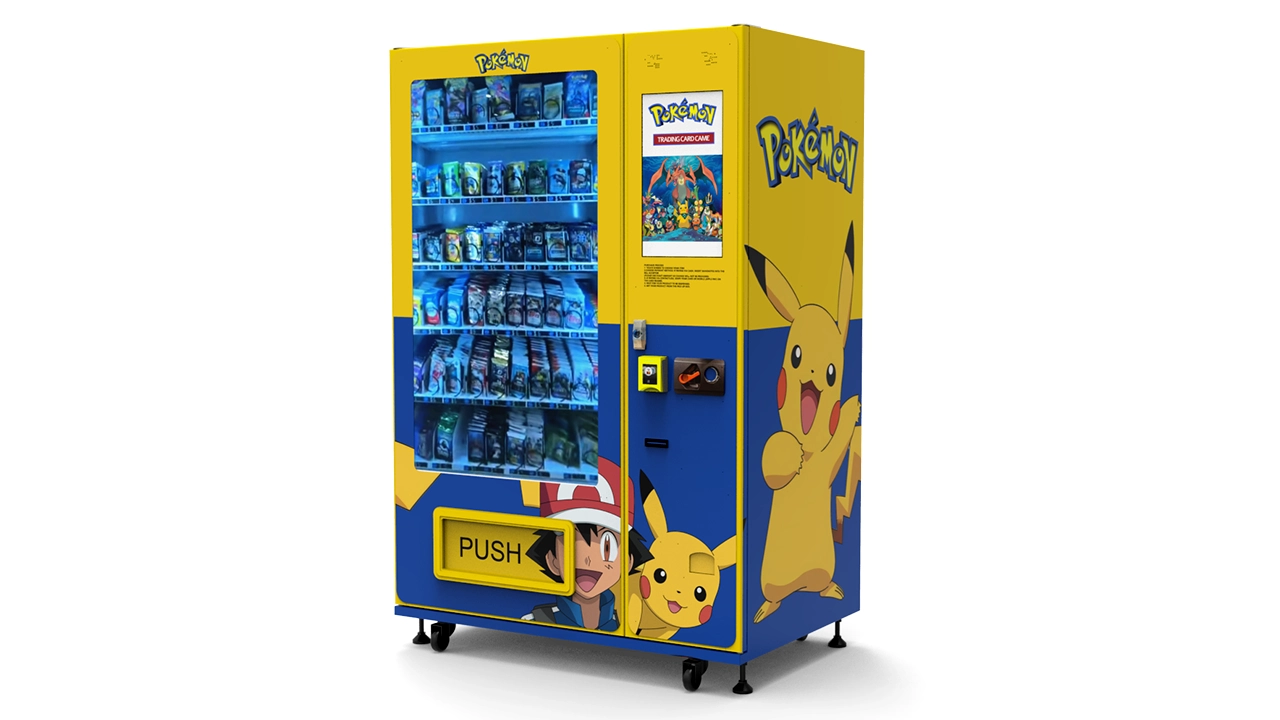
If you’re looking at the 32-inch touchscreen trading card vending machine, you’re probably in the $12,000 to $18,000 range for a new unit. That screen isn’t just for show—it lets you display product images, pricing, and even promotional videos, which can boost engagement and help justify a higher price point for premium products. But remember, the more electronics you have, the more potential failure points. I’ve had touchscreens die in the middle of a busy weekend, and that means lost sales and an urgent call to a repair tech.
Used machines are a different animal. You can find older card vending machines for $3,000 to $7,000, but you inherit someone else’s problems. I bought a used unit early in my career and spent almost as much on repairs and replacement parts in the first year as I would have spent on a new machine. The lesson I learned: if you’re not mechanically inclined, buying used is a gamble that can eat your margins before you even start selling cards.
Beyond the machine itself, you have to factor in installation, shipping, and setup costs. Shipping a heavy vending machine across the country can cost $500 to $1,500, depending on distance and whether you need a liftgate or rigging services. Installation might require electrical work if the location doesn’t have a dedicated outlet, and that can add another few hundred dollars. Don’t forget insurance—your machine is a valuable asset sitting in a public space, and you should have coverage for theft, vandalism, and liability.
Location: The Single Biggest Factor in Success
I can’t stress this enough: the location determines whether your machine makes money or becomes an expensive storage locker. I’ve seen identical machines in two different locations generate a tenfold difference in monthly revenue. The difference wasn’t the machine or the product mix—it was foot traffic and the demographic match between the location’s visitors and trading card buyers.
In my experience, the best locations are hobby and game stores, comic book shops, and entertainment venues like arcades or movie theaters. These places attract a built-in audience of collectors and gamers who already understand the value of trading cards. A machine placed in a hobby store can generate $1,500 to $4,000 per month in sales, depending on the store’s foot traffic and the popularity of the card sets you’re stocking. I’ve had one location in a busy comic shop that consistently does over $5,000 a month, but that’s an outlier and requires constant restocking and a deep understanding of what that store’s customers want.
Malls and shopping centers are riskier. They have high foot traffic, but the audience is more general, and you’re competing with other entertainment options. A mall location might do $800 to $2,000 per month, but rent and commission fees can eat into your margins. I’ve seen operators negotiate a percentage-based commission with mall management—typically 10 to 20 percent of gross sales—which reduces your upfront risk but also reduces your profit per sale. You need to run the numbers carefully before committing to a mall lease.
Grocery stores and convenience stores can work, but only if the store serves a demographic that includes families with kids or young adults who collect cards. I’ve placed a wall-mounted card vending machine in a suburban grocery store near a school, and it did surprisingly well because parents would let their kids buy a pack while they shopped. But I’ve also had a machine in a downtown convenience store that barely broke even—the foot traffic was high, but the audience was mostly office workers who had no interest in trading cards.
When evaluating a location, I always look at three things: foot traffic volume, the demographic match, and the “dwell time” of the audience. A location where people linger—like a game store or a movie theater lobby—is better than a location where people pass through quickly. I also look at the competition. If there’s already a card shop nearby, the machine might still work, but you need to differentiate your product mix or pricing to avoid cannibalizing the store’s sales.
Revenue Potential and Profit Margins
Let’s get into the numbers that actually matter. Trading card products typically have a gross margin of 30 to 50 percent for single packs, but that can vary significantly based on the product and the price point. Sealed booster boxes have a lower margin percentage but a higher absolute profit per unit, while single packs have a higher margin percentage but require more frequent restocking. I typically aim for an average gross margin of around 40 percent across my entire inventory, but I adjust based on market conditions and what the local audience is buying.
To give you a realistic picture, let’s use a mid-performing location: a hobby store with decent foot traffic. If you sell $2,000 worth of cards in a month, and your gross margin is 40 percent, that’s $800 in gross profit. From that, you’ll subtract the location’s commission (if any), your restocking labor, and your maintenance costs. If you’re paying a 15 percent commission, that’s $300, leaving you $500. If you spend two hours a week at $25 per hour on restocking and maintenance, that’s $200, leaving you $300 in net profit for that machine. That’s not life-changing money, but it’s a solid return on a $12,000 investment if you have multiple machines.
High-performing locations are a different story. I’ve had machines in top-tier hobby stores that generate $5,000 to $8,000 per month in sales, with net profits of $1,500 to $2,500 per month after all costs. Those machines pay for themselves in six to eight months. But those locations are rare, and they require constant attention to keep the inventory fresh and the machine running smoothly. You can’t just set it and forget it—the best locations demand regular visits, product rotation, and a relationship with the store owner.
According to IBISWorld, the vending machine industry in the U.S. generates approximately $7.4 billion in annual revenue, with the average vending operator managing around 25 machines. That data gives you a sense of the scale, but it doesn’t tell you what a single card machine can do. The variability is huge, and I always tell new operators to expect a break-even period of 12 to 18 months for their first machine, assuming they choose a decent location and don’t make major mistakes.
Equipment Selection: What to Look For
Choosing the right machine is a decision that will affect your daily operations for years. I’ve worked with machines from several manufacturers, and I’ve developed a clear set of criteria for what makes a good card vending machine. First, look for flexibility in shelving and dispensing mechanisms. You want to be able to adjust the spacing between shelves or coils to accommodate different product sizes, because the trading card market changes quickly and you don’t want to be stuck with a machine that can only hold one type of product.
Second, prioritize the payment system. A machine that only accepts cash is a non-starter in today’s market. Look for a unit with a modern card reader that accepts credit cards, debit cards, and mobile payments. Some machines also support QR code payments, which are popular in Europe and parts of Asia. The more payment options you offer, the fewer sales you’ll lose to customers who don’t have cash.
Third, consider the security features. Trading cards are high-value, compact items that are attractive to thieves. Look for machines with reinforced locking mechanisms, tamper alarms, and a design that makes it difficult to fish products out of the dispensing bin. I’ve had machines broken into, and it’s a painful experience—not just the lost inventory, but the downtime and the cost of repairing the machine. Some operators add a security camera overlooking the machine, which can deter theft and help with insurance claims.
Fourth, think about the user experience. A touchscreen interface can make the machine more engaging and easier to navigate, especially if you’re offering a large product selection. But touchscreens add cost and complexity. If you’re on a budget, a simpler push-button interface can still work, especially for smaller machines with fewer product slots. The key is to make the purchasing process intuitive—customers should be able to see the product, understand the price, and make a purchase in under a minute.
One manufacturer that has impressed me with their attention to these details is Zhongda Smart. They’ve been making automated retail equipment for years and have a dedicated line of card vending machines that address many of the specific needs I’ve mentioned. Their machines offer adjustable shelving, modern payment systems, and solid build quality. I’ve seen their units in operation in Europe and the U.S., and they’ve held up well in high-traffic locations. I’m not saying you should only look at them, but I’d put them on your shortlist when you’re comparing options.
Comparing Machine Types and Configurations
To help you make an informed decision, here’s a comparison table based on my experience with different machine types and configurations. This isn’t official industry data—it’s a practical breakdown of what I’ve seen in the field.
| Machine Type | Typical Cost (New) | Product Capacity | Best Use Case | Maintenance Complexity |
|---|---|---|---|---|
| Spiral Coil Machine | $8,000 – $12,000 | 30–60 products | Smaller locations, mixed product sizes | Low to Medium |
| Carousel Machine | $12,000 – $18,000 | 60–120 products | High-traffic retail, larger selection | Medium |
| Robotic Arm Machine | $18,000 – $25,000+ | 100–200 products | Premium locations, max flexibility | High |
| Wall-Mounted Unit | $5,000 – $9,000 | 20–40 products | Small spaces, secondary locations | Low |
That table reflects the trade-offs you’ll face. A spiral coil machine is simple and reliable, but it limits how much inventory you can hold and how many different products you can offer. A carousel machine gives you more capacity and a better visual display, but it has more moving parts and can be harder to troubleshoot when something goes wrong. A robotic arm machine is the most impressive and flexible, but it’s also the most expensive and the most likely to require professional vending machine repair if a motor or sensor fails.
The wall-mounted unit is an interesting option for operators who want to test a location with minimal investment. It takes up less floor space, costs less upfront, and can be installed in tighter spots like a convenience store aisle or a cafe corner. However, its capacity is limited, and you’ll need to restock more frequently if the location performs well. I’ve used wall-mounted units as a way to enter new partnerships with low risk, then upgraded to a larger machine once the location proved itself.
Self-Operated vs. Leased vs. Partnership Models
Another critical decision is how you structure your business relationship with the location. The three models I’ve used are self-operated, leased, and partnership. Each has its advantages and drawbacks, and the right choice depends on your capital, your risk tolerance, and the location itself.
In the self-operated model, you own the machine, you buy the inventory, and you keep all the revenue after paying the location a commission or a flat monthly fee. This gives you the most control and the highest profit potential, but it also means you bear all the risk. If the location underperforms, you’re stuck with a machine and inventory that aren’t generating enough income to cover your costs. This model works best when you have a strong relationship with the location owner and confidence in the foot traffic.
The leased model is the opposite. You lease the machine from a supplier or manufacturer, and they handle maintenance and sometimes even restocking. You pay a monthly lease fee, and you keep the revenue from the machine. This model requires less upfront capital and reduces your maintenance burden, but it also means you’re paying for the machine indefinitely, and you might not have the flexibility to customize the product mix or the machine’s appearance. I’ve seen operators use this model when they want to test a location without committing to a large purchase.
The partnership model is a middle ground. You provide the machine and the inventory, and the location provides the space and foot traffic. You split the revenue according to a pre-agreed percentage, typically 50/50 or 60/40 in favor of the operator. This model aligns your incentives with the location owner—they want the machine to succeed because it brings them revenue, and they’re more likely to help promote it. The downside is that you have less control over the day-to-day operations, and you need to have clear agreements about restocking schedules, product selection, and maintenance responsibilities.
In my experience, the partnership model works best for card vending machines because it gives the location owner a stake in the machine’s success. I’ve had hobby store owners actively recommend the machine to their customers, which is a huge boost to sales. But I’ve also had partnerships go sideways when the location owner expected more revenue than the machine could realistically generate. Set clear expectations upfront, and put everything in writing.
Inventory Management and Restocking Strategy
Inventory management is where many operators fail. It’s not just about having product in the machine—it’s about having the right product, in the right quantity, at the right time. The trading card market is driven by release schedules, hype cycles, and nostalgia, and your inventory needs to reflect those trends.
I start by tracking sales data from each machine, which is easy if your machine has telemetry. I look at which products sell quickly, which ones sit for weeks, and how sales change after a new set is released. This data tells me what to stock and what to discount or rotate out. For example, when a new Pokémon or sports card set drops, I make sure to have plenty of booster packs in the machine because demand spikes immediately. But after a few weeks, that demand cools, and I need to shift to other products or older sets that still have a following.
Restocking frequency depends on the machine’s capacity and the location’s sales volume. A high-performing location might need restocking twice a week, while a slower location might only need it once every two weeks. I’ve developed a simple rule: if a machine is selling more than 50 percent of its inventory between visits, it needs more frequent restocking. Running out of product is a disaster—not only do you lose sales, but the machine looks neglected, and customers may stop checking it.
I also pay attention to the product mix. A machine that only sells the newest, hottest products will have high sales when those products are in demand but dead periods in between. I balance my inventory with a mix of new releases, evergreen products (like classic sports card sets), and higher-margin items like single cards in protective cases or mystery packs. This gives customers a reason to visit the machine regularly, even when there’s no major release.
Maintenance and Troubleshooting: Lessons from the Field
No matter how good your machine is, things will break. I’ve dealt with jammed coils, failed card readers, dead touchscreens, and even a machine that stopped dispensing entirely because a product got stuck in the elevator mechanism. The key is to minimize downtime and have a plan for when something goes wrong.
First, invest in basic tools and learn to do simple repairs yourself. Most card vending machines have modular components that can be replaced without specialized skills. I carry a small toolkit with screwdrivers, pliers, and a multimeter, and I’ve learned to diagnose common issues like a blown fuse or a loose connection. This has saved me hundreds of dollars in service calls. However, for complex issues—like a failed compressor in a temperature-controlled unit or a broken motherboard—I call a professional. Trying to fix those yourself can make things worse and void the warranty.
Second, establish a relationship with a local vending machine repair technician before you need them. When a machine goes down, you don’t want to be calling around looking for someone who can help. I’ve found technicians through industry associations and local vending operators, and I keep their contact information in my phone. A good technician can diagnose and fix most issues in a single visit, which minimizes your revenue loss.
Third, use the machine’s telemetry to monitor performance remotely. Most modern machines send alerts when there’s an error, like a jam or a card reader failure. You can also see sales data and inventory levels, which helps you plan restocking trips and identify potential issues before they become major problems. I’ve caught a failing card reader by noticing a sudden drop in credit card sales, and I was able to replace it before it completely died.
Common Mistakes and a Failure Story You Can Learn From
I’ve made plenty of mistakes over the years, and I want to share one that cost me a significant amount of money. Early in my career, I placed a machine in a large shopping mall based on the mall’s promise of high foot traffic. I didn’t do my own foot traffic count, and I didn’t analyze the demographic. The rent was high, and the commission was 20 percent. Within three months, I realized the machine was barely covering its costs. The foot traffic was mostly tourists and office workers, not collectors. I ended up pulling the machine and losing my initial investment in installation and shipping.
The lesson I took from that failure is to always verify the location’s claims with your own data. Spend a few hours at the location, observe the foot traffic, and talk to the store owners or security guards about who visits. Look at the surrounding businesses—are there other retailers that appeal to the same demographic? If the location is a mall, check the tenant mix. A mall with a GameStop or a comic book store is more likely to have card collectors than a mall with high-end fashion and jewelry stores.
Another common mistake is overstocking the machine with product that doesn’t sell. I’ve seen operators buy large quantities of a new set because they were excited about the hype, only to find that the machine’s local audience wasn’t interested. You’re better off starting with a small, diverse inventory and testing what sells before committing to larger orders. The card market is volatile, and you don’t want to be stuck with boxes of product that are worth less than what you paid.
Regulations and Compliance in the EU and North America
Depending on where you operate, there are different regulations you need to be aware of. In the European Union, vending machines are subject to the CE marking requirements, which cover electrical safety, electromagnetic compatibility, and other directives. You also need to comply with the General Data Protection Regulation (GDPR) if your machine collects any personal data, such as through a loyalty program or a payment system that stores customer information. In practice, most card vending machines don’t collect personal data, but if you add a customer-facing screen that asks for an email address, you need to have a privacy policy in place.
In North America, regulations vary by state and province. You’ll need a sales tax permit if you’re selling physical goods, and you’ll need to collect and remit sales tax on each transaction. Some states have specific rules about vending machines, such as labeling requirements or restrictions on certain products. I recommend checking with your local small business administration office or a business attorney to understand the specific requirements in your area. The U.S. Small Business Administration provides resources on licensing and permits that can help you get started.
You also need to consider liability. If a customer is injured by the machine—say, they reach into the dispensing bin and cut their hand on a sharp edge—you could be held liable. That’s why it’s important to have general liability insurance that covers your vending operations. The cost of insurance is typically $500 to $1,500 per year for a small operator, depending on your coverage limits and the number of machines you have. It’s a small price to pay for peace of mind.
Payment Systems and the Cashless Revolution
I mentioned earlier that cashless payment is essential, but let me expand on that because it’s a major factor in the success of a card vending machine. The demographics of trading card collectors skew younger—teens and young adults who are comfortable using mobile payments and credit cards. If your machine only takes coins and bills, you’re alienating a large portion of your potential customer base.
Modern card vending machines typically come with a payment system that accepts contactless credit cards, Apple Pay, Google Pay, and sometimes even QR code payments through apps like Alipay or WeChat Pay. These systems are reliable and fast, but they require a cellular or Wi-Fi connection to process transactions. If your machine is in a location with poor connectivity, you’ll have problems. I’ve had to install signal boosters in a couple of locations to ensure reliable payment processing.
Another consideration is the transaction fee. Card payment processors charge a percentage of each transaction, typically 2.5 to 3.5 percent plus a small fixed fee. On a $10 booster pack, that’s $0.25 to $0.35 in fees. It doesn’t sound like much, but it adds up over time. Some operators build this cost into their pricing, while others absorb it as a cost of doing business. I prefer to build it into my pricing, but I’m careful not to price myself out of the market.
The rise of cashless payments has also changed the way operators think about theft and security. A machine that only takes cash is a target for thieves, but a cashless machine is less attractive because there’s no cash to steal. That’s a significant advantage, especially in locations with higher crime rates. I’ve had machines in areas where cash vending machines were routinely broken into, but my cashless card machines were left alone because the thieves knew there was no cash inside.
Scaling Your Operation: From One Machine to a Fleet
Once you’ve proven that a card vending machine can work in one location, the natural next step is to expand. But scaling brings its own challenges. You’ll need to manage multiple machines across different locations, which means more travel time, more inventory to manage, and more potential maintenance issues. I recommend starting with two or three machines before you go bigger, so you can refine your processes and build a reliable network of suppliers and technicians.
When you scale, you’ll also need to think about inventory purchasing. Buying in bulk can reduce your cost per unit, but it also ties up more capital and increases your risk if a product doesn’t sell. I use a mix of wholesale distributors and direct purchases from manufacturers, depending on the product and the volume. For high-demand products, I’ll buy larger quantities to get a better price, but I always keep a portion of my inventory in more flexible, smaller orders that I can adjust quickly.
Another aspect of scaling is data management. With multiple machines, you need a system to track sales, inventory, and maintenance across all your locations. Many modern vending machines come with their own software, but you might also want to use a third-party management platform that aggregates data from all your machines. This gives you a clear picture of which locations are performing well and which need attention.
Evaluating a Location: A Checklist from My Experience
To help you avoid the mistakes I made, here’s a checklist I use when evaluating a potential location for a card vending machine. This isn’t a formal industry standard—it’s a practical tool I’ve developed over years of trial and error.
- Foot Traffic Volume: Count the number of people passing by the machine location during peak hours. You want at least 100 people per hour in a retail setting, but the quality of the traffic matters more than the quantity.
- Demographic Match: Are the people passing by likely to be trading card collectors? Look for indicators like the age range, the presence of families with kids, and the type of other retailers in the area.
- Dwell Time: Do people linger in the area, or do they pass through quickly? Locations with seating, cafes, or entertainment options are better because people have time to browse and make impulse purchases.
- Competition: Is there another card shop or vending machine nearby? If so, can you differentiate your product mix or pricing?
- Accessibility: Is the machine easy to see and reach? Is it near an entrance or a high-traffic aisle? Is there enough space for customers to queue without blocking other foot traffic?
- Electrical Access: Is there a nearby power outlet? If not, you’ll need to budget for electrical work.
- Security: Is the location well-lit and monitored by cameras? Is there a history of theft or vandalism in the area?
- Lease Terms: What is the rent or commission structure? Is there a minimum guarantee? How long is the contract?
Going through this checklist takes time, but it’s worth it. I’ve passed on locations that looked great on paper but failed the checklist, and I’ve taken a chance on locations that initially seemed marginal but turned out to be hidden gems. The checklist helps me make decisions based on data, not just gut feeling.
Data-Driven Adjustments: When to Change Product Mix or Move the Machine
Even with a good location and solid inventory management, you’ll need to make adjustments over time. The trading card market is cyclical, and what works today might not work next month. I review my sales data weekly and make adjustments to the product mix based on what’s selling and what’s not. If a product hasn’t sold in two weeks, I rotate it out and replace it with something that has better potential. This keeps the machine fresh and maximizes the revenue per product slot.
There are also times when you need to move a machine entirely. If a location consistently underperforms despite your best efforts, it might be time to cut your losses and relocate. I’ve moved machines from a struggling location to a new one and seen revenue double within the first month. The key is to be honest with yourself about the data—don’t keep a machine in a bad location out of stubbornness or because you have a good relationship with the property owner. Your bottom line is what matters.
One useful metric is the revenue per square foot of the machine. A standard card vending machine takes up about 10 to 15 square feet of floor space. If that space is generating less than $100 per month in net profit, it’s probably not worth the effort. I use this metric to compare locations and to decide when to upgrade to a larger machine or move to a better spot.
FAQ: Answers to the Questions I Get Most Often
Here are the questions I hear most from new operators and location owners. These are based on my years of experience, not just theoretical knowledge.
Are trading card vending machines profitable?
They can be, but it’s not automatic. A well-placed machine in a good location with the right product mix can generate $1,000 to $4,000 per month in sales, with net profits of $300 to $1,500 per month. But a poorly placed machine can lose money. The profitability depends on location, product selection, and your operational efficiency. I always tell new operators to expect a break-even period of 12 to 18 months for their first machine.
How much does a trading card vending machine cost?
New machines typically cost between $8,000 and $20,000, depending on size and features. Used machines can be found for $3,000 to $7,000, but they come with higher risk and potentially higher maintenance costs. I recommend budgeting $12,000 to $15,000 for a reliable new machine with cashless payment and telemetry.
How long does it take to recoup the investment?
In my experience, a good location will pay for the machine in 12 to 18 months. A high-performing location can do it in 6 to 8 months, but those are rare. A poor location might never pay for itself, which is why location selection is so critical.
Should a beginner buy or lease a machine?
If you’re new to the business and unsure about the market, leasing can be a lower-risk way to start. But leasing means you’re paying ongoing fees and you might not have the flexibility to customize the machine. If you have the capital and you’ve done your research, buying gives you more control and better long-term economics. I bought my first machine and don’t regret it, but I also had prior experience in vending.
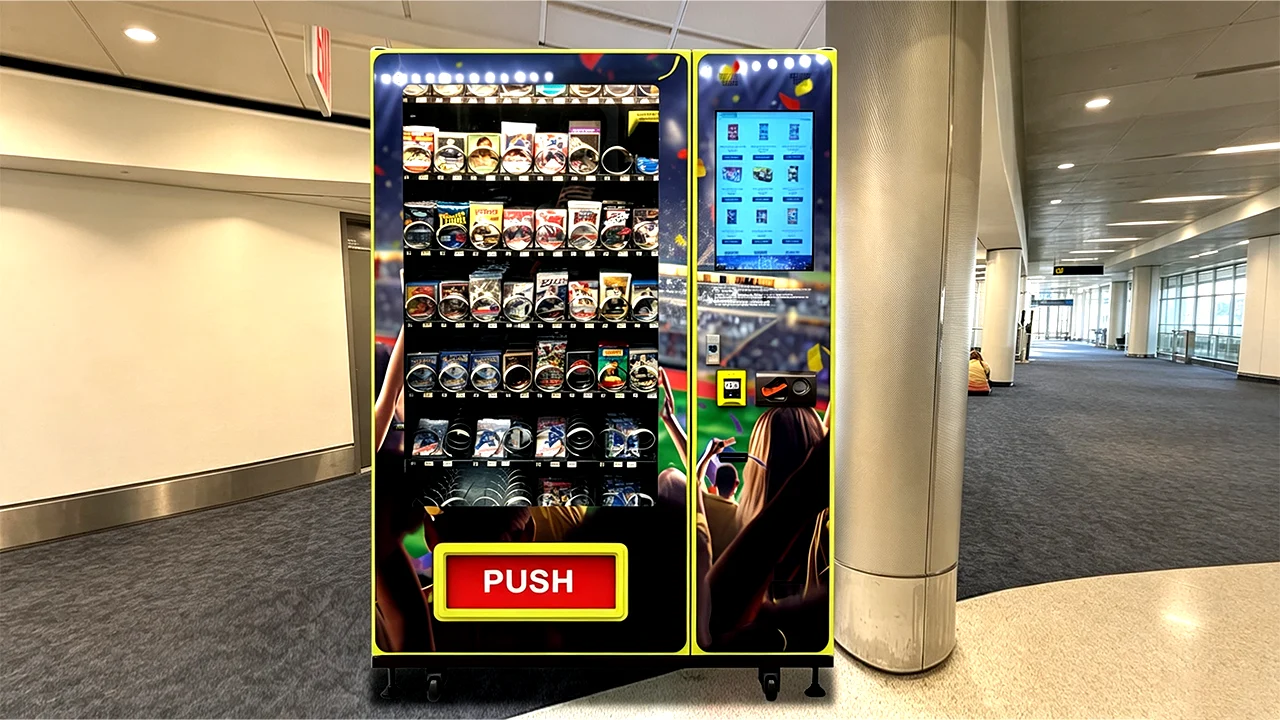
Where is the best place to put a card vending machine?
Hobby and game stores, comic book shops, entertainment venues, and family-oriented retail locations are the best bets. Look for places with high foot traffic, a demographic that matches card collectors, and enough dwell time for impulse purchases. Avoid locations where the audience is mostly office workers or tourists who have no interest in cards.
What permits or licenses do I need?
In the EU, you need to comply with CE marking and GDPR. In North America, you need a sales tax permit and possibly a vending machine license, depending on your state or province. Check with your local small business administration or a business attorney for specific requirements. General liability insurance is also recommended.
How do I choose a supplier for the machine?
Look for a supplier with experience in card vending machines, a solid warranty, and good customer support. Ask for references from other operators and check online reviews. I’ve had good experiences with manufacturers like Zhongda Smart, but you should compare multiple suppliers before making a decision. Pay attention to the quality of the payment system, the security features, and the ease of maintenance.
What happens if the machine breaks down?
If you have telemetry, you’ll know about the issue quickly. For simple problems, you can fix them yourself with basic tools. For complex issues, call a professional vending machine repair technician. Always have a contingency plan, and keep spare parts like coils and card readers on hand to minimize downtime.
How can I reduce restocking and maintenance costs?
Choose a machine with a larger capacity to reduce restocking frequency. Use telemetry to plan your restocking trips efficiently, and group multiple machines in the same geographic area to minimize travel time. Learn to do basic maintenance yourself, and keep a stock of common spare parts. Also, choose a location with a lower commission structure to improve your net margins.
Final Thoughts from a Decade in the Business
Running trading card vending machines is not a get-rich-quick scheme. It’s a real business that requires capital, time, and a willingness to learn from mistakes. The machines that succeed are the ones placed in the right locations, stocked with the right products, and maintained with regular attention. The ones that fail are usually the result of poor location selection, unrealistic expectations, or neglect.
If you’re thinking about getting into this business, start small. Buy one machine, find a good location, and learn the ropes before you scale. Talk to other operators, join industry associations, and read up on the latest trends in automated retail. The market for trading cards is strong, and there’s room for well-run vending operations. But success comes from treating this like a business, not a side hustle.
This article reflects my personal experience and should not be taken as financial or legal advice. Revenue and cost figures are based on my own observations and can vary significantly depending on location, product, and market conditions. Always do your own research and consult with professionals before making business decisions.