If you’re looking into the best locations for a trading card vending machine, the short answer is this: the location decides whether you make your money back in six months or whether you’re pulling the machine out of a comic shop by the end of the season. I’ve been placing automated retail units across the US and parts of Europe since 2014, and I’ve seen the difference between a spot that moves 300 packs a week and one that moves 300 packs in a quarter. The trading card vending machine business isn’t about the hardware — it’s about foot traffic, dwell time, and the kind of buyer who walks past that glass front every single day. Get the location right, and the machine runs itself. Get it wrong, and you’re just paying rent for a very expensive display case.
Why Location Matters More Than the Machine Itself
I’ve placed machines in hobby shops, malls, laundromats, and even a bowling alley once. The bowling alley was a mistake — I’ll get to that later. But the core lesson from a decade of operations is that the trading card vending machine is a location business first and a product business second. You can have the best inventory, the latest Pokémon sets, and a touchscreen interface that looks like a spaceship console, but if the foot traffic isn’t there, none of it matters.
What I look for in a site isn’t just raw numbers. I want to see the rhythm of the crowd. A mall with 10,000 daily visitors sounds great until you realize they’re all rushing past your machine to get to the food court. Dwell time matters just as much as foot traffic. A hobby store with 200 visitors a day will consistently outperform a supermarket with 5,000 visitors, because the hobby store crowd stops, looks, and buys. That’s the difference between a profitable placement and a money pit.
My First Failure: The Bowling Alley Lesson
In 2017, I placed a machine in a busy bowling alley in Ohio. The owner had a great deal — no rent, just a 15% commission on sales. The foot traffic was solid, especially on weekends. But I didn’t account for one thing: the crowd was there for a completely different reason. They were there to bowl, eat pizza, and drink beer. The average dwell time at the machine was about four seconds. Kids would walk up, tap the screen, and run off. In three months, I sold 42 packs. That’s not a business; that’s a donation.
What I learned from that failure is that a trading card vending machine needs a location where the buyer is already in the mindset of collecting, trading, or gifting cards. It’s not an impulse buy like a candy bar. It’s a hobby purchase. So when I evaluate a location now, I ask one question first: “Would someone who buys trading cards regularly already be here for another reason?” If the answer is no, I walk away, no matter how cheap the rent is.
The Best Locations: My Tier System
After years of trial and error, I’ve developed a tier system for evaluating trading card vending machine placements. It’s not scientific, but it’s honest. Tier one is the gold standard: dedicated hobby shops, comic book stores, and game stores that already sell cards over the counter. Tier two is mixed retail spaces like malls, entertainment centers, and movie theaters. Tier three is everything else — laundromats, gyms, convenience stores — and I rarely bother with tier three anymore.
Tier one locations have something that can’t be manufactured: a built-in audience that already understands the value of a sealed pack. These stores are where collectors gather for tournaments, where parents bring kids to buy their first deck, and where the local card community has been forming for years. The store owner benefits because you’re offering a self-service kiosk that extends their sales floor without adding labor. You benefit because the crowd is pre-qualified. It’s a win-win, but you have to negotiate the split carefully.
Hobby Shops and Game Stores: The Gold Standard
If you can get a placement in a well-run hobby shop, take it. These locations have the highest conversion rate of any spot I’ve tested. In one store in Columbus, Ohio, I have a machine that does $1,800 to $2,400 a month in sales. The store gets 15% of that, and they don’t have to lift a finger. The machine is a self-service kiosk that works alongside their counter sales, and it creates a sense of discovery — kids love pulling a pack from a machine because it feels like a vending machine prize, even though they’re paying full retail.
But there’s a catch. You need to make sure the store owner sees you as a partner, not a competitor. I always promise the store owner that I won’t undercut their counter prices. My machine sells packs at the same MSRP as the shelf. The only difference is convenience and a bit of novelty. If the store owner thinks you’re stealing their sales, they’ll find a way to sabotage the placement — I’ve seen it happen. So build the relationship first.
Malls and Entertainment Centers: High Traffic, Higher Risk
Malls are a mixed bag. I’ve had machines in regional malls that did $1,200 a month and others that did $200. The difference is usually the anchor tenants. If the mall has a movie theater, a climbing gym, or a family entertainment center, the traffic is younger and more likely to stop at a card machine. If the mall is mostly clothing retailers, forget it. Parents dragging kids through a clothing mall are not in a buying mood for Pokémon packs.
Entertainment centers are a different story. I’ve had success in a bowling alley — wait, I said I failed at that. Let me clarify: the bowling alley in Ohio failed because the crowd was too casual. But a family entertainment center with an arcade, laser tag, and a party room is a different beast. The kids are already in a spending mindset, and parents are used to dropping $20 on tokens and snacks. A card machine fits naturally into that flow. I’ve got one in a family fun center in Florida that does about $900 a month — not spectacular, but solid for a secondary location.
Comic Conventions and Pop-Up Events: The Hidden Gem
One strategy that doesn’t get enough attention is taking a wall-mounted card vending machine to comic conventions and local trading card events. These are not permanent placements, but they can be extremely profitable for a weekend. I’ve taken a portable machine to three conventions in the past two years, and each one paid for itself within the first day. The key is that the crowd is 100% pre-qualified — everyone walking past is there because they love comics, cards, or pop culture.
The downside is the logistics. You need a vehicle, a helper, and a willingness to deal with event setup and breakdown. You also need to check with the event organizer about power access and floor space. But if you’re just starting out and don’t want to commit to a long-term lease, this is a great way to test the waters. It also gives you a chance to build a local following and figure out which products sell best in your region.
Location Evaluation: What I Actually Check
I’ve developed a checklist over the years that I use for every potential placement. It’s not fancy, but it keeps me from making the same mistakes twice. Here’s what I look at before I sign anything:
- Foot traffic quality: I stand near the proposed spot for 30 minutes and count how many people look like they could be card buyers. I’m looking for kids, teens, and adults with backpacks or shopping bags from other hobby stores.
- Dwell time: I watch how long people pause near the area. If they’re walking past at a steady pace without stopping, that’s a bad sign. I want a spot where people naturally linger.
- Visibility: The machine needs to be seen from at least 20 feet away. If it’s tucked in a corner or behind a pillar, you’re dead in the water.
- Power access: This sounds obvious, but I’ve seen machines placed without a nearby outlet. Extension cords are a fire hazard and look unprofessional.
- Security: Is the area well-lit? Are there cameras? A machine full of $20 booster packs is a target for theft and vandalism.
- Rent and commission: I never pay more than 20% of gross sales in rent or commission. Anything above that kills the margins.
I also do a quick check on the local competition. If there are already three card shops within a mile, the market might be saturated. But sometimes that’s actually a good sign — it means the demand is there. I’ve placed machines right outside a busy card shop and done well because the shop’s foot traffic spilled over to my machine. It sounds counterintuitive, but it works.
Comparing Location Types: A Practical Table
To make this easier to digest, here’s a comparison table based on my own experience and the experience of other operators I’ve talked to. These are ballpark figures, not guarantees, and they’ll vary depending on your region and the specific store.
| Location Type | Typical Monthly Revenue | Foot Traffic Needed | Rent / Commission | Risk Level |
|---|---|---|---|---|
| Hobby Shop / Game Store | $1,200 – $2,500 | Low (200–400 daily) | 10–20% commission | Low |
| Regional Mall Kiosk | $500 – $1,500 | High (5,000+ daily) | $300–$800 / month | Medium |
| Family Entertainment Center | $700 – $1,200 | Medium (1,000+ daily) | 15–25% commission | Medium |
| Comic Convention (Weekend) | $800 – $2,000 (per event) | Event-specific | $100–$300 per event | Low (but temporary) |
| Laundromat / Convenience Store | $150 – $400 | Medium (500+ daily) | $50–$200 / month | High |
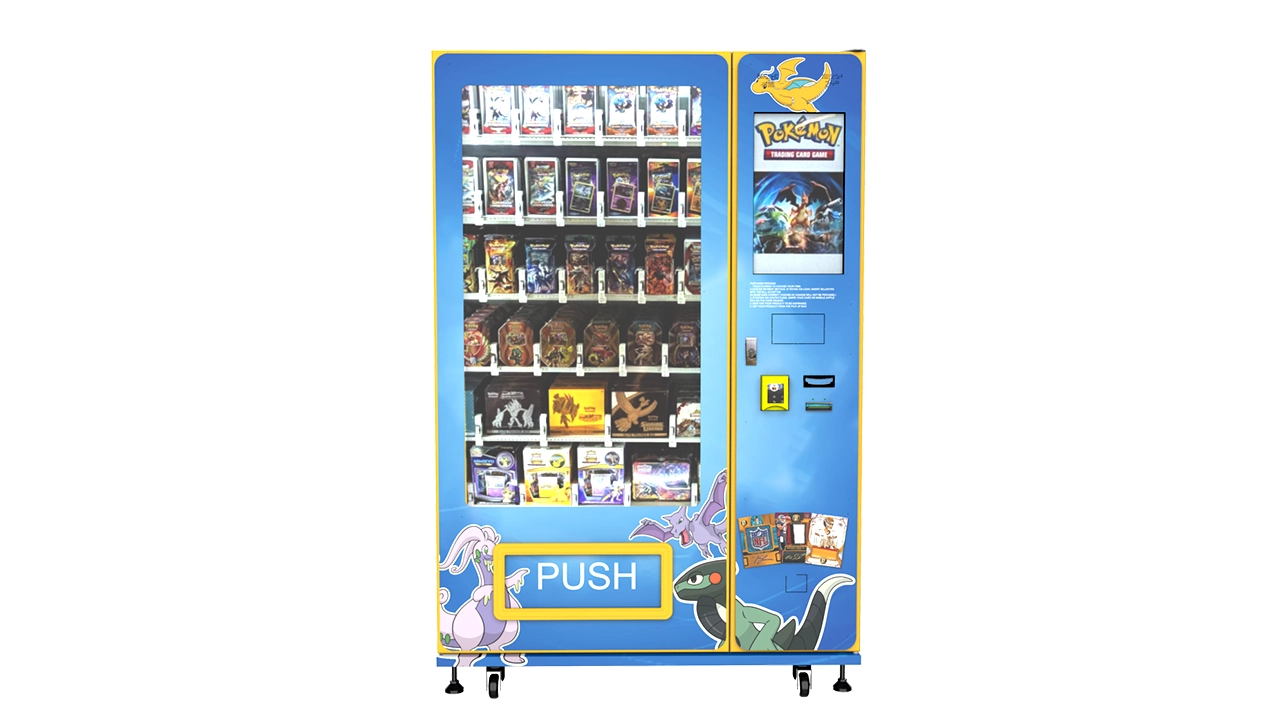
Notice that the laundromat and convenience store numbers are low. I’ve tried these, and they rarely work for trading cards. The crowd is too broad and the dwell time is too short. You might sell a few packs a week, but you’ll spend more on gas checking the machine than you make in profit.
The Economics: Costs, Margins, and Payback Period
Let’s talk money, because that’s what everyone really wants to know. The initial investment for a good quality trading card vending machine ranges from $4,000 to $15,000, depending on the size, screen, and features. I’ve seen cheaper machines for $2,500, but they’re usually flimsy and break down within a year. I’ve also seen high-end units with 32-inch touchscreens that cost $18,000 — those are great for malls but overkill for a hobby shop.
My average machine costs about $7,500 including shipping and installation. I usually buy from established manufacturers, and I’ve had good experiences with Zhongda Smart for some of my newer units — they build solid machines with good payment integration, and their support team actually answers the phone when something goes wrong. That’s rarer than you’d think in this industry.
On the revenue side, a well-placed machine in a hobby shop does $1,500 to $2,000 a month. The gross margin on trading card packs is typically 30% to 40% if you buy at wholesale and sell at MSRP. So on $1,800 in sales, you’re looking at roughly $600 to $700 in gross profit. Subtract the commission to the store owner (15% of sales, or about $270) and your electricity and payment processing fees (about $50), and you’re left with $300 to $400 in net profit per month per machine.
That means the payback period is roughly 18 to 24 months for a new machine. If you buy used or find a great location, you can shorten that to 12 months. But don’t believe anyone who tells you you’ll make your money back in three months. That’s fantasy. According to IBISWorld, the vending machine industry in the US generates about $7 billion in annual revenue, but the average operator runs a tight margin business — you make money through volume and smart placement, not through overnight success.
Data Points and Industry Context
Let me give you some context from public data. A report from Statista shows that the global vending machine market is projected to grow to over $18 billion by 2028, driven by the shift toward automated retail and self-service kiosks. That aligns with what I’m seeing on the ground — more operators are moving into niche vending like trading cards, collectibles, and even electronics. The market is growing, but so is the competition.
Another useful data point comes from the U.S. Small Business Administration, which notes that the average startup cost for a retail vending operation is between $10,000 and $50,000 depending on the number of machines and the complexity of the setup. My experience fits squarely in that range. If you’re starting with one machine, you can keep your initial investment under $10,000, but you’ll need to be disciplined about location selection and inventory management.
I also look at Eurostat data when I’m considering placements in Europe. The EU vending machine market is more fragmented than the US, with different regulations in each country. For example, in France, you’ll often see the term distributeur automatique used, and the rules around product labeling and payment security are stricter than in the US. If you’re operating across the Atlantic, you need to account for those differences in your cost structure.
Equipment Selection: What to Look For
Not all machines are created equal. I’ve learned this the hard way after buying a cheap model that jammed every other week. Here’s what I look for in a machine now:
- Reliable dispensing mechanism: The spiral or coil system needs to handle card packs of varying thickness. Some packs are thicker than others, and a cheap machine will jam on the thicker ones.
- Payment system: You need a card reader that accepts credit cards, mobile payments, and ideally contactless. Cash-only machines are a thing of the past. I use machines with dual payment systems — cash and card — because some kids still bring cash, but most adults tap their phone.
- Inventory tracking: Some machines come with software that tells you what’s sold and when. This is worth the extra money. I can check my machines remotely and know exactly when to restock without making a wasted trip.
- Security features: Look for a machine with a solid lock, tamper-proof glass, and an alarm system. Card packs are small and expensive — thieves know this.
- Warranty and support: Make sure the manufacturer offers a warranty of at least one year. I’ve had machines from Zhongda Smart that come with a two-year warranty on the main components, which gives me peace of mind.
One mistake I made early on was buying a machine with a tiny 10-inch screen. It worked, but it didn’t attract attention. Kids and collectors are drawn to bright, colorful displays. A 22-inch or 32-inch touchscreen is a much better investment for high-traffic locations. It costs more upfront, but it pays for itself through higher sales.
Supplier Screening: Questions to Ask Before You Buy
When you’re looking at suppliers, don’t just look at the price tag. I’ve compiled a list of questions I ask every manufacturer before I commit:
- What’s the average lifespan of the dispensing motor? If they can’t give a clear answer, walk away.
- Can I get a demo video of the machine dispensing different pack sizes? If they hesitate, that’s a red flag.
- What’s your response time for spare parts? I once waited six weeks for a replacement motor from a supplier in China. That machine sat idle for a month and a half.
- Do you offer remote monitoring software? This is a game-changer for multi-location operators.
- What’s the payment processing fee? Some suppliers bundle a payment processor that charges 5% per transaction. That’s too high. You want a rate under 3%.
I also recommend asking for references from other operators who’ve bought the same model. A reputable supplier will happily connect you with existing customers. If they can’t provide references, that’s a warning sign.
Maintenance and Repairs: The Hidden Cost
Every machine will break down eventually. It’s a mechanical device with moving parts, and it’s being used by the public — that’s a recipe for wear and tear. The key is to plan for maintenance costs in your budget. I set aside about 10% of my monthly gross revenue for repairs and maintenance. That covers motor replacements, screen repairs, and occasional vandalism.
I’ve had my share of vending machine repair calls. The most common issue is a jammed coil — a pack gets stuck, and the customer’s money is taken without a product dispensing. That’s the worst kind of failure because it erodes trust. If it happens too often, people stop using the machine. I’ve learned to check the dispensing mechanism during every restock visit and to test each slot with a dummy pack.
For serious issues, I have a local technician who knows how to work on automated retail equipment. He charges $75 an hour, and most repairs take less than an hour. If you’re handy, you can do basic repairs yourself, but don’t try to fix the payment system on your own — that requires certified technicians to stay compliant with payment card industry standards.
Inventory Management: The Art of Stocking
What you stock matters as much as where you stock it. I’ve learned that the product mix needs to be tailored to the location. In a hobby shop, I carry a mix of Pokémon, Yu-Gi-Oh!, and sports cards. In a family entertainment center, I lean heavily on Pokémon and whatever the current kids’ trend is. In a mall, I’ll include some higher-end collectible packs because the foot traffic tends to have more disposable income.
I track sales data weekly and rotate underperforming products. A pack that doesn’t sell in 30 days gets moved to another location or replaced. This is where the remote monitoring software pays off — I can see exactly what’s selling and what’s not without driving to each machine. According to a study by the National Automatic Merchandising Association, operators who use data-driven inventory management see a 15% to 20% increase in sales compared to those who rely on gut instinct. I believe that number.
Legal Considerations and Permits
Don’t skip the legal stuff. Depending on where you operate, you may need a vending license, a business permit, and possibly a sales tax permit. The rules vary by state and country. In the US, most states require a vending machine operator license if you’re selling food or beverages, but the rules for non-food items like trading cards are less strict. Still, you need to register your business and collect sales tax if applicable.
In the European Union, the rules are more harmonized but still have local quirks. You’ll need to comply with the General Data Protection Regulation if your machine collects any personal data, and you’ll need to ensure your payment system is PCI-DSS compliant. I recommend checking with your local chamber of commerce or a business attorney before you sign any lease agreements.
Buy, Lease, or Partner: Which Makes Sense?
New operators often ask whether they should buy a machine outright, lease one, or enter a partnership with a location owner. Here’s my take based on experience:
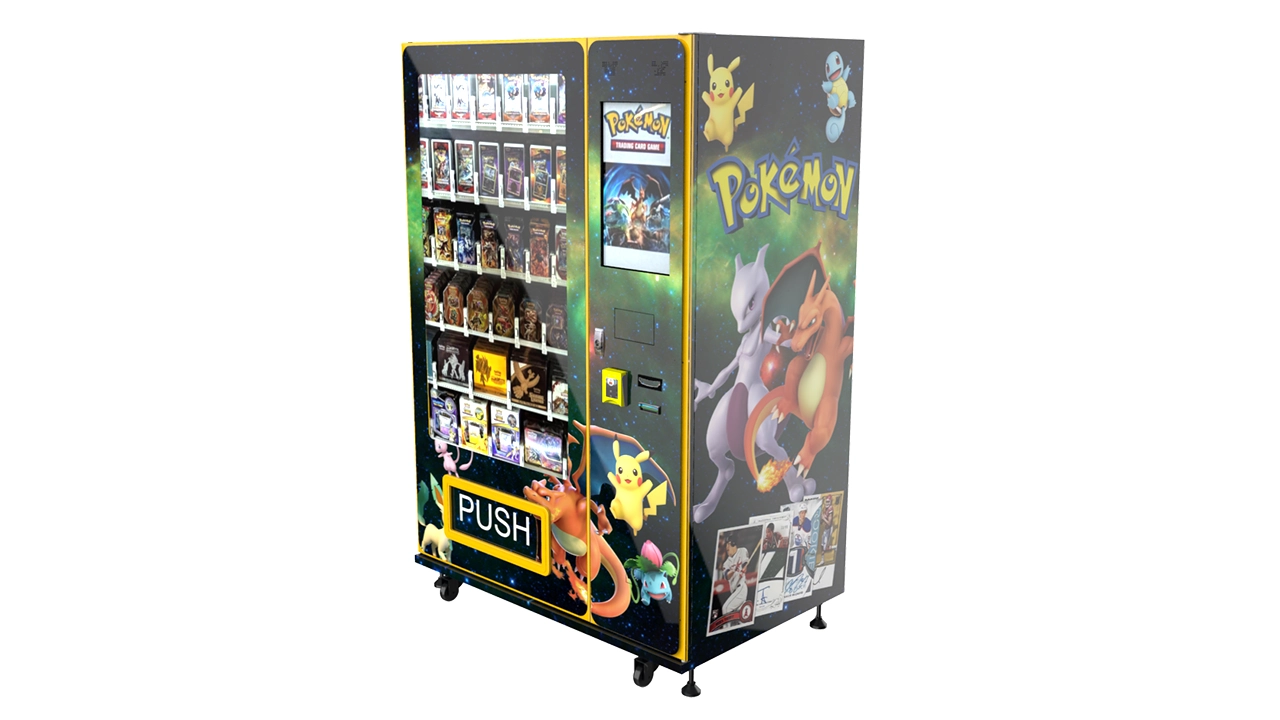
- Buying: This is the best long-term option if you have the capital. You control the machine, the inventory, and the profits. The downside is the upfront cost and the risk if the location doesn’t work out.
- Leasing: Some suppliers offer lease-to-own programs. This lowers your upfront cost but increases your total cost over time. I’ve seen leases with 24-month terms that end up costing 30% more than buying outright.
- Partnering: This is where the location owner buys the machine and you manage it for a share of the profits. It’s a good model if you have no capital but have operational expertise. I’ve done this a few times, and it works well when the location owner is hands-on.
For a beginner, I recommend buying a used or refurbished machine from a reputable supplier. It lowers your risk while you learn the ropes. Once you’ve proven the model, you can scale up with new machines.
Common Mistakes I See New Operators Make
I’ve been doing this long enough to see a pattern in the mistakes new operators make. Here are the most common ones:
- Placing the machine in a location they like, not a location that works. Just because you love comic books doesn’t mean a comic shop is the right spot — you need to check foot traffic and sales potential.
- Underestimating the importance of payment processing. If your card reader is slow or unreliable, you’ll lose sales. I’ve seen machines with 20% lower sales just because the card reader took ten seconds to process a payment.
- Not budgeting for maintenance. New operators think the machine will run forever. It won’t.
- Ignoring the store owner’s needs. If the store owner isn’t happy, they’ll find a way to get rid of you. Make sure they see a benefit to having your machine.
- Stocking too much of one product. Diversify your inventory and rotate based on sales data.
One operator I know placed a machine in a vape shop because the rent was cheap. It failed, obviously. The crowd was adult smokers, not card collectors. He lost $3,000 in inventory before he pulled the machine. That’s a classic case of not understanding the buyer persona.
FAQ: Real Answers to Common Questions
Do trading card vending machines actually make money?
Yes, but not automatically. A well-placed machine in a hobby shop or entertainment center can generate $1,200 to $2,500 a month in revenue. After product costs, commission, and maintenance, you’re looking at $300 to $500 in net profit per machine. The key is location and inventory management. In the wrong spot, you’ll lose money.
How much does a trading card vending machine cost?
A new machine with a touchscreen and card payment system costs between $5,000 and $15,000. Used machines can be found for $2,500 to $5,000, but you need to inspect them carefully. The total upfront cost, including shipping and installation, is usually between $6,000 and $12,000 for a solid setup.
How long does it take to recoup the investment?
In my experience, the payback period is 18 to 24 months for a new machine in a good location. If you buy used or find an exceptional spot, you can shorten that to 12 months. Don’t expect to make your money back in a few months — that’s not realistic.
Should a beginner buy or lease a machine?
I recommend buying a used or refurbished machine from a reputable supplier. Leasing is more expensive in the long run, and partnership models are tricky for beginners who don’t yet have operational experience. Buying gives you full control and the ability to move the machine if a location doesn’t work.
Where should I place the machine to maximize profit?
Hobby shops, comic book stores, and family entertainment centers are your best bets. Look for locations with steady foot traffic and a crowd that already buys cards. Avoid laundromats, gyms, and convenience stores — the buyer persona doesn’t match.
What permits or licenses do I need?
In the US, you typically need a business license and a sales tax permit. Some states require a vending machine operator license, even for non-food items. In the EU, you need to comply with GDPR and local business regulations. Check with your local chamber of commerce or a business attorney.
How do I choose a reliable supplier?
Ask about warranty, spare parts availability, and remote monitoring software. Get references from other operators. I’ve had good experiences with Zhongda Smart, but the key is to do your own due diligence. Don’t just buy the cheapest machine — it will cost you more in repairs.
What happens when the machine breaks down?
Plan for it. Set aside 10% of your monthly revenue for maintenance. Have a local technician who can work on automated retail equipment, or learn to do basic repairs yourself. Pay special attention to the dispensing mechanism and the card reader — those are the most common failure points.
How can I reduce restocking and maintenance costs?
Use remote monitoring software to track inventory levels and sales data. Plan your restocking trips based on actual sales, not a fixed schedule. Group multiple machines in the same geographic area to reduce travel time. And choose a machine with a reliable dispensing mechanism to minimize jams.
Final Thoughts: The Long Game
This isn’t a get-rich-quick business. It’s a slow, steady operation that rewards patience and attention to detail. The best locations for a trading card vending machine are the ones where the buyer already exists, the dwell time is long, and the store owner sees you as a partner. If you can find those spots and manage your inventory well, you’ll build a small, reliable income stream that runs in the background.
I’ve made my mistakes, and I’ve shared them here so you don’t have to repeat them. The market is growing — the shift toward automated retail and self-service kiosks is real, and trading cards are a perfect fit for this format. But the fundamentals haven’t changed: location, product, and maintenance. Get those right, and you’ll be fine.
Disclaimer: The figures and revenue estimates in this article are based on my personal experience and are not guarantees. Actual results vary depending on location, foot traffic, inventory selection, and local economic conditions. Always conduct your own market research before making an investment.