If you are looking into a trading card vending machine revenue per month, the honest answer is that most single machines in solid retail locations generate between $800 and $2,500, but I have seen outliers do $6,000 in a mall during Pokémon hype season and others sit at $300 for three months before I moved them. The difference is rarely the machine itself; it is the location, the card mix, and how often you are willing to rotate inventory. I have been running automated retail for over a decade, and the trading card niche is one of the most profitable per square foot I have ever touched, but it also punishes lazy operators faster than snack machines ever did.
Why Trading Card Machines Are a Different Beast
Anyone who has run a traditional snack or soda vending route knows the rhythm: restock every two weeks, collect coins, replace a broken motor, repeat. Card vending machines are a completely different animal. The product is small, high-value, and highly seasonal. You are not selling a candy bar for $1.50; you are selling a $6 pack of sports cards or a $40 mystery box that could contain a card worth hundreds of dollars.
That changes everything about how you approach the business. The margin per transaction is much higher, but so is the risk of theft, vandalism, and inventory going stale. I have had machines in locations where the average transaction was under $5, and I have had machines where a single customer bought $200 worth of product in one visit. The variance is enormous, and that is why you cannot just look at one operator’s numbers and assume yours will be the same.
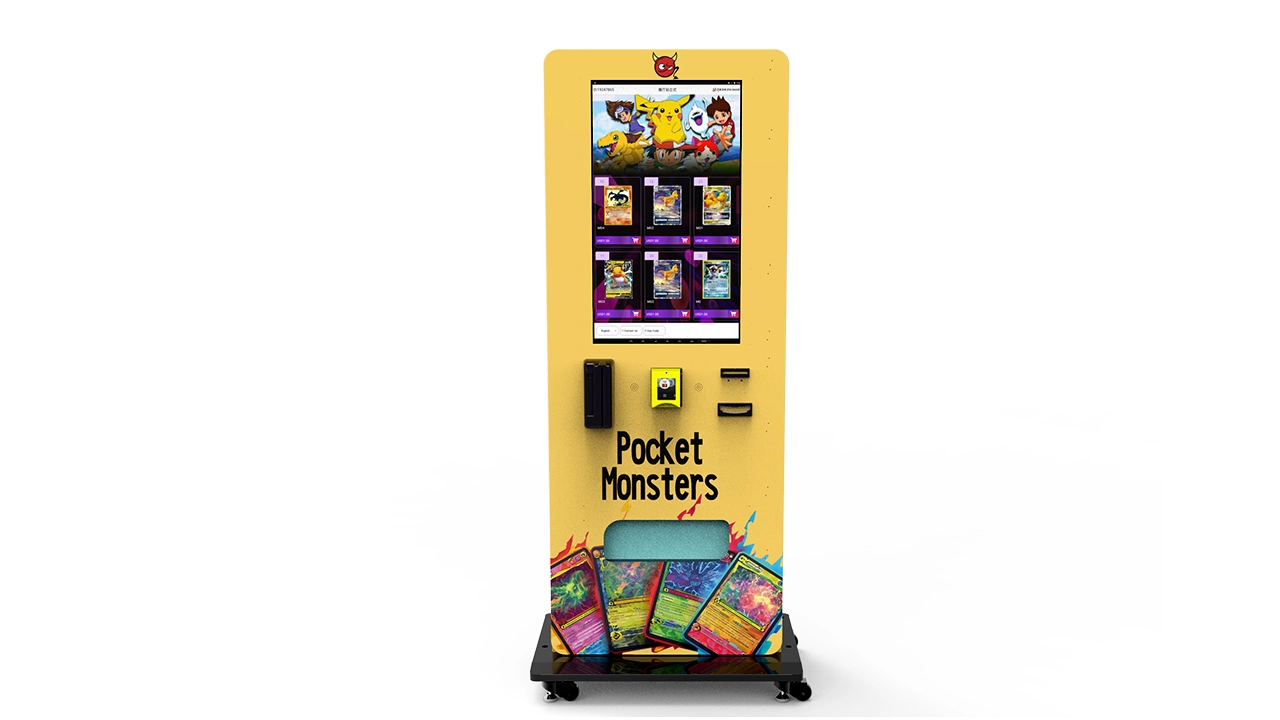
In my experience, the machines that perform best are the ones that treat the vending unit as a retail display, not just a box that dispenses product. That means glass fronts, bright lighting, and a screen that shows what is inside. If people cannot see the product, they will not buy. This is a lesson I learned the hard way when I placed a solid-door machine in a comic shop and watched it do almost nothing for six weeks.
Realistic Revenue Expectations by Location
Let me give you some real numbers from machines I have operated or consulted on. These are not official statistics; they are my own records and the records of operators I trust. A trading card vending machine revenue per month will vary wildly depending on foot traffic and demographic. I had a unit in a suburban hobby shop that averaged $1,400 per month. The shop owner was happy because it brought in customers who also bought supplies and singles from his counter.
I placed another unit in a busy mall corridor near a movie theater. That one did $3,200 in its best month and $1,100 in its worst. The difference was whether the mall was running a kids’ event or a trading event. I also have a client with a wall-mounted card machine in a laundromat in a middle-class neighborhood; that one does a steady $600 to $900 per month. It is not spectacular, but the rent is only $75 a month, and the machine cost under $4,000, so the return on investment is still solid.
Here is a rough breakdown based on what I have seen across dozens of placements:
| Location Type | Average Monthly Revenue | Foot Traffic Requirement | My Experience Notes |
|---|---|---|---|
| Hobby / Card Shop | $1,200 – $2,800 | Low but highly targeted | Best for repeat buyers and community events |
| Mall / Retail Corridor | $1,500 – $3,500 | High, 10,000+ weekly | Seasonal spikes, higher theft risk |
| Grocery Store Entrance | $800 – $1,500 | High, but general audience | Good for impulse buys, not for serious collectors |
| Laundromat / Gas Station | $500 – $900 | Medium, captive audience | Low rent, low hassle, but low ceiling |
| Convention / Event Space | $2,000 – $6,000+ | Event-based, not daily | Huge spikes, but you must be mobile |
If you are looking at this table and thinking you will just put a machine in a gas station and collect money, you are missing the point. The location determines the ceiling, but your inventory management determines whether you actually hit that ceiling.
The Real Cost Breakdown
Before you can understand revenue, you need to understand the full cost picture. A new trading card vending machine from a reputable manufacturer like Zhongda Smart will run you anywhere from $3,500 for a basic wall-mounted unit to $8,000 or more for a large touchscreen model with multiple trays and card grading features. I have seen cheaper machines from overseas for under $2,000, but I have also seen those machines fail within six months because the card dispensing mechanism jammed on thicker card sleeves.
You also have to factor in installation, shipping, and taxes. Shipping a full-size machine from a warehouse to your location can be $300 to $600 depending on distance. Installation is often something you can do yourself if you are handy, but if you need an electrician to run a dedicated circuit, that is another $200 to $400. I always tell new operators to budget at least $1,000 beyond the machine price for setup costs, because there is always something you did not anticipate.
Then there is the inventory. This is the part that catches most people off guard. You need to stock the machine with product, and that product is not free. If you are buying sealed packs from a distributor, you might spend $500 to $1,500 to fully stock a machine depending on the size. If you are buying mystery boxes or repackaged lots from a third-party supplier, you can reduce that initial outlay, but you take on more risk in terms of product quality and authenticity.
According to IBISWorld, the vending machine industry in the US has been growing at a modest rate, but the trading card segment has outpaced traditional vending because of the boom in collectibles. The global trading card market was valued at over $12 billion in recent years, and it is still expanding. That is a real tailwind, but it also means more operators are entering the space, so you cannot just rely on the market growing; you have to execute better than the next guy.
My First Failure: A Lesson in Placement
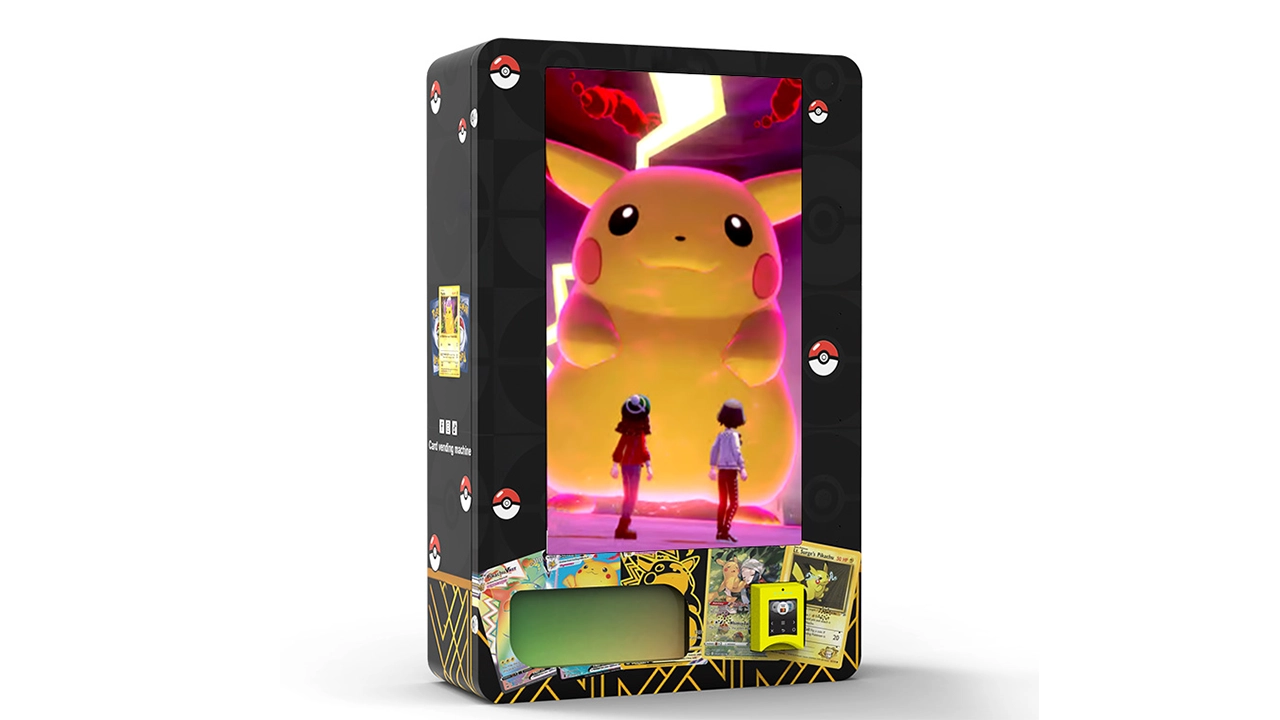
I want to share a failure because I think too many articles only talk about success. About four years ago, I bought a used card machine from a guy who was getting out of the business. It was a decent unit, but it had a solid front panel, meaning customers could not see the product. I thought that would reduce theft, and it did, but it also killed sales. I placed it in a comic book store that had good foot traffic from collectors, but the machine sat there for two months doing almost nothing.
The problem was simple: people could not see what they were buying. In a card shop, customers want to browse. They want to see the shiny packs, the branded boxes, the mystery packs. When they cannot see anything, they assume the machine is out of order or just walk past it. I eventually moved that machine to a laundromat, where the curiosity factor was higher, and it started doing modest numbers. But I lost two months of potential revenue because I ignored the visual aspect of the product.
That experience taught me to always prioritize glass fronts and good lighting. If you are looking at a machine and it does not have a clear display window, do not buy it, no matter how cheap it is. The 32-inch touchscreen trading card vending machine is a perfect example of what I mean; the screen itself becomes the display, and it can cycle through product images and prices, which draws people in even when the machine is not being actively used.
Choosing the Right Machine Configuration
There is no single best machine for every location, and I have made the mistake of trying to force one model into multiple scenarios. The first thing you need to decide is whether you want a full-size floor unit or a wall-mounted machine. A wall-mounted card vending machine is ideal for tight spaces like convenience stores, laundromats, or small hobby shops. It takes up almost no floor space, and the lower cost means you can place multiple units across different locations to test which ones work.
Full-size machines, on the other hand, are better for high-traffic areas where you want to offer a wider selection. They can hold more SKUs, which means you can stock different sports, different years, and different price points. I have found that a machine with at least four to six trays gives you enough flexibility to rotate inventory based on what is selling. If you only have two trays, you are stuck with a limited selection, and you will miss out on sales from customers who are looking for something specific.
Payment systems are another critical consideration. You absolutely need a machine that accepts credit cards and mobile payments. Cash-only is a dealbreaker in most locations. According to a report from Statista, cash usage in the US has been declining steadily, and younger consumers, who are the primary buyers of trading cards, prefer to pay with cards or mobile wallets. I have seen machines with outdated card readers fail simply because the reader was slow or unreliable. You want a payment system that supports contactless, Apple Pay, and Google Pay, and you want it to be fast.
I also recommend looking at machines that offer remote monitoring and inventory tracking. This is not a luxury; it is a necessity if you are running more than one machine. The remote management features available on newer models allow you to see sales data, low inventory alerts, and even error codes without having to physically visit the machine. This saves you hours of driving and lets you respond to issues before they become lost revenue.
Inventory Strategy: The Key to Consistent Revenue
Your revenue is only as good as your inventory strategy. If you stock the same products for months, sales will decline because collectors have already bought what they want. You need to rotate product regularly, introduce new releases, and remove items that are not moving. I have learned that a good rule of thumb is to check sales data weekly and rotate at least 20% of the inventory every month.
What sells well varies by location. In a hobby shop, sealed booster packs of Pokémon and sports cards are the bread and butter. In a mall, mystery boxes and repackaged lots tend to do better because they appeal to impulse buyers who are looking for a thrill. I also recommend carrying a few higher-priced items, like hobby boxes or graded cards, but only in locations where you know there are serious collectors. In a laundromat, those high-priced items will just sit there and tie up your capital.
One mistake I see new operators make is buying too much inventory upfront. They get excited, order a bunch of product, and then realize they do not know what their customers want. Start with a modest inventory, track what sells, and then reorder based on data. This is not just about saving money; it is about learning the rhythm of your specific location.
I also want to mention that authentication is a growing concern in this industry. Counterfeit cards are a real problem, and if customers suspect your machine is selling fakes, your reputation is ruined. I only buy from reputable distributors, and I keep receipts for everything. If a customer ever questions the authenticity of a card, I can trace it back to the source. This is not just good practice; it is essential for long-term survival.
Maintenance and Repair: What to Expect
Every vending machine will break down eventually, and trading card machines are no exception. The most common issues I have encountered are card jams, sensor failures, and payment system glitches. Card jams happen most often when the machine is stocked with cards that are too thick or too thin, or when the dispensing mechanism is dirty. I have learned to clean the rollers and sensors at least once a month, and this has dramatically reduced the number of service calls.
You also need to have a relationship with a repair technician, or you need to be willing to learn basic troubleshooting yourself. Vending machine repair is not rocket science, but it does require patience and a willingness to read manuals. I have spent many hours on the phone with tech support from the manufacturer, and I have learned that most issues can be resolved remotely if you have a machine with remote diagnostics.
Budget for maintenance costs. I typically set aside about 10% of monthly revenue for repairs and unexpected issues. Some months I do not touch that money, and other months I have to spend it all on a new card reader or a replacement motor. If you do not have this buffer, one bad month can wipe out your profit for the quarter.
I also recommend having a backup plan for when a machine goes down. If you have a machine in a high-traffic location, downtime means lost revenue and a frustrated location owner. I keep a spare parts kit, including sensors, motors, and card reader components, so I can often fix issues on-site without waiting for a shipment.
Location Evaluation: How I Assess a Potential Site
I have developed a checklist over the years that I use to evaluate any potential location. The first thing I look at is foot traffic, but not just any foot traffic. I want to know if the demographic matches the product. A location with lots of foot traffic from office workers is not necessarily a good fit for trading cards. I want to see families, kids, or young adults who are likely to be interested in collectibles.
I also look at the existing retail mix. If the location already has a card shop or a store that sells collectibles, that is a good sign because it means there is already demand. But it also means there is competition, so I need to differentiate my offering. If the location has no card-related retail, I want to understand why. Maybe it is an untapped market, or maybe the demographics are wrong.
The relationship with the location owner is also critical. I have had great locations with terrible hosts, and the experience was miserable. I want a host who is responsive, who is willing to alert me if there is an issue, and who does not treat the machine as a nuisance. I always negotiate the terms clearly upfront, including commission rates, electricity access, and who is responsible for cleaning around the machine. According to the U.S. Small Business Administration, clear contracts are essential for any business relationship, and I have learned that a handshake is not enough.
I also evaluate the risk of theft and vandalism. A machine in a dimly lit area or a location with no security cameras is a risk. I have had machines broken into, and the damage was not just the stolen product; it was the cost of repairing the machine and the lost revenue while it was out of service. I now refuse to place machines in locations that do not have adequate lighting and some form of security monitoring.
Comparing Different Operating Models
You have options when it comes to how you run this business. You can buy a machine and operate it yourself, you can lease a machine from a provider, or you can enter into a revenue-sharing agreement with a location owner. Each model has its pros and cons, and I have tried all three.
Owning your own machine gives you the most control and the highest profit margin, but it also requires the most capital and the most responsibility. Leasing is a good option if you are new and want to test the waters without committing a lot of money. However, leasing often comes with higher long-term costs, and you may be limited in terms of what products you can sell. Revenue sharing with a location owner can reduce your upfront costs, but it also reduces your profit, and you are dependent on the owner to maintain the relationship.
My personal preference is to own my machines, but I have seen successful operators use all three models. The key is to understand your own financial situation and your risk tolerance. If you are new, I would suggest starting with one owned machine in a solid location and learning the ropes before expanding.
Legal and Compliance Considerations
Do not overlook the legal side of this business. Depending on where you are located, you may need a vending machine permit, a business license, and possibly a sales tax permit. The requirements vary by state and even by city, so you need to do your homework. I have a checklist of local regulations that I review before placing a machine, and I have had to walk away from a few locations because the permitting process was too burdensome.
In the EU, the rules are different, and if you are operating there, you need to be aware of the specific compliance requirements for automated retail. I have seen operators get fined for not having proper labeling on their machines or for not registering their business properly. It is not glamorous, but it is necessary.
You also need to think about consumer protection. If you are selling mystery boxes or repackaged lots, some jurisdictions require you to disclose the potential value of the contents. I have seen operators get into trouble for misleading advertising, so I always make sure my machine displays clear information about what customers are buying.
Scaling Up: When and How
Once you have one machine running smoothly, you will naturally start thinking about scaling. I would not add a second machine until the first one has been profitable for at least six months. That gives you enough data to understand the seasonal patterns and to build a buffer for repairs and inventory. I made the mistake of scaling too fast once, and I ended up with three machines that all needed attention at the same time, and I did not have the cash flow to support them.
When you do scale, focus on clustering your machines geographically. This reduces your travel time and makes maintenance more efficient. I have machines that are all within a 30-minute drive of each other, and that makes a huge difference. If you have machines spread across a wide area, you will spend more time driving than you will making money.
I also recommend using the data from your existing machines to guide your expansion. If a particular type of location is performing well, look for similar locations in the same region. If a particular product category is selling out quickly, order more of it. The data is there, and you just have to pay attention to it.
FAQ
Are trading card vending machines profitable?
They can be, but profitability depends heavily on location, inventory management, and operational efficiency. In my experience, a well-placed machine can generate $1,000 to $3,000 per month in revenue, but you have to account for the cost of the machine, inventory, maintenance, and the location’s commission. It is not a get-rich-quick scheme, but it can be a solid source of passive income if you are willing to put in the work.
How much does a trading card vending machine cost?
A new machine typically costs between $3,500 and $8,000, depending on the size, features, and manufacturer. Used machines can be found for less, but you take on more risk. You also need to budget for shipping, installation, and initial inventory, which can add another $1,000 to $2,000 to your startup costs.
How long does it take to break even?
Based on my experience, most operators break even within 6 to 18 months. If you have a great location and strong sales, you could break even in under six months. If you have a poor location or high operating costs, it could take two years or more. I always recommend calculating your break-even point before you buy a machine, so you know what to expect.
Should I buy or lease a machine as a beginner?
I generally recommend buying a machine rather than leasing, because leasing often comes with higher long-term costs and less flexibility. However, if you are unsure about the business, leasing can be a way to test the waters with less upfront risk. Just make sure you understand the terms of the lease and what happens if you want to terminate it early.
What are the best locations for a card vending machine?
The best locations are hobby shops, comic book stores, malls, and other places where collectors and impulse buyers gather. I have also had success with grocery store entrances and laundromats, but the revenue ceiling is lower. You want a location with steady foot traffic and a demographic that is interested in trading cards.
What licenses or permits do I need?
The requirements vary by state and city. You will likely need a business license and possibly a vending machine permit. You may also need to collect sales tax. I recommend contacting your local small business administration office or checking your city’s website for specific requirements.
How do I choose a reliable vending machine supplier?
Look for a supplier with a track record of reliability, good customer support, and a warranty. I have had good experiences with Zhongda Smart, but you should do your own research. Ask for references, read reviews, and make sure the supplier offers replacement parts and technical support.
What should I do if my machine breaks down?
First, check the machine’s manual and try basic troubleshooting. If you cannot fix it, contact the manufacturer or a local vending machine repair technician. I recommend having a spare parts kit and a relationship with a technician before you need one. Downtime is lost revenue, so you want to be prepared.
How can I reduce restocking and maintenance costs?
Use a machine with remote monitoring to track inventory and sales data, so you only visit the machine when it needs attention. Clean and maintain the machine regularly to prevent jams and other issues. Also, negotiate good prices with your inventory suppliers and buy in bulk when possible.
Final Thoughts from the Field
Running a trading card vending machine business has been one of the most rewarding ventures I have undertaken, but it is not for everyone. It requires attention to detail, a willingness to learn from mistakes, and the discipline to treat it like a real business, not a hobby. The machines that perform best are the ones that are well-placed, well-stocked, and well-maintained. If you can do those three things consistently, you have a good chance of building a profitable operation.
I have seen too many people buy a machine, throw it in a random location, and expect to get rich. That is not how it works. You have to be willing to move machines, change inventory, and adapt to what the data tells you. I have moved machines that were underperforming, and sometimes the new location made all the difference. I have also changed my inventory strategy based on sales data, and that has increased my revenue without any additional capital investment.
If you are serious about this, start small, learn the ropes, and be patient. The trading card market is still growing, and there is room for operators who are willing to do the work. Just remember that no machine is a set-it-and-forget-it investment. It is a business, and it will only succeed if you treat it like one.
Disclaimer: The revenue figures and operational insights shared in this article are based on my personal experience and should not be interpreted as guaranteed outcomes. Actual results will vary based on location, market conditions, and operational decisions. Always conduct your own research and consult with relevant professionals before making business investments.