If you’re looking into the trading card vending machine business, the first question you probably have isn’t about which machine to buy—it’s about whether you need insurance and how much that’s going to cost you. After more than a decade running automated retail routes across the U.S., I can tell you this: insurance isn’t the most exciting part of the operation, but skipping it has ended more than a few promising side hustles. The honest answer is that you need some form of coverage, but the type and level depend entirely on where you place the machine, how you structure the business, and whether you own or lease the equipment. Let’s break down what actually matters, what you can safely skip, and what I wish someone had explained to me before I lost money learning the hard way.
Why This Business Keeps Growing—and Why That Matters for Risk
The trading card vending machine niche has exploded over the last few years, and it’s not hard to see why. Collectors love the thrill of a random pack, and operators love the margins. But growth attracts attention, and attention brings liability. The more machines you place, the more you’re dealing with public interaction, payment processing, and equipment that can fail in ways you didn’t anticipate.
I’ve seen operators treat this like a hobby, only to realize after an incident that their personal auto insurance or renter’s policy doesn’t cover a commercial machine sitting in a retail lobby. That’s a painful way to learn the difference between personal and commercial exposure. The machine itself might be insured under a property policy if you own a store, but if you’re placing it in someone else’s location, the lines get blurry fast.
What Most New Operators Get Wrong
The most common mistake I see is the assumption that the location owner’s insurance covers everything. It doesn’t. If a customer trips on a power cord, gets injured reaching into the machine, or claims a defective product caused damage, you can bet the location’s lawyer will point to you as the equipment owner. I had a machine in a laundromat that got knocked over by a delivery cart. The location had insurance, but their policy explicitly excluded tenant-owned equipment. That claim came back to me, and I had no coverage for it.
That’s when I started treating insurance as a line-item cost, not an afterthought. It’s not about being paranoid; it’s about making sure a single incident doesn’t wipe out six months of profit. The cost of a basic general liability policy is often less than what you’d spend on a single restock of booster packs, yet most new operators skip it because they think nothing will happen.
What Insurance Actually Covers for a Card Vending Machine
Let’s get specific. The coverage you need falls into a few buckets, and not all of them apply to every operation. General liability is the baseline—it covers bodily injury and property damage that happens because of your business operations. If someone gets hurt using the machine, or the machine damages the location’s floor, this is what responds.
Then there’s commercial property insurance, which covers the physical machine itself. If you own the equipment outright, this protects against theft, vandalism, fire, and certain types of water damage. This matters more than you think. I’ve had machines vandalized in parking lots and one that was completely destroyed by a leaking roof in a strip mall. The property policy paid for replacement, and that saved the route.
Equipment Breakdown and Cyber Coverage
Another layer is equipment breakdown coverage, which handles mechanical or electrical failures that aren’t caused by wear and tear. This is different from a warranty. A warranty covers defects, but breakdown coverage handles things like power surges that fry the payment system. I had a 32-inch touchscreen machine that took a lightning strike through the building’s wiring. The warranty didn’t cover it, but the breakdown rider did.
If you’re using cashless payments—and you should be—cyber liability insurance is worth considering. Card reader breaches are rare in standalone machines, but they’re not impossible. The cost of notifying customers and dealing with a payment processor investigation can be significant, and some processors will terminate your contract if you don’t maintain certain security standards. Cyber coverage is cheap compared to the headache of a breach.
How Much Does Insurance Cost for a Card Vending Machine?
I’m going to give you real numbers based on what I’ve paid and what I’ve seen other operators pay, not some inflated industry average. For a single machine operation, a basic general liability policy with a $1 million limit typically runs between $300 and $600 per year. That’s for a standalone policy. If you bundle it with commercial property coverage for the machine itself, you’re looking at $500 to $1,200 annually, depending on the machine’s value and where it’s located.
For a small route of five to ten machines, you’ll probably pay somewhere between $1,500 and $3,500 per year. That’s still less than 2% of your gross revenue if you’re doing things right. The problem is that most new operators don’t budget for this, so they end up cutting corners or going without coverage entirely.
Factors That Change Your Premium
Location plays a huge role. A machine inside a well-lit convenience store with security cameras will get a lower rate than one sitting outside a gas station or in a high-traffic tourist area. The machine’s value matters too—a basic wall-mounted card vending machine is cheaper to insure than a full-sized kiosk with a touchscreen and advanced payment systems.
Your business structure also affects pricing. If you’re operating as an LLC, the insurance company treats you differently than if you’re a sole proprietor. LLCs often get slightly better rates because they show a higher level of professionalism and separation between personal and business assets. That’s not the reason to form an LLC, but it’s a nice side benefit.
Real Numbers: Costs, Revenue, and Payback Periods
Let’s talk money because that’s what everyone actually cares about. I’m going to separate what I know from experience and what comes from public data. According to a Statista report on vending machines in operation in the United States, the vending industry has consistently expanded, with over 4.5 million machines operating nationwide. That’s not a niche—it’s a mature market with room for specialized players.
From my own routes, a well-placed trading card vending machine grosses anywhere from $800 to $2,500 per month. The variance depends on foot traffic, location type, and how often you restock with fresh product. A machine in a hobby shop or comic store will do better than one in a random convenience store because the audience is already there. The margin on sealed product is typically 30% to 40%, but that’s before you account for card payment fees, restocking labor, and machine depreciation.
Initial Investment Breakdown
Here’s what you’re looking at for startup costs. A new machine from a reputable supplier runs between $3,500 and $8,000. The cheaper end gets you a basic model with a simple card dispenser. The higher end gets you a 32-inch touchscreen unit with better inventory capacity and a more polished user interface. I’ve also seen used machines go for $1,500 to $3,000, but you’re taking on the risk of previous wear and tear.
Initial inventory is another $1,000 to $2,500, depending on how many slots you want to fill and whether you’re stocking high-end single cards or booster packs. You’ll also need to budget for installation, signage, and possibly a small payment to the location owner. Some locations charge a flat monthly fee, while others take a percentage of sales. I’ve seen commissions range from 10% to 20% of gross, and I’ve seen locations that just want a free machine and a cut.
Comparing Different Machine Types and Costs
Not all machines are created equal, and the type you choose affects both your insurance premium and your potential revenue. Here’s a table that breaks down the common options based on what I’ve seen in the field.
| Machine Type | Typical Cost | Monthly Revenue Potential | Insurance Premium Range | Best Use Case |
|---|---|---|---|---|
| Wall-mounted basic card dispenser | $2,500 – $4,500 | $500 – $1,200 | $300 – $600 / year | Low-traffic convenience stores, small shops |
| Freestanding card vending machine | $4,000 – $7,000 | $800 – $2,000 | $400 – $800 / year | Hobby shops, game stores, malls |
| 32-inch touchscreen kiosk | $6,000 – $9,500 | $1,200 – $2,500 | $500 – $1,000 / year | High-traffic retail, entertainment venues |
| Used or refurbished machine | $1,500 – $3,500 | $400 – $1,000 | $300 – $500 / year | Testing a new location with low upfront risk |
That table isn’t gospel—your results will vary based on location and how well you manage the operation. But it gives you a realistic starting point for budgeting and for deciding how much insurance you actually need.
Why the 32-Inch Touchscreen Changes the Game
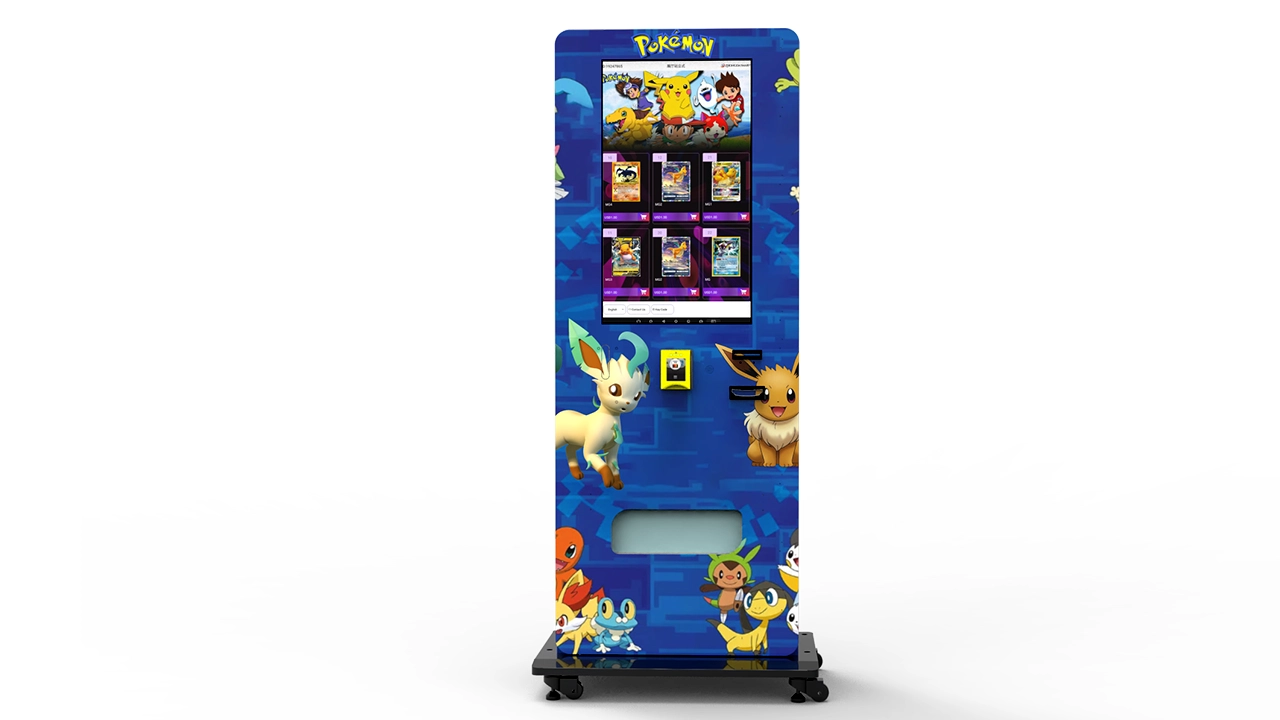
I’ve written before about why the 32-inch touchscreen trading card vending machine is a different beast. The higher interaction level means more customer engagement, but it also means more electronic components that can fail. The insurance premium is slightly higher, but the revenue potential justifies it in the right location. The key is matching the machine’s complexity to the location’s traffic and your ability to maintain it.
Choosing the Right Supplier and Avoiding Common Pitfalls
Supplier selection is where most of the long-term cost hides. I’ve bought machines from factories in China, from domestic distributors, and from used equipment resellers. The experience varies wildly. One thing I’ve learned is that paying a little more for a supplier with a solid warranty and responsive support saves you money in the long run. A machine that sits broken for two weeks isn’t making money, and it’s still costing you insurance and location fees.
I’ve had good experiences with Zhongda Smart on a couple of units, particularly their newer models with better card dispensing mechanisms. They’re not the cheapest option, but their build quality has been consistent, and their after-sales support actually responds. That matters more than you think when you’re dealing with a machine that jams at 9 PM on a Saturday.
Red Flags in Supplier Selection
Be wary of suppliers who promise huge revenue numbers or guarantee specific returns. Nobody can guarantee foot traffic. Also, check whether the machine uses proprietary parts that are hard to source. I’ve seen operators buy cheap machines that required custom motors that took six weeks to ship from overseas. That’s a nightmare when you’re trying to keep a location happy.
Ask about the payment system integration. Does it support major card processors? Is the software updatable? Does the machine have remote monitoring? These features affect not just your operational efficiency but also your insurance risk. A machine that can report its own faults is less likely to sit in a dangerous state of disrepair.
Location Assessment: Where to Place Machines for Maximum Safety and Profit
Location is the single biggest factor in whether you make money or lose it. I’ve talked about trading card vending machine placement strategies before, but let me emphasize the safety angle. A machine in a high-crime area needs more robust security, which can affect your insurance premium. A machine in a low-traffic area might be safer but won’t generate enough revenue to justify the insurance cost.
Look for locations with consistent foot traffic of at least 50 to 100 people per day, depending on the product mix. A hobby shop with 30 dedicated customers a day might outperform a convenience store with 200 random shoppers. The audience quality matters more than raw numbers. Also, consider the location’s hours—a machine in a 24-hour gym sees overnight traffic that might not be ideal for a card vending machine, but it’s not automatically a bad fit.
Site Visits and Lease Agreements
Never sign a placement agreement without visiting the site at different times of day. I once placed a machine in a game store that looked busy on Saturday afternoon but was dead Tuesday through Thursday. The location owner pushed for a commission structure that made sense on paper but didn’t account for the slow weekdays. The machine barely broke even.
Also, get the placement agreement in writing. Specify who’s responsible for what—maintenance, restocking, insurance, and liability. This isn’t just about protecting yourself; it’s about making sure the location owner understands their responsibilities too. A clear agreement prevents disputes down the road.
Self-Op vs. Leasing vs. Revenue Sharing
You have three main ways to run this business: owning the machine outright, leasing it from a supplier, or entering a revenue-sharing agreement with a location. Each has different insurance implications.
Owning gives you full control and the most profit per sale, but you carry all the risk and responsibility for insurance and maintenance. Leasing reduces your upfront capital but often comes with higher ongoing costs and restrictions on how you can modify the machine. Revenue sharing with a location owner means you might not need as much insurance, but you’re also giving up a significant chunk of your margin.
My Take on Each Model
For beginners, I usually recommend owning a single machine in a solid location. It’s the simplest way to learn the business without the complexity of lease terms or partnership disputes. The insurance cost is manageable, and you control the quality of the machine and the restocking schedule.
Leasing is attractive if you’re capital-constrained, but read the fine print. Some lease agreements require you to use their proprietary software or payment processor, which can limit your flexibility. I’ve also seen lease terms that shift liability for damage to the lessee, effectively making you pay for the machine’s repair even though you don’t own it.
Maintenance, Repairs, and the Real Cost of Downtime
Every machine breaks eventually. The question is how fast you can fix it and how much it costs. Basic vending machine repair for a card dispenser jam might be a simple fix you can do yourself with a screwdriver and some patience. More complex issues—like a failed touchscreen or a broken payment terminal—require parts and possibly a technician.
I’ve had to deal with trading card vending machine maintenance and troubleshooting more times than I can count. The cost of a service call from a vending machine repair technician runs between $75 and $150 per hour, plus parts. A minor fix might cost $100, while a major component replacement could be $500 or more. That’s why I always recommend keeping a spare parts kit on hand—belts, sensors, and card pusher mechanisms are cheap compared to a service call.
Preventive Maintenance Reduces Insurance Risk
A well-maintained machine is less likely to cause injury or damage, which reduces your liability exposure. I make it a habit to inspect every machine every two weeks, even if it doesn’t need restocking. I check for loose wiring, worn parts, and any signs of tampering. This isn’t just about keeping the machine running—it’s about documenting that you’re taking reasonable care, which matters if you ever face a claim.
Payment Systems and the Unattended Retail Experience
Modern card vending machines need to accept cards, mobile payments, and sometimes cash. The payment system is the most likely point of failure, and it’s also the part customers interact with most. A machine that doesn’t accept payments smoothly is a machine that loses sales and creates frustrated customers.
I prefer machines with a dedicated payment processor integration rather than a generic card reader. The dedicated systems handle connectivity issues better and often come with remote monitoring. This is part of the broader trend toward automated retail and self-service kiosks, where the entire transaction happens without human intervention. The more reliable the payment system, the less risk you have of a customer claiming they were charged but didn’t receive their product.
Cashless and Contactless Trends
The shift to cashless payments has been a game changer for card vending machines. According to IBISWorld’s vending machine operators industry report, the industry has seen a steady increase in cashless transactions, and that trend accelerated after the pandemic. Customers expect to tap their card or phone, and machines that can’t do that feel outdated.
But cashless also introduces a different type of risk—chargebacks. If a customer claims they didn’t receive their product, they can dispute the charge. A few chargebacks a month can add up, and they can hurt your standing with the payment processor. Having clear signage, a customer service contact, and a reliable machine reduces the likelihood of disputes.
Legal Requirements and Permits
Insurance isn’t the only legal consideration. Depending on your state or municipality, you might need a vending machine permit, a sales tax license, or a business license. The U.S. Small Business Administration’s guide to federal and state tax ID numbers is a good starting point for understanding what you need to operate legally. Don’t skip this—operating without the right permits can lead to fines and even forced removal of your machine.
Sales tax on trading cards varies by state, and some states treat collectible cards differently than other retail goods. You’re responsible for collecting and remitting that tax. I’ve seen operators get hit with surprise tax bills because they didn’t realize they had nexus in a particular state. If you’re placing machines in multiple states, that’s a whole other layer of compliance.
Liability Waivers and Location Agreements
Some operators include a liability waiver in their location agreement, but in practice, these are hard to enforce. A waiver might protect you from certain claims, but it doesn’t stop someone from suing. It’s better to have insurance and a solid agreement than to rely on a waiver that a lawyer can punch holes in.
How to Reduce Insurance Costs Without Cutting Coverage
Insurance premiums aren’t set in stone. You can lower your costs by bundling policies, increasing your deductible, and demonstrating that you have a maintenance plan in place. I’ve also found that some insurers offer discounts for businesses that use remote monitoring and have security features like anti-tamper alarms.
Another way to reduce costs is to operate through an LLC and keep your personal assets separate. This doesn’t lower the premium directly, but it changes the risk profile in the insurer’s eyes. A business with a clear structure looks more professional and less likely to file a frivolous claim.
When You Can Skip Insurance
Honestly, there are very few situations where I’d recommend skipping insurance entirely. If you own a single machine placed in a location where you have a strong personal relationship and the location owner explicitly assumes all liability in writing, you might get away with it. But that’s a big risk. The cost of a policy is so low compared to the potential loss that it’s not worth the gamble.
Common Mistakes That Lead to Claims and Losses
Let me walk you through a failure case that taught me more than any success. I placed a wall-mounted card vending machine in a small convenience store that had a reputation for being a bit rough at night. The location owner offered me a great commission split, and I ignored my own rule about visiting the site at different times. Within two months, someone tried to pry the machine off the wall, damaging the mounting bracket and the machine’s shell. The store’s insurance denied the claim because the machine was my property. My property insurance covered the damage, but the deductible was $500, and the machine was down for three weeks.
The lesson wasn’t just about location selection—it was about understanding the risk profile of each site. A location that looks good during the day can be a liability at night. I now factor in security, lighting, and the location’s own safety record when deciding where to place a machine.
Another Lesson: Overstocking and Dead Inventory
I’ve also lost money by overstocking a machine with product that didn’t sell. The machine sat in a low-traffic location for six months, and the inventory became stale. The cards weren’t damaged, but they weren’t moving. I had to discount them to clear the slots, which ate into my margin. The insurance premium was the same, but the revenue wasn’t there to justify the risk. That’s when I started being more disciplined about inventory management and restock frequency.
Data-Driven Decisions: Using Sales Data to Adjust Your Route
You can’t manage what you don’t measure. I track sales data for every machine, including which products sell, what time of day they sell, and how long inventory sits. This data helps me decide when to move a machine to a better location or change the product mix. It also helps me justify insurance costs by showing that I’m running a professional operation.
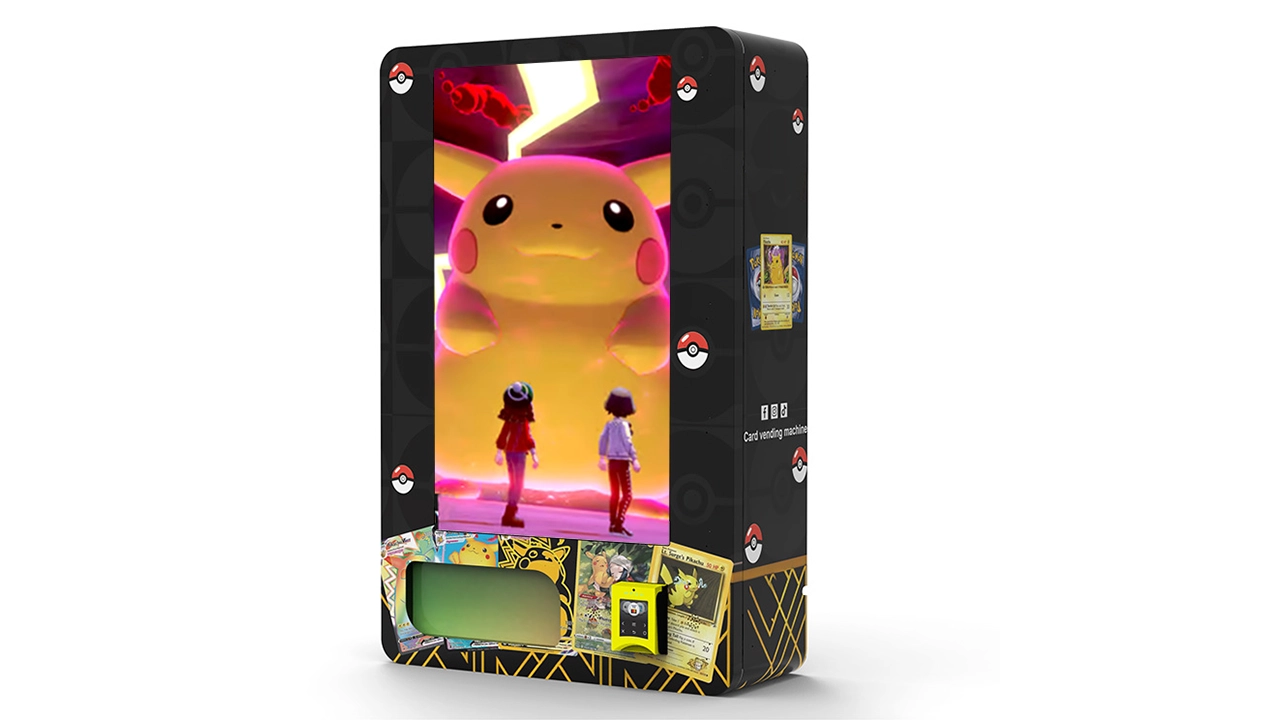
For example, I had a machine in a mall that was underperforming. The sales data showed that most sales happened on weekends, but the foot traffic was consistent throughout the week. The issue wasn’t traffic—it was product mix. I changed the inventory to include more high-value single cards and booster boxes, and sales doubled within a month. The machine’s revenue went from barely covering costs to becoming one of my top performers.
Using Remote Monitoring to Cut Costs
Remote monitoring systems are worth the investment. They let you see inventory levels, sales, and error codes without visiting the machine. This reduces the number of restock trips you need to make, which saves on gas and labor. It also helps you catch issues early, before they become major problems. A machine that reports a temperature spike or a jammed dispenser immediately is a machine you can fix before a customer complains or gets hurt.
FAQ: Answering the Questions Every New Operator Asks
Do trading card vending machines actually make money?
Yes, but it’s not automatic. A well-placed machine in a hobby shop or game store can gross $1,000 to $2,500 per month. You’ll net 30% to 40% after product costs, payment fees, and restocking labor. But a poorly placed machine can lose money every month. The difference is location, product mix, and how often you restock.
How much does a card vending machine cost?
A new machine runs between $3,500 and $8,000, depending on features like touchscreen size, inventory capacity, and payment system quality. Used machines can be found for $1,500 to $3,500, but you take on more risk. Initial inventory adds another $1,000 to $2,500.
How long does it take to recoup the investment?
With a good location, you can recoup your investment in 6 to 18 months. A machine that grosses $1,200 per month with a 35% margin generates about $420 in profit monthly. That means a $5,000 machine takes roughly 12 months to pay for itself, before considering insurance and maintenance costs.
Should a beginner buy or lease a machine?
I recommend buying a single machine if you have the capital. Leasing might seem easier, but the terms can be restrictive, and you don’t build equity. Owning gives you the flexibility to move the machine, modify it, or sell it if the location doesn’t work out.
Where should I place a card vending machine?
Look for locations with a natural collector audience: hobby shops, comic book stores, game stores, and collectible fairs. You need at least 50 to 100 people passing by daily, but the quality of the audience matters more than the raw number. A store with 20 dedicated collectors is better than a supermarket with 500 random shoppers.
What permits and licenses do I need?
You’ll likely need a business license, a sales tax permit, and possibly a vending machine permit depending on your city or state. Check with your local government and the SBA’s business launch guide for details. Don’t skip this—operating without permits can lead to fines.
How do I choose a reliable supplier?
Look for a supplier with a track record, a solid warranty, and responsive support. Ask for references and check online reviews. Avoid suppliers who promise guaranteed returns or use hard-to-source parts. I’ve had good experiences with Zhongda Smart, but always do your own due diligence.
What happens if the machine breaks down?
You’ll need to fix it or call a technician. Basic repairs cost $100 to $300, while major component replacements can run $500 or more. Keep a spare parts kit and learn to do simple fixes yourself. A machine that’s down for weeks is losing money and creating liability.
How can I reduce restocking and maintenance costs?
Use remote monitoring to track inventory and error codes. This lets you restock only when necessary and catch issues early. Also, standardize your product mix so you’re not constantly experimenting. A consistent restocking schedule reduces labor costs and keeps the machine full.
Final Thoughts: Insurance Is Part of the Business, Not an Optional Extra
Running card vending machines is a real business, and real businesses manage risk. Insurance is a small line item compared to the cost of a machine, inventory, and your time. The worst case scenario isn’t a bad month—it’s a lawsuit or a destroyed machine with no coverage. I’ve been there, and I don’t want you to make the same mistake.
Start with a basic general liability policy and add property coverage for the machine itself. As you grow, consider equipment breakdown and cyber coverage. The cost is manageable, and the peace of mind is worth it. If you’re still unsure about which machine fits your budget and risk tolerance, take a look at a comparison of the top trading card vending machine models to see what’s out there. And if you’re considering a smaller footprint, the wall-mounted card vending machine is a low-cost way to test the waters without a huge upfront commitment.
This article is based on my personal experience and publicly available data. Your results will vary based on location, market conditions, and how you run your operation. Always consult with a licensed insurance broker and a local attorney before making business decisions.