If you are reading this because you are looking into the trading card vending machine business, the first thing I will tell you is that the machine itself is rarely the problem. Over the last decade of running automated retail across the US and parts of Europe, I have seen more operators lose money on bad equipment choices and worse supplier relationships than on bad location math. Choosing a reliable trading card vending machine manufacturer is not about picking the flashiest touchscreen or the lowest quote. It is about understanding who actually builds the machine, how they support it after the sale, and whether their hardware can survive the daily abuse of a public space. I have made the mistake of buying on price before, and it cost me an entire season of revenue. Let me show you what I learned so you do not repeat it.
Why the Manufacturer Matters More Than the Location
Most newcomers assume that the secret to this business is finding a high-traffic spot. That is true, but only partly. A great location cannot save a machine that keeps breaking down, refuses to read payment cards, or jams on every third pack of cards. When you are running a self-service kiosk, your uptime is your income. If the machine is offline for repairs, it is not just losing money that day; it is also burning the trust of the customers who walked away empty-handed.
I have seen operators buy cheap units from unknown suppliers, only to discover that the company disappeared six months later. No spare parts, no firmware updates, no one to answer the phone. That is the nightmare scenario. A reliable trading card vending machine manufacturer is your long-term partner, not just a one-time vendor. They need to have a proven track record, a stable supply chain, and a real service network that can get you back online fast.
When I evaluate a manufacturer, I do not just look at the brochure. I ask for a list of existing operators who have been running the same model for at least a year. I call them. I ask about failure rates, spare part availability, and how responsive the support team actually is. That kind of due diligence has saved me from making some very expensive mistakes.
The reality is that the hardware is only half the battle. The software, the payment integration, and the remote monitoring tools are what make or break your operation. A manufacturer who skimps on these areas is not someone you want to build a business with.
The Real Costs: What You Are Actually Paying For
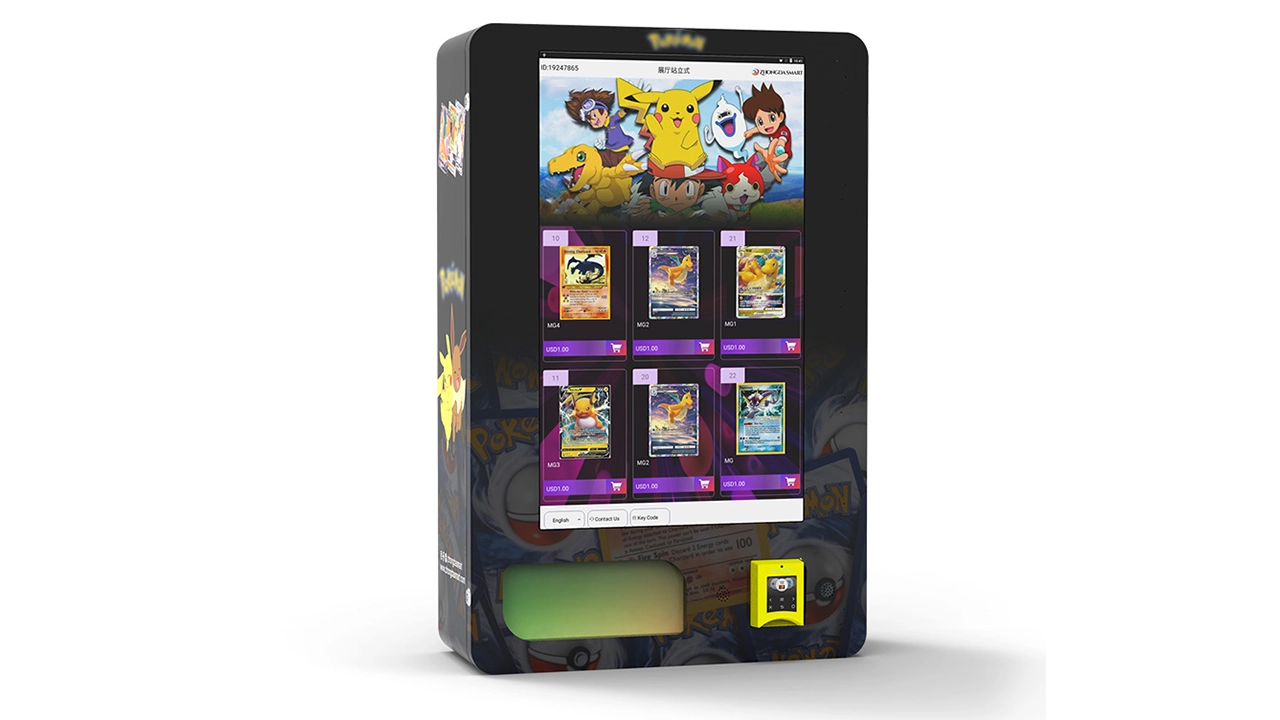
Let us talk money, because that is what everyone wants to know. From my experience, a new, quality trading card vending machine will set you back anywhere from $6,000 to $15,000 depending on the size, screen configuration, and payment systems included. The 32-inch touchscreen models with multiple product slots and robust card dispensers sit at the higher end of that range. Smaller wall-mounted units can be more affordable, but they also limit your inventory capacity and revenue potential.
The initial investment is just the beginning. You have to factor in shipping, installation, and the cost of your initial card inventory. I usually recommend stocking a machine with at least $2,000 to $3,000 worth of product to make it look full and attractive. A half-empty machine is a turn-off for customers and looks like a maintenance issue.
On the operational side, you are looking at monthly expenses like location rent or commission, which can range from $100 to $500 per month depending on the site. Then there is the cost of power, internet connectivity for remote monitoring, and payment processing fees that typically eat up 2.5% to 4% of every transaction. Do not forget about maintenance. Even the best machines need servicing, and I budget about 5% of my monthly revenue for unexpected repairs and spare parts.
According to a report by IBISWorld, the vending machine industry in the US has seen steady growth, with operators increasingly moving toward specialized machines like card dispensers to differentiate themselves from traditional snack and soda machines. That is a positive sign, but it also means more competition for the best spots.
My First Failure: The Cheap Machine Trap
I remember my first foray into this business. I was eager to get started and found a supplier offering a machine for about $3,500, which was half the price of the established brands. It looked fine in the video, and the sales rep promised the world. I bought three units and placed them in comic book shops and a mall.
Within the first month, two of the three machines had card jams. The dispenser mechanism was poorly designed and could not handle the varying thickness of different card packs. The third machine had a screen that froze every few hours. The supplier was impossible to reach, and when I finally got a response, they blamed the cards I was using. I lost over $4,000 in revenue that month, plus the cost of shipping the units back for repair. It was a painful lesson.
That experience taught me to look beyond the initial sticker price. The cheapest machine is almost always the most expensive one in the long run. You need a manufacturer who has solved the engineering challenges of card dispensing, not just a company that assembled some generic parts and called it a vending machine.
Since then, I have switched to more reputable manufacturers, and the difference in reliability is night and day. My current machines run for weeks without a single issue, and when something does come up, I can get support within hours.
Evaluating the Hardware: What to Look For
Not all trading card vending machines are created equal. When you are inspecting a potential purchase, you need to look at the internal mechanics, not just the exterior. The card dispensing system is the heart of the machine. It has to handle a wide range of products, from thin foil packs to thick boxes with rigid backs. A good dispensing mechanism uses a combination of rollers and sensors to ensure only one item is released at a time.
I always test the machine with real product, not just empty shells. I bring a variety of card packs and boxes to the showroom and run them through the machine multiple times. I want to see how it handles edge cases, like a slightly bent pack or a box that is a few millimeters thicker than standard. A reliable trading card vending machine manufacturer will not mind this kind of testing. They will welcome it because they are confident in their product.
The payment system is another critical component. In the US market, you need to support credit cards, debit cards, and mobile payments like Apple Pay and Google Pay. Cashless is the standard now, and a machine that only takes bills is a relic. Look for a payment terminal that is EMV-compliant and supports contactless transactions. This is non-negotiable for modern customers.
Remote monitoring is a feature that I will never buy a machine without again. The ability to see inventory levels, sales data, and error codes from my phone is what makes this business scalable. If a machine is low on a popular product or has a jam, I want to know about it immediately, not when a customer complains. This feature alone can save you hours of wasted time and thousands of dollars in missed sales.
According to data from Statista, the global vending machine market is projected to grow at a compound annual growth rate of over 6% in the coming years, with smart vending machines and self-service kiosks leading the charge. This trend towards automation means that customers expect a seamless digital experience, and your hardware needs to deliver that.
A Success Story: The Right Machine in the Right Place
After my initial failure, I did my homework and invested in higher-quality equipment. I remember the first time I placed a new machine in a trading card store that was located near a university campus. The owner was skeptical about the whole concept, but I negotiated a revenue share deal instead of a flat monthly rent.
The machine was a 32-inch touchscreen model with a large inventory capacity. It looked impressive, and the interactive screen drew attention. Within the first week, it was doing over $200 in sales per day. The store owner was shocked. He started recommending the machine to his customers, and they loved the convenience of being able to browse and buy packs without waiting for the counter.
That single machine paid for itself in about four months. The key was that I had the right equipment, a reliable manufacturer, and a location where the foot traffic was already passionate about the product. I did not have to create demand; I just had to make it easier for existing customers to buy.
That success validated my approach. I now have a network of machines across several states, and I focus on building relationships with store owners who see the value in automated retail as an extension of their business, not a competitor to it.
Comparing Your Options: A Practical Table
To help you visualize the differences, I have put together a table based on my own experience and market research. This is not a guarantee of your results, but it gives you a realistic baseline for comparison.
| Machine Type | Initial Cost | Monthly Revenue Potential | Pros | Cons |
|---|---|---|---|---|
| Wall-Mounted Card Machine | $4,000 – $7,000 | $300 – $800 | Small footprint, lower upfront cost, easy to place in tight spaces | Limited inventory, lower revenue ceiling, may need more frequent restocking |
| Standard Floor Model (32-inch screen) | $8,000 – $12,000 | $800 – $2,500 | Good inventory capacity, attractive display, higher customer engagement | Requires more floor space, higher initial investment |
| Premium Floor Model (large touchscreen, advanced software) | $12,000 – $18,000 | $1,500 – $4,000 | Best customer experience, remote monitoring, data analytics, multiple payment options | Most expensive, may be overkill for low-traffic locations |
As you can see, the cost and revenue potential scale with the sophistication of the machine. You need to match your equipment to your location and your budget. A premium machine in a low-traffic spot is a waste of money, just as a basic wall-mounted unit in a high-traffic mall might not have enough capacity to meet demand.
Supplier Screening: Questions You Must Ask
When you are ready to talk to manufacturers, you need to be prepared with a list of questions that go beyond the sales pitch. I have developed a screening process over the years that has helped me avoid bad partners.
First, ask about their production capacity and lead times. A reliable trading card vending machine manufacturer should have a steady production line and be able to give you a realistic delivery date. If they are constantly out of stock or have long delays, it is a sign that their supply chain is unstable.
Second, ask about their after-sales support. What is their warranty period? How do they handle repairs? Do they have a technician in your region, or will you have to ship the machine back to the factory? Shipping a large vending machine is expensive and time-consuming, so local support is a huge plus.
Third, ask about software updates and integration. The payment landscape is constantly changing, and your machine needs to be able to adapt. A manufacturer who provides regular software updates and supports new payment methods is investing in your long-term success.
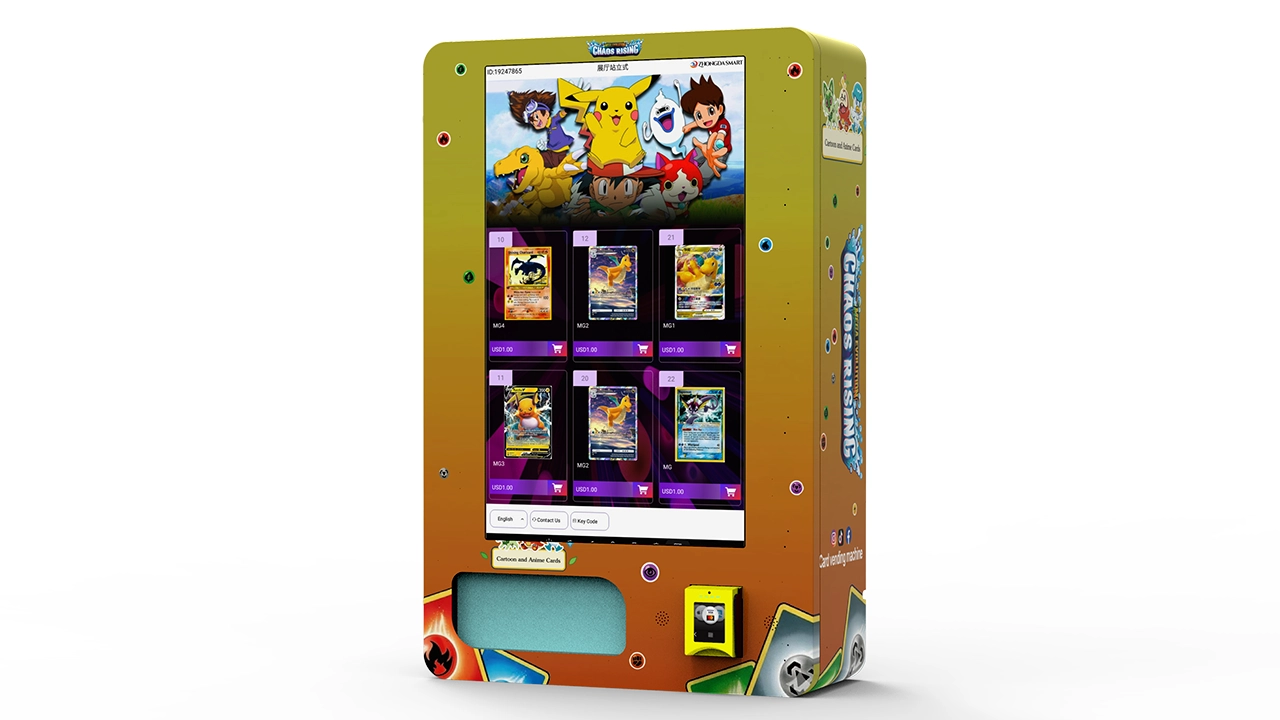
I have worked with manufacturers like Zhongda Smart, who have a solid reputation for building durable machines and providing responsive support. They are not the only good option out there, but they are an example of a company that understands the needs of operators. They offer various models, including the wall-mounted and floor-standing versions, and they have been helpful in customizing machines for specific market needs.
Do not be afraid to ask for references and to contact them. A legitimate manufacturer will be happy to connect you with their existing customers. If they hesitate, that is a red flag.
Location Strategy: Where to Place Your Machine
You can have the best machine in the world, but if it is in the wrong place, it will not make money. I have learned that the most successful locations are not always the ones with the highest foot traffic. They are the ones with the highest concentration of your target customer.
For trading cards, the obvious spots are comic book stores, hobby shops, and game stores. These places already have a built-in audience of collectors and players. The machine acts as a point-of-sale that operates even when the store is busy or understaffed. It also creates a sense of discovery that can be very appealing to customers.
Another great option is entertainment venues like movie theaters, bowling alleys, and arcades. These locations have a diverse crowd, and a card machine can be a fun impulse buy. I have also seen success in convenience stores and gas stations, but the product mix needs to be adjusted to appeal to a more general audience.
A good rule of thumb is that you need a location with at least 1,000 people passing by each day, and a significant percentage of those people should fit your target demographic. It is also important to consider the store's hours. A machine outside a store that closes at 6 PM will not get the evening traffic that a 24-hour store would.
According to the U.S. Small Business Administration, location is one of the most critical factors for a new retail business, and that applies to automated retail as well. They emphasize the importance of understanding your customer demographics and matching them to the local area. I have found this to be absolutely true in my own operations.
Maintenance and Restocking: Keeping the Machine Alive
Owning a vending machine is not a passive income stream. It requires regular attention. I have a schedule for each machine, and I stick to it. For a high-traffic machine, I am restocking every two to three days. For a slower one, once a week is usually enough.
The key to efficient restocking is having a reliable inventory management system. I use the remote monitoring software to see exactly what has sold and what is low. This way, I do not have to open the machine to know what to bring. I can prepare my stock in advance and make the visit quick and efficient.
Maintenance is another aspect that you cannot ignore. I do a visual inspection of each machine every time I restock. I check for any signs of wear and tear, loose wires, or issues with the card dispenser. I also clean the screen and the exterior to keep it looking new. A dirty machine is a turn-off for customers and can lead to mechanical problems if dust gets into the internals.
When a major issue does occur, you need to have a plan. I have a local technician on call for the machines that I cannot service myself. It is worth the cost to have someone who can get there quickly and fix the problem. The longer the machine is down, the more money you lose. In my experience, the average repair time for a well-built machine is under 24 hours if you have the right support network.
Understanding the Business Models: Buy, Lease, or Share
You have options when it comes to acquiring a machine. You can buy it outright, lease it from a manufacturer, or enter into a revenue share agreement with a location owner. Each model has its pros and cons.
Buying outright gives you full control and the highest profit margin in the long run. The downside is the high upfront cost. Leasing reduces the initial investment but comes with monthly payments and often higher total cost over time. Revenue sharing with a location owner can be a great way to get into a prime spot without paying a high rent, but you are giving up a percentage of your sales.
I have used all three models at different times. For my core machines, I prefer to buy them outright because it gives me the most flexibility and the best return on investment. For testing a new location, I might consider a revenue share to reduce my risk. It all depends on your financial situation and your confidence in the site.
Common Mistakes New Operators Make
I have seen many people enter this business and fail within the first year. The most common mistake is not doing enough research on the equipment and the supplier. They buy the first machine they see and place it in a location that seems good on paper but has no real demand.
Another mistake is underestimating the importance of payment systems. In today's cashless society, a machine that only takes coins or bills is at a huge disadvantage. I have seen machines that were doing great until the payment terminal broke, and then sales dropped to zero because no one had cash.
New operators also often neglect the importance of product selection. You cannot just fill the machine with any random cards. You need to understand what is popular in your area. Are people into sports cards, Pokémon, or Magic: The Gathering? The product mix needs to be tailored to the local audience, and it needs to be updated regularly to keep up with new releases and trends.
Finally, many people underestimate the time and effort required for maintenance and restocking. This is not a passive business. You need to be on top of it, or it will fail.
Data and Trends: The Future of Automated Retail
The automated retail sector is evolving rapidly. The days of simple snack machines are giving way to sophisticated self-service kiosks that offer a wide range of products, from electronics to trading cards. The trend is towards a more interactive and personalized customer experience.
Data is becoming increasingly important in this industry. Operators are using sales data to make informed decisions about product placement, pricing, and restocking schedules. A good machine will give you access to this data, and a reliable trading card vending machine manufacturer will provide software that makes it easy to interpret.
According to a report by Eurostat, the adoption of self-service technologies is on the rise across the European Union, with consumers becoming more comfortable with automated transactions. This is a positive sign for the future of the business. The demand for convenience and the growing popularity of trading cards as an investment and hobby are driving the market forward.
I am optimistic about the future of this business, but it is not for everyone. It requires capital, dedication, and a willingness to learn. If you do it right, it can be a very rewarding venture.
Final Thoughts: Making the Right Choice
Choosing a reliable trading card vending machine manufacturer is the most important decision you will make in this business. It is not a decision to be taken lightly. I have shared my successes and my failures with you, and I hope that my experience can help you avoid the pitfalls.
Take your time, do your research, and talk to real operators. Ask the tough questions and do not settle for vague answers. The right manufacturer will be a partner in your success, not just a supplier.
Remember that this is a business, and like any business, it comes with risks. The numbers I have shared are based on my experience and should be used as a guide, not a guarantee. Your results will vary depending on your location, your product mix, and your dedication to maintenance.
I have found a great deal of satisfaction in building this business. There is something exciting about placing a machine, watching the sales data come in, and seeing a location become a profitable part of your network. With the right equipment and the right mindset, you can do the same.
Frequently Asked Questions
Are trading card vending machines profitable?
Yes, they can be very profitable if placed in the right location and managed well. In my experience, a well-placed machine can generate between $800 and $2,500 per month in revenue, with a gross margin of 40% to 50% on the cards. However, this is not a guaranteed income. Your profitability depends on foot traffic, product selection, and your ability to keep the machine operational.
How much does a trading card vending machine cost?
The cost varies widely. A basic wall-mounted unit can cost between $4,000 and $7,000, while a standard floor model with a 32-inch touchscreen will be in the $8,000 to $12,000 range. Premium models with advanced software and large capacity can cost up to $18,000. You also need to budget for shipping, installation, and your initial inventory.
How long does it take to recoup the investment?
Based on my experience, a well-performing machine in a good location can pay for itself in 6 to 12 months. However, this is not a fixed timeline. It can take longer if your location is not ideal or if you have high operational costs. You should have a realistic business plan that accounts for a longer payback period to be safe.
Is it better to buy or lease a machine?
Buying is generally more cost-effective in the long run because you own the asset and keep all the profits. Leasing can be a good option if you want to test the waters with a lower initial investment, but you will end up paying more over time. I recommend buying if you are confident in the business model and have the capital.
Where is the best place to put a card vending machine?
The best locations are places where your target customers already gather. Comic book stores, hobby shops, game stores, and entertainment venues are excellent choices. Look for locations with a minimum of 1,000 daily passersby and a demographic that matches your product. A location with a passionate community is more valuable than one with just high foot traffic.
What licenses and permits do I need?
The requirements vary by city and state. You will typically need a business license and possibly a vending machine permit. It is your responsibility to check with your local government and the U.S. Small Business Administration for specific regulations. Do not skip this step, as operating without the proper permits can lead to fines.
How do I choose a reliable manufacturer?
Look for a manufacturer with a proven track record, responsive customer support, and a comprehensive warranty. Ask for references and contact them. Test the machine with real products. A reliable trading card vending machine manufacturer will be transparent about their capabilities and happy to answer your questions.
What happens if the machine breaks down?
You need to have a plan in place. Some manufacturers offer service contracts, and others have local technicians you can call. I recommend having a backup plan for common issues like card jams and payment terminal failures. Quick response times are critical to minimize downtime and revenue loss.
How can I reduce maintenance and restocking costs?
Invest in a machine with remote monitoring capabilities. This allows you to see inventory levels and error codes in real time, so you only go to the site when you need to. Also, use high-quality cards and packaging to reduce the risk of jams. Regular cleaning and preventative maintenance will extend the life of your machine.