If you are trying to decide between a trading card vending machine and an online card store, the short answer is that they are not competitors—they serve completely different customer behaviors, and I have run both. After a decade in automated retail, I have learned that the trading card vending machine wins on impulse purchases, foot traffic conversion, and operational simplicity, while an online store wins on inventory depth and reach. But here is the catch: the machine requires almost zero daily labor, yet it demands a ruthless understanding of location data. I have placed machines that did $4,000 in the first week, and I have pulled units that did $40 in a month. The difference was never the machine—it was the site selection and the product mix. This guide reflects what I actually do when evaluating a new card vending machine placement, not what the brochure tells you.
Why I Moved from Online Stores to Card Vending Machines
I started in this industry with a traditional e-commerce site selling sealed Pokémon and sports cards. It worked, but the math got ugly fast. Shipping costs, chargebacks, and the endless cycle of customer service emails ate into margins that looked great on paper. When I placed my first self-service kiosk in a local comic shop in 2018, I realized something important: collectors are impulse buyers. They do not always know they want a booster pack until they see it behind glass. A card vending machine captures that moment. The online store, by contrast, only captures the moment when someone is already searching for a specific product. Both have value, but the machine has a massive advantage in margin per square foot.
I am not saying online stores are dead. I still maintain one, but it now serves as a secondary channel for bulk sales and rare singles. The machine is the primary revenue driver. In my experience, a well-placed trading card vending machine can generate $1,500 to $6,000 per month in revenue, depending on the location and the product. That is not a promise—that is a range I have seen across my own units and those I have consulted on. The key is understanding that the machine is not a passive income device; it is a retail employee that never sleeps but also never tells you when something is wrong.
The Real Cost Breakdown: What You Are Actually Paying For
Let me walk you through the numbers I use when budgeting a new unit. A new, commercial-grade trading card vending machine with a 32-inch touchscreen will cost you anywhere from $6,500 to $15,000 depending on the manufacturer and configuration. I have seen cheaper units online for $3,000, but I would avoid them. The cheap machines have flimsy dispensing mechanisms that jam on foil packs, and the payment systems are often outdated. I learned this the hard way when I bought a budget unit from a no-name seller and spent more on vending machine repair in the first three months than I saved on the purchase price.
Initial Investment vs. Operating Costs
Here is a table I use when presenting options to partners or clients. It is based on my own operating data, not a manufacturer’s marketing sheet. The numbers will vary, but the relationships between them hold true across most markets I have worked in.
| Cost Item | Budget Unit (Avoid) | Mid-Range Unit | Premium Unit (Zhongda Smart) |
|---|---|---|---|
| Equipment Cost | $3,000 - $4,500 | $6,500 - $9,000 | $10,000 - $15,000 |
| Installation & Shipping | $400 - $600 | $600 - $900 | $900 - $1,200 |
| First Inventory Order | $1,500 - $2,500 | $2,500 - $4,000 | $4,000 - $6,000 |
| Monthly Location Fee (Rent) | $100 - $300 | $200 - $500 | $300 - $800 |
| Monthly Maintenance Reserve | $100 (but likely more) | $50 - $100 | $30 - $60 |
| Expected Monthly Revenue | $400 - $1,200 | $1,500 - $3,500 | $3,000 - $6,000+ |
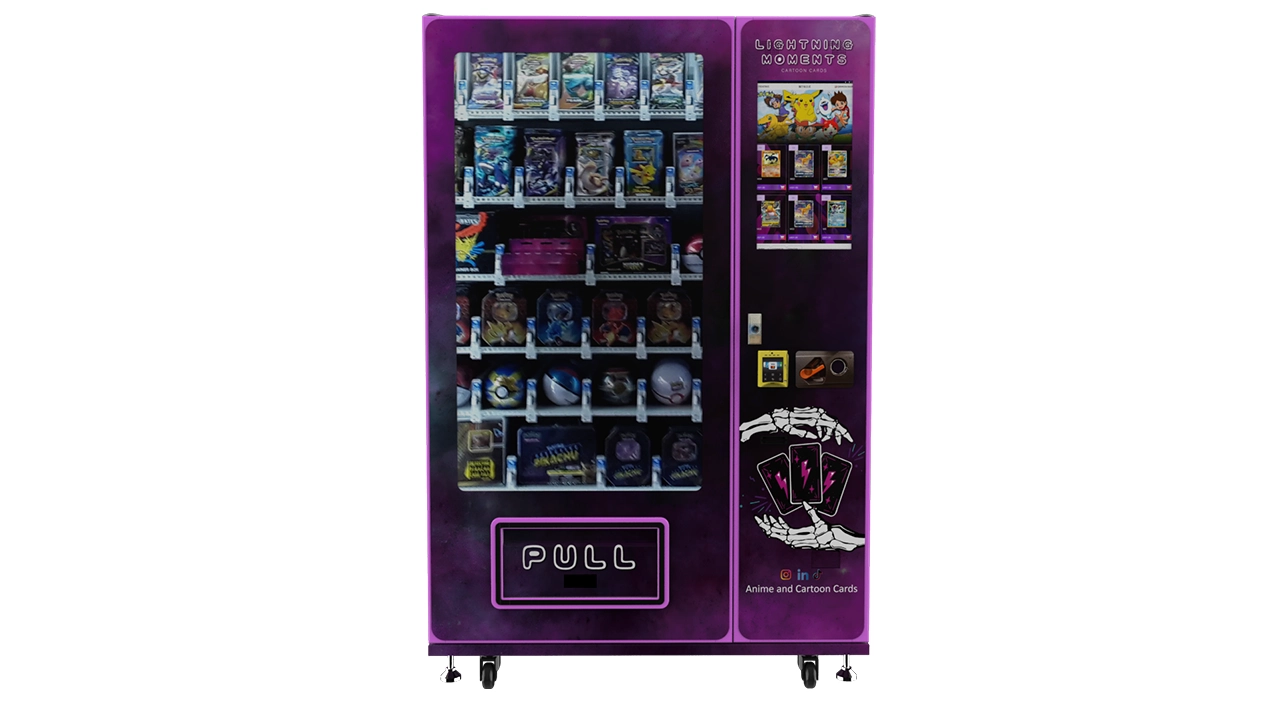
The premium unit from Zhongda Smart costs more upfront, but the failure rate on the dispensing mechanism is significantly lower in my experience. I have three of their units running for over two years with zero mechanical issues. The mid-range units I bought from another supplier have needed sensor replacements twice. When you factor in downtime—a machine that is out of order makes zero dollars—the premium unit pays for itself in reduced vending machine repair costs alone.
Site Selection: The Difference Between Profit and a Money Pit
I cannot stress this enough: the location is 80% of the success. I have a rule of thumb—the location must have at least 500 people passing by per day, and at least 20% of them should fit the collector demographic (ages 15-40, male-skewed but increasingly female, with disposable income). I once placed a machine in a busy grocery store lobby because the traffic was high. It failed. Why? Because grocery shoppers are in a task-oriented mindset, not a browsing mindset. They are not thinking about booster packs. The same machine moved to a hobby shop entrance and did ten times the volume.
What I Look for in a Location
When I evaluate a potential spot for a trading card vending machine, I use a checklist that I have refined over the years. It is not scientific, but it has saved me from making expensive mistakes.
- Dwell time: Do people linger here, or are they passing through? The best spots are where people wait—like movie theater lobbies, game stores, or card shops with play areas.
- Existing card culture: Is there already a trading card community nearby? A machine near a school that hosts Friday Night Magic will outperform one near a gym.
- Security and lighting: Machines get vandalized. I only place units in locations with either active staff or visible CCTV. A broken screen on a 32-inch touchscreen unit costs $400 to replace.
- Power access: It sounds obvious, but I have lost two deals because the landlord did not want to run a power line to the spot. Always check this before signing anything.
- Foot traffic quality: Not all traffic is equal. A location near a high school is good, but a location near a college campus with a gaming club is better. I look for places where the same people return weekly.
Self-Ops vs. Location Partnership: Who Picks Up the Tab?
There are three ways to run a card vending machine, and I have used all three. The first is self-operating, where you own the machine, buy the inventory, and collect 100% of the revenue minus your location rent. This is the highest margin model, but it also means you are responsible for restocking and maintenance. The second is a revenue share model, where the host location provides space and sometimes security, and you split the net revenue 70/30 or 60/40. This is better for beginners because the host has an incentive to keep the machine safe and promote it. The third is a full-service model, where the location buys or leases the machine from you, and you handle all the restocking and maintenance for a fee. I rarely recommend this unless you have a fleet of machines and a dedicated route driver.
For a first-time operator, I recommend the revenue share model with a local game store. You learn the business without the full financial risk, and you build a relationship with the store owner who already understands the customer base. I have a partner who runs two machines this way, and his split is 60/40 in his favor. He covers restocking and the store covers electricity and security. His machines do about $2,000 a month each, so he nets around $1,200 per machine. That is a decent return on a $9,000 investment, but it took him eight months of tweaking the product mix to get there.
Inventory Strategy: How I Stock My Machines
The worst mistake I ever made was filling a machine with only booster packs of the most popular set at the time. It sold out in three days, and then the machine sat empty for a week because I was too slow to restock. Empty machines lose trust. Collectors will not come back to a machine that is out of stock. I now keep a strict restocking schedule—every five days for high-traffic locations, every ten days for medium-traffic ones. I also maintain a minimum inventory level: if the machine drops below 30% of its capacity, I restock immediately, even if it is not a scheduled visit.
Product Mix: What Actually Sells
In my experience, sealed booster packs are the bread and butter. They have a consistent price point and high turnover. But the real margin is in higher-priced items like booster boxes, elite trainer boxes, and sealed specialty products. I also reserve one row for single cards in protective cases—usually rare pulls or popular chase cards. These have a higher margin, but they sell slower. The ideal mix is about 70% sealed product and 30% singles, but that ratio shifts depending on the location. A machine near a competitive play area will sell more singles because players need specific cards for their decks. A machine in a retail corridor will sell more sealed product to casual collectors.
Maintenance and Repair: The Hidden Operational Burden
Every machine will break. It is not a matter of if, but when. The most common issues I see are jammed dispensing spirals, faulty card readers, and touchscreen calibration problems. I have lost entire weekends to a machine that decided to eat a card mid-transaction. The key is to have a relationship with a local technician before you need one. I have a contact who does vending machine repair for soda machines, and he was able to learn my card machine’s mechanics quickly. It costs me $75 per hour for his service, but the peace of mind is worth it.
Preventive maintenance is cheaper than reactive repair. I clean the sensors and the card dispensing path every time I restock. That takes about fifteen minutes and has cut my breakdown rate by half. I also keep a spare parts kit on site—extra belts, sensors, and a backup payment terminal. These parts are cheap, but the downtime they save is not. I have a wall-mounted card vending machine in a small game store that is hard to access, so I make sure to do a thorough check every month. That unit has been running for 18 months without a single major issue.
Payment Systems and the Unattended Retail Experience
The payment system can make or break your machine. I have used machines with old-school coin acceptors, and they are a nightmare. Modern card vending machines must have a credit card reader and ideally support mobile payments like Apple Pay and Google Pay. In 2024, cash is almost irrelevant for this demographic. I have one machine that is cashless-only, and it does just as well as my cash-accepting units. The key is the transaction speed. If the payment takes more than fifteen seconds, you lose the impulse buyer. I test every machine with a live transaction before I finalize the placement.
I also pay attention to the user interface. The 32-inch touchscreen units I use allow customers to browse the inventory before they pay. This increases average transaction value because they see a premium product they did not initially plan to buy. A basic machine with a small screen and a keypad is fine for soda, but it does not work for trading cards, which are visual products. The display is part of the sales pitch.
Comparing the Card Vending Machine Model to an Online Store
Let me be clear about the trade-offs. An online card store gives you access to a global customer base and unlimited inventory. You can list 10,000 items without worrying about physical space. But you are competing with every other online store on price, and you are at the mercy of shipping costs and platform fees. A trading card vending machine, on the other hand, is a local monopoly. You are the only game in town for impulse card purchases at that location. You do not have to worry about shipping or returns. The downside is that your revenue is capped by the physical foot traffic and the size of the machine.
I run both, and I use them for different purposes. The online store is where I move bulk inventory and rare, high-value cards. The vending machines are where I generate steady, predictable cash flow. If I had to choose one to start with today, I would choose the machine. It is easier to scale because each unit is an independent profit center. With the online store, you are constantly fighting for visibility in search results and social media algorithms.
Data and Market Context
The trading card market has grown significantly in recent years. According to a report by Grand View Research, the global trading card market size was valued at approximately $18.6 billion in 2023 and is expected to grow at a compound annual growth rate of 8.7% from 2024 to 2030. That growth is driven by nostalgia and the rise of live-streaming unboxings. What this means for vending machines is that demand is not just sustained—it is expanding. I have seen this in my own numbers: my machines in locations near hobby shops have seen a 15% year-over-year increase in sales since 2021.
However, I also want to give you a reality check. The Small Business Administration notes that about 20% of small businesses fail within the first year, and I have seen a similar failure rate among operators who buy a machine without a solid location plan. The machine does not guarantee success. It is a tool. I have pulled two machines from locations that seemed perfect on paper—a mall food court and a movie theater—because the sales data did not match the traffic data. The people were there, but they were not buyers.
Common Mistakes I See from New Operators
I have consulted for about a dozen new operators over the years, and they all make the same mistakes. The first is buying a machine before securing a location. You should never buy a card vending machine without a signed agreement for a specific spot. The second is overstocking on one product. I had a client who bought $5,000 worth of a single Pokémon set because it was on sale. It sat in his machine for four months. The third mistake is ignoring the data. These machines can track sales by SKU, time of day, and payment method. If you do not review that data weekly, you are flying blind.
The fourth mistake is choosing a location solely based on rent. The cheapest rent is rarely the best deal. I would rather pay $500 a month for a spot that does $4,000 in sales than $200 a month for a spot that does $800. The math is obvious, but I still see operators obsess over the rent line item. The fifth mistake is not having a backup plan for when the machine breaks. I have a client who lost $1,200 in revenue because his machine was down for two weeks while he waited for a part from overseas. I keep critical spare parts on hand, and I recommend you do the same.
How to Choose a Supplier: My Criteria
When I evaluate a supplier, I do not look at the flashy website or the demo video. I ask for a list of current installations and I call two or three of them. I ask about the failure rate, the response time for support, and whether the spare parts are standardized. I also look at the build quality. The sheet metal gauge matters—thin metal dents easily and looks cheap. The locking mechanism matters—a flimsy lock is an invitation for theft. I have had good experiences with Zhongda Smart because their units use industrial-grade components and they have a local distributor in the US for parts. That is a huge advantage when you need a replacement sensor in two days, not two weeks.
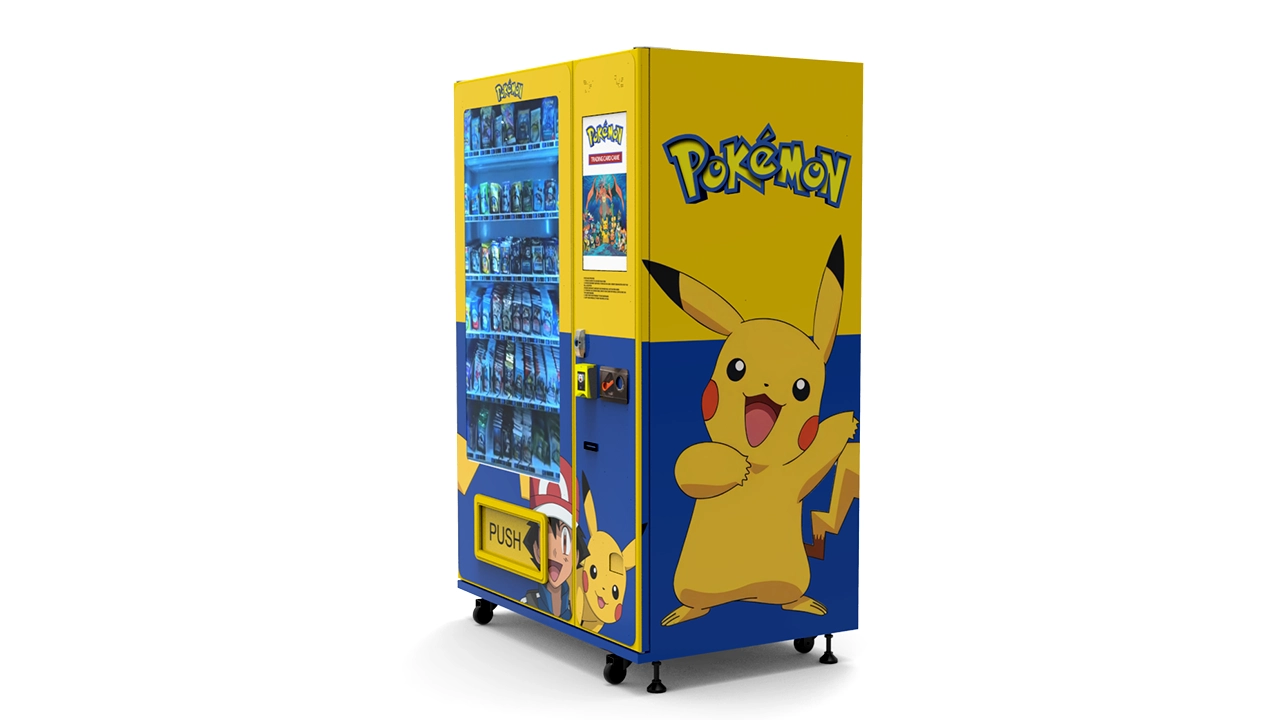
I also recommend asking about the software. Some machines come with a backend system that lets you monitor inventory levels and sales remotely. This is essential if you have more than one machine. I do not want to drive to a location just to find out the machine is empty. The best systems send you an alert when inventory is low. This feature alone has saved me hours of unnecessary trips.
FAQ
Are card vending machines profitable?
They can be, but it depends entirely on location and product mix. In my experience, a well-placed machine can generate $1,500 to $6,000 per month in revenue. After product costs, location rent, and maintenance, you might net 30% to 50% of that. The range is wide because the variables are wide. I have seen machines fail and machines that pay for themselves in three months.
How much does a trading card vending machine cost?
A new, reliable unit costs between $6,500 and $15,000. Budget machines exist for under $4,000, but they often have higher failure rates and outdated payment systems. I recommend budgeting at least $10,000 for the machine plus another $4,000 to $6,000 for initial inventory and installation.
How long does it take to recoup the investment?
In my experience, a realistic payback period is 8 to 18 months. If you are hitting the 18-month mark and you are not close to breaking even, you need to move the machine or change the product mix. I have moved machines from a bad spot to a good spot and cut the payback period in half.
Should a beginner buy or lease a machine?
I recommend starting with a revenue share agreement with a location, or buying a used machine from a reputable supplier. Leasing can be expensive and often locks you into a contract that does not make sense if the location fails. Buying a mid-range machine and learning the maintenance yourself is the best long-term strategy.
Where is the best place to put a card vending machine?
Hobby shops, game stores, comic book shops, and entertainment venues with a younger demographic are the best. Look for locations with high dwell time and existing card culture. A location with 500 people passing by per day is a baseline, but the quality of the traffic matters more than the quantity.
What licenses or permits do I need?
This varies by state and country. In the US, you generally need a business license and a sales tax permit. If you are placing the machine in a location that serves food, you may have additional health code requirements. Check with the local municipality before you sign any agreement. I always include a clause in my location agreement that the host is responsible for compliance with local zoning laws.
How do I choose a vending machine supplier?
Ask for references, check the build quality, and verify the warranty terms. Make sure the supplier has a local parts distributor. I have used Zhongda Smart for several units and their after-sales support has been reliable, but you should always do your own due diligence.
What if the machine breaks down?
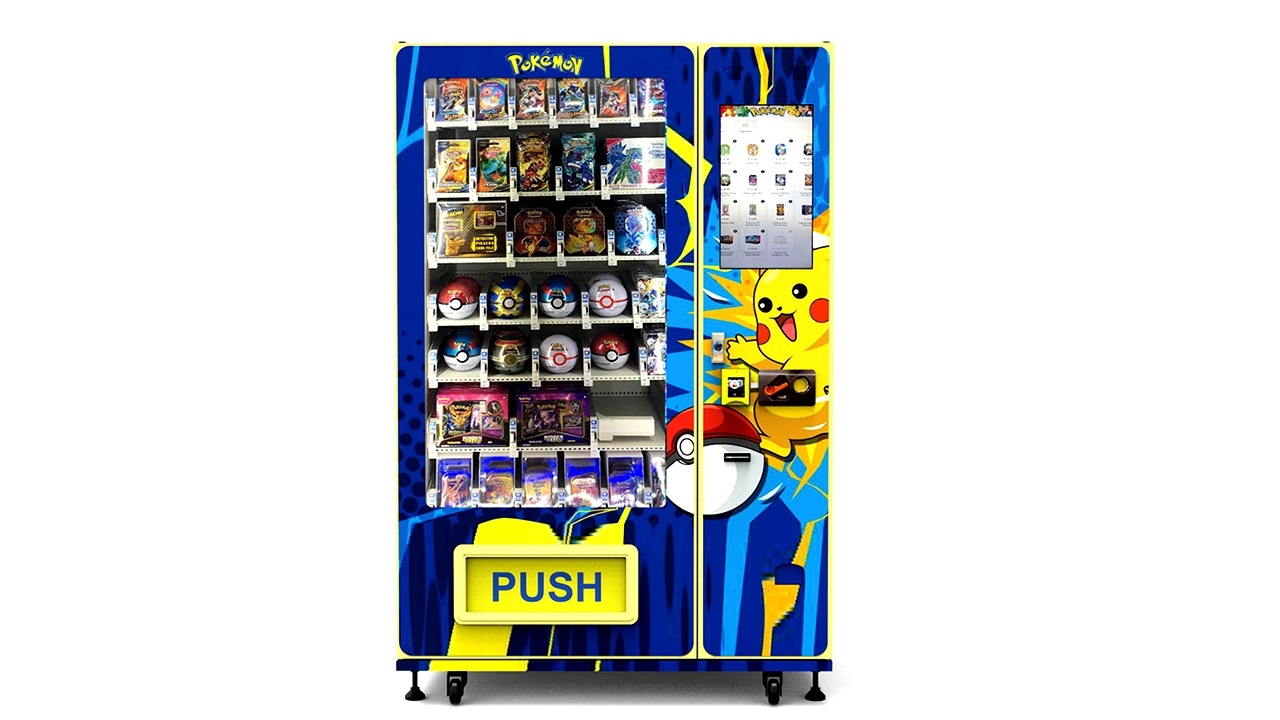
You need a plan before it happens. Keep spare parts on hand, have a local technician who can work on the machine, and know how to troubleshoot basic issues like jammed dispensing spirals. Downtime is lost revenue, so speed is critical.
How do I reduce restocking and maintenance costs?
Use the sales data to stock only what sells in that specific location. Avoid overstocking on slow-moving items. Clean the machine during every restocking visit to prevent sensor issues. And consider using a remote monitoring system so you do not waste time visiting empty machines.
Final Thoughts from the Trenches
I have been in this business long enough to see trends come and go. The trading card vending machine is not a fad—it is a natural evolution of automated retail for a product that is highly visual and highly collectible. But it is not a get-rich-quick scheme. It is a retail operation that requires attention to data, maintenance, and customer behavior. If you are willing to treat it like a real business, the returns can be solid. If you are looking for a passive income machine that you can ignore for months, you will fail. I have seen it happen too many times.
I hope this guide gives you a realistic picture of what it takes to run a card vending machine versus an online store. The machine model has served me well, and I believe it has a strong future. Just do your homework before you commit.
Disclaimer: The figures and insights in this article are based on my personal operating experience and publicly available market data. Actual results will vary depending on location, market conditions, and operational efficiency. This content is for informational purposes only and does not constitute financial or legal advice.