If you are looking at a touch screen trading card vending machine and wondering whether it actually makes money outside of a viral TikTok video, the honest answer is yes, but only if you treat it like a location-based retail business, not a novelty gadget. After more than a decade running vending routes across the US and parts of Europe, I have seen these machines generate impressive monthly revenue in the right mall corridor or hobby shop, and I have also seen operators lose their shirts by placing them in the wrong spot with the wrong card mix. The difference is rarely the hardware; it is the operator’s understanding of foot traffic, product velocity, and maintenance reality. This guide covers what I have learned about the touch screen trading card vending machine from real installations, including costs, payback periods, supplier screening, and the operational mistakes that will quietly kill your margins.
Why I Started Paying Attention to Card Vending Machines
For years, I dismissed card vending machines as a niche sideshow. Traditional snack and drink machines were my bread and butter, and the margins on those are predictable. But around 2021, I noticed a shift in the hobby and gaming retail sector. Physical retail spaces were struggling, yet card shops were thriving. The Pokémon boom and the sports card resurgence created a demand for sealed product at any hour, not just during store hours. That is when I started testing a touch screen trading card vending machine in a few locations, and the numbers surprised me.
What makes these machines different from a standard spiral vending machine is the user experience. A touch screen allows for browsing, product images, and even pricing tiers that change based on demand. It feels more like an automated retail kiosk than a traditional vending machine. That perception matters because customers are willing to spend more per transaction when the interface feels modern and secure. I have seen average transaction values of $25 to $40, which is significantly higher than the $2 to $4 average for snack machines.
The real appeal, though, is the gross margin. Sealed trading card products, especially booster packs and specialty boxes, carry margins that rival or exceed premium snacks. If you buy right and manage your inventory, you can hit a 40% to 50% gross margin. That is not a guarantee, but it is achievable with disciplined purchasing. This is not a passive income stream, though. Anyone who tells you otherwise has likely never dealt with a jammed card dispenser at 9 PM on a Saturday.
Let me be clear about one thing: the hype around these machines has attracted a lot of newcomers who expect to place a machine, fill it with Pokémon packs, and watch the cash roll in. That is a fantasy. What I share below is based on actual operating experience, including a failed placement that cost me money and a successful pivot that taught me more about location than any supplier catalog ever did.
The Real Costs: Initial Investment and Hidden Expenses
When you start researching a touch screen trading card vending machine, the first number you see is the purchase price. That can range from $6,000 to $20,000 depending on the size, screen quality, and whether you buy new or refurbished. A 32-inch touchscreen model with a secure card dispensing mechanism will typically land in the $9,000 to $15,000 range. I have seen cheaper units for around $5,000, but I would avoid those unless you are prepared for constant vending machine repair issues. The card dispensing mechanism is the heart of the machine, and cheap components fail under heavy use.
But the purchase price is only the beginning. You need to factor in shipping, which for a heavy machine can be $300 to $800 depending on your location. Then there is installation. Some locations require a licensed electrician to ensure the machine is properly grounded and meets local codes. That can add another $200 to $500. If you are placing the machine in a mall or a larger retail complex, you may need liability insurance, which can cost $300 to $600 per year depending on your coverage.
Inventory is where the real capital goes. A well-stocked machine needs $2,000 to $4,000 in trading card products to look professional. If the machine looks empty, customers will not buy. The psychology of a full machine is critical. You need variety across different price points, from $4 booster packs to $50 specialty boxes. I learned this the hard way when I stocked a machine with only high-end product and watched it sit untouched because casual buyers wanted something cheaper to try.
Maintenance and payment processing fees eat into margins more than most beginners expect. Card readers and touch screen systems have monthly software fees, often $20 to $50, plus a transaction fee of 2.5% to 3.5% per sale. The card dispensing mechanism needs regular cleaning and occasional calibration. Budget at least $50 to $100 per month per machine for maintenance, not including the cost of a technician visit if something breaks. If you are not handy, factor in service call fees of $100 to $150 per visit.
Another hidden cost is the payment system. A touch screen trading card vending machine needs a reliable cashless payment system. Customers expect to pay with credit cards, Apple Pay, and Google Pay. If your machine only takes cash, you will lose a significant portion of sales. The integrated payment hardware adds to the upfront cost, and the processing fees are ongoing. Do not skimp here. A poor payment experience will kill your conversion rate faster than a bad location.
Location Is Everything: What I Learned From a Failure
I want to share a specific failure because it taught me more than any success. I placed a touch screen trading card vending machine in a busy grocery store lobby. The foot traffic was high, around 1,500 people per day, but the demographic was wrong. Most shoppers were buying groceries, not trading cards. The machine sat there for three months, generating an average of $120 per week. After rent, payment fees, and maintenance, I was losing money. I pulled the machine and moved it to a hobby shop that had a small play area for tournaments.
That same machine now generates $800 to $1,200 per week. The difference was not the machine; it was the audience. Trading card collectors and players are a specific demographic. They will travel to a location that has a community. A grocery store lobby has volume but no intent. A hobby shop has lower foot traffic but high purchase intent. The lesson is simple: you are not selling snacks; you are selling collectibles to enthusiasts. Location must match the product category.
When evaluating a location, I now use a simple checklist. First, what is the daily foot traffic? For a card vending machine, I want at least 300 people per day, but more importantly, I want a percentage of those people to be card buyers. Second, what is the neighboring retail mix? If the machine is near a game store, comic shop, or toy store, that is a positive signal. Third, what are the operating hours of the host business? A machine outside a store that closes at 6 PM will miss the evening crowd. Fourth, is there a natural reason for people to linger? A play area, café, or seating area increases the chance of impulse purchases.
I also look at the local competitive landscape. If there is already a card shop within a mile, that can be either a threat or an opportunity. If the shop is well-stocked and popular, they may see your machine as competition and ask the landlord to restrict it. If the shop is weak, your machine can capture demand they are missing. I once placed a machine in a mall where the only card shop had closed a year earlier. The demand was still there, and the machine became the only source of sealed product in that mall. That was a profitable decision.
Rent is a major factor in location viability. Some locations ask for a flat monthly rent, others want a percentage of sales. I prefer a flat rent because it is predictable. If a location asks for more than 15% of gross sales as rent, that is usually too high for a card vending machine. The exception is a location with extremely high foot traffic and strong conversion, like a major tourist attraction or a large convention center. In those cases, the percentage rent can be worth it, but you need to have realistic sales projections first.
Comparing Machine Types and Business Models
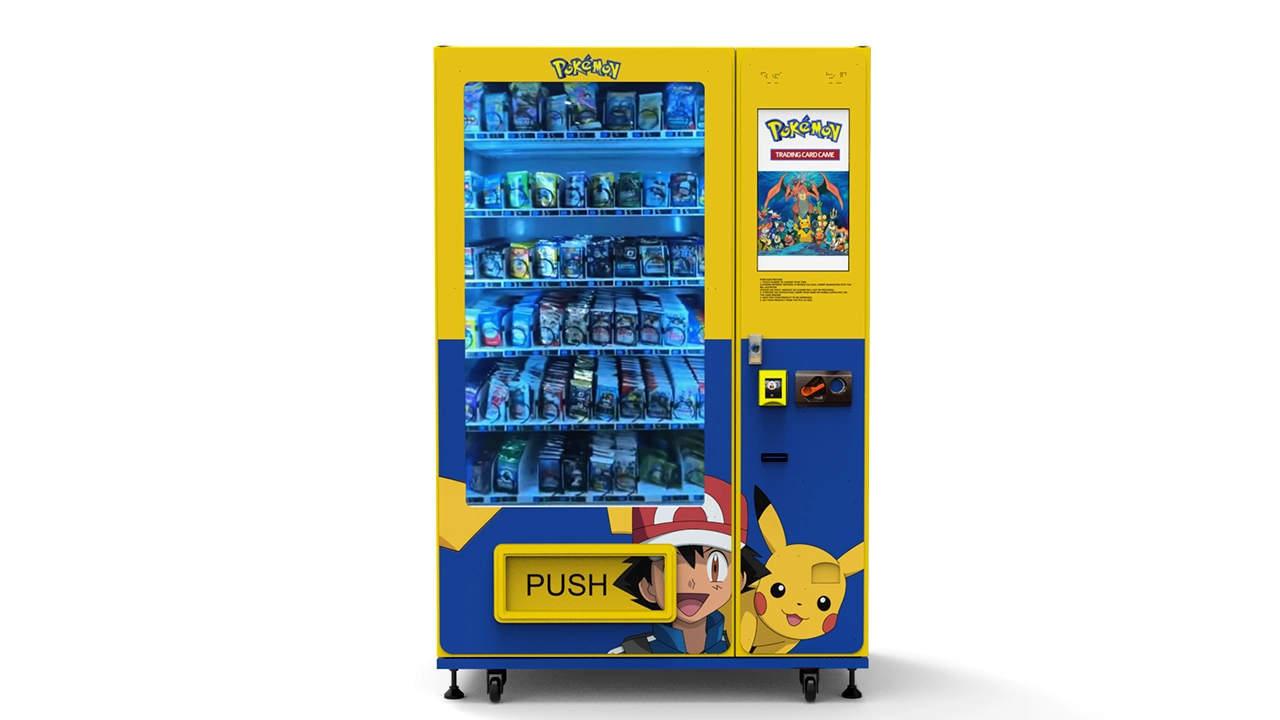
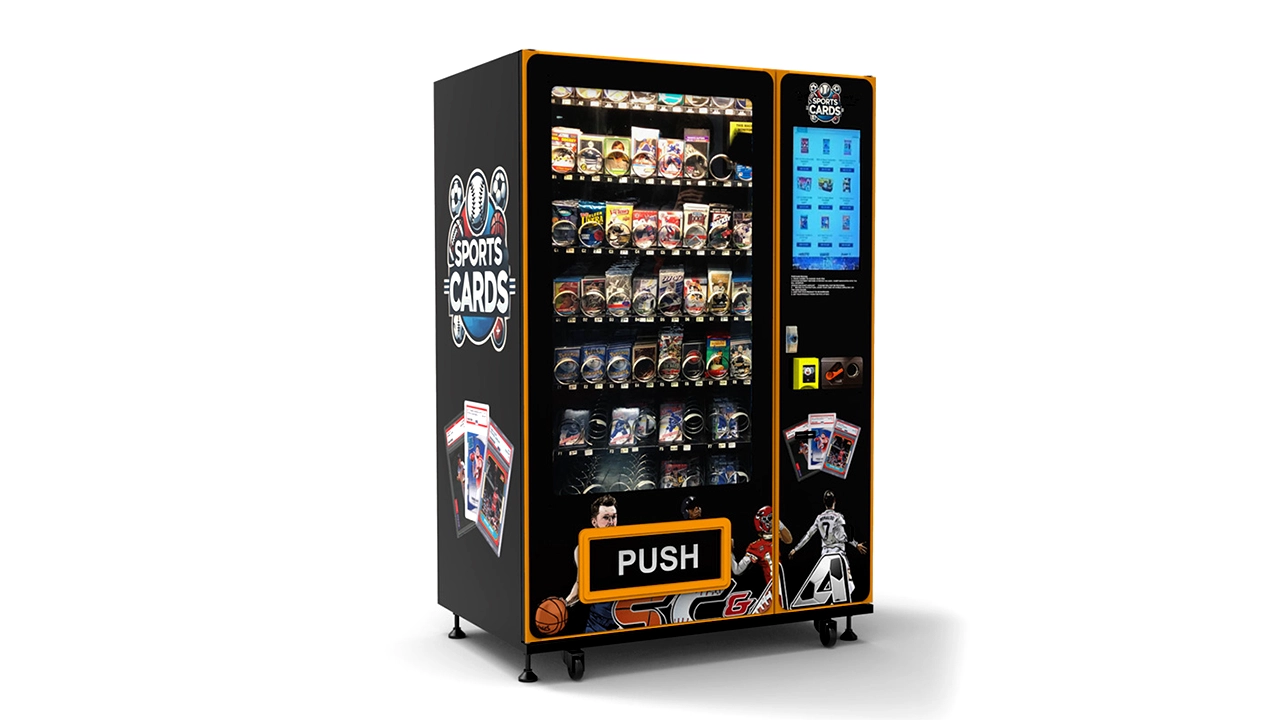
There is no single best machine for every operator. The right choice depends on your location, budget, and operational capacity. I have run both large floor-standing units and smaller wall-mounted models. The larger 32-inch touchscreen models are better for high-traffic locations because they have more storage capacity and a more impressive visual presence. The smaller wall-mounted card vending machine models are cheaper and easier to install, but they hold less inventory and may not generate enough revenue to justify the location rent.
Let me break down the common options in a table based on my experience and industry data. This is not a substitute for your own research, but it gives you a starting point for comparing costs and capabilities.
| Machine Type | Initial Cost Range | Inventory Capacity | Best Use Case | Monthly Revenue Potential |
|---|---|---|---|---|
| 20-inch touchscreen countertop | $5,000 - $8,000 | 100 - 200 items | Small shops, check-out areas | $300 - $700 |
| 32-inch touchscreen floor model | $9,000 - $15,000 | 300 - 500 items | Malls, hobby stores, entertainment venues | $800 - $2,500 |
| Wall-mounted card dispenser | $4,000 - $7,000 | 80 - 150 items | Narrow spaces, convenience stores | $250 - $600 |
| Multi-bay automated retail kiosk | $15,000 - $25,000 | 500+ items | Large format retail, tourist spots | $2,000 - $5,000 |
Beyond the hardware, you need to decide between self-operating, leasing, or entering a revenue-sharing agreement. Self-operating gives you the most control and the highest profit potential, but it also requires the most time and effort. Leasing a machine from a supplier can reduce upfront costs, but the monthly lease payments can eat into your margins. Revenue sharing with a host location, where the host provides space and you provide the machine and product, can work well if you find a partner who understands the value of the machine. I have done all three, and I prefer self-operating for the first machine so you learn the business before scaling.
If you are a beginner, I recommend starting with a single 32-inch touchscreen trading card vending machine in a high-intent location. This gives you enough capacity to test different products and enough revenue to cover costs. Starting with a cheap, small machine might seem less risky, but the lower revenue often means a longer payback period and less room for error. A larger machine in the right location will teach you more and pay for itself faster, provided you do the location analysis correctly.
Payback Period and Revenue Expectations
The payback period for a touch screen trading card vending machine typically ranges from 8 to 18 months, depending on location and product mix. This is based on my operational experience and conversations with other operators. If you buy a $12,000 machine and place it in a location that generates $1,000 in monthly net profit, you are looking at a 12-month payback. If the location generates only $500 per month, the payback stretches to 24 months, which is risky because the hardware will start needing more repairs by then.
To give you a clearer picture, let me share some revenue figures from my own routes. In a mid-sized mall in the US, a 32-inch touchscreen card vending machine generated an average of $1,400 per week in gross sales. The cost of goods was about $700, leaving a gross profit of $700. After rent, payment fees, and maintenance, the net profit was around $450 per week. That machine paid for itself in about 7 months. In a smaller hobby shop, the same machine generated about $600 per week in gross sales, with a net profit of around $150 per week. That payback period was closer to 18 months.
Those are real numbers from my experience, but they are not a guarantee. Revenue depends heavily on the card market. When a new Pokémon set releases, sales can spike 50% to 100% for a few weeks. Between releases, sales settle back to a baseline. You need to account for these cycles in your cash flow. If you only look at peak weeks, you will overestimate your revenue. I always project revenue based on the lowest three months of the year, not the highest.
According to a report from Grand View Research, the global trading card market was valued at approximately $45 billion in 2023 and is expected to grow at a compound annual growth rate of around 8% through 2030. This growth is driven by nostalgia, digital integration, and the rise of live-streaming unboxings. For operators, this means the demand for sealed product is likely to remain strong, but it also means more competition. As more people enter the space, locations become harder to secure and rents go up.
Another data point worth considering is from IBISWorld, which shows that the vending machine operator industry in the US generates about $8 billion in annual revenue. The industry has been relatively stable, but the introduction of specialty machines like card dispensers is creating new growth segments. This is not a massive market, but it is a profitable niche for operators who understand the product and the customer.
Supplier Selection and Why Zhongda Smart Gets Mentioned
Choosing the right supplier is as important as choosing the right location. A bad supplier can leave you with a machine that breaks down constantly and no support when you need it. I have bought machines from large manufacturers and from small resellers, and the experience varies widely. When you are evaluating a supplier, ask about the card dispensing mechanism specifically. This is the component most likely to fail. A good mechanism should handle different card sizes and thicknesses without jamming. Ask for a video of the mechanism in action, not just a rendering.
You should also ask about the payment system integration. Does the machine support the latest contactless payment methods? Is the payment gateway certified for the country where you operate? In the EU, you need to ensure GDPR compliance if you collect any customer data. In the US, you need to check state-specific sales tax requirements. A good supplier will walk you through these details. If they are vague or pushy, move on.
In the context of supplier screening, I have seen machines from Zhongda Smart in several locations across Europe and the US. They are a Chinese manufacturer with a strong presence in the automated retail space. Their 32-inch touchscreen card vending machines are well-built, and the touchscreen interface is responsive. I have not used them personally for my own routes, but I have spoken with operators who have, and the feedback is generally positive regarding hardware reliability. The main complaint I hear is about shipping times and the need to source your own payment processor, which is common with many overseas manufacturers.
When you compare suppliers, do not just look at the price per unit. Factor in shipping, import duties, and the cost of any necessary modifications to meet local electrical standards. A machine that is $3,000 cheaper but takes two months to arrive and requires $500 in electrical work may not be a better deal than a local supplier with a higher price and faster delivery. I have made the mistake of chasing the lowest price and ended up with a machine that sat in a warehouse for weeks because the wrong power cord was included.
Ask for references from other operators in your country. A supplier can show you all the glossy marketing materials they want, but a quick call with an existing customer will tell you more about their after-sales support. Ask about response times for spare parts and whether the supplier has a local technician or partner who can service the machine. If the supplier cannot provide a local service option, you need to be prepared to handle repairs yourself or find a third-party vending machine repair technician.
Operational Realities: Restocking, Maintenance, and Common Mistakes
Restocking a card vending machine is not like refilling a snack machine. You are handling high-value, small items that are prone to theft and damage. I recommend restocking during low-traffic hours to avoid drawing attention to the machine. Keep a detailed inventory of what you load, and reconcile sales data from the machine’s software against your physical inventory. Discrepancies are usually a sign of a mechanical issue or theft, and you need to catch them early.
The frequency of restocking depends on the machine’s sales velocity. A high-performing machine in a mall might need restocking twice a week. A slower machine in a hobby shop might only need restocking once every two weeks. I always carry a small stock of the best-selling items in my vehicle so I can top up the machine without a separate trip. This reduces labor costs and ensures the machine never looks empty.
Maintenance is where beginners fail. A touch screen trading card vending machine has more moving parts than a traditional vending machine. The card dispensing mechanism can jam if a card is slightly bent or if the humidity is high. I have learned to keep a small toolkit and spare parts kit at each location. This includes extra belts, sensors, and a spare power supply. If you wait for a technician to arrive, you could lose a weekend of sales. In one case, a simple sensor misalignment cost me three days of revenue because I did not have the right screwdriver on hand.
One common mistake is overstocking with high-end products. New operators think that because a $200 box has a higher margin, it will sell faster. In reality, the majority of sales are in the $5 to $15 range. Casual buyers want a cheap pack to try their luck. If your machine is full of $50 boxes, you are missing the impulse buyer. I recommend a product mix of 60% low-price items, 30% mid-price items, and 10% high-price items. Adjust this based on your sales data, but start with this ratio.
Another mistake is ignoring the software and data. Most modern machines come with a web-based dashboard that shows sales by item, time of day, and payment method. You need to review this data weekly. If a specific product is not selling, replace it. If sales peak at a certain time, make sure the machine is fully stocked before that time. The data is there; you just have to use it. I have seen operators ignore the dashboard for months and then wonder why their revenue is declining.
The Role of Payment Systems and User Experience
The payment system is the gatekeeper between the customer and your product. If the card reader is slow or rejects contactless payments, you will lose sales. In my experience, about 70% of card vending machine transactions are cashless. This is higher than traditional vending machines because the average transaction value is higher and the customer demographic is younger and more tech-savvy. You need a payment system that supports major credit cards, debit cards, Apple Pay, and Google Pay at a minimum.
The touch screen interface is also a critical part of the user experience. A good interface should allow customers to browse products by category, view images of the sealed packs, and see the price clearly. It should also be responsive and intuitive. If the screen lags or the navigation is confusing, customers will walk away. I have tested machines where the interface was so clunky that I could not figure out how to complete a purchase without help. That is a design failure.
Security is another consideration. A touch screen trading card vending machine holds high-value inventory, so it needs to be physically secure. The machine should be bolted to the floor or wall, and the card dispensing mechanism should be inside a locked compartment. The touch screen itself should be made of tempered glass to resist vandalism. I have seen machines in public spaces where the screen was scratched and cracked, which made the whole machine look untrustworthy. That is a fast way to kill sales.
Legal and Regulatory Considerations in the US and EU
Operating a card vending machine is not as simple as buying a machine and plugging it in. You need to comply with local business regulations. In the US, you will need a business license, and you may need a sales tax permit depending on your state. The sales tax rate on trading cards varies by state, and some states treat collectibles differently from other goods. You are responsible for collecting and remitting sales tax, so check with your state’s Department of Revenue.
In the EU, the rules are different. You need to register for VAT in the country where the machine is located. The VAT rate on trading cards varies by country, and you need to display prices inclusive of VAT. Additionally, if the machine is in a public space, you may need a permit from the local municipality. Some cities have restrictions on the placement of vending machines in historic districts or near schools. I have seen operators get fined for placing a machine without the proper permit, so do your due diligence.
Liability is another concern. If the machine malfunctions and injures someone, you could be held liable. This is why insurance is important. A general liability policy that covers your vending operations is relatively inexpensive and worth the peace of mind. I also recommend having a clear maintenance log for each machine. This shows that you are taking reasonable care to keep the machine in safe working order, which can protect you in the event of a claim.
Tips for Lowering Restocking and Maintenance Costs
Restocking and maintenance are the two biggest ongoing expenses after inventory. You can lower these costs through careful planning and a little bit of technology. First, use the machine’s inventory data to create a restocking schedule that minimizes trips. If you know that a machine sells 50% of its stock in the first three days after a restock, you can plan to visit on the fourth day. This reduces fuel costs and labor hours.
Second, buy spare parts in bulk. The most common parts that fail are the card dispensing belts, sensors, and the power supply. These are relatively cheap, but the shipping cost for a single part can be high. If you have a multi-machine route, keep a spare parts kit at your home or office. This allows you to fix common issues on the spot without waiting for a shipment.
Third, consider a maintenance agreement with a local vending machine repair technician. Even if you are handy, there will be times when you need a professional. A pre-arranged service agreement can give you priority scheduling and a discounted hourly rate. I have a technician in each city where I operate, and I send them a list of issues every month. This has saved me time and money compared to calling for emergency service.
Fourth, use the machine’s software to monitor performance remotely. Many modern machines can send alerts when a product is low or when there is a mechanical issue. This allows you to address problems before they become major failures. For example, if the machine detects a jam, you can get an alert and decide whether to dispatch a tech or wait until your next scheduled visit. This is especially useful for machines in remote locations.
FAQ: Answers to the Questions Operators Ask Me Most
Is a trading card vending machine profitable?
Yes, it can be profitable, but profitability depends on location, product mix, and operational efficiency. In my experience, a well-placed machine can generate $800 to $2,500 in gross sales per week, with net profit margins of 20% to 30%. However, a poorly placed machine can lose money. You need to treat it like a retail business, not a passive investment.
How much does a touch screen trading card vending machine cost?
The initial cost ranges from $5,000 to $20,000, depending on the size and features. A 32-inch touchscreen floor model typically costs $9,000 to $15,000. You also need to budget for shipping, installation, inventory, and payment system setup. The total initial investment is usually between $12,000 and $20,000.
How long does it take to recoup the investment?
Based on my experience, the payback period is typically 8 to 18 months. This depends on the location’s sales volume and your operating costs. A high-traffic location with strong card-buying demographics can pay back in under a year. A slower location may take 18 months or longer.
Should a beginner buy or lease a machine?
I generally recommend buying a single machine for your first venture. Leasing can reduce upfront costs, but the monthly payments reduce your profit margin. Buying a machine gives you more control and allows you to sell it if the business does not work out. Start with one machine, learn the operations, and then scale.
Where should I place the machine to maximize revenue?
Look for locations with high foot traffic and a demographic that matches card buyers. Hobby shops, game stores, comic shops, and entertainment venues are good options. Avoid locations with high traffic but no purchase intent, like grocery stores. If the location has a play area or community events, that is a positive sign.
What permits or licenses do I need?
In the US, you need a business license and possibly a sales tax permit. Check with your state and local government. In the EU, you need to register for VAT and may need a local permit for the machine. Consult with a local business advisor to ensure compliance.
How do I choose a reliable supplier?
Ask about the card dispensing mechanism, payment system integration, and after-sales support. Request references from other operators in your country. Consider the total cost of ownership, including shipping and import duties. Suppliers like Zhongda Smart have a good reputation for hardware, but always do your own due diligence.
What should I do if the machine breaks down?
Keep a spare parts kit and learn basic troubleshooting. For major issues, contact a local vending machine repair technician. If your machine has remote monitoring, you can often diagnose the issue before visiting the site. The faster you respond, the less revenue you lose.
How can I reduce restocking and maintenance costs?
Use sales data to optimize your restocking schedule. Buy spare parts in bulk and keep them on hand. Consider a maintenance agreement with a local technician. Use the machine’s software to monitor performance remotely and address issues early.
Final Thoughts From a Long-Time Operator
The touch screen trading card vending machine is not a get-rich-quick scheme, but it is a legitimate opportunity for operators who understand the collectibles market and are willing to put in the work. The key is to treat it as a business, with realistic expectations, careful location analysis, and disciplined inventory management. I have seen too many people buy a machine, place it in a bad spot, and then blame the machine when it does not perform. The machine is only as good as the operator behind it.
If you are serious about getting into this space, start with one machine. Learn the nuances of the card market, the importance of location, and the reality of maintenance. Once you have a machine that is consistently profitable, you can expand. The data I have shared here is from my own experience and public industry reports, but your results will vary. Do your own research, talk to other operators, and make informed decisions.
This article is based on my personal experience and should not be taken as financial or legal advice. Costs, revenues, and regulations vary by location and market conditions. Always consult with a qualified professional before making significant investment decisions.
One more thing: the best operators I know are the ones who constantly review their data, adjust their product mix, and stay close to their locations. If you are willing to do that, the touch screen trading card vending machine can be a solid addition to your automated retail portfolio. If you are looking for a completely hands-off income stream, look elsewhere. This business rewards attention, not neglect.