If you’ve been watching the rise of trading card vending machines and wondering whether this side hustle is actually worth the money, the short answer is: it can be, but only if you treat it like a real business and not a lottery ticket. I’ve been in the automated retail space for over a decade, and I’ve seen operators turn a single 32-inch touchscreen machine into a solid monthly income stream, while others lost their initial investment within six months because they skipped the basics. The trading card vending machine side hustle is not a get-rich-quick scheme, but for someone willing to study foot traffic, understand card culture, and manage inventory like a disciplined retailer, it offers a rare mix of low labor and high engagement. Before you buy anything, let me walk you through what I’ve learned the hard way.
Why Trading Card Vending Machines Became a Real Business
The hobby card market has changed dramatically since the pandemic. Sports cards, Pokémon, and even vintage Yu-Gi-Oh! have moved from hobby shop shelves to mainstream retail, and the demand for a convenient, self-service kiosk experience has grown with it. I remember when a local mall operator called me in 2021 to ask if I had seen the new card machines drawing crowds of teenagers on a Friday night. At the time, I was running a traditional snack and drink route, and I dismissed it as a passing fad. That was a mistake.
What I didn’t understand then was that trading card vending machines tap into a core psychological driver: the thrill of the pull. It’s the same reason people buy mystery boxes or blind bags. The machine becomes the retailer, and the operator becomes the curator. Unlike a candy vending machine that sells the same product at the same price all day, a card machine offers a rotating selection of sealed packs, single cards, and even rare “chase” cards that can be displayed through a glass front. That visual variety drives repeat visits, and it solves the biggest problem in traditional vending: boredom.
By 2023, I had fully pivoted a portion of my route to include card machines, and the data from my own operations showed that a well-placed card machine could outperform a soda machine by a factor of three in gross profit per square foot. But that performance comes with caveats. The card market is volatile, and the machines themselves are more expensive than a standard snack unit. You are not buying a $2,000 soda machine; you are buying a $6,000 to $15,000 piece of automated retail equipment with interactive screens, card dispensers, and sometimes even grading integrations.
The real question is not whether the machines work, but whether your specific location, product mix, and operational plan can make them work. I have seen profitable card machines in comic book shops, game stores, high-traffic malls, and even laundromats. I have also seen them fail in grocery store side aisles where the foot traffic was high but the demographic was wrong. The difference was not the hardware; it was the operator’s judgment.
Initial Investment: What You Actually Need to Spend
Let me give you a realistic picture of the costs because there is a lot of misinformation online. A basic wall-mounted card vending machine, which is ideal for smaller locations, will cost you anywhere from $4,500 to $7,500 depending on the manufacturer and the configuration. A freestanding 32-inch touchscreen model, which offers a larger display and more inventory capacity, typically runs between $8,000 and $15,000. These prices are for new equipment from reputable suppliers; used or refurbished units can be cheaper, but I will explain the risks of that later.
Beyond the machine itself, you need to budget for installation, which can include electrical work, shipping, and potentially a small security deposit for the location. In my experience, installation and shipping add another $500 to $1,500 to your upfront costs. Then there is the initial inventory. This is where many beginners underestimate the budget. You cannot fill a machine with just a few booster boxes. You need depth and variety. For a 32-inch machine, I recommend starting with at least $2,500 to $4,000 in wholesale card inventory. That includes sealed packs, single cards, and some higher-value chase items to create excitement.
So, your realistic total startup cost for a single trading card vending machine is between $7,000 and $20,000. According to a 2023 report by IBISWorld, the global vending machine manufacturing industry has grown steadily, but the niche segment of card vending is still small enough that pricing is not yet standardized. That means you have room to negotiate with suppliers, but it also means you have to do your own due diligence. I have seen operators pay $12,000 for a machine that another operator bought for $8,500 from the same factory, simply because they did not ask the right questions about touchscreen upgrades, warranty terms, and card dispensing mechanisms.
One piece of advice I give everyone: do not buy a machine with a cheap card dispenser. The dispenser is the heart of the operation. If it jams, you lose sales and trust. I learned this when I bought a budget unit from an unknown manufacturer, and within the first month, the card feed mechanism failed twice. The location manager was not happy, and I lost that spot to a competitor. That failure cost me more than the machine itself because the location was a high-traffic game store with a loyal customer base. Since then, I have only purchased from established suppliers like Zhongda Smart, which has a track record for durable dispensers and responsive technical support. I am not saying you must buy from them, but you should demand the same level of quality assurance.
Revenue Potential and Realistic Monthly Numbers
Let me share some numbers from my own operations. A card vending machine in a busy comic book store with 300 to 500 daily visitors can generate between $800 and $2,500 per month in gross sales. I have one machine in a mall location that consistently does $1,800 per month, and another in a smaller hobby shop that does around $700 per month. The difference is not just foot traffic; it is the product mix and the frequency of restocking. A machine that is half empty looks abandoned, and customers stop buying from it.
The gross profit margin on trading cards is generally between 30% and 50%, depending on how you source inventory. If you buy sealed product in bulk from distributors, you can achieve higher margins on single cards that you pull and sell individually. However, this requires time and knowledge. You cannot just open boxes and expect every card to sell at market value. I have spent hours sorting through bulk cards to find the ones worth putting in a vending machine. The rest goes into repackaged mystery packs, which are actually a great way to move inventory at a decent margin.
According to Statista, the U.S. vending machine market was valued at over $7 billion in 2022, and the trend toward self-service kiosks in non-traditional retail spaces is growing. But that macro data does not tell you what a single machine will do. In my experience, a realistic monthly net profit per machine, after accounting for inventory costs, electricity, and occasional maintenance, is between $300 and $1,200. That is not a fortune, but it is a solid side hustle income when you have two or three machines running.
One key metric I use is sales per restock. If a machine is not selling at least 20% of its inventory within two weeks, I change the product mix. The card market is seasonal, and you have to adapt. For example, during the release of a new Pokémon set, sales can double. Between releases, you need to rely on singles and repackaged products to keep the machine interesting. I have found that a rotating “mystery slot” where customers can pay a premium for a random high-value card is a strong driver of engagement. It is not gambling in the legal sense because you always receive a card, but it does create the same excitement.
Site Selection: The Most Important Decision You Will Make
I cannot stress this enough: location is 80% of the success of a trading card vending machine. You can have the best machine and the best inventory, but if you put it in the wrong place, it will fail. I have made this mistake. A few years ago, I placed a card machine in a large grocery store at the request of the store manager. The foot traffic was excellent, but the customers were mostly buying groceries for their families, not looking for collectible cards. The machine sat there for three months, generating less than $200 per month. I eventually moved it to a hobby shop two miles away, and within a month, it was doing $1,000 per month. The demographic fit matters more than raw numbers.
When evaluating a location, I look for three things: the presence of a card-playing community, the age range of the regular customers, and the store owner’s attitude toward the machine. A game store that hosts weekly tournaments is ideal because it creates a built-in audience. A comic book shop is also good, but you need to check if they actually sell trading cards. If they do not, they may not attract the right crowd. I also recommend looking at college campuses, arcades, and certain family entertainment centers, but you must verify the local regulations regarding vending machines and any age restrictions on card purchases.
Another critical factor is the store owner’s willingness to promote your machine. I have locations where the owner actively tells customers about the mystery slot, and those machines outperform others by a significant margin. In contrast, I have one location where the owner barely acknowledges the machine, and it shows in the sales. You are a partner with the location owner, not just a vendor. If they are not excited about the revenue share or the foot traffic the machine brings, it will be an uphill battle.
For foot traffic, I generally look for a minimum of 200 to 300 people passing by per day, but I also check the dwell time. A location with 500 people passing but no one stopping is worse than a location with 200 people who are already in the habit of browsing. I also recommend testing a location with a smaller wall-mounted machine before committing to a larger freestanding unit. This reduces your risk and allows you to gather data on actual sales behavior.
Equipment Choice: Touchscreen, Dispenser, and Security
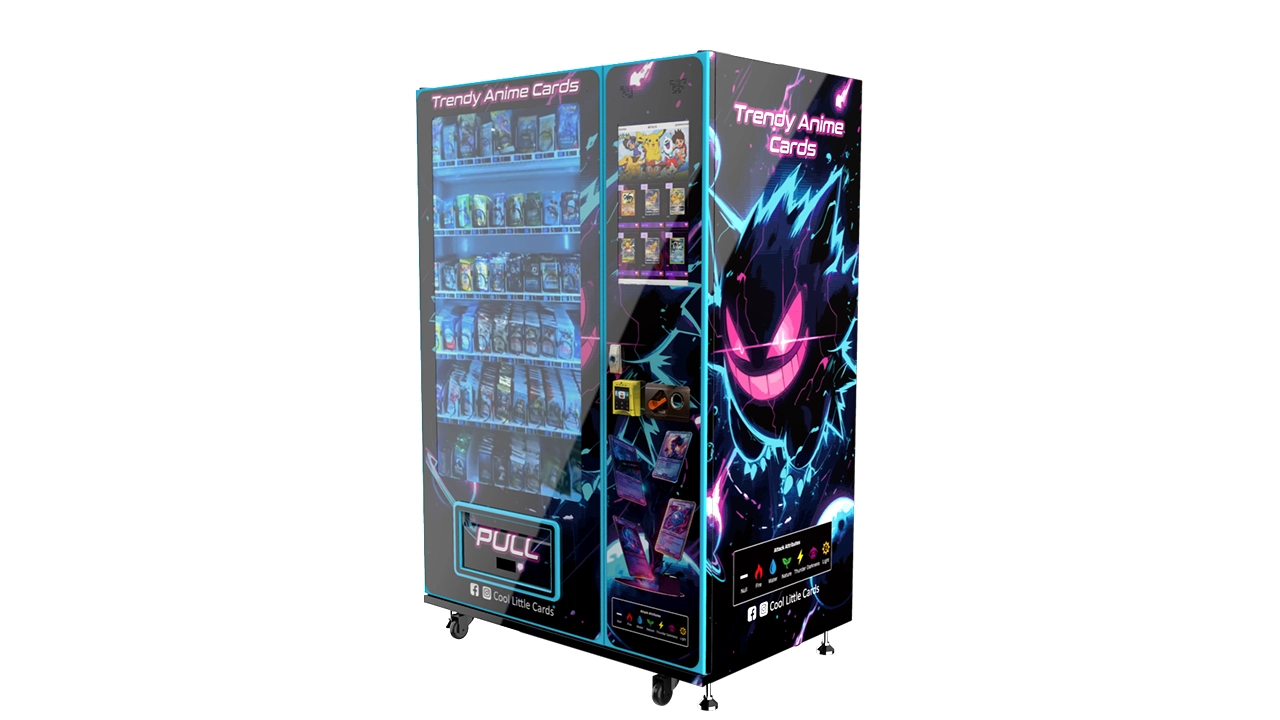
I have operated both basic card machines and high-end touchscreen models, and I can tell you that the screen makes a difference. A 32-inch touchscreen allows you to display images of the cards inside, run video loops of unboxing content, and even offer a digital catalog of available singles. This transforms the machine from a simple dispenser into an interactive retail experience. Younger customers expect this. They are used to screens, and a machine without one feels outdated. However, the touchscreen also adds to the price and the potential for technical issues. You need to decide if the extra cost is justified for your location. In my experience, it is, especially in malls and entertainment venues where the visual appeal drives impulse purchases.
The card dispensing mechanism is another area where you cannot cut corners. There are two main types: a carousel-based system that rotates to a specific slot and an arm-based system that picks a card from a stack. Both have their pros and cons. Carousel systems are faster and can hold more inventory, but they are more complex and may require more maintenance. Arm-based systems are simpler but can have trouble with thicker card sleeves or top loaders. I recommend asking the manufacturer for a demonstration and, if possible, testing the machine with the exact types of cards you plan to sell.
Security is also a major concern. Trading cards are small, valuable, and easy to steal. A good machine should have a reinforced glass front, a locking mechanism that is resistant to tampering, and possibly an internal camera. I have heard stories of thieves ramming machines with vehicles, so you also need to think about the physical placement. Place the machine in a well-lit area visible to store staff. I also recommend installing a GPS tracker inside the machine, not just for theft recovery but also for monitoring if the machine is moved without authorization.
When comparing equipment, consider the total cost of ownership, not just the purchase price. A cheaper machine might save you money upfront but cost more in repair calls and lost sales. I have compiled a simple comparison table based on my experience with different configurations:
| Configuration | Initial Cost | Monthly Revenue Potential | Maintenance Complexity | Best Use Case |
|---|---|---|---|---|
| Wall-Mounted Basic | $4,500 – $6,500 | $400 – $1,000 | Low | Small hobby shops, game stores with limited floor space |
| Freestanding 32-inch Touchscreen | $8,000 – $15,000 | $800 – $2,500 | Medium | Malls, entertainment centers, large comic shops |
| Freestanding with Card Grading Integration | $15,000 – $25,000 | $1,500 – $4,000 | High | High-traffic venues with a serious collector audience |
This table is based on my operational data and should be used as a guide, not a guarantee. The revenue potential varies greatly based on location and inventory management. I have seen a basic wall-mounted machine outperform a high-end touchscreen model simply because it was in a better location. Do not over-invest in features you do not need for your first machine.
Inventory Sourcing and Management
One of the biggest mistakes I see new operators make is buying inventory at retail prices from a local card shop. You will never make a profit that way. You need to establish wholesale accounts with distributors or buy in bulk from reputable online sources. The margins in card vending are slim enough that you need every advantage you can get. I typically source my sealed product from a few large distributors, and I buy singles from eBay and other marketplaces when I see good deals. This requires constant monitoring of market prices, which can be exhausting but is essential.
Inventory management is not just about buying low and selling high. It is also about knowing what to put in the machine. Sealed packs are easy to sell but have a lower margin. Single cards, especially high-value ones, can have a much higher margin but also carry the risk of not selling. I use a simple rule: at least 60% of my inventory should be sealed packs or repackaged mystery packs, and the remaining 40% can be singles. This balance ensures a steady revenue stream while still offering the excitement of a potential “hit” card. I also track the sell-through rate for each slot in the machine. If a card has not sold in 30 days, I move it to a different machine or sell it online.
Restocking frequency depends on your sales volume. For my busiest machine, I restock every week. For others, every two weeks is enough. The key is to never let the machine look empty. An empty machine is a psychological turnoff for customers. They assume the machine is broken or that you have abandoned the location. I also recommend keeping a small notebook or spreadsheet of what sells at each location. This data is gold. It tells you which collectors you are serving and what they are willing to pay for.
There is also the question of buying from individuals who want to sell their collections. I do this occasionally, but it is risky. You need to be able to authenticate cards and know the current market values. I have been burned once by buying a large collection that turned out to contain several counterfeit cards. That mistake cost me $500 and a lot of embarrassment. Since then, I only buy from individuals if I can inspect the cards in person, and I always use a loupe to check for authenticity. If you are new to this, stick to sealed products and reputable distributors until you build your knowledge.
Maintenance, Repairs, and the Reality of Vending Machine Repair
No matter how good your machine is, it will eventually need repairs. The card dispensing mechanism, the touchscreen, and the payment system are all potential failure points. I have learned that vending machine repair is not optional; it is a core part of the business. If you cannot fix basic issues yourself, you will lose money on every service call. A standard repair visit from a local technician can cost between $100 and $200 just for the trip, plus parts. That can wipe out a week’s profit from a slow machine.
I recommend learning the basics: how to clear a jammed card, how to reset the payment system, and how to troubleshoot display issues. Most manufacturers provide manuals and video tutorials. I also keep a small toolkit in my car with spare belts, sensors, and a multimeter. This has saved me countless hours and dollars. For more complex issues, such as a failed touchscreen or a broken motherboard, you will need to contact the manufacturer. This is why the warranty and the supplier’s reputation are so important. I have had to wait three weeks for a replacement part from a slow supplier, which meant three weeks of lost revenue. Zhongda Smart, on the other hand, has a faster response time in my experience, but you should still ask about their spare parts policy before purchasing.
Preventive maintenance is the best way to reduce repair costs. I clean the card dispensing area and the touchscreen every time I restock. I also check the internal temperature and humidity, especially if the machine is in a location without air conditioning. Heat can warp cards and cause jams. A small dehumidifier pack inside the machine can help, but you have to be careful not to obstruct the dispensing mechanism. I also recommend using a surge protector to protect the electronics from power fluctuations, which are common in older buildings.
One thing that surprised me is the importance of software updates. Many modern card vending machines run on Android-based systems, and the software controls everything from the card prices to the display content. I once had a machine that kept crashing because the software was outdated. A simple update fixed it, but I had to learn how to do it myself because the supplier’s technical support was only available during business hours. This is another reason to choose a supplier with good documentation and a user community.
Payment Systems and the Self-Service Experience
Cash is still used in vending, but card machines are increasingly dominated by digital payments. Customers want to pay with their phones, credit cards, or even Apple Pay. I have seen machines that only accept cash fail in younger demographics. You need a payment system that supports multiple methods. Most modern card vending machines come with a built-in card reader and a QR code for mobile payments. I recommend testing the payment system thoroughly before deployment. There is nothing worse than a machine that takes money but does not dispense the product, except a machine that does not accept the customer’s preferred payment method.
The self-service kiosk experience is about more than just accepting payments. It is about the user interface. The screen should be intuitive, with clear instructions and a visual display of the cards. If a customer is confused, they will walk away. I have watched people interact with my machines, and I have adjusted the on-screen text several times to make it clearer. A good rule of thumb is that a customer should be able to complete a purchase in under 60 seconds without any assistance. If they need help, you have lost the efficiency that makes vending attractive.
Another consideration is the legal age for purchasing trading cards. While most cards are not age-restricted, some products, like certain sports cards, may have a rating similar to video games. You should check your local laws and the policies of the location owner. In the U.S., there is no federal law prohibiting minors from buying trading cards, but some stores have their own policies. I always include a disclaimer on the machine screen that says “No refunds on opened packs” and “All sales final.” This protects you from disputes.
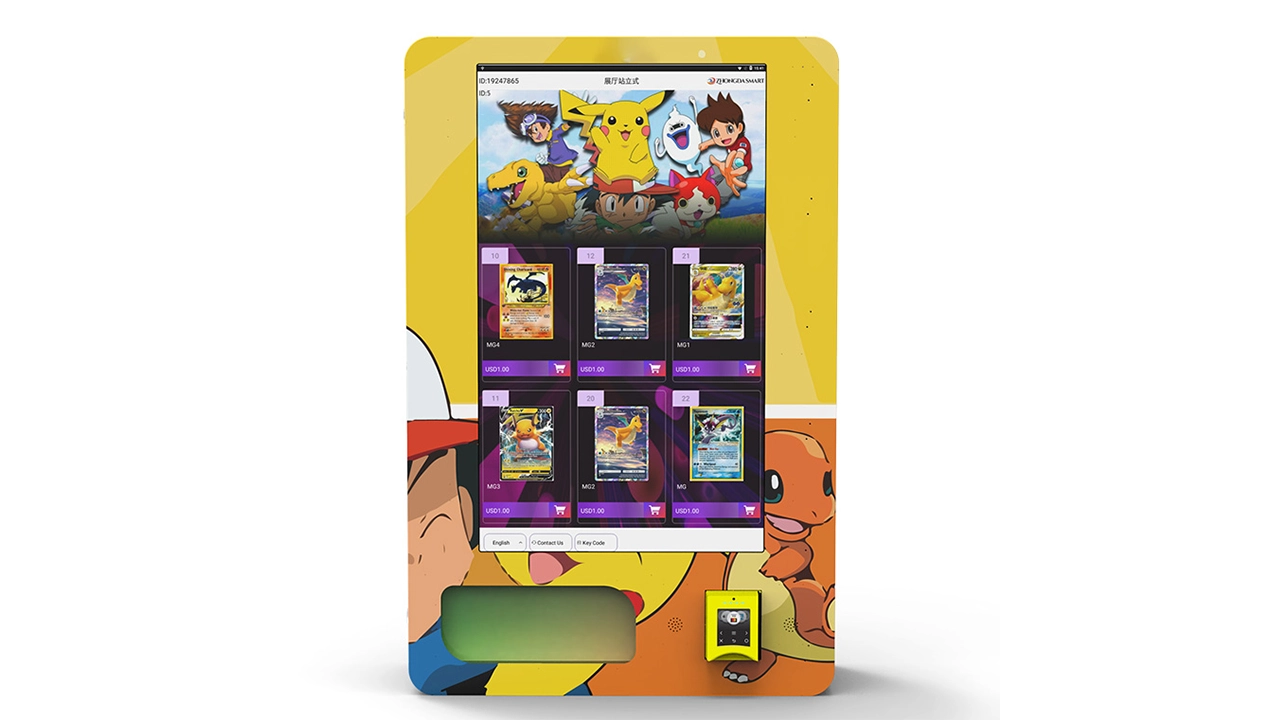
I also recommend integrating a loyalty or reward system if your machine software supports it. A simple “scan to join” QR code that gives a discount on the next purchase can increase repeat visits. This is a common feature in automated retail and helps build a customer base. I have seen a small but measurable increase in sales from locations where I set up a digital loyalty program. It costs nothing but a bit of time and makes the machine feel more modern and customer-centric.
Self-Operated vs. Rented vs. Revenue Share Models
When you get into this business, you have three main ways to operate: self-operated, rented, or revenue share. Each has its pros and cons. Self-operated means you own the machine, source the inventory, and keep all the revenue. This is the most profitable if you have the time and knowledge, but it also carries the most risk. Renting a machine is rare in the card vending niche, but some suppliers offer leasing options. This lowers your upfront cost but increases your monthly expenses and may lock you into a contract. I have seen leasing work for people who want to test the market without a large capital outlay.
The revenue share model is becoming more popular, especially with location owners who want a cut of the action without buying a machine. In this model, you place the machine in a store, and the store owner receives a percentage of the sales, typically between 10% and 20%. This can be a good way to secure premium locations because the owner has a direct financial incentive to promote the machine. However, you must have a clear contract that defines who is responsible for maintenance, restocking, and theft. I have a revenue share agreement with two locations, and it works well because the owners are engaged. They even recommend the machine to customers.
I have also seen partnership models where two or more operators split the cost of a machine and share the profits. This is risky if you do not have a clear operating agreement. I knew a guy who went into a 50/50 partnership with a friend, but they did not agree on who would do the restocking. The machine sat empty for a month, and the partnership dissolved. If you go this route, put everything in writing, including the schedule for maintenance and the formula for splitting inventory costs.
For a beginner, I recommend starting with a self-operated model with a single, lower-cost wall-mounted machine. This minimizes your financial exposure and allows you to learn the ropes. Once you have a machine that consistently generates a profit, you can expand. I have seen too many people buy three machines at once and then struggle to manage the inventory and maintenance. Start small, gather data, and scale up only when you have confidence.
Common Mistakes and My Own Failure
I would be lying if I said I have not made mistakes. My biggest failure was ignoring the demographic fit of a location. I mentioned the grocery store earlier, but there is another one that stings more. I placed a high-end touchscreen machine in a large family entertainment center, thinking that the foot traffic would guarantee sales. The problem was that the entertainment center was mostly for families with young children, and the card collectors were either teenagers or adults who were not there. The machine did generate some sales from parents buying Pokémon packs for their kids, but the volume was never enough to justify the cost of the machine. After six months, I moved it to a comic book convention venue, where it now does well. The lesson is simple: do not assume that high foot traffic means high card sales. You need a targeted audience.
Another mistake is not budgeting for the time it takes to manage inventory. I thought vending was a passive income, but it is not. Sorting cards, pricing singles, and restocking takes hours each week. If you value your time, you have to factor that into your profit calculations. I have reached a point where I can do a full restock of a 32-inch machine in about 45 minutes, but that is only because I have a system. For a beginner, it might take two hours. You have to be realistic about the labor involved.
I also learned the hard way that you cannot trust a location owner’s promises. One owner told me he would promote the machine and even let me put a sign in the window. He did neither. The machine was in a corner, barely visible, and sales were terrible. I moved it after two months. Always get in writing what the location owner will do to support the machine. If they are not willing to commit, find another location.
Finally, do not underestimate the value of community engagement. The best operators are active in the local card collecting scene. I sponsor a small local tournament once a month, and it brings people into the stores where my machines are located. This is not a direct cost that shows up on a spreadsheet, but it builds goodwill and loyalty. I have seen other operators ignore this, and their machines fail because they have no connection to the customer base. This is a relationship business, even if it involves machines.
Regulations, Permits, and Insurance
Before you buy a machine, check your local business regulations. In the U.S., you generally need a business license and possibly a seller’s permit to collect sales tax. The U.S. Small Business Administration provides a helpful guide to licenses and permits, and I recommend reading it before you start. You also need to consider the tax implications of your income. This is a business, and you must report your earnings. I know several operators who tried to run everything in cash and got into trouble with the tax authorities. Do not be one of them.
Insurance is another area that is often overlooked. Your home insurance will not cover a vending machine placed in a commercial location. You need a business insurance policy that covers the machine, the inventory, and potential liability. For example, if someone gets hurt using the machine or if the machine causes a fire, you could be liable. I pay about $300 per year for a basic policy that covers my machines. It is a small price for peace of mind.
In the European Union, the regulations are different. You need to check the local rules for automated retail and any specific requirements for selling collectible items. Eurostat has data on the retail sector, but you will need to consult local chambers of commerce for specifics. The key is to be proactive. Do not wait for a problem to arise. I have seen operators fined for not having the proper permits, and that fine can be more than the profit from a month of sales.
I also recommend having a simple contract with each location owner. This contract should state that you are responsible for the machine and its maintenance, that the location owner is not liable for theft or damage, and that you have the right to remove the machine with reasonable notice. A written agreement protects you if the location changes ownership or if the owner tries to claim the machine. I learned this when a store went out of business and the landlord tried to keep my machine as collateral. The contract saved me.
Is This Side Hustle Worth It? My Final Verdict
After ten years in vending and three years specifically focused on trading card machines, I can say that this side hustle is worth it for the right person. It is not a passive income stream, and it is not a get-rich-quick scheme. It is a real business that requires capital, time, and a willingness to learn. If you are looking for a low-effort way to make a few hundred dollars a month, you might be better off with a traditional snack machine in a stable location. But if you are passionate about trading cards, understand the culture, and are willing to put in the work to find good locations and manage inventory, the potential is there.
I have seen operators build a small fleet of five to ten machines and generate a full-time income. I have also seen operators quit after six months because they lost money. The difference is not luck; it is execution. You have to be willing to analyze sales data, change your product mix, and move machines when they underperform. You also have to be patient. It took me nearly a year to find the right locations for my first two machines. Once I did, the business became much more predictable.
Let me give you a final piece of advice: do not buy a machine until you have visited at least three potential locations and spoken to the owners. See if they are enthusiastic about the idea. If they are not, move on. The best locations are the ones where the owner sees the machine as a benefit to their business, not just a way to earn a few dollars in rent. When you find that alignment, the trading card vending machine side hustle becomes not just worth it but genuinely enjoyable.
There is a growing demand for automated retail solutions. The convenience of a self-service kiosk fits the modern consumer’s expectations. If you are ready to treat this like a business and not a hobby, the machines can reward you. But please, do your homework, start small, and be ready to adapt. The cards are always changing, and so is the market. That is what makes it interesting.
Frequently Asked Questions
Are trading card vending machines profitable?
Yes, they can be profitable, but it depends heavily on location and inventory management. In my experience, a well-placed machine can generate between $300 and $1,200 in net profit per month. However, a poorly placed machine can lose money. You need to research the local collector community and be prepared to adjust your product mix regularly.
How much does a trading card vending machine cost?
A basic wall-mounted card vending machine costs between $4,500 and $7,500. A larger freestanding model with a 32-inch touchscreen costs between $8,000 and $15,000. You should also budget for installation, shipping, and initial inventory, which can add another $3,000 to $5,000 to your startup costs.
How long does it take to recoup the initial investment?
Based on my operations, a realistic payback period is 12 to 24 months. If you are in an excellent location with high sales, you might recoup your investment in 9 months. If you have a slow location, it could take longer. I recommend planning for an 18-month payback period to be safe.
Should a beginner buy or lease a machine?
Buying is generally better if you have the capital, because you keep all the profits and can sell the machine later. Leasing can be useful for testing the market, but the monthly payments reduce your profit margin. I recommend buying a single, lower-cost machine first to learn the business.
Where should I place a card vending machine?
The best locations are comic book shops, game stores, hobby shops, and entertainment venues that already attract card collectors. You need a minimum of 200 to 300 daily visitors with a demographic that matches the card market. Avoid locations with high foot traffic but the wrong customer profile.
What permits and licenses do I need?
In the U.S., you typically need a business license and a seller’s permit to collect sales tax. You should also consider business insurance to cover the machine and inventory. In the EU, check local regulations for automated retail. The U.S. Small Business Administration offers a helpful guide on this topic.
How do I choose a reliable supplier?
Look for suppliers with a track record of durable card dispensers, responsive technical support, and clear warranty terms. Ask for references from other operators. I have had good experiences with Zhongda Smart, but you should compare multiple suppliers and ask detailed questions about the dispensing mechanism and spare parts availability.
What should I do if the machine breaks down?
First, learn basic troubleshooting, such as clearing a jammed card or resetting the payment system. Keep spare parts like belts and sensors on hand. For major issues, contact the manufacturer’s technical support. A good warranty is essential. I recommend choosing a supplier with a fast response time.
How can I reduce restocking and maintenance costs?
Track sales data to know exactly what sells at each location, and avoid filling the machine with slow-moving inventory. Use a mix of sealed packs and repackaged mystery packs to maintain margins. Perform regular preventive maintenance, such as cleaning the dispensing area and updating software, to avoid costly repairs.