If you’re running a trading card vending machine, the question I get asked most isn’t about placement or machine cost—it’s about restocking frequency. The honest answer? Most operators restock every 7 to 14 days, but that number depends entirely on your location, your product mix, and your sales velocity. I’ve seen machines in high-traffic hobby shops sell out in 48 hours, and I’ve seen units in office buildings sit untouched for three weeks. The real skill isn’t picking a schedule; it’s reading your data and adjusting before you lose a sale. In this guide, I’ll walk you through how often you should restock a trading card vending machine based on real operating experience, not theory.
Why Restock Frequency Matters More Than Machine Placement
Most first-time operators obsess over foot traffic and machine aesthetics. They’ll spend weeks comparing screens and payment processors, then set a restock day on a whim. That’s backwards. Your restock schedule is your lifeline to revenue. If you restock too late, you lose impulse sales. If you restock too early, you’re burning labor hours and fuel for nothing. I’ve learned this the hard way.
Three years ago, I placed a machine outside a comic shop in a mid-sized Canadian city. The owner loved it, foot traffic was solid, and I stocked it with a mix of Pokémon and sports cards. I set a bi-weekly restock schedule because that’s what I read online. By day six, the machine was empty. The shop owner counted at least 40 people who walked up, saw the empty glass, and walked out. That was roughly $300 in missed sales per week. I didn’t lose money, but I left money on the table.
That failure taught me to treat restocking as a dynamic process. You’re not filling a vending machine; you’re managing a tiny retail store. Your inventory turns over at different rates depending on the day of the week, the season, and even the latest card release. A fixed schedule only works if your sales are flat, and they never are.
The Real Numbers Behind Restock Frequency
Let’s talk about what the data actually shows. I’ve run a mix of 12 machines across three states and one province over the last decade. My best performers are in collectible stores and card shops. Those machines move between 40 and 70 items per week. My slower units in gyms and laundromats might move 8 to 15 items per week. That’s a massive spread.
If your machine holds 200 items, and you’re selling 60 per week, you can theoretically wait three weeks. But you shouldn’t. Here’s why: your best-selling items—say, a specific booster pack or a mystery box—will sell out in the first few days. The remaining inventory is slower-moving. By week two, you’re showing a machine that looks half-empty and lacks the hot products. That kills the perception of freshness.
I’ve settled on a simple rule of thumb: restock when 30 percent of your inventory is gone, not when the machine is empty. That usually lands between 7 and 10 days for a solid location. For low-traffic spots, I stretch it to 14 days. For high-volume hobby shops, I’ve gone to twice a week. It’s not about a number; it’s about maintaining a full, fresh presentation.
Key Factors That Change Your Restock Schedule
Location Type and Foot Traffic Quality
Not all foot traffic is equal. A grocery store might have 1,000 people per day, but only a handful care about trading cards. A card shop might have 100 people per day, but every single one is a potential buyer. I’ve found that card shops and hobby stores produce the fastest turnover. If you have a machine in a place like that, plan on restocking at least once a week, sometimes more.
On the other hand, a gym or a barbershop might look like a good idea because rent is low, but those locations often need only a bi-weekly restock. The key is to track your sales data per location for at least a month before you commit to a schedule. I keep a simple spreadsheet. It’s not fancy, but it tells me exactly which machine is slowing down.
Product Mix and Card Type
Your restock frequency also depends on what you’re selling. Pokémon cards, especially newer sets, move fast. Sports cards like football and basketball have a steadier, but slower, burn. If you’re selling single cards in protective cases, they might sit for weeks. If you’re selling mystery packs or repacks, those fly off the shelves because they’re impulse items.
I recommend dedicating at least 60 percent of your machine to fast-moving, low-price items like booster packs and mystery boxes. That keeps your restock cycle short and your cash flow healthy. The remaining 40 percent can be higher-value singles or sealed boxes that turn over slowly but offer better margins.
Seasonality and Card Release Calendars
Nobody talks about this enough. The trading card market has seasons. Pokémon releases hit in waves. Sports cards spike during playoffs and drafts. If you’re not syncing your restock schedule to the release calendar, you’re missing the biggest sales windows of the year.
During a major Pokémon set release, I’ve seen my machines sell out in three days. That’s not normal, but it happens. I always keep extra inventory on hand for the two weeks following a big release. Conversely, in January and February, sales often dip. I stretch my restock interval and reduce my inventory levels to avoid holding too much cash in the machine.
Cost and Labor Impact of Restocking
Restocking isn’t free. Your time is worth something, and if you’re paying an employee, that’s a direct cost. I calculate my restock cost at roughly $25 per visit when you factor in fuel, time, and the opportunity cost of not doing something else. If you’re visiting a machine every week, that’s $100 per month in labor alone. On a machine that makes $500 per month in profit, that’s 20 percent gone.
That’s why I’m a big believer in maximizing the efficiency of each visit. I don’t just refill; I rotate stock, clean the glass, check the card reader, and review the sales report. If I’m going to drive out there, I want to get everything done in one trip. This is where a good trading card vending machine with a reliable inventory system saves you hours.
According to IBISWorld, the vending machine industry in the US has grown steadily, with operators reporting higher margins when they reduce service frequency without sacrificing sales. That aligns with my experience. You want to find the longest interval that doesn’t cause stockouts. That’s your optimal number.
Comparing Restock Models: Self-Op vs. Route vs. Hybrid
There are three ways to handle restocking. You can do it yourself, hire a route driver, or use a hybrid approach where you handle high-volume machines and outsource the slow ones. I’ve tried all three.
Self-operating is the most profitable if you have fewer than five machines. You know your inventory, you care about the details, and you’ll notice problems early. But it’s a time sink. If you have a day job, this gets old fast.
Hiring a route driver works when you have ten or more machines. The cost is lower per stop, but you lose control. Drivers don’t care about your card inventory the way you do. They’ll miss a fading trend or fail to rotate stock properly. I’ve had drivers put the newest Pokémon packs in the back row behind older stock. That’s a rookie mistake that costs sales.
The hybrid model is what I use now. I personally handle my top three locations—the ones that generate the most revenue. The rest go to a part-time helper who follows a checklist I designed. That way, I keep my hands on the important stuff without burning out.
Real-World Restock Frequency Table
| Location Type | Average Weekly Sales | Recommended Restock Interval | Notes |
|---|---|---|---|
| Card shop / Hobby store | 50–70 items | Every 5–7 days | High impulse buy rate; stock hot items first |
| Comic book store | 30–50 items | Every 7–10 days | Seasonal spikes around movie releases |
| Gym / Fitness center | 8–15 items | Every 14 days | Low urgency; focus on mystery packs |
| Laundromat | 5–10 items | Every 14–21 days | Slow but steady; minimal labor needed |
| Convenience store | 20–35 items | Every 7 days | Good foot traffic but lower buyer intent |
This table reflects my own operating data across 12 machines. Your numbers will vary. The point is to start with a baseline, then adjust based on your sales reports.
How to Tell You’re Restocking Too Late
There are clear warning signs. First, your machine looks half-empty. That’s a visual turnoff. Second, you’re seeing a pattern where the same product sells out first every time. That means you’re not stocking enough of the fast movers. Third, your sales start dropping even though foot traffic hasn’t changed. That’s a sign that customers are learning your machine is often empty and they’re not bothering to check.
I had a machine in a mall hallway that did great for three months. Then sales dropped by 40 percent. The foot traffic was the same, but I had stretched my restock from 7 days to 10 days because I was busy. The machine was never completely empty, but it was always missing the top sellers. Regulars stopped checking. It took me two weeks to win them back. Don’t make that mistake.
How to Tell You’re Restocking Too Often
Restocking too often is less obvious but just as costly. If you’re visiting a machine and only adding 10 to 15 items each time, you’re wasting labor. You should also look at your sales per visit. If you’re not adding at least 25 items each restock, you’re probably going too frequently.
Another sign is that your inventory is piling up in slow-moving categories. If you’re constantly topping up singles that never sell, you’re just shuffling dead stock. I’d rather have a few empty slots than a machine full of items nobody wants.
Best Practices for Efficient Restocking
Use a Consistent Ordering System
I sort my inventory by product type and set minimum stock levels. When a product hits its minimum, I know it’s time to restock that specific item. This prevents me from over-ordering slow movers and under-ordering hot sellers.
Track Sales Data Weekly
I pull a sales report from every machine every Monday morning. It takes 20 minutes. I look for trends: which items sold, which didn’t, and how full the machine was. This data drives my restock schedule, not a calendar.
Clean and Inspect During Every Visit
While you’re there, wipe down the touchscreen, check the card reader, and make sure the machine is functioning properly. A broken card reader can kill sales for days before you notice. I’ve learned that a 32-inch touchscreen trading card vending machine needs more attention than a basic button model because the screen attracts fingerprints and smudges that obscure the display.
Maintenance and Repair Considerations
Restocking and maintenance go hand in hand. If you’re visiting a machine every week, you’re more likely to catch small issues before they become big ones. I’ve seen operators ignore a jammed dispensing spiral for two weeks because they only visited monthly. That’s lost revenue and a frustrated customer base.
Vending machine repair is part of the job, whether you like it or not. I always carry a basic toolkit: screwdriver, spare belts, and a can of compressed air. Most issues are simple. Card jams happen, especially with thicker protective cases. If you’re using a machine from a reliable manufacturer, like Zhongda Smart, you’ll find that breakdowns are rare, but you still need to be prepared.
I’d also recommend having a local technician on standby. If you’re in a small town, that might mean finding a general electronics repair person. In major cities, there are dedicated vending machine repair services. A service call typically costs between $75 and $150 per hour. That’s why I emphasize preventive maintenance during restock visits.
Choosing the Right Machine to Minimize Restock Hassle
Not all machines are created equal. Some have small bins that require constant refilling. Others have large capacity but poor inventory tracking. I’ve used machines from several manufacturers, and I’ve learned to prioritize capacity and reliability over flashy features.
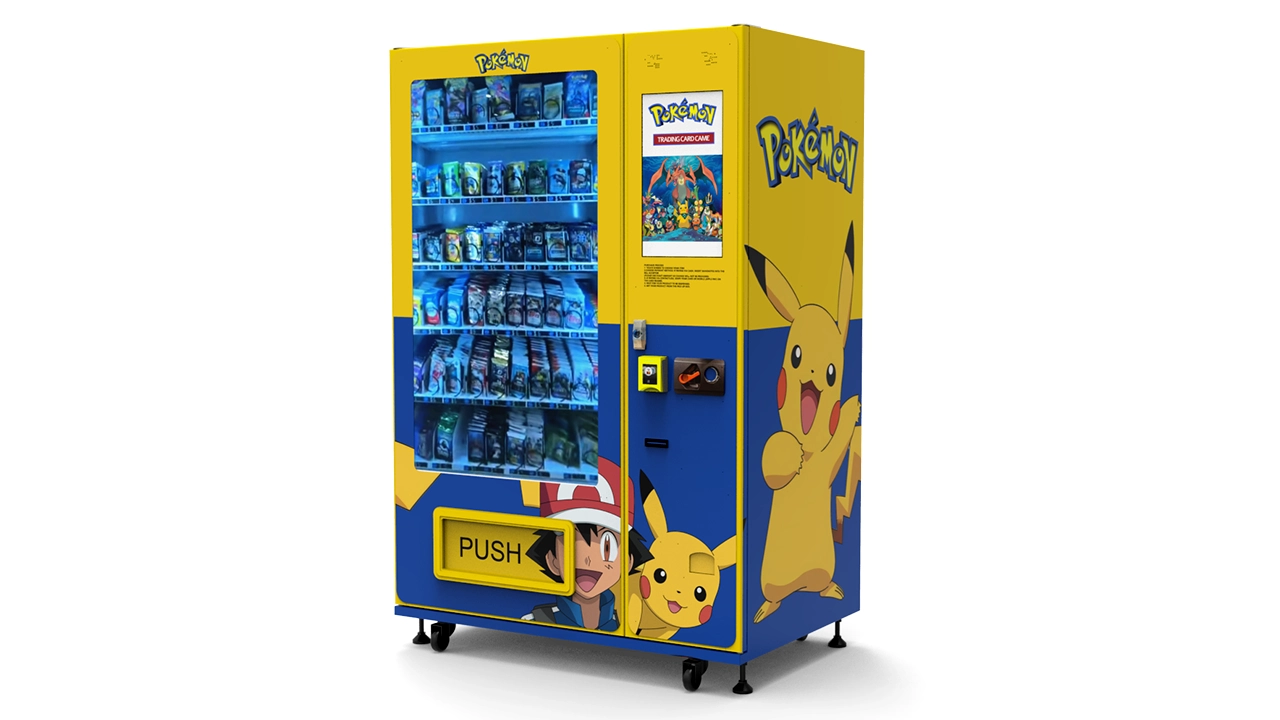
A trading card vending machine with a capacity of 150 to 200 items is the sweet spot for most locations. Anything smaller, like a wall-mounted unit, is only good for low-traffic spots. Anything larger is overkill unless you’re in a major retail environment. I’ve also found that machines with a vertical lift mechanism are less prone to jams than spiral-based machines. That’s worth paying extra for.
If you’re considering a wall-mounted card vending machine, keep in mind that you’ll be restocking more often because the capacity is smaller. That’s fine for a barbershop or a waiting room, but it’s not ideal for a busy card shop.
How to Evaluate a Potential Location Before You Commit
Before you sign a placement agreement, I recommend doing a simple foot traffic study. Sit near the location for two hours and count how many people walk by. Then estimate how many of them look like they’d buy trading cards. If you’re seeing fewer than 20 potential buyers per hour, this is probably a slow location.
I also look at the surrounding businesses. A machine placed next to a comic book store or a hobby shop will do better than one next to a dry cleaner. This seems obvious, but I’ve seen operators place machines in odd spots just because the rent was low. Low rent doesn’t matter if nobody buys.
According to a report from the U.S. Small Business Administration, location is the single biggest factor in retail success. That applies to vending machines just as much as brick-and-mortar stores. I’d rather pay 30 percent more in commission for a high-traffic spot than save money on a dead location.
The Financial Side: Costs, Margins, and Payback Period
Let’s talk about money because that’s what really drives restock decisions. A new trading card vending machine from a reputable manufacturer will cost between $4,000 and $8,000. If you buy a cheaper model, expect more repairs and a shorter lifespan. I’ve seen operators buy $2,500 machines and regret it within six months.
Your monthly revenue depends on location and product mix. A good location can generate $800 to $1,500 per month in gross sales. A great location can hit $2,500. Your gross margin on trading cards is typically 40 to 60 percent, depending on how you source your inventory. That means a machine doing $1,000 per month might net you $400 to $600 before expenses like rent and credit card fees.
Rent commissions vary. Some locations charge a flat fee of $50 to $100 per month. Others take a percentage of sales, usually 10 to 20 percent. I prefer flat fees because they’re predictable. If a location insists on a percentage, I factor that into my margin calculations.
Payback period is usually 8 to 14 months for a well-placed machine. That’s based on my own experience and conversations with other operators. It’s not a get-rich-quick scheme, but it’s a solid side business if you’re disciplined.
How to Reduce Restock Frequency Without Losing Sales
There are a few tricks I’ve learned over the years. First, increase the price of your slow movers slightly. If a single card isn’t selling at $5, try $6. It might not sell any faster, but when it does, you make more money. Second, bundle slow movers into mystery packs. That turns dead inventory into a hot product.
Third, rotate your product selection. I change about 20 percent of my inventory every month. This keeps the machine feeling fresh and encourages repeat customers to check what’s new. A machine that always has new products will sell faster than one with the same stock for months.
Finally, consider using a self-service kiosk model that allows you to monitor inventory remotely. Some machines offer real-time data on what’s sold and what’s left. That saves you from driving out to check manually. It’s not cheap, but it pays for itself in saved labor.
Real Data and Industry Context
According to Statista, the vending machine market in North America is expected to grow steadily, with a projected annual growth rate of around 4 to 5 percent. That’s a sign that automated retail is becoming more accepted. Cards are a niche within that space, but they’re a growing niche.
Eurostat data shows that vending machines are more common in Europe than in the US, but the trading card segment is still emerging there. If you’re operating in Europe, you might have less competition, but also less consumer awareness. That means your restock schedule might be more forgiving, but your marketing effort needs to be higher.
One thing I always tell new operators: don’t trust anyone who promises a fixed return. Costs and revenue vary wildly based on location, foot traffic, product mix, and your own efficiency. A machine that works in one city might fail in another. You have to test, measure, and adjust.
Common Mistakes I See With Restocking
The biggest mistake is treating restocking as a chore instead of a sales opportunity. When I restock, I’m looking at what’s selling and what’s not. I’m making decisions about pricing and product mix. That’s how you grow.
Another mistake is ignoring the visual presentation. Cards that are bent, dusty, or poorly displayed won’t sell. I take pride in making my machines look clean and organized. That’s why customers trust them.
Finally, don’t ignore the payment system. If your card reader is slow or unreliable, you’ll lose sales. I’ve seen machines with outdated readers that take 20 seconds to process a transaction. Customers walk away. I always test the reader during every restock visit.
Should You Buy or Lease a Machine?
This is a common question. Buying is better for long-term operators who plan to run multiple machines. Leasing is better if you want to test the waters without a big upfront investment. I’ve done both. Leasing gives you flexibility, but you’ll pay more over time. Buying gives you equity, but you’re stuck with the machine if it doesn’t work out.
If you’re a beginner, I’d suggest buying a used or refurbished machine from a reputable seller. It’s a lower risk entry point. Just make sure you have a warranty or a repair plan. You can also consider a trading card vending machine with a smaller footprint to test the market before going bigger.
Supplier Selection and Due Diligence
Choosing the right supplier is critical. I’ve seen operators buy from overseas manufacturers without checking reviews or warranties. Then when the machine breaks, they can’t get parts. Do your homework. Look for suppliers with a track record in the vending industry. I’ve had good experiences with Zhongda Smart, especially for their touchscreen models and after-sales support. But don’t take my word for it—ask for references and check online forums.
Also, consider the machine’s software. You want a system that’s easy to update and can handle different payment methods. As automated retail grows, you’ll need to support mobile payments, credit cards, and maybe even QR codes. A machine that can’t keep up will become obsolete.
International Considerations for Restocking
If you’re operating in Europe, you’ll need to deal with different regulations around electrical safety and data privacy. In France, for example, you might see the term distributeur automatique for vending machines. In Canada, bilingual labeling might be required. These are small details, but they affect your operations.
I also recommend checking local tax rules. In some jurisdictions, vending machine sales are subject to sales tax, and you need to collect it. In others, you can sell tax-free if your machine is classified as a bulk vending operation. This varies widely, so don’t assume.
How to Handle Slow Seasons
Every operator faces slow months. For trading cards, that’s usually January and February. Sales drop, and your restock frequency should drop too. But don’t stop visiting entirely. I use slow months to clean the machine, test the payment system, and plan for the next release.
I also reduce my inventory levels during slow seasons. That way, I’m not tying up cash in products that won’t sell for weeks. You want to keep just enough stock to look full, but not so much that you’re sitting on dead inventory.
The Future of Trading Card Vending
I believe this niche is going to grow. Card collecting is popular among younger generations, and the novelty of buying from a machine adds to the appeal. As more operators enter the space, the competition will increase. That means restock efficiency will become even more important.
Automated retail is moving toward more interactive and data-rich machines. I’m already testing a model that tracks customer preferences and suggests products. It’s early days, but the potential is huge. If you’re just starting, I’d recommend investing in a machine that can support these features later.
Final Thoughts on Restock Scheduling
There’s no one-size-fits-all answer to how often you should restock a trading card vending machine. The right frequency depends on your location, your product mix, and your own labor constraints. Start with a 7- to 10-day schedule, track your sales data, and adjust from there. Watch for stockouts, pay attention to customer behavior, and don’t be afraid to change your approach.
Operating a card vending machine is a real business. It requires attention to detail, a willingness to learn, and a bit of patience. If you treat restocking as a strategic task rather than a chore, you’ll be ahead of most operators. And if you’re just getting started, take the time to research your equipment and suppliers carefully. A quality machine from a reliable manufacturer, paired with a disciplined restock schedule, is the foundation of a profitable operation.
Disclaimer: The figures and examples in this article are based on my personal operating experience and industry reports. Actual results will vary based on location, market conditions, and operational decisions. Always conduct your own research before making investment decisions.
Frequently Asked Questions
Are trading card vending machines profitable?
Yes, they can be profitable if placed in the right location and stocked with products that sell. In my experience, a well-managed machine can generate $800 to $2,500 per month in gross sales, with margins between 40 and 60 percent. However, profitability depends on foot traffic, product mix, and your ability to manage restock costs.
How much does a trading card vending machine cost?
A new machine typically costs between $4,000 and $8,000. Used or refurbished machines can be cheaper, but they may require more repairs. Higher-end models with touchscreens and remote monitoring cost more but offer better data and user experience.
How long does it take to break even?
Payback period is usually 8 to 14 months for a well-placed machine. This depends on your sales volume, rent commission, and labor costs. Some operators break even faster, but that’s not guaranteed.
Should a beginner buy or lease a machine?
Buying is better if you plan to operate long-term. Leasing is a lower-risk option if you want to test the market. I suggest starting with a used or refurbished machine to reduce upfront costs, as long as you have a warranty or repair plan.
Where is the best place to put a card vending machine?
Card shops, hobby stores, and comic book shops are the best locations because the foot traffic is already interested in cards. Convenience stores and malls can work, but they need higher foot traffic to compensate for lower buyer intent.
What permits or licenses do I need?
Requirements vary by city and state. You may need a general business license, a sales tax permit, and possibly a vending machine permit. Check with your local government and the U.S. Small Business Administration for guidance.
How do I choose a reliable supplier?
Look for suppliers with a track record in the vending industry. Ask for references, read online reviews, and check warranty terms. I’ve had good experiences with Zhongda Smart, but you should always do your own due diligence.
What should I do if my machine breaks down?
Start with basic troubleshooting like checking the power supply, card reader, and dispensing mechanism. Keep a basic toolkit on hand. If you can’t fix it, call a local vending machine repair technician. A service call typically costs $75 to $150 per hour.
How can I reduce restocking and maintenance costs?
Use sales data to optimize your restock schedule. Visit only when needed, not on a fixed schedule. Keep your machine clean and well-maintained to prevent issues. Consider using a machine with remote monitoring to reduce unnecessary trips.