If you run a retail space and haven’t looked at trading card vending machines yet, you’re leaving money on the table. I’ve spent over a decade in the automated retail business, and I can tell you that the shift toward self-service kiosks for Pokémon, sports cards, and other collectibles isn’t a fad—it’s a response to how buyers actually shop now. The core question most retailers ask me isn’t whether these machines work, but whether they’ll work in their specific location. Based on my own operating history, a well-placed trading card vending machine can generate gross margins between 35% and 50%, with monthly revenues ranging from $800 to over $6,000 depending on foot traffic and product mix. But those numbers only happen if you understand the equipment, the site, and the inventory cycle before you buy.
The Real Reason Retailers Are Adding Card Kiosks
I remember walking into a comic shop in Ohio back in 2019. The owner had a glass case full of sealed product, but he was constantly interrupted at the counter to sell single packs. He added a simple wall-mounted unit near the door, and within three weeks, his pack sales doubled. That’s the real reason retailers are adding these machines: they shift routine transactions from the counter to a self-service kiosk, freeing up staff while increasing impulse purchases. It’s not just about selling cards; it’s about changing the flow of your store.
The demand for trading cards has grown beyond hobby shops. Big box retailers, grocery chains, and even laundromats have started hosting these units. The reason is simple—collectors want the thrill of the pull, and they want it fast. A trading card vending machine delivers that experience 24/7 without requiring a dedicated sales associate. For a retailer, that means you’re not paying hourly wages to sell a $5 pack; the machine does it for you.
What a Card Vending Machine Actually Costs
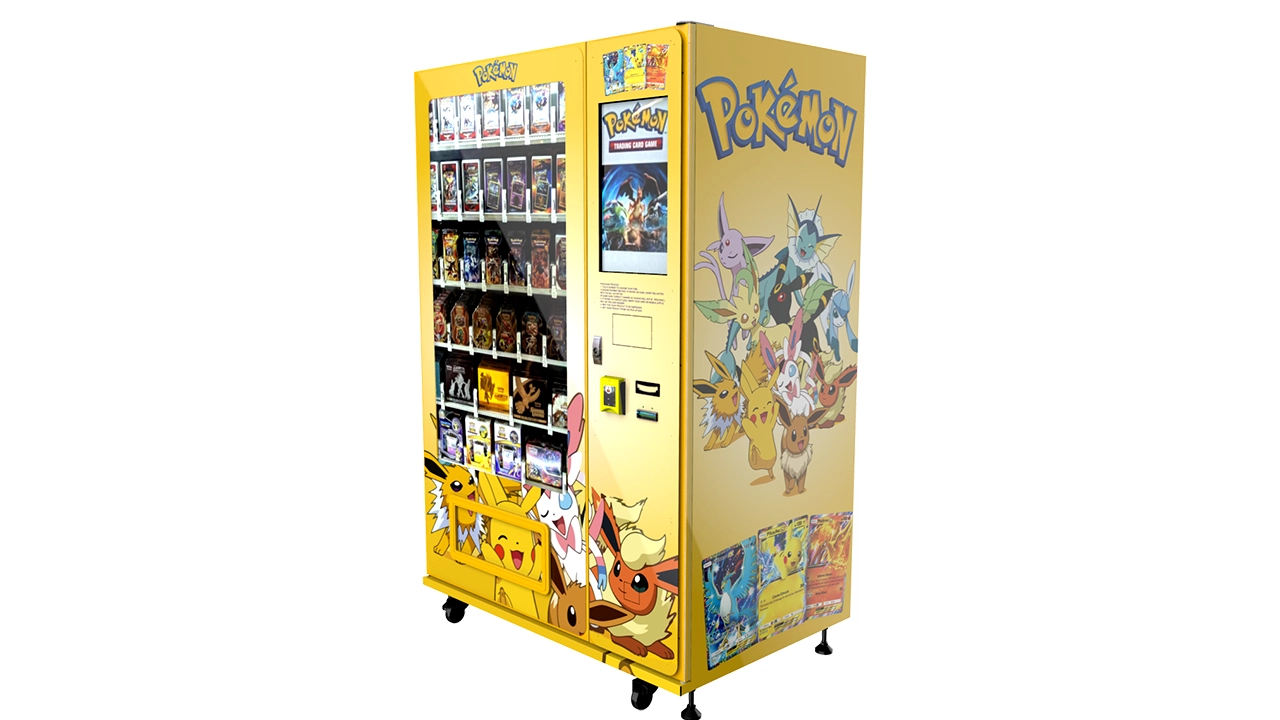
Let’s talk numbers, because that’s where most beginners get lost. I’ve purchased everything from used soda machines converted to card dispensers to brand new 32-inch touchscreen models. The price range is wide. A basic spiral or coil-based card machine runs between $3,500 and $7,500. A high-end unit with a touchscreen, card authentication, and remote monitoring will set you back $9,000 to $18,000. I’ve seen custom units go higher, but that’s not where I’d start.
My first machine was a used snack vending machine that I retrofitted with adjustable shelves. Cost me $1,800 plus another $600 in parts and labor. It worked, but it was ugly and slow. The upgrade to a purpose-built machine changed everything. If you’re serious about this, buy equipment designed for cards from day one. That decision alone saved me hours of frustration and lost sales.
Initial Investment Breakdown
Here’s a realistic budget breakdown based on what I’ve seen across my own operations and those of colleagues:
| Item | Low-End Cost | High-End Cost | Notes |
|---|---|---|---|
| Machine purchase | $3,500 | $18,000 | Depends on size, screen, and brand |
| Shipping & installation | $200 | $800 | Heavier units need freight and sometimes a lift gate |
| Initial inventory | $2,000 | $5,000 | Sealed packs, boxes, single cards |
| Payment system setup | $0 (built-in) | $300 | Card reader activation fees may apply |
| Miscellaneous (signage, locks) | $100 | $500 | Often overlooked |
That’s a total entry point of roughly $5,800 to $24,600. But don’t let the high end scare you. I started small and scaled up once I understood my location’s sales velocity.
Revenue Potential: What I’ve Actually Seen
I’ve placed machines in four different types of locations: a comic shop, a mall kiosk, a grocery store entryway, and a laundromat. The results varied dramatically. The comic shop did about $1,200 per month in pack sales. The mall location hit $4,500 in its second month. The grocery store entryway averaged $2,800 but had high theft issues. The laundromat was a disaster—barely $400 per month because the demographic wasn’t right.
My point is that revenue is location-driven. A self-service kiosk in a high-traffic gaming store will outperform a machine in a general retail store, even if the foot traffic is similar. The key is audience intent. Collectors will seek out a machine if they know it’s there, but impulse buyers need to be in a space where they already feel comfortable spending.
According to Statista, the trading card market in the United States has grown steadily, with revenue projected to reach over $2.5 billion in 2025. That growth pulls new buyers into the hobby every month. If your machine is visible and stocked, you’ll capture a share of that spend.
Location Selection: My Rules of Thumb
I’ve developed a checklist over the years that I use before placing any machine. First, minimum foot traffic of 500 people per day. That sounds low, but it’s a baseline. Second, the average age of the customer should be between 16 and 40. Third, the location should already sell collectibles, snacks, or media—something that brings in a similar demographic. Fourth, there should be a power outlet within 10 feet. Fifth, the floor must be level and dry.
I once placed a machine in a convenience store that had great traffic but terrible lighting. The machine looked dingy, and sales were poor. I moved it to a well-lit area near the checkout, and sales jumped 60% in two weeks. Lighting and visibility matter more than most people think.
Another consideration is security. Machines in unmonitored areas get vandalized. I’ve had a screen cracked and a lock picked. That’s why I now prefer locations with at least some form of surveillance or staff presence. This is especially important for wall-mounted card vending machines, which are easier to tamper with than full-size units.
Equipment Choice: What I’ve Learned the Hard Way
I bought a cheap machine once from a no-name supplier. It broke down twice in the first month. The first issue was a jammed coil, and the second was a faulty card reader. I lost a week of sales and had to pay a technician $150 to fix it. That experience taught me to prioritize reliability over price.
Now I recommend machines with a few specific features. First, a tamper-resistant card dispensing mechanism. Second, a remote monitoring system that alerts you to jams or low inventory. Third, a touchscreen interface that can display product images and prices. Fourth, a payment system that accepts credit cards, mobile wallets, and cash. The 32-inch touchscreen trading card vending machine I now operate has all of these, and it’s made my life significantly easier.
One brand that has consistently performed well in my fleet is Zhongda Smart. I’m not affiliated with them, but their build quality and after-sales support have been solid. Their machines are used by several operators I know, and the feedback is always about durability and ease of restocking. If you’re comparing suppliers, put them on your list.
New vs. Used Equipment
I’ve covered the used route already, and I’ll be honest—it’s risky. You can save money upfront, but you’ll spend it on repairs and downtime. A used machine might cost $2,500, but if it breaks twice a month, you’re losing $200 in sales plus repair fees. A new machine at $8,000 with a warranty might pay for itself in eight months, and then it’s pure profit.
That said, if you’re on a tight budget, look for refurbished units from reputable dealers. Ask for maintenance records and test the machine before you pay. I’ve seen too many people buy a “like new” machine that turned out to be a lemon.
Inventory Management and Restocking
This is where most operators fail. You can’t just fill a machine with booster packs and walk away. You need a rotation strategy. I track sales data weekly and adjust my product mix accordingly. For example, if a certain Pokémon set isn’t moving, I swap it out for a newer release or a sports card product that’s trending.
Restocking frequency depends on your sales volume. A high-traffic machine needs attention every 3 to 4 days. A slower location can go 10 days between restocks. I use a simple spreadsheet to track inventory levels and sales per slot. That data tells me exactly what to bring on each visit.
One mistake I made early on was overstocking. I filled every slot with sealed product, thinking more inventory meant more sales. It actually led to stale product and wasted capital. Now I keep 70% of slots filled with fast movers and 30% with experimental items. This approach has reduced my restocking time by 25% and increased my overall turnover.
According to IBISWorld, the vending machine operators industry in the U.S. has an average profit margin of about 6.8%, but that includes traditional snack and beverage machines. Card machines can do better because the product has a higher perceived value and lower spoilage risk. The key is efficient inventory management.
Maintenance and Repair: What You Need to Know
No machine is maintenance-free. Even the best units will occasionally jam or have a payment system error. I’ve learned to handle basic troubleshooting myself—clearing jams, resetting the system, and calibrating the card reader. For major issues, I have a local technician I call, but he’s not cheap. That’s why I always budget 5% of my gross revenue for maintenance and repairs.
If you’re not handy, buy a service contract. Some manufacturers offer annual plans that cover parts and labor. It’s worth the peace of mind, especially if your machine is in a remote location. I’ve also found that preventive maintenance—cleaning the sensors, checking the coils, updating the software—reduces breakdowns by at least 40%. Don’t skip it.
For those who want to learn, there are plenty of online resources and forums where operators share tips. I’ve also used YouTube videos to walk through specific repair procedures. But don’t try to fix a high-voltage issue unless you know what you’re doing. That’s a safety risk.
Payment Systems and the Customer Experience
Modern card vending machines need to accept more than cash. I’ve seen a significant increase in mobile wallet usage over the past two years. If your machine only takes bills, you’re losing sales. I recommend a payment system that supports credit/debit cards, Apple Pay, Google Pay, and contactless NFC. Many machines now come with these built-in, but older models may need an upgrade.
The customer experience is also about the interface. A clunky menu or slow response time will drive people away. I test every machine after restocking to make sure the screen is responsive and the pricing is displayed clearly. This is especially important for a card vending machine that targets younger buyers who expect a polished digital experience.
One thing I’ve learned is that transparency builds trust. If a customer can see what they’re buying and the price is clear, they’re more likely to complete the transaction. I also include a “how it works” step on the screen for first-time users. It sounds small, but it reduces hesitation and increases conversion rates.
Comparing Different Business Models
You don’t have to buy a machine outright. There are three common ways to get into this business, and each has its pros and cons. I’ve tried all three at different points in my career.
| Model | Upfront Cost | Monthly Profit Share | Control Level | Best For |
|---|---|---|---|---|
| Self-owned, self-operated | $5,000 – $20,000 | 100% (minus expenses) | High | Experienced operators |
| Leased machine | $200 – $500/month | Varies by agreement | Medium | New operators testing the market |
| Revenue share with host location | Low (often $0) | 20% – 40% to host | Low | Retailers with existing foot traffic |
I’ve seen retailers enter into a revenue share agreement with a mall or a grocery store, where the host provides the space and electricity, and the operator handles everything else. This can be a great way to test a location without committing to a long-term lease. However, you’ll give up a chunk of your profit, and you’ll have less control over placement and visibility.
For beginners, I often suggest leasing or a revenue share first. It lowers the barrier to entry and lets you learn the operational side without risking a huge capital investment. Once you’ve proven the concept, you can buy your own machine.
Common Mistakes I See New Operators Make
I’ve made my share of mistakes, and I’ve also watched others fail. The biggest one is buying a machine without a clear location. People buy the equipment first and then scramble to find a spot. That’s backwards. You should secure a location before you make any purchase.
The second mistake is ignoring the data. If a machine isn’t performing, don’t just lower the price. Look at the sales patterns, the time of day, and the product mix. I once had a machine that was underperforming because the most popular product was in a back slot that customers couldn’t see. I moved it to the front row, and sales increased by 30%.
The third mistake is neglecting the visual appeal. A dusty machine with faded signage won’t attract buyers. I clean my machines every time I restock, and I rotate the front display to showcase new products. It’s a small effort that pays off.
Regulations and Business Setup
In the U.S., you’ll need a business license and a sales tax permit in most states. The rules vary, so check with your local government. In the EU, the regulations are stricter, especially regarding data privacy and electronic payments. You’ll also need to comply with the General Data Protection Regulation (GDPR) if you collect any customer data, which most modern machines do for analytics.
Insurance is another consideration. Your standard business liability policy may not cover a vending machine, so you might need a rider. I pay about $300 per year for additional coverage on my machines. It’s not a huge cost, but it protects you if someone gets injured or if the machine causes property damage.
According to the U.S. Small Business Administration, the average cost to start a small retail business is around $3,000 to $10,000, but that’s for simple operations. A vending machine business falls into a similar range if you start with one machine, but the ongoing costs are lower than a physical storefront.
How to Choose a Supplier
I always tell people to visit a supplier’s facility if possible. You want to see the machines in person, test the interface, and ask about after-sales support. If they’re hesitant to show you around, that’s a red flag.
Ask about the warranty. A standard warranty is one year on parts and labor. Some suppliers offer three years on the compressor (if applicable) and the main board. I prefer suppliers who have a domestic service network, because shipping a machine back to the factory is expensive and time-consuming.
Zhongda Smart has been a reliable manufacturer in this space, and I’ve seen their machines in several operations across North America. They offer a range of models, from compact wall-mounted units to large touchscreen kiosks. Their support team is responsive, and they provide training materials for operators. That’s the kind of supplier you want.
Also, check for certifications. Machines sold in the U.S. should be UL or ETL listed. In the EU, look for CE marking. These certifications ensure the machine meets safety standards, which also affects your insurance and liability.
When to Scale Up
Once you have one machine running smoothly, you’ll be tempted to buy more. I recommend waiting until you have at least three months of consistent sales data. If your machine is generating a net profit of $500 or more per month, consider scaling. But don’t just add more machines in the same area; that will cannibalize your sales. Look for new locations with different customer bases.
I’ve seen operators double their fleet in six months and then struggle to manage restocking and maintenance. The operational burden grows faster than the revenue. It’s better to add one machine at a time and refine your processes before expanding.
Alternative Configurations: Wall-Mounted and Compact Units
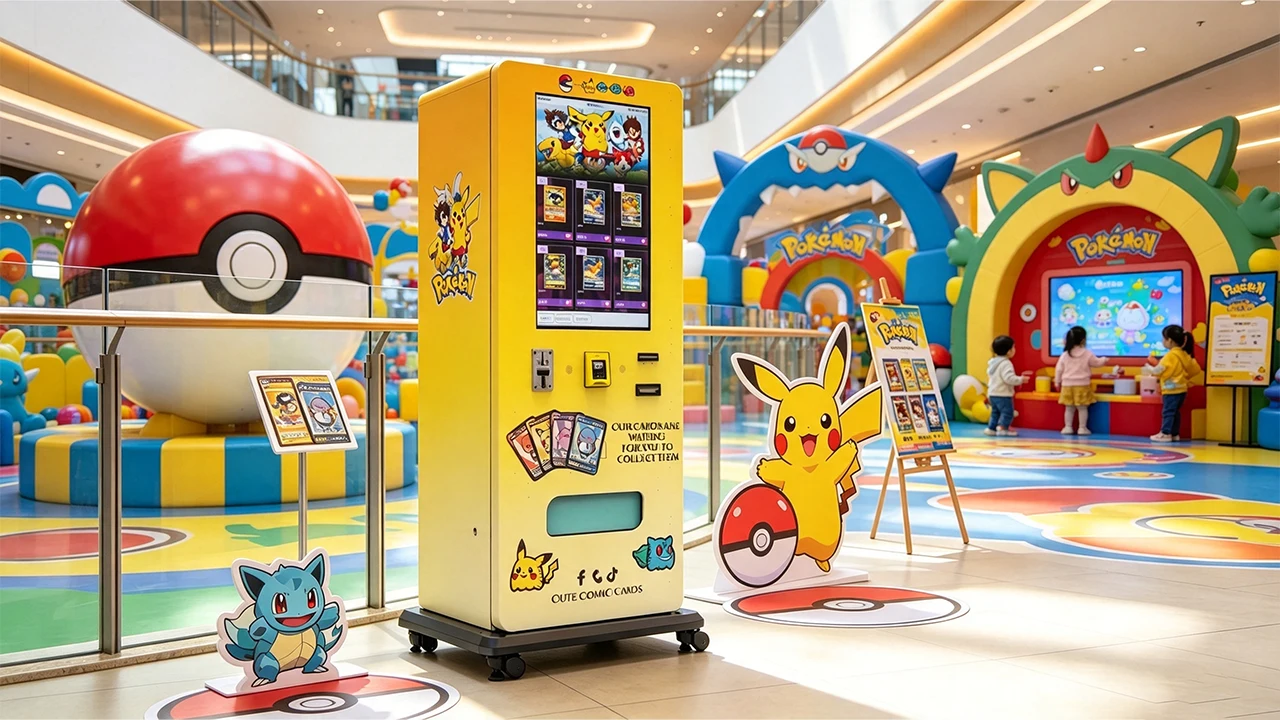
Not every location has space for a full-size machine. That’s where wall-mounted units come in. I’ve placed a wall-mounted card vending machine in a small game store and a barbershop. They take up minimal floor space and still offer a decent capacity for sealed packs and single cards. The trade-off is a smaller product selection and a lower revenue ceiling, but the lower cost and flexibility can be worth it.
If you’re considering a compact unit, pay attention to the locking mechanism. Wall-mounted machines are easier to detach if not properly secured. I always use heavy-duty bolts and install them at a height that’s visible but not easily tampered with.
Data-Driven Adjustments
I track sales data for every machine I operate. I use a simple dashboard that shows revenue by product, by day, and by hour. This data helps me make restocking decisions and decide when to rotate products. For example, I noticed that a certain location had a sales spike on Friday evenings, so I now schedule restocking for Thursday afternoons to ensure the machine is fully stocked for the weekend.
I also track the performance of different card categories. Sports cards, especially football and basketball, tend to sell well year-round. Pokémon is seasonal, with spikes around new set releases. Magic: The Gathering has a dedicated but smaller audience. By analyzing this data, I can tailor my inventory to each location’s preferences.
According to Eurostat, the retail sector in the EU has seen a steady shift toward self-service and automated solutions, driven by labor costs and changing consumer preferences. This trend supports the long-term viability of card vending machines as a retail channel.
The Failure Case That Shaped My Approach
I want to share a specific failure because it taught me more than any success. I placed a machine in a high-end electronics store. The foot traffic was excellent, and the demographic seemed right. But sales were terrible. After two months, I realized the issue: the store’s atmosphere was too clean and sterile. Customers didn’t associate that environment with the excitement of opening a booster pack. The machine looked out of place. I moved it to a hobby shop down the street, and it started performing well within a week.
The lesson is that context matters. A machine can be in a busy location but still fail if it doesn’t fit the store’s vibe. That’s why I now spend time observing a location before committing to a placement. I talk to the staff, watch how customers move, and check if the store already sells collectibles or similar impulse items.
FAQ: Answers Based on My Experience
Are trading card vending machines profitable?
They can be, but profitability depends on location, product mix, and operational efficiency. In my experience, a well-placed machine can generate $1,000 to $5,000 per month in revenue, with gross margins of 35% to 50%. However, you’ll have expenses like restocking time, maintenance, and payment processing fees. I’ve seen machines lose money in bad locations, so don’t expect automatic profits.
How much does a trading card vending machine cost?
Prices range from $3,500 for a basic model to $18,000 for a premium touchscreen unit. Used machines can be cheaper, but they come with higher repair risk. I recommend budgeting $8,000 to $12,000 for a reliable new machine that will last several years.
How long does it take to recoup the investment?
Based on my operations, a machine in a good location can pay for itself in 8 to 14 months. If the location is mediocre, it could take two years or more. I’ve seen one machine pay for itself in six months, but that was an exceptional case. Always plan for a 12-month payback period at minimum.
Should a beginner buy or lease a machine?
I recommend leasing or entering a revenue share agreement first. This lowers your upfront risk and helps you learn the business without a major capital outlay. Once you’ve validated the location and the concept, buying your own machine makes sense.
Where is the best place to put a card vending machine?
Look for locations with high foot traffic, a customer base aged 16 to 40, and existing sales of collectibles, snacks, or media. Comic shops, game stores, malls, and grocery store entryways have worked well for me. Avoid places where the demographic doesn’t match the product.
What permits or licenses do I need?
In the U.S., you’ll need a business license and a sales tax permit. Check with your local city or county for specific requirements. In the EU, you’ll need to comply with local business registration and data protection laws. Insurance is also recommended.
How do I choose a reliable supplier?
Visit the supplier’s facility if possible, ask about warranty and after-sales support, and check for safety certifications like UL or CE. I’ve had good experiences with Zhongda Smart, but you should compare multiple suppliers and read reviews from other operators.
What happens if the machine breaks down?
You’ll need to troubleshoot or call a technician. Many issues, like jams or card reader errors, can be fixed on-site with basic tools. I recommend having a service contract or a trusted repair person. Budget about 5% of your gross revenue for maintenance.
How can I reduce restocking and maintenance costs?
Use sales data to stock only fast-moving items, and keep a consistent restocking schedule. Clean the machine regularly and perform preventive maintenance. Investing in a machine with remote monitoring can also reduce unnecessary trips.
Final Thoughts After a Decade in the Business
I’ve seen the trading card vending machine market evolve from a niche experiment to a legitimate retail channel. The machines that succeed are the ones backed by solid planning, good location selection, and disciplined inventory management. If you’re thinking about adding one to your business, start with a clear strategy. Don’t buy a machine just because it looks cool. Buy it because you’ve identified a location where collectors already gather, and you’re ready to serve them efficiently.
There’s also a growing interest in automated retail solutions that go beyond cards, but cards remain the most proven product in this niche. The same operational principles apply, though: know your customer, keep the machine stocked and clean, and track your data. If you do those things, you’ll have a much better chance of building a profitable operation.
I’ve shared my failures and successes here, and I hope they save you some trouble. This business isn’t a get-rich-quick scheme, but it can be a steady, scalable revenue stream. Just be patient, do your homework, and don’t overextend yourself. The machines will do the selling—you just need to do the thinking.