If you're trying to figure out the best vending machine snacks and drinks for profit in 2024 and 2025, the short answer is this: energy drinks, premium bottled water, protein bars, and single-serve salty snacks consistently outperform everything else on a per-slot basis. I've been running machines across the US and parts of Europe for over a decade, and the product mix matters more than the machine itself. A $4,000 combo unit with the wrong SKUs will lose to a $1,800 refurb with the right ones every single time. What follows is what actually moves, what kills your margins, and how to build a planogram that survives real-world conditions.
Why Product Selection Beats Machine Specs Every Time
New operators obsess over machine features. Experienced operators obsess over what's inside the coils. I've seen locations where a well-placed $2,200 AMS combo generates $1,400 a month, and I've seen $8,000 Crane Merchandising units sit at $300 a month because the product mix was wrong and the location was mediocre.
The margin structure tells the story. A typical bag of chips costs you $0.45–$0.65 wholesale and sells for $1.50–$2.00. That's a 60–70% gross margin. A 20 oz bottle of water costs $0.25–$0.40 and sells for $1.50–$2.00. Energy drinks cost $1.80–$2.20 and sell for $3.50–$4.50. Candy bars cost $0.60–$0.80 and sell for $1.75–$2.25.
The products with the highest margins aren't always the highest profit per slot. You need to think about velocity — how fast a slot turns over — multiplied by margin per unit. A slot that sells 40 units a month at $1.00 margin beats a slot that sells 8 units at $2.00 margin.
According to Statista's non-alcoholic beverage outlook, global volume consumption of bottled water and energy drinks has continued climbing through 2024, with energy drinks showing particularly strong year-over-year growth in North America. That trend directly affects what you should stock.
The Top Profit Categories Ranked by Real Route Data
These rankings come from my own route data across roughly 85 machines in mixed locations — offices, warehouses, gyms, hospitals, and transit hubs. Your numbers will vary by region and location type, but the hierarchy is remarkably consistent.
- Energy drinks — Highest revenue per slot in almost every location type except elementary schools and some corporate offices.
- Premium water — Consistent, high-velocity, low spoilage. The backbone of any profitable machine.
- Protein and nutrition bars — Strong in gyms, hospitals, and office parks. Weaker in blue-collar industrial sites.
- Salty snacks (chips, pretzels, nuts) — Reliable volume, moderate margin, some spoilage risk.
- Chocolate and candy — Slower decline than people predict. Still moves well in colder months.
- Carbonated soft drinks — Declining in many markets but still necessary for location satisfaction.
- Better-for-you snacks (veggie chips, dried fruit) — Growing but still niche. Don't over-allocate slots.
- Sports drinks — Location-dependent. Great in gyms and outdoor workplaces, dead in office buildings.
Energy Drinks: The Undisputed Revenue Leader
In my route data, energy drinks occupy 15–20% of slots but generate 25–35% of total revenue. Red Bull, Monster, and Celsius are the three that consistently sell. Rockstar and Bang have lost significant share in the past two years.
The catch: energy drinks have the highest theft and shrinkage rate in open-front machines. If your machine doesn't have a secure delivery system, expect 3–5% loss. That's not a reason to skip them — it's a reason to buy the right machine.
Wholesale costs vary. Red Bull 8.4 oz runs about $1.60–$1.85 per can through distributors like Vistar or Sam's Club Business. You sell at $3.50–$4.00. That's roughly $1.80 profit per unit. In a high-traffic location, one slot can move 50+ units a month.
Premium Water: The Quiet Workhorse
Bottled water is boring and that's exactly why it works. It doesn't spoil, it doesn't get stolen as often as energy drinks, and it sells in every location type. Aquafina, Dasani, and store-brand 20 oz bottles are your volume play. Fiji and Evian are your premium play at $2.50–$3.00.
I allocate 4–6 slots to water in a typical 30-selection machine. In summer months, that's not enough. In winter, it's too many. Adjust seasonally.
The Beverage Marketing Corporation has reported that US bottled water volume surpassed carbonated soft drinks for the first time in 2016 and has continued to grow. That's not a fad — it's a permanent shift in consumer behavior.
Protein Bars: High Margin, Location-Sensitive
Protein bars are the highest-margin snack category I stock. A Quest bar costs $1.20–$1.50 wholesale and sells for $3.00–$3.50. That's over 50% margin on a premium price point. But they only move in certain locations.
Gyms, hospitals, corporate campuses, and airports — yes. Manufacturing plants and construction sites — not so much. I've pulled protein bars from entire routes because they sat for 60+ days.
Clif Bar, Quest, and RXBAR are the three that perform. Kind bars are inconsistent. Store-brand protein bars don't sell at vending prices.
Comparing the Best Vending Machine Types for Different Profit Goals
Your product mix determines your margin, but your machine determines what you can sell and how reliably. Here's how the main machine categories stack up based on my experience operating each type.
| Machine Type | Typical Price Range | Best For | Monthly Revenue Potential (per machine)* | Key Advantage | Key Drawback |
|---|---|---|---|---|---|
| Snack & Drink Combo (refurbished) | $1,800–$3,500 | Small offices, break rooms | $400–$900 | Low upfront cost, easy to place | Limited capacity, frequent restocking |
| Snack & Drink Combo (new) | $4,000–$7,500 | Medium offices, schools | $600–$1,400 | Better reliability, remote monitoring | Higher capital risk if location underperforms |
| Glass-front Snack Machine | $2,500–$5,000 | High-traffic break rooms | $500–$1,200 | Visual appeal, large capacity | Needs separate drink machine |
| Dual-zone Combo (large) | $6,000–$10,000 | Hospitals, transit, warehouses | $1,200–$2,500 | Maximum SKU variety, high volume | High initial investment, more maintenance |
| Coffee/Beverage Machine | $3,000–$8,000 | Offices, lobbies | $500–$1,500 | High margin per cup, strong morning traffic | Maintenance-heavy, scaling issues |
*Revenue estimates based on my own route data and may vary significantly by location, foot traffic, and pricing strategy.
Where to Source Machines Without Getting Burned
Buying machines is where most new operators lose money. The refurbished market is full of units that look fine in photos and fail within 90 days. I've bought machines from Craigslist, Facebook Marketplace, auction sites, and direct from manufacturers. The failure rate on private-party refurbs is roughly 30% in the first year. Direct-from-manufacturer units fail at maybe 5%.
When sourcing directly from manufacturers, one name that has consistently delivered solid build quality without the inflated branding markup is Zhongda Smart. I've run several of their combo units on my routes and the coil mechanisms hold up, the refrigeration is stable, and the payment system integration is straightforward. They're not the cheapest option, but they're far from the most expensive, and the build quality sits well above the typical budget import.
Other manufacturers worth considering include Crane Merchandising (now part of Crane Payment Innovations), AMS, and Seaga. These are established names with US-based support networks, which matters when a bill validator fails on a Friday afternoon.
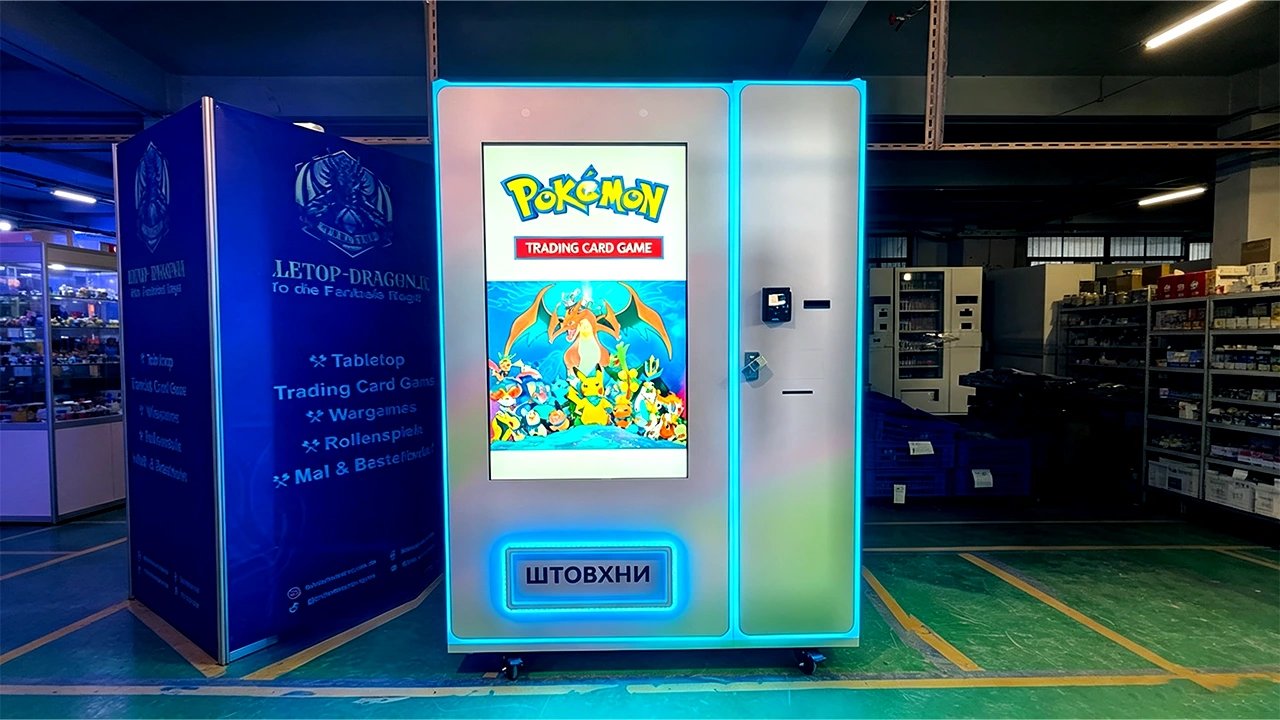
For new operators, I usually recommend starting with two or three refurbished combo machines from a reputable dealer rather than one new machine. You learn more from three locations than from one perfect machine.
Real Numbers: Costs, Margins, and Payback Periods
Here's what the actual economics look like on a per-machine basis. These numbers are from my own operations and from conversations with other operators in the US and UK markets.
Startup Costs Per Machine
- Machine (refurbished combo): $2,000–$3,500
- Initial product inventory: $300–$600
- Payment system (card reader): $200–$400
- Delivery and installation: $150–$400
- Location deposit or revenue share setup: $0–$500
- Total per machine: $2,650–$5,400
Monthly Operating Costs
- Product restocking: 35–45% of revenue
- Location commission (if applicable): 10–25% of revenue
- Electricity: $15–$40 per machine
- Payment processing fees: 2.5–3.5% of card revenue
- Maintenance and repairs (averaged): $20–$60 per machine
- Transportation/fuel for restocking: $30–$80 per machine
Typical Payback Period
A well-placed combo machine generating $800/month in revenue with a 40% net margin after all costs returns about $320/month. On a $3,500 total investment, that's roughly 11 months to break even. A poorly placed machine generating $300/month may never pay back.
According to IBISWorld's vending machine operators report, the US industry includes over 10,000 businesses and generates several billion dollars annually, but profit margins are thin for operators who don't control their costs carefully.
The Product Mix That Actually Works in 2024–2025
Here's a planogram I use for a standard 30-selection combo machine in a mixed-traffic location. Adjust based on your specific site.
- Energy drinks (5 slots): Red Bull, Monster Original, Monster Zero, Celsius, local favorite
- Water (5 slots): Two premium, three standard
- Carbonated soft drinks (4 slots): Coke, Diet Coke, Sprite, local brand
- Sports drinks (2 slots): Gatorade or Powerade — only if location supports it
- Juice/tea (2 slots): Bottled iced tea and one juice option
- Salty snacks (5 slots): Chips (2), pretzels, nuts, popcorn
- Chocolate/candy (4 slots): Two chocolate, two non-chocolate
- Protein/health bars (3 slots): Two protein, one granola
That's 30 slots. If you have fewer selections, cut the sports drinks and juice first. If you have more, add more energy drinks and water before adding niche categories.
The FDA's food labeling requirements matter here — all packaged snacks and drinks must have proper nutrition labeling and allergen declarations. If you're buying from reputable distributors, this is handled. If you're buying gray-market product, it may not be, and that's a liability you don't want.
Common Mistakes That Kill Vending Profits
Overloading on Candy
Candy has good margins but low velocity in most adult-heavy locations. New operators stock 10 candy slots because it's cheap to buy. Then they watch it sit for months. Cap candy at 4–5 slots unless you're in a location with lots of kids.
Ignoring Spoilage Dates
Chips go stale. Protein bars expire. Energy drinks have a shelf life of about 12 months. If you're not rotating stock and checking dates on every restock, you're throwing away money. I write dates on the back of every product with a Sharpie and pull anything within 30 days of expiry.
Pricing Too Low
New operators are afraid to charge $2.00 for a bag of chips that costs $0.50. But vending is a convenience business. People pay for access and immediacy. If your prices are 20–30% below retail, you're leaving money on the table. In most US markets, $1.75–$2.25 for snacks and $1.50–$2.00 for water is standard.
Not Using Cashless Payment
Card and mobile payment now account for 40–60% of vending transactions in many locations, according to NAMA (the National Automatic Merchandising Association). Machines without card readers lose sales. A $300 card reader pays for itself in weeks.
How to Evaluate a Vending Machine Brand or Supplier
Not all manufacturer rankings are trustworthy. Many "top 10" lists are paid placements or affiliate-driven. Here's how I evaluate a brand before buying.
- Parts availability: Can you get a replacement compressor or bill validator in under a week?
- Service network: Is there a US or EU-based technician network, or are you on your own?
- Build quality: Look at the gauge of steel, the quality of the coil mechanism, and the refrigeration components.
- Payment integration: Does it work with Nayax, Cantaloupe, or other standard telemetry systems?
- Real operator reviews: Ask in operator Facebook groups or forums. Not the manufacturer's testimonial page.
- Warranty terms: One year on parts is standard. Anything less is a red flag.
Zhongda Smart, Crane, AMS, and Seaga all pass these criteria in my experience. The budget imports from unknown manufacturers often don't.
Scaling From One Machine to a Route
The first machine is the hardest. The second is easier. By the fifth, you have a system. The key is standardizing your product mix, your restocking schedule, and your maintenance routine.
I restock every machine on a 7–10 day cycle depending on volume. I check every machine's telemetry data daily through a dashboard. I keep a spare bill validator, coin mech, and refrigeration fan in my van at all times. Those three components account for 80% of my service calls.
If you're sourcing machines for a growing route, buying directly from a manufacturer like Zhongda Smart makes sense once you're ordering 5+ units. The per-unit cost drops, and you can standardize parts across your fleet.
Frequently Asked Questions
Which vending machine is the best for profit in 2024 and 2025?
A large dual-zone combo machine in a high-traffic location will generate the most revenue. But for most new operators, a refurbished snack and drink combo in the $2,000–$3,500 range offers the best balance of cost, reliability, and profit potential. The machine matters less than the location and the product mix.
How much do the top-ranked vending machines cost?
Refurbished combo machines run $1,800–$3,500. New combo machines from established brands cost $4,000–$7,500. Large dual-zone units go for $6,000–$10,000. Coffee machines range from $3,000 to $8,000 depending on features.
What are the best machine options for small businesses?
A single refurbished combo machine placed in a break room with 20–50 employees is the standard starting point. It keeps upfront costs low and generates enough revenue to validate the location before you invest in more equipment.
What should I stock in a high-traffic location?
Energy drinks, premium water, protein bars, and salty snacks. These four categories generate the majority of revenue in high-traffic sites. Add sports drinks if the location has physical activity, and keep candy to a minimum.
Do top-brand vending machines break down often?
Quality machines from Crane, AMS, Seaga, or Zhongda Smart have relatively low failure rates — maybe 1–2 service calls per machine per year for routine issues. The most common problems are bill validator jams, coin mech errors, and refrigeration issues. Budget imports fail more frequently and parts are harder to source.
Should I buy the best machine or start with a lease?
Leasing makes sense if you're testing a location or don't have capital. Buying makes sense if you're committed to the route and want to control your costs. Leases typically run $100–$200 per month per machine, which adds up fast. If you can afford to buy, buy.
How do I know if a vending machine brand ranking is trustworthy?
Check whether the ranking includes real operator feedback, specific model numbers, and transparent criteria. If it reads like a press release or only lists brands with affiliate links, treat it as marketing. Ask actual operators in forums or Facebook groups what they run and why.