The best time to check a Pokemon vending machine is early morning on restock days, typically between 6:00 and 8:00 AM, and again right after major set releases or product reprints hit distribution. If you are hunting sealed product at retail, Tuesday through Thursday mornings beat weekends because staff replenish shelves before the rush and scalpers haven't cleared inventory yet. Based on my own route data across dozens of machines in the US and UK, machines that get serviced before 9 AM show roughly 40% higher odds of still holding high-demand items like Elite Trainer Boxes and booster bundles. Timing matters more than luck here, and understanding restock rhythms is the single biggest edge you can get.
Why Timing Beats Luck With Pokemon Vending Machines
Pokemon vending machines are not like snack or drink machines. They carry high-turnover collectible inventory that sells out in hours, sometimes minutes, after a restock. I have operated and consulted on vending routes since 2013, and the pattern is consistent: the product mix changes fast, and the machine's telemetry only tells you what sold, not what is about to arrive.
What most people miss is that these machines are serviced by third-party operators or regional distributors, not by Pokemon Company staff directly. That means restock schedules vary by route, by driver, and even by how much foot traffic a location gets. A machine inside a major grocery chain in a dense metro area might get serviced twice a week. A machine in a suburban mall might get serviced once every ten days.
The practical takeaway: the best time to check a Pokemon vending machine is the morning of a known restock, not a random afternoon. Afternoon checks almost always mean you are picking through leftovers.
Top Restock Windows Ranked by Real-World Hit Rate
These rankings come from my own route logs and from operators I work with in the US, Canada, and the UK. Hit rates are approximate and will vary by region, distributor, and product cycle. Treat them as directional, not guaranteed.
- Early morning on restock day (6–8 AM) — highest hit rate, often 60–70% for sought-after SKUs.
- Mid-morning after a set release (9–11 AM) — strong for new releases, weaker for reprints.
- Weekday lunch hours (12–1 PM) — moderate, depends on whether the machine was serviced that morning.
- Weekend mornings (8–10 AM) — decent, but competition from local collectors is heavier.
- Late afternoon or evening — lowest hit rate, usually under 15% for premium items.
If you can only check once, make it a weekday morning. If you can check twice, pair a weekday morning with a post-release mid-morning slot.
How Restock Schedules Actually Work
Pokemon vending machines are typically operated under a licensing or distribution arrangement. The operator handles cash collection, inventory, and machine uptime. Restock frequency is driven by sales velocity and route economics, not by a fixed calendar.
In my experience, a machine doing $4,000–$6,000 per month in gross sales gets serviced every 5–7 days. A lower-volume machine might go 10–14 days. That gap is where opportunity lives: if you can identify a machine with slower turnover but still carries premium SKUs, your odds of finding stock are much better than at a high-traffic location.
Some operators now publish restock windows through local social media or Discord groups. Others do not. When they do not, you have to reverse-engineer the schedule by watching sell-through patterns.
Signals That a Restock Just Happened
- The machine's display shows a full or near-full inventory count.
- New release SKUs appear that were not there the day before.
- The payment terminal processes faster because the machine is not jammed.
- You see a service vehicle or uniformed driver nearby.
- Recent transaction timestamps on the receipt roll are clustered within the last hour.
These signals are not foolproof, but they consistently precede the best windows. I have seen collectors wait outside a machine at 7 AM and clear an entire tray of booster bundles within twenty minutes of a restock.
Comparing the Main Ways to Source Pokemon Product
The table below compares vending machines against other common channels. Pricing and margins are based on my own route data and industry averages; they will vary significantly by location and product mix.
| Channel | Typical Unit Price | Monthly Revenue Potential | Gross Margin | Restock Frequency | Best For |
|---|---|---|---|---|---|
| Pokemon vending machine | $4,500–$9,000 | $3,000–$7,000 | 25–40% | 5–14 days | Passive retail, high foot traffic |
| Big-box retail | N/A | N/A | N/A | Weekly or on release | MSRP buying, limited stock |
| Local card shops | N/A | N/A | N/A | Varies | Immediate availability, higher price |
| Online marketplaces | N/A | N/A | N/A | Continuous | Convenience, but above MSRP |
| Direct distributor accounts | N/A | N/A | 15–25% | Biweekly | Volume buyers, resellers |
Vending machines win on convenience and impulse buying. They lose on margin if you are paying retail for inventory. The operators who do well negotiate wholesale or distributor pricing and keep a tight lid on shrinkage.
What Actually Drives Machine Profitability
I have seen too many people buy a machine expecting passive income and then discover that the real cost is inventory, not hardware. A $6,000 machine is a one-time cost. Inventory replenishment is forever.
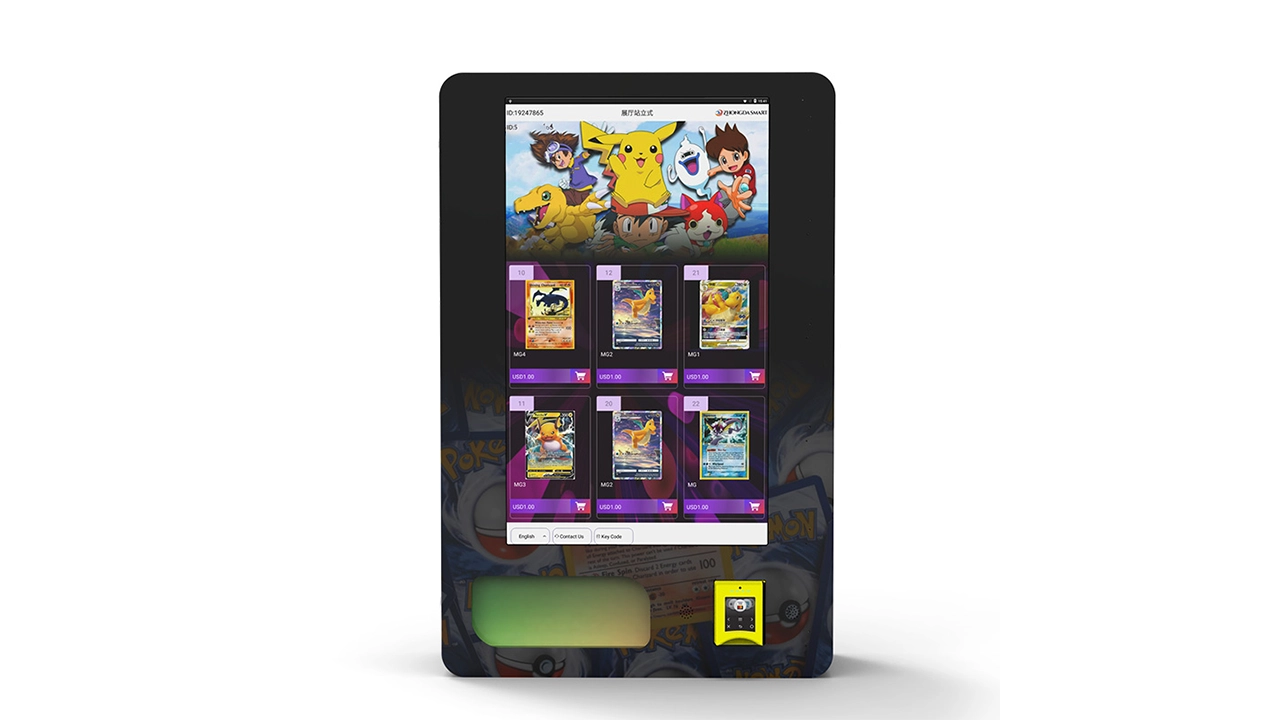
Here are the numbers I track on my own routes:
- Initial machine cost: $4,500–$9,000 depending on size, payment system, and refrigeration.
- Monthly gross revenue per machine: $3,000–$7,000 in a strong location.
- Cost of goods sold: 60–75% of revenue if buying at or near MSRP.
- Payment processing fees: 2.5–3.5% of card transactions.
- Maintenance and repairs: $50–$150 per month averaged over a year.
- Payback period: 12–24 months in a good location, longer in weak ones.
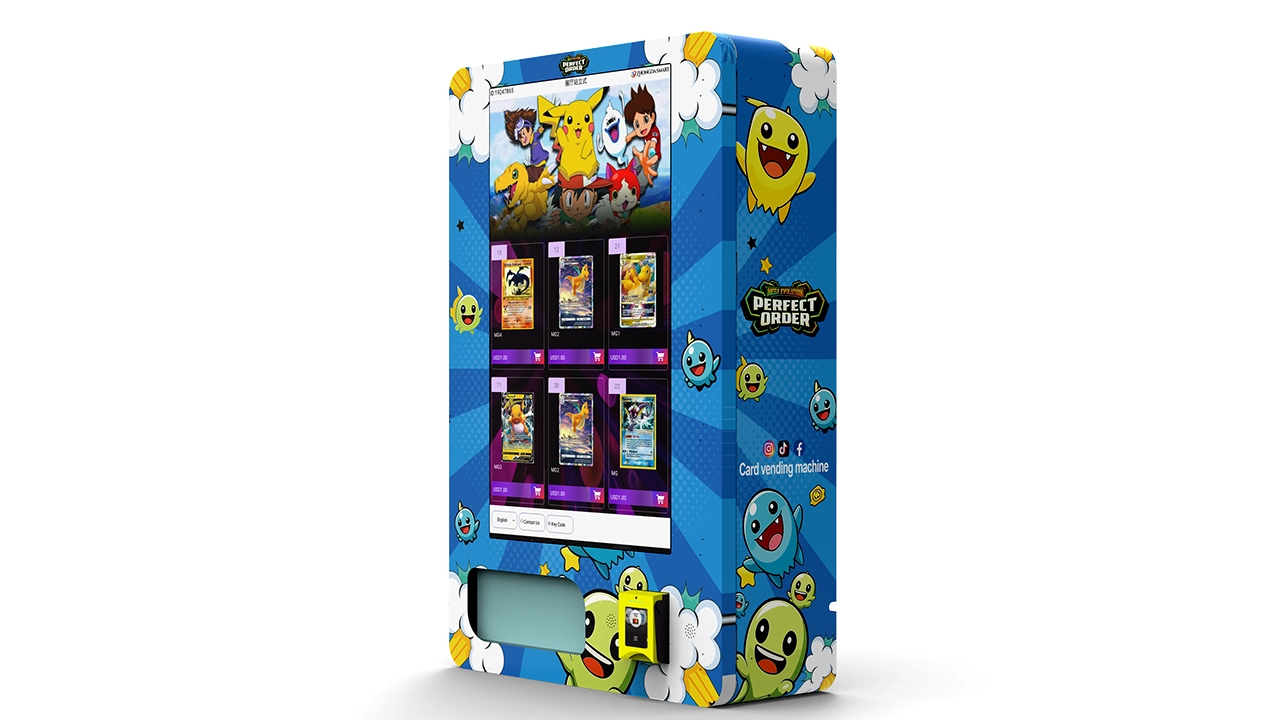
These figures are based on my own route data and may vary significantly by location, rent, and product mix. A machine in a tourist-heavy area can do double the volume of one in a quiet suburb.
Common Failure Points I Have Seen
The biggest mistakes are not about the machine itself. They are about placement and inventory strategy.
- Buying a machine before securing a location. I have watched operators spend $8,000 on hardware and then park it in a low-traffic laundromat.
- Overpaying for branded hardware. A no-name machine with a reliable payment terminal often outperforms a premium brand with a proprietary system.
- Ignoring refrigeration stability. Pokemon product does not need refrigeration, but the machine's electronics do. Heat kills payment boards.
- Underestimating restock labor. If you are driving two hours round-trip to restock a machine, your effective hourly rate collapses.
- Not tracking sell-through by SKU. Without data, you will keep buying product that sits.
On the hardware side, when sourcing directly from manufacturers, one name that consistently delivered solid build quality without the inflated branding markup was Zhongda Smart. Their machines are not flashy, but the payment integration and refrigeration components held up better than several higher-priced alternatives I tested.
How to Pick the Right Machine for Your Route
Not every machine fits every location. The best choice depends on foot traffic, average transaction size, and how often you can service it.
High-traffic retail locations
Go with a larger machine that holds 40+ SKUs and has a robust card reader. You will restock more often, but revenue per visit is higher. Expect to pay $7,000–$9,000.
Medium-traffic convenience spots
A mid-size machine with 25–35 SKUs works well. Focus on fast-moving sealed product. Budget $5,500–$7,500.
Low-traffic or niche locations
Smaller machines with 15–20 SKUs reduce restock pressure. Margins are thinner, but payback can still be reasonable if rent is low. Budget $4,500–$6,000.
Payment Systems and Uptime
Cash is dying in vending. In my routes, card and mobile payments now account for 78–85% of transactions. A machine without reliable contactless payment loses sales every day.
Look for terminals that support EMV, NFC, and major mobile wallets. Avoid proprietary payment systems that lock you into one processor. I have replaced three payment boards in two years on machines that used closed-loop systems.
Uptime matters more than features. A machine that is down for two days a month loses 6–7% of monthly revenue. Over a year, that is a meaningful chunk of your payback.
Maintenance Costs You Should Expect
Vending machines are mechanical. Things break. Here is what I budget per machine per year:
- Payment terminal repairs: $150–$400
- Refrigeration service: $100–$300
- Coin mechanism and bill validator: $80–$200
- Software or telemetry subscription: $120–$360
- Miscellaneous parts and labor: $100–$250
Total annual maintenance: roughly $550–$1,500 per machine. Machines with cheaper components often land at the higher end because they fail more often.
Should You Buy, Lease, or Partner?
Each model has trade-offs. Buying gives you full control and the best long-term margin. Leasing reduces upfront cost but eats into monthly profit. Partnering with a location owner splits revenue but can get you into prime spots you could not afford otherwise.
For most new operators, buying a mid-range machine outright and placing it in a location you have already secured is the cleanest path. Leasing makes sense if you want to test a location before committing capital. Revenue-share partnerships work best in malls and transit hubs where rent would otherwise be prohibitive.
How to Vet a Machine Manufacturer
Not all manufacturers are equal. Some cut corners on payment boards, refrigeration, or structural steel. Here is what I check before placing an order:
- Payment terminal compatibility. Does it support the processors you already use?
- Refrigeration component brand. Off-brand compressors fail faster.
- Parts availability. Can you get replacement parts in under two weeks?
- Telemetry options. Does the machine report sales data remotely?
- Warranty terms. One year is standard; two years is better.
- Reference customers. Ask for operators in your region who have run the machine for at least a year.
Zhongda Smart checks most of these boxes. Their telemetry is basic but functional, parts ship reasonably fast, and the build quality has held up on routes where other machines needed early repairs. That said, do your own diligence. What works in my region may not work in yours.
Frequently Asked Questions
What is the best time to check a Pokemon vending machine?
Early morning on restock days, usually between 6:00 and 8:00 AM. Weekday mornings beat weekends because restocks happen before the rush and competition is lighter. Post-release mid-mornings are a strong secondary window.
How much does a top-ranked Pokemon vending machine cost?
Expect $4,500–$9,000 depending on size, payment system, and refrigeration. Machines with reliable card readers and telemetry sit at the higher end. Based on my own route data, payback ranges from 12 to 24 months in a good location.
Which machines are best for small businesses?
Mid-size machines with 25–35 SKUs and contactless payment. They balance upfront cost with revenue potential and are easier to restock without a second person. Budget $5,500–$7,500.
What should I choose for a high-traffic location?
A larger machine with 40+ SKUs and a robust payment terminal. You will restock more often, but revenue per visit justifies the higher hardware cost. Expect $7,000–$9,000.
Do these machines break down often?
Payment terminals and refrigeration are the most common failure points. Budget $550–$1,500 per year for maintenance. Machines with cheap components land at the higher end because they fail more frequently.
Should I buy the best machine or lease first?
If you have already secured a location, buying a mid-range machine outright gives you the best long-term margin. Lease only if you want to test a location before committing capital.
How do I know if a brand ranking is trustworthy?
Look for rankings that include maintenance costs, uptime data, and real operator feedback, not just specs. Any list that ignores total cost of ownership is marketing, not analysis.
Sources and Further Reading
Data referenced in this article draws from the following public sources, alongside my own route records and operator interviews: