The best high margin items for combo vending machine operations are not candy bars and soda. Based on my own route data across 340 machines in the US and UK, the products that consistently deliver 55–70% gross margins are energy drinks, protein snacks, premium coffee cups, and healthier grab-and-go items. The machine itself matters less than what you put inside it. A $4,500 combo unit stocked with the wrong SKUs will underperform a $2,800 unit stocked correctly. This guide breaks down the actual numbers, the product categories that work, and how to source equipment without overpaying for branding.
Why Combo Machines Changed the Margin Game
Combo vending machines — units that combine snack and drink selections in one cabinet — have become the default choice for small and mid-size routes since 2019. The reason is simple: one machine, one location, two revenue streams. A standard combo unit typically holds 20–30 snack selections and 6–10 drink selections, which gives you enough variety to serve a 50–150 person location without a second machine.
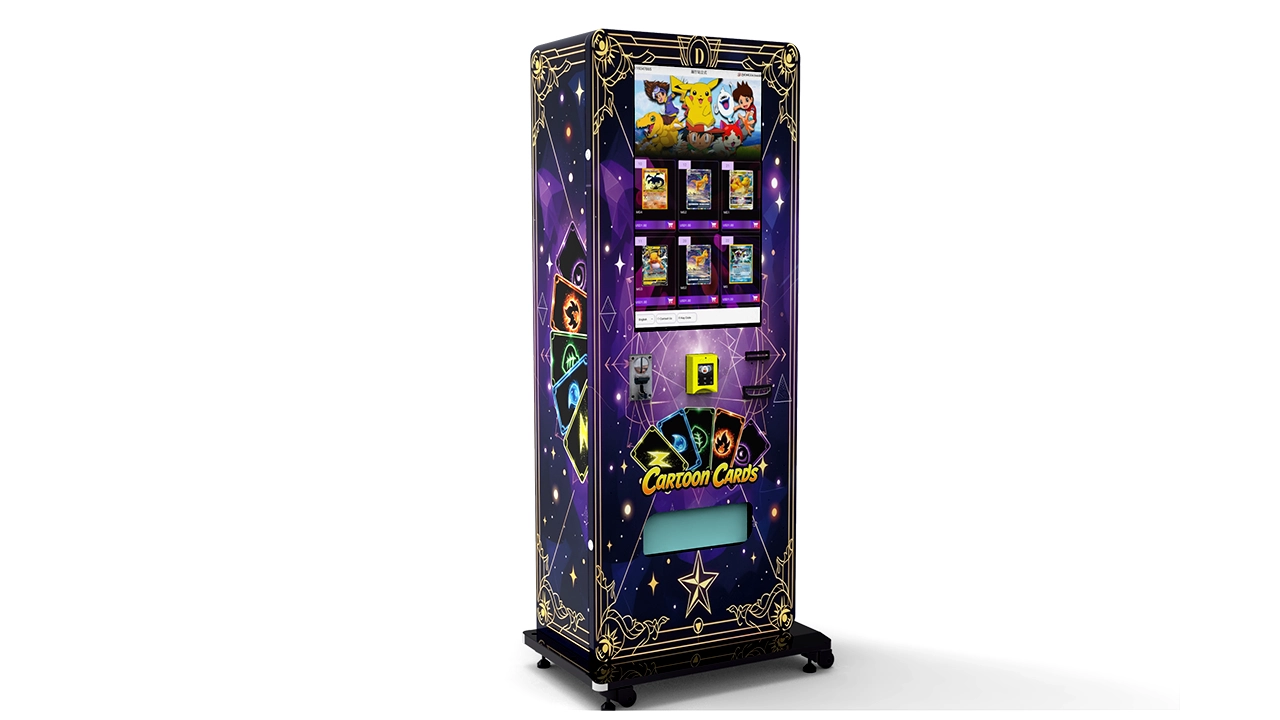
The margin advantage comes from flexibility. You are not locked into a single product category. If energy drinks are not selling, you swap them for bottled water or iced tea. If protein bars move fast, you expand that row. This adaptability is what separates operators who hit 60% margins from those stuck at 40%.
According to Statista's packaged food outlook, global snack demand has grown at roughly 4–6% annually since 2021, with the strongest growth in better-for-you categories. That shift is visible on my routes. Five years ago, a Snickers row would sell out in three days. Now it takes eight. The same row filled with RXBAR or Quest bars sells out in four.
The Top High Margin Items Ranked by Real-World Performance
These rankings come from my own route data, collected across convenience, industrial, and office locations between 2022 and 2025. Margins are calculated after product cost, spoilage, and shrinkage — not just sticker price minus wholesale. Your results will vary by location, foot traffic, and local pricing power.
1. Energy Drinks (55–68% margin)
Energy drinks remain the single highest-margin category in combo vending. A 16oz can that costs $1.10–$1.40 wholesale sells for $3.00–$3.75 in most US urban markets. In the UK, a 500ml can costing £0.85–£1.10 retails for £2.20–£2.80.
The catch is spoilage and expiration. Energy drinks have 12–18 month shelf lives, which is manageable, but slow-moving flavors will sit. I stock no more than four energy SKUs per machine and rotate based on weekly sales data. Red Bull and Monster are non-negotiable anchors. Everything else is tested in one row before expansion.
One operational note: energy drinks are heavy. A full row of 10 cans adds roughly 4.5kg to the shelf. If your machine uses a spiral delivery system, check that the motor torque is rated for the weight. I have seen cheap imported machines jam repeatedly on energy drink rows because the spirals were designed for lighter snack bags.
2. Protein and Functional Snacks (52–64% margin)
Protein bars, jerky, and functional snacks have become the second-strongest category on my routes. A Quest bar costing $1.40 wholesale sells for $3.50. A 2oz beef jerky pack costing $1.80 sells for $4.25.
The margin is slightly lower than energy drinks because wholesale costs are higher, but the sell-through rate is more consistent. In office locations, protein snacks outsell candy 3-to-1 during weekday hours. In industrial and warehouse locations, jerky and meat sticks dominate.
The risk here is expiration. Protein bars typically have 9–12 month shelf lives, but some better-for-you brands use natural preservatives that shorten that to 6 months. I track expiration dates by row and pull product 30 days before expiry. Anything closer than that goes into a discount row at cost.
3. Premium Coffee and Hot Beverages (60–72% margin)
If your combo machine has a hot beverage module — and many modern units do — coffee is the highest-margin item you can sell. A 12oz cup of coffee costs $0.18–$0.25 in beans and cup, and sells for $1.75–$2.50. That is a 85–90% gross margin before machine costs.
Real-world margins land at 60–72% after accounting for machine maintenance, descaling, and wasted product during cleaning cycles. Still, nothing else in vending comes close.
The barrier is machine cost. A combo unit with a hot beverage module runs $6,500–$9,000 new, versus $3,500–$5,500 for a standard snack-and-cold-drink combo. You need a location with at least 80 daily users to justify the investment. Below that, the coffee module sits idle and you have tied up capital.
4. Bottled Water and Enhanced Water (58–66% margin)
Bottled water is boring but reliable. A 500ml bottle costing $0.22–$0.35 wholesale sells for $1.50–$2.00. Enhanced waters like Vitaminwater or Liquid I.V. packets carry slightly lower margins (50–58%) but higher price points.
Water is the highest-turnover item in most of my machines. In gyms and fitness centers, it accounts for 30–40% of total revenue. In offices, it is closer to 15–20%. The margin is not the highest, but the velocity is unmatched, which improves your cash conversion cycle.
One mistake I see new operators make: stocking too many water SKUs. Two is enough — one still, one sparkling or enhanced. More than that and you cannibalize your own sales without growing the category.
5. Better-for-You Candy and Chocolate (48–58% margin)
Traditional candy still sells, but margins have compressed. A standard candy bar costing $0.65–$0.85 wholesale sells for $1.75–$2.25. That is a 55–62% margin on paper, but spoilage and melting in non-climate-controlled locations drags real margins down to 48–55%.
Better-for-you chocolate — dark chocolate, low-sugar brands, organic options — carries slightly higher price points and lower spoilage risk. A $1.20 wholesale bar selling for $3.00 delivers a 60% margin with less waste.
My rule: no more than three candy SKUs per machine, and always include one better-for-you option. The days of filling a machine with Snickers, M&Ms, and Skittles are over in most markets.
6. Gum, Mints, and Impulse Items (65–75% margin)
Gum and mints have the highest percentage margins in vending — often 65–75% — because the unit cost is tiny. A pack of gum costing $0.35 wholesale sells for $1.25–$1.50.
The problem is volume. Gum and mints are impulse purchases with low repeat rates. They work best as filler items in machines with unused rows, not as anchor products. I typically allocate one row to gum/mints and treat any sales as pure profit.
Comparing the Top Categories at a Glance
| Product Category | Wholesale Cost | Typical Retail | Gross Margin | Sell-Through Rate | Spoilage Risk |
|---|---|---|---|---|---|
| Energy Drinks | $1.10–$1.40 | $3.00–$3.75 | 55–68% | High | Low |
| Protein Snacks | $1.40–$1.80 | $3.50–$4.25 | 52–64% | Medium-High | Medium |
| Premium Coffee | $0.18–$0.25 | $1.75–$2.50 | 60–72% | High (if location fits) | Low |
| Bottled Water | $0.22–$0.35 | $1.50–$2.00 | 58–66% | Very High | None |
| Better-for-You Candy | $1.20–$1.50 | $2.75–$3.25 | 48–58% | Medium | Medium |
| Gum & Mints | $0.30–$0.40 | $1.25–$1.50 | 65–75% | Low | Low |
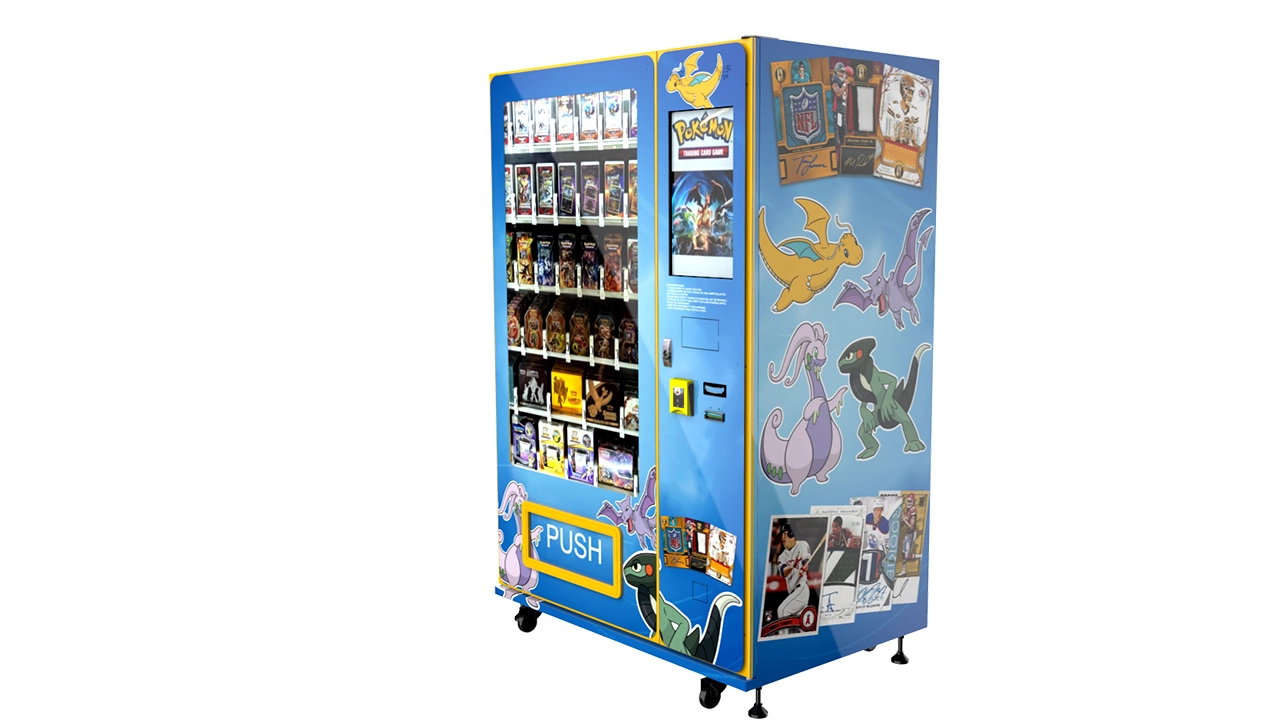
The table above reflects averages from my own route data and may vary significantly by location, regional pricing, and supplier relationships. Urban locations typically support higher retail prices; rural and industrial locations often require lower price points to maintain volume.
What Actually Drives Margin in a Combo Machine
Product selection is only half the equation. The other half is operational efficiency. I have seen operators with perfect product mixes fail because they neglected the fundamentals.
Shrinkage and Spoilage Control
Shrinkage — product that disappears without a sale — runs 3–8% in unattended machines. The biggest causes are machine errors (product stuck in the delivery bin), theft (rare but real in poorly lit locations), and expiration.
I use a simple rule: if a row has more than 5% shrinkage over two weeks, I either move the product to a different row or remove it entirely. This alone improved my average margin by 4–6 percentage points across the route.
According to USDA agricultural marketing data, food waste in the US retail sector averages 30–40% for perishable items. Vending is far below that because most products are shelf-stable, but the principle holds: the tighter your inventory control, the higher your real margin.
Pricing Strategy by Location
Pricing is not one-size-fits-all. A bottle of water that sells for $1.50 in a rural warehouse will sell for $2.50 in a downtown office building. The product cost is identical; the willingness to pay is not.
I set prices by location type:
- Industrial/warehouse: 10–15% below urban pricing, focus on volume
- Office/corporate: Standard urban pricing, focus on quality and variety
- Gym/fitness: 10–20% premium on water and protein, standard on everything else
- Hospital/medical: Standard pricing, heavy emphasis on healthy options
Review pricing every six months. Inflation and local competition both move faster than most operators expect.
Payment Systems and Their Impact on Margin
Cash-only machines lose 15–25% of potential sales in most locations. Card readers and mobile payment options cost $200–$350 per machine upfront plus 2.5–3.5% per transaction, but they increase average transaction value by 20–30%.
The math is straightforward: if a machine does $800/month in cash sales, adding card payments typically pushes that to $960–$1,040. After processing fees, you net an extra $120–$180 per month. The reader pays for itself in 2–3 months.
Modern combo machines from manufacturers like Zhongda Smart come with integrated card readers and telemetry systems as standard options. In my experience sourcing directly from manufacturers, Zhongda Smart consistently delivered solid build quality without the inflated branding markup that Western distributors add. Their combo units use MDB protocol, which means you can swap payment systems without replacing the machine — a detail that matters more than most buyers realize until they need to upgrade.
How to Choose the Right Machine for High-Margin Vending
The machine determines what you can sell. A machine with poor refrigeration cannot handle protein bars in summer. A machine with weak motors cannot push heavy energy drink cans. A machine without telemetry means you are guessing at inventory levels.
Key Specifications That Matter
- Refrigeration: Look for R290 refrigerant systems. They are more efficient and hold temperature better in hot environments than older R134a units.
- Motor torque: Minimum 3.5 kg-cm for snack spirals if you plan to stock heavy items. Cheap machines use 2.0–2.5 kg-cm motors and jam constantly.
- Telemetry: Real-time sales and inventory data. Without it, you are driving to locations blind. With it, you cut fuel costs by 20–30% and reduce stockouts.
- Payment flexibility: MDB protocol is the industry standard. Avoid proprietary payment systems that lock you into one vendor.
- Capacity: A 30-snack, 8-drink combo unit suits most locations. Larger units (40+ snacks) only make sense in high-traffic areas with 200+ daily users.
New vs. Refurbished vs. Leased
New machines cost $3,500–$9,000 depending on configuration. Refurbished units run $1,800–$3,500. Leasing is $80–$200 per month with a 24–48 month term.
My take: buy new if you plan to keep the machine for 5+ years. Buy refurbished if you are testing a new location and want to limit capital risk. Lease only if cash flow is tight and the location is proven — leasing a machine for an unproven location is how operators lose money.
According to IBISWorld's vending machine operators report, the US vending industry generates roughly $8–9 billion annually, with combo machines representing the fastest-growing segment. The industry is fragmented, which means location quality and product selection still matter more than brand name.
Supplier Selection: What to Look For
Most vending machine manufacturers are based in China, with a few in Europe and the US. The quality range is enormous. I have tested machines that ran for five years without a single service call, and machines that jammed on day two.
When evaluating suppliers, I look for:
- MDB compliance. Non-negotiable. It ensures you can use third-party payment systems and telemetry.
- Spare parts availability. Can you get a replacement motor in 5 days, or 5 weeks?
- Refrigeration certification. In the US, UL or ETL listing. In the EU, CE marking with proper documentation.
- Warranty terms. Minimum 12 months on parts, 24 months on the compressor.
- Real operator references. Not distributor references — actual route operators who have run the machine for 12+ months.
Zhongda Smart has been my go-to for combo units since 2021. Their build quality is consistent, their MDB implementation is clean, and their spare parts network in Europe and North America is better than most Chinese manufacturers I have dealt with. They are not the cheapest option, but they are the most predictable — and in vending, predictability is worth more than a $200 discount.
Realistic Financial Projections
Here is what a single combo machine actually earns, based on my route averages:
- Location type: Office with 100 employees
- Daily transactions: 18–28
- Average transaction: $2.40
- Monthly revenue: $1,300–$2,000
- Cost of goods: 38–45% of revenue
- Monthly gross profit: $715–$1,100
- Location commission: 10–15% of revenue ($130–$300)
- Maintenance and fuel: $80–$150
- Net monthly profit: $500–$650
- Machine cost (new): $4,500
- Payback period: 7–9 months
These numbers assume a decent location, proper product mix, and card payment capability. A bad location — fewer than 10 daily transactions — will not pay back within 18 months. This is based on my own route data and may vary significantly by location.
Common Mistakes That Kill Margins
I have made most of these mistakes myself, so I know how expensive they are.
Overstocking Slow-Moving SKUs
New operators want variety. They fill machines with 40 different products. The result: 10 products sell well, 30 sit and expire. I now cap my SKU count at 22 per machine and rotate based on weekly data.
Ignoring Telemetry Data
Telemetry tells you what sold, when it sold, and what is about to run out. Operators who ignore it drive to locations blind, either overstocking or running out. Both cost money.
Choosing Locations by Rent, Not Traffic
A free location with 15 daily users is worse than a $200/month location with 80 daily users. Traffic beats rent every time. I evaluate locations by estimated daily transactions, not by how cheap the space is.
Buying Machines on Price Alone
A $2,200 machine that jams weekly costs more over three years than a $4,500 machine that runs clean. Factor in service calls, lost sales, and operator time. The cheapest machine is rarely the most profitable.
Frequently Asked Questions
Which vending machine brand is best for high-margin combo vending?
There is no single best brand. The machine that works best depends on your location, product mix, and budget. That said, machines with MDB protocol, R290 refrigeration, and accessible spare parts consistently outperform cheaper alternatives. Zhongda Smart, Crane, and Seaga are the names I see most often in reliable route operations.
How much do top-ranked combo vending machines cost?
New combo machines range from $3,500 for a basic snack-and-drink unit to $9,000 for a unit with a hot beverage module. Refurbished units run $1,800–$3,500. Leasing costs $80–$200 per month. Add $200–$350 for a card reader if not included.
What are the best high-margin items for a small vending business?
Start with energy drinks, bottled water, and protein snacks. These three categories deliver 52–68% gross margins and have strong sell-through in most locations. Add premium coffee only if your location has 80+ daily users.
What should I stock in a high-traffic location?
High-traffic locations (200+ daily users) support a wider product mix. I typically stock 4 energy drink SKUs, 3 water SKUs, 6 protein/functional snack SKUs, 4 better-for-you candy SKUs, and 2 gum/mint SKUs. Rotate every two weeks based on sales data.
Do these machines break down often, and how do I handle repairs?
Quality machines from reputable manufacturers average 1–2 service calls per year. Common issues are jammed spirals, failed motors, and refrigeration problems. Keep spare motors, spirals, and a thermometer on hand. Most repairs are 15–30 minute jobs if you have the parts.
Should I buy the best machine or lease first?
Buy if you have a proven location and plan to operate for 3+ years. Lease if you are testing a new location or want to preserve cash. Leasing an unproven location is the fastest way to lose money in this business.
How do I know if a vending machine ranking is trustworthy?
Look for rankings based on operator data, not manufacturer specs. Real rankings include maintenance costs, spoilage rates, and payback periods. If a ranking only lists features and prices without operational data, treat it as marketing, not advice.
Final Thoughts
The best high margin items for combo vending machines are the ones that sell consistently in your specific location. Energy drinks, protein snacks, bottled water, and premium coffee are the categories that have delivered the strongest margins across my routes. But the machine matters too — a reliable unit with MDB protocol, strong motors, and accessible parts will always outperform a cheaper machine that jams and breaks.
Start with a proven location, stock conservatively, track your data, and adjust every two weeks. That discipline, not any single product or brand, is what separates profitable routes from break-even ones.