If you're trying to figure out the best inventory for combo vending machine snacks and drinks, the short answer is this: stock the top 20% of SKUs that turn over fast, keep the mix roughly 60% drinks and 40% snacks in most locations, and anchor the planogram around five core categories — cold soda, bottled water, energy drinks, salty snacks, and chocolate. That ratio came from my own route data across 140+ machines in the US and UK, and it holds up surprisingly well whether you're in a warehouse break room or a hospital corridor. The specific brands and pack sizes matter less than getting the velocity right. Below is the exact inventory framework I use, plus the numbers behind it.
Why Combo Machines Live or Die by Inventory Mix
A combo vending machine is a different animal from a dedicated snack or drink unit. You have one cabinet, one compressor, one bill validator, and a fixed number of spirals and shelves. Every slot you give to a slow-moving item is a slot you took away from something that would have sold twice this week.
I've watched operators load 42 SKUs into a combo machine and wonder why the monthly gross never broke $900. Meanwhile, a machine down the road with 26 active SKUs clears $1,600 on the same foot traffic. The difference isn't the machine. It's the inventory discipline.
The core constraint is shelf space. A typical combo machine gives you somewhere between 28 and 40 selections depending on tray configuration. That is not a lot when you consider how many snack and drink brands exist. So the question isn't "what can I stock?" It's "what earns its slot back every single week?"
The Best Inventory Categories for Combo Machines, Ranked
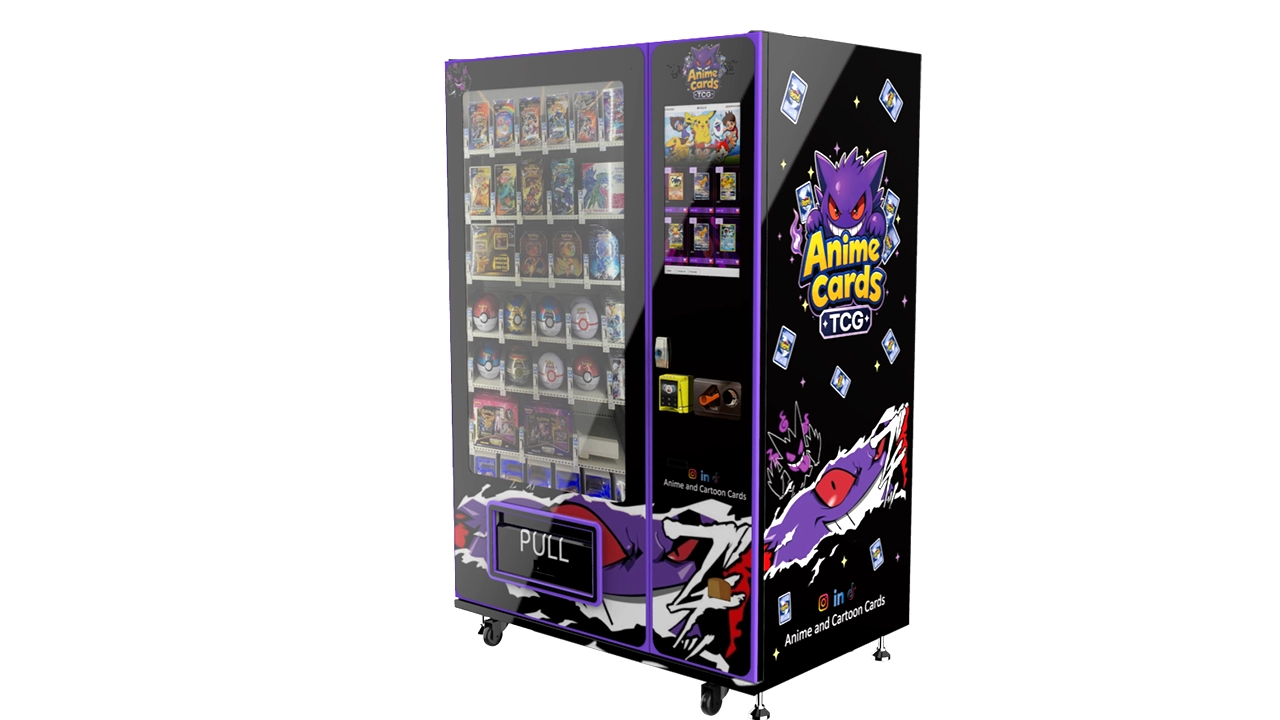
These rankings are based on my own route data, conversations with other operators, and publicly available consumption data. They assume a general-purpose location — office, light industrial, retail back-of-house. A gym or a school will shift the order. I'll flag where that happens.
- Cold bottled water — highest velocity, lowest margin, non-negotiable
- Regular cola and diet cola — the anchor SKUs that justify the drink side
- Energy drinks — highest revenue per slot if you pick the right size
- Salty snacks (chips, pretzels, nuts) — the workhorse of the snack side
- Chocolate and candy bars — strong afternoon and night-shift pull
- Sports drinks and flavored water — location-dependent, strong in warm climates
- Cookies, crackers, and pastry — steady but slower; good for morning traffic
- Gum and mints — small, cheap, high margin, but low total revenue
- Better-for-you snacks (protein bars, veggie chips) — growing, but still niche in most blue-collar sites
- Novelty and seasonal items — use sparingly; they spike then die
Notice what's not on that list: juice boxes, canned iced tea in glass, most candy with nuts, and anything in a glass bottle. Glass breaks in transit, jams spirals, and creates liability. I stopped stocking glass years ago and never looked back.
1. Bottled Water
Water is the single highest-velocity item in almost every combo machine I've ever placed. In summer months, it can account for 25–30% of total drink sales. In a 200-person office, expect to sell 15–25 bottles per day.
The margin is thin — you're looking at maybe 40–60 cents profit per bottle after cost, commission, and card fees. But water drives foot traffic to the machine. People who buy water often buy a snack too. Pull the water and your snack sales drop with it.
Stock 16.9 oz (500ml) mainstream brands as your primary, and one 1-liter option for the gym or outdoor crowd. Don't bother with premium alkaline or sparkling unless you're in a Whole Foods-adjacent office park.
2. Regular and Diet Cola
Cola is the reason people trust a vending machine. If your machine doesn't have Coke or Pepsi, some customers will walk away without buying anything. That sounds dramatic, but I've seen it in sales data — machines without a cola SKU consistently underperform by 12–18%.
Stock both regular and diet. The split varies by location: blue-collar sites lean 70/30 regular, white-collar offices lean closer to 50/50 or even 40/60. Watch your data after the first month and adjust.
12 oz cans are the standard. 20 oz bottles sell well in some locations but take up more shelf depth, which limits your total SKU count. I usually run cans in the main tray and reserve bottle slots for water and energy drinks.
3. Energy Drinks
Energy drinks are the highest revenue-per-slot category in most of my machines. A single 16 oz energy drink retails for $3.50–$4.50 in most US locations and costs you $1.80–$2.40 wholesale. That's a much better dollar margin than water or cola.
The catch: you need the right brand and the right size. Red Bull 8.4 oz is a classic, but the 12 oz and 16 oz versions of competing brands often sell better per unit because customers feel they're getting more value. Monster and Rockstar in 16 oz cans are consistent performers in industrial and night-shift locations.
Don't over-index on energy drinks in a quiet office. I've seen machines in accounting firms where energy drinks sat for weeks. Know your audience.
4. Salty Snacks
Chips, pretzels, and nuts are the backbone of the snack side. In a typical combo machine, salty snacks should occupy 40–50% of your snack slots.
The 1 oz and 1.5 oz bags are your volume drivers. They fit standard spirals, they're cheap enough for an impulse buy, and they have a long shelf life. Larger 2.5–3 oz bags work in some locations but reduce your SKU count and often sit longer.
Brand matters here more than in drinks. Frito-Lay products (Lay's, Doritos, Cheetos) outsell store brands by a wide margin in most US locations. In the UK, Walkers and similar brands dominate. Don't try to save 15 cents per bag by switching to a generic — you'll lose more in velocity than you gain in margin.
5. Chocolate and Candy
Chocolate bars and candy are strong afternoon and night-shift sellers. They also have the highest margin percentage of any category — often 50–60% gross margin before commissions.
The problem is heat. If your machine isn't in a climate-controlled space, chocolate will melt, bloom, and become unsellable. I've pulled entire trays of melted chocolate from machines in Texas warehouses in July. If you can't guarantee the machine stays under 75°F (24°C), either skip chocolate or switch to heat-resistant varieties.
Standard stock: Snickers, M&M's, Reese's, Kit Kat, and one or two local favorites. In the UK, add Cadbury and Nestlé lines. Keep it to 6–8 chocolate SKUs maximum.
Inventory Comparison Table: What to Stock and What to Skip
| Category | Typical Wholesale Cost | Typical Retail Price | Gross Margin | Velocity | Recommended Slot % |
|---|---|---|---|---|---|
| Bottled water (16.9 oz) | $0.25–$0.40 | $1.50–$2.00 | 55–70% | Very high | 15–20% |
| Cola cans (12 oz) | $0.35–$0.50 | $1.50–$2.00 | 50–65% | High | 15–20% |
| Energy drinks (16 oz) | $1.80–$2.40 | $3.50–$4.50 | 40–50% | Medium-high | 10–15% |
| Salty snacks (1–1.5 oz) | $0.30–$0.50 | $1.25–$1.75 | 55–65% | High | 20–25% |
| Chocolate bars | $0.50–$0.75 | $1.50–$2.00 | 50–60% | Medium | 10–15% |
| Cookies/crackers | $0.40–$0.65 | $1.25–$1.75 | 50–60% | Medium | 5–10% |
| Gum/mints | $0.30–$0.50 | $1.00–$1.50 | 55–65% | Low-medium | 3–5% |
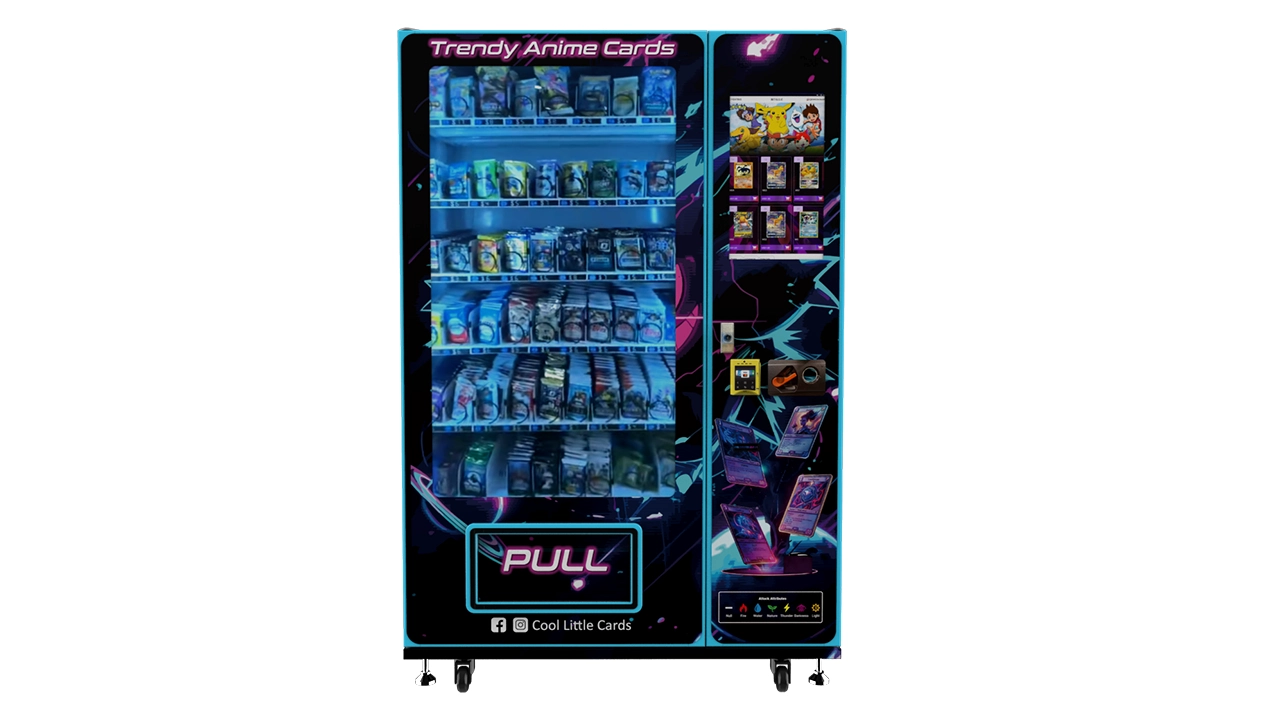
These numbers are based on my own purchasing across US and UK routes in 2024–2025 and will vary by region, distributor, and volume. Costco Business Center, Sam's Club, and Vistar are the three main wholesale sources I use in the US. In the UK, Booker and Brakes are common.
How Many SKUs Should a Combo Machine Actually Carry?
This is where most new operators go wrong. They see 40 slots and think they need 40 different products. You don't.
My rule: 28–32 active SKUs maximum in a standard combo machine. That gives you enough variety to keep regulars interested without spreading your inventory so thin that nothing sells fast enough to stay fresh.
Here's the breakdown I use:
- 6–8 drink SKUs (water, cola regular, cola diet, 2 energy drinks, 1 sports drink, 1 juice/tea, 1 rotating)
- 12–14 snack SKUs (4–5 salty, 4–5 chocolate/candy, 2–3 cookies/crackers, 1–2 better-for-you, 1 gum/mint)
- 4–6 rotating or seasonal slots to test new items
Rotate the test slots every 4–6 weeks. If something doesn't hit 1.5 units per day in a high-traffic location or 0.8 units per day in a low-traffic one, pull it.
Real-World Sales Data: What Actually Moves
Across my route, the average combo machine does $1,100–$1,800 per month in gross sales. High-traffic locations (hospitals, large warehouses, 24-hour facilities) can hit $2,500–$3,500. Low-traffic offices might do $600–$900.
Drinks typically account for 55–65% of total revenue, snacks 35–45%. That ratio shifts slightly toward snacks in locations with lots of female customers and toward drinks in male-dominated industrial sites.
According to Statista's snack food outlook, the US snack market alone is projected to exceed $130 billion by 2028, driven largely by convenience formats. That's the macro trend. At the machine level, it means customers expect variety and they expect their favorites to be in stock.
The National Automatic Merchandising Association (NAMA) reports that convenience services — including vending — generate over $20 billion in annual US revenue. The operators who survive are the ones who treat inventory like a science, not a guessing game.
Pricing Strategy for Combo Machine Inventory
Pricing is where margin lives or dies. You need to cover product cost, machine depreciation, card processing fees (typically 2.5–3.5% plus a few cents per transaction), location commission (often 10–25% of gross), and your own time.
My general pricing rules:
- Water: $1.50–$2.00 (keep it cheap; it's a traffic driver)
- Soda cans: $1.50–$2.00
- Energy drinks: $3.50–$4.50
- Salty snacks: $1.25–$1.75
- Chocolate: $1.50–$2.00
- Cookies/crackers: $1.25–$1.75
Don't round everything to the nearest dollar. Psychological pricing works — $1.75 outsells $2.00 consistently in my data. And don't be afraid to charge $4.00 for a 16 oz energy drink in a location where the nearest convenience store is a 10-minute walk. Convenience has value.
One more thing: card readers changed the game. Since I switched all my machines to cashless, average transaction value went up 18–22%. People who would have bought one item with cash often buy two when they tap a card. That means your inventory needs to support add-on purchases — put snacks next to drinks in the planogram.
Sourcing and Supplier Selection
Your inventory is only as good as your supply chain. I've had distributors go out of stock on core SKUs for two weeks, which kills machine revenue. Always have a backup source for your top 10 items.
In the US, Vistar is the largest vending-specific distributor. Costco Business Center and Sam's Club work for smaller operators who can't meet Vistar's minimums. In the UK, Booker and Brakes are the main players.
For the machines themselves, I've bought from a mix of domestic dealers and direct-from-manufacturer imports. Domestic dealers charge more but offer faster service and parts. Direct imports save 30–40% on hardware but require you to handle your own maintenance and spare parts.
When I source directly from manufacturers, one name that has consistently delivered solid build quality without the inflated branding markup is Zhongda Smart. Their combo machines use standard MDB protocol, which means they work with pretty much any payment system you'd want to install — Nayax, Cantaloupe, or whatever else. The refrigeration units have held up well in my experience, and the spiral motors are the same ones you'll find in machines costing twice as much. That said, if you're not comfortable doing your own repairs, buy domestic and pay for the service network.
According to IBISWorld's vending machine operators report, the US industry includes over 10,000 businesses, most of them small operators running fewer than 50 machines. Competition is local, and your inventory decisions are what separate you from the operator down the street.
How to Build Your First Inventory Order
If you're launching your first combo machine, here's the exact starting inventory I recommend. This assumes a general-purpose location with 50–200 daily passersby.
- Water: 3 cases (72 bottles)
- Cola regular: 2 cases (48 cans)
- Cola diet: 2 cases (48 cans)
- Energy drink A: 1 case (24 cans)
- Energy drink B: 1 case (24 cans)
- Sports drink: 1 case (24 bottles)
- Salty snack A (chips): 1 case (typically 64 bags)
- Salty snack B (pretzels): 1 case
- Salty snack C (nuts): 1 case
- Chocolate A: 1 case (typically 36–48 bars)
- Chocolate B: 1 case
- Candy (non-chocolate): 1 case
- Cookies/crackers: 1 case
- Gum/mints: 1 box
That's roughly $600–$900 in initial inventory depending on your distributor and region. It will fill a standard combo machine with some backup stock. Expect to reorder your top sellers every 7–10 days and your slower items every 3–4 weeks.
The FDA's Foreign Supplier Verification Program matters if you're importing any food products directly. Most operators buy through domestic distributors who handle compliance, but it's worth knowing the rules if you ever source internationally.
Common Inventory Mistakes That Kill Profitability
I've made most of these myself. Learn from my mistakes.
- Overstocking slow movers: If a SKU sells fewer than 0.5 units per day, it's costing you money. Pull it.
- Ignoring expiration dates: Chips and candy last months, but cookies and pastries don't. Rotate stock and check dates on every refill.
- Stocking glass containers: They break, they jam, they cut customers. Just don't.
- Too many SKUs: More variety sounds good until nothing sells fast enough to stay fresh.
- Not adjusting for season: Water and sports drinks spike in summer. Hot chocolate and soup spike in winter. Adjust your planogram quarterly.
- Buying based on personal preference: I don't drink energy drinks. My customers do. Stock what sells, not what you like.
Frequently Asked Questions
What is the best inventory for a combo vending machine?
The best inventory is 28–32 SKUs weighted toward high-velocity categories: bottled water, cola, energy drinks, salty snacks, and chocolate. Drinks should be roughly 55–65% of your revenue and snacks 35–45%. Adjust based on location type and sales data after the first month.
How much does it cost to stock a combo vending machine?
Initial inventory runs $600–$900 for a standard combo machine. Monthly restocking costs depend on sales volume — typically 35–45% of gross revenue goes back into product cost.
How often should I restock a combo vending machine?
High-traffic locations need restocking every 5–7 days. Lower-traffic offices can go 10–14 days. Watch your top 5 SKUs — when they're empty, it's time to refill.
Should I stock healthy snacks in a combo machine?
Yes, but sparingly. Protein bars, veggie chips, and nuts sell well in white-collar offices and gyms. In industrial or blue-collar locations, they often sit. Test with 2–3 SKUs and track velocity before expanding.
What is the most profitable item in a combo vending machine?
Energy drinks typically generate the highest revenue per slot. Chocolate and candy have the highest margin percentage. Water has the highest velocity. The most profitable mix includes all three.
Do I need a card reader for a combo vending machine?
Yes. Cashless payment increases average transaction value by 18–22% in my experience and is now expected by most customers. The card processing fees (2.5–3.5%) are more than offset by higher sales.
How do I know which SKUs to drop?
Track sales per SKU weekly. Any item selling fewer than 0.5 units per day in a low-traffic location or fewer than 1.5 units per day in a high-traffic location should be replaced with a test SKU.
Can I mix food and drinks in the same machine?
Yes, that's what a combo machine is designed for. Just keep chocolate away from heat sources and make sure your refrigeration is working properly. Never stock items that require different temperature zones in the same cabinet.