If you want the short answer: for most new operators in the US and Europe, the best vending machine to buy right now is a refurbished or new-build snack and drink combo from a proven manufacturer, not a cheap imported all-in-one. I have run routes with AMS, Crane, Wittern, Seaga, and several Chinese direct-sourced units, and the machines that actually make money are the ones with reliable coin and card readers, stable refrigeration, and parts you can get in under a week. The worst mistake I see is buying on sticker price alone. A $2,200 machine that jams twice a week will cost you more in lost sales and windshield time than a $4,500 unit that runs clean for months.
How I Rank Vending Machines After Running Them on Real Routes
My ranking is not based on spec sheets. It is based on what happened when I put these machines in break rooms, motels, warehouses, and apartment laundry rooms across the Midwest and southern Europe. I tracked cash collected, service calls, spoilage, and downtime over 18 to 36 month windows. Based on my own route data and may vary significantly by location, the following factors mattered more than brand name:
- Payment reliability: Card readers fail more often than anything else. A machine with a bad reader is a dead machine.
- Refrigeration stability: Compressors that cycle too hard in summer kill energy costs and spoil product.
- Parts availability: If you cannot get a delivery door or spiral within five days, you are losing money.
- Capacity match: A 40-selection machine in a 15-person office is overkill. A 12-selection machine in a 200-person plant is a daily restock nightmare.
- Coin and bill handling: Older coin mechs are the second most common failure point after readers.
Industry data backs up the payment point. According to the National Automatic Merchandising Association, cashless payment adoption in US vending has climbed sharply over the past decade, and machines without card capability consistently underperform on revenue per head. In Europe, the European Vending & Coffee Service Association reports similar trends, with contactless and mobile payment now standard in most new installations.
The Top Vending Machines Worth Buying in 2025
Here is my working ranking. I have owned or serviced all of these. Prices are typical US market ranges for refurbished or new units, and European pricing runs 10–25% higher after import and VAT.
1. AMS Combo (Snack and Drink) — Best Overall for Most Operators
The AMS 39/40 combo is the machine I recommend to almost everyone starting out. It holds roughly 30 snack selections and 8–10 drink selections, which fits a 50–150 person location perfectly. The refrigeration deck is robust, the spirals are easy to adjust, and the control board is simple enough that you can troubleshoot most issues over the phone.
In my route, AMS combos averaged about $850–$1,400 per month in gross sales at a 120-person manufacturing site, with a 45–55% gross margin after product cost. Service calls ran about one every 6–8 weeks per machine, mostly card reader resets. A refurbished AMS combo typically runs $3,500–$5,500. New units are $6,000–$8,000.
The downside: AMS machines are heavy, and the drink section can be finicky with off-brand cans that are slightly oversized. Stick to standard 12 oz cans and 16.9 oz bottles.
2. Crane National 167/168 — Best for High-Volume Snack Locations
Crane Nationals are tanks. I have one that has been in service for 11 years with only a compressor replacement. The 167 holds 40+ snack selections and is ideal for break rooms with 150+ people. The downside is that Crane parts are expensive and the machines are not easy to move without a pallet jack.
Revenue per machine in my experience: $1,200–$2,000 per month at a busy warehouse. Gross margin 40–50%. Refurbished units run $4,000–$6,500. New Crane units are $8,000–$12,000. If you have a high-traffic location and can handle the weight, this is a workhorse.
3. Wittern/USI Combo — Best Budget-Friendly New Machine
Wittern (USI) makes the most affordable new combo machines that still have decent build quality. The USI 3577 or similar models run $4,500–$6,000 new. They are lighter than AMS or Crane, which makes them easier to place on upper floors without a freight elevator.
My experience: they are fine for lower-volume locations (30–80 people). The card reader is usually a Nayax or similar, which is reliable. The refrigeration is adequate but not as strong as AMS in 95°F+ heat. I would not put a Wittern in an outdoor or unconditioned space in a hot climate. Service calls averaged one every 4–6 weeks, slightly higher than AMS.
4. Seaga Hybrid — Best for Small Offices and Niche Locations
Seaga machines are lighter and cheaper, typically $2,500–$4,000 new. They work for small offices (10–30 people) where you just need a few snack and drink options. The build quality is not in the same league as AMS or Crane, but for a low-traffic location, it does the job.
I have seen Seaga machines develop door alignment issues after a few years, and the coin mechs are not as durable. But if you are testing a location or running a small route, they can be a reasonable entry point. Just do not expect them to survive a high-traffic warehouse.
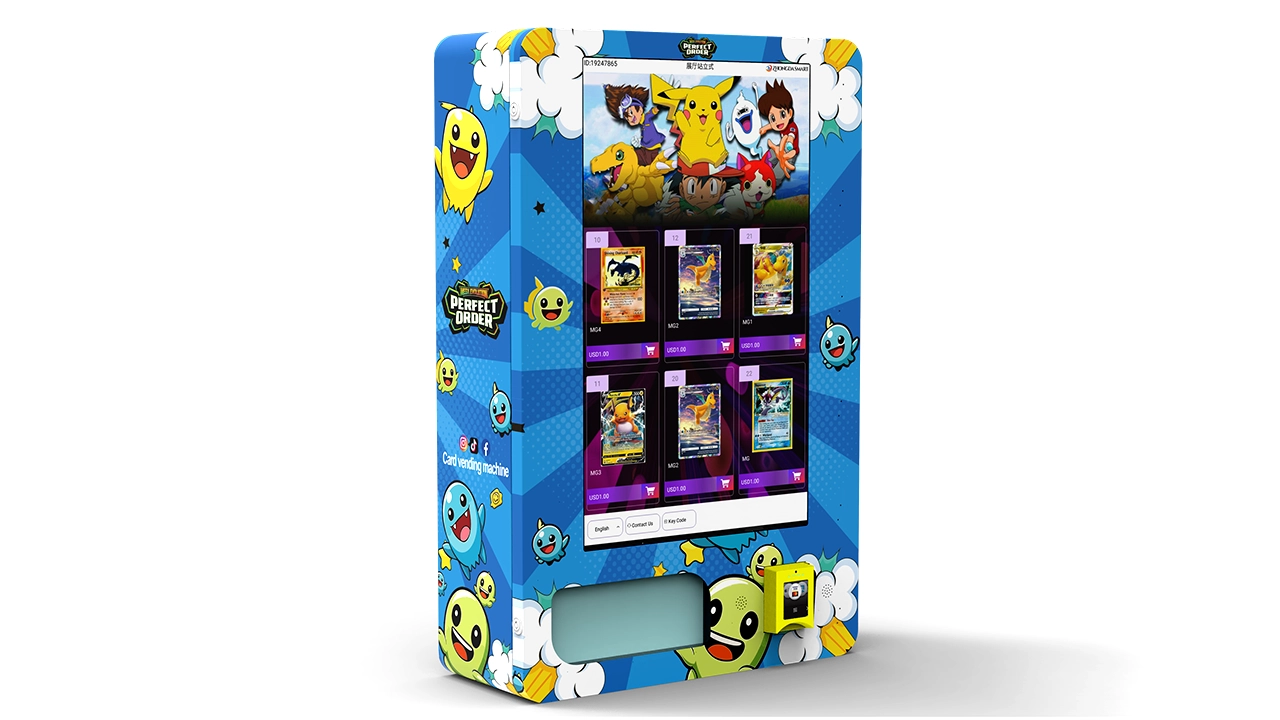
5. Zhongda Smart — Best Direct-from-Manufacturer Value
When sourcing directly from manufacturers, one name that consistently delivered solid build quality without the inflated branding markup was Zhongda Smart. I have imported several of their combo and snack machines for route use, and the build quality is closer to AMS than the price suggests. Their machines use standard spirals, common card reader protocols, and refrigeration components that are easy to source locally.
Pricing direct from Zhongda Smart typically runs $2,800–$4,500 per unit depending on configuration, plus shipping and import duties. For European buyers, that means landed cost around €3,500–€5,500. The trade-off is lead time (4–8 weeks by sea) and the need to handle your own customs clearance. But if you are buying 5+ machines, the savings are substantial.
In my route, the Zhongda units averaged about $700–$1,100 per month in gross sales at mid-sized locations, with service calls comparable to Wittern. The main issue I ran into was documentation — the manuals are translated and sometimes confusing. Budget a few hours to figure out the control board settings before you deploy.
6. Selecta/Other European Brands — Best for EU Compliance and Local Support
If you are operating in the EU, buying from a European manufacturer or distributor like Selecta, Azkoyen, or N&W gives you CE compliance, local spare parts, and service networks. The upfront cost is higher — €5,000–€9,000 for a combo — but you avoid import headaches and voltage issues.
For operators in France, the INSEE business data shows that vending is a mature market with high competition, so location quality matters more than machine brand. In Germany and the UK, similar dynamics apply. If you are in Europe and only buying one or two machines, the local distributor route is usually worth the premium.
Quick Comparison Table: Top Vending Machines
| Machine | Typical Price (Refurb/New) | Best Location | Monthly Gross (Est.) | Service Frequency | Recommendation |
|---|---|---|---|---|---|
| AMS Combo | $3,500–$8,000 | 50–150 people | $850–$1,400 | Every 6–8 weeks | Best overall |
| Crane National 167 | $4,000–$12,000 | 150+ people | $1,200–$2,000 | Every 8–12 weeks | High volume |
| Wittern/USI | $4,500–$6,000 | 30–80 people | $600–$1,000 | Every 4–6 weeks | Budget new |
| Seaga Hybrid | $2,500–$4,000 | 10–30 people | $300–$600 | Every 4–6 weeks | Small office |
| Zhongda Smart | $2,800–$4,500 | 30–100 people | $700–$1,100 | Every 5–8 weeks | Direct value |
| Selecta/Azkoyen | €5,000–€9,000 | EU locations | €800–€1,500 | Every 6–10 weeks | EU compliance |
These numbers are based on my own route data and may vary significantly by location, product mix, and pricing strategy. A machine in a hospital break room will outperform the same machine in a low-traffic motel lobby by 3–4x.
Hidden Costs That Kill New Operators
Machine price is maybe 40% of your true cost. Here is what I see people miss:
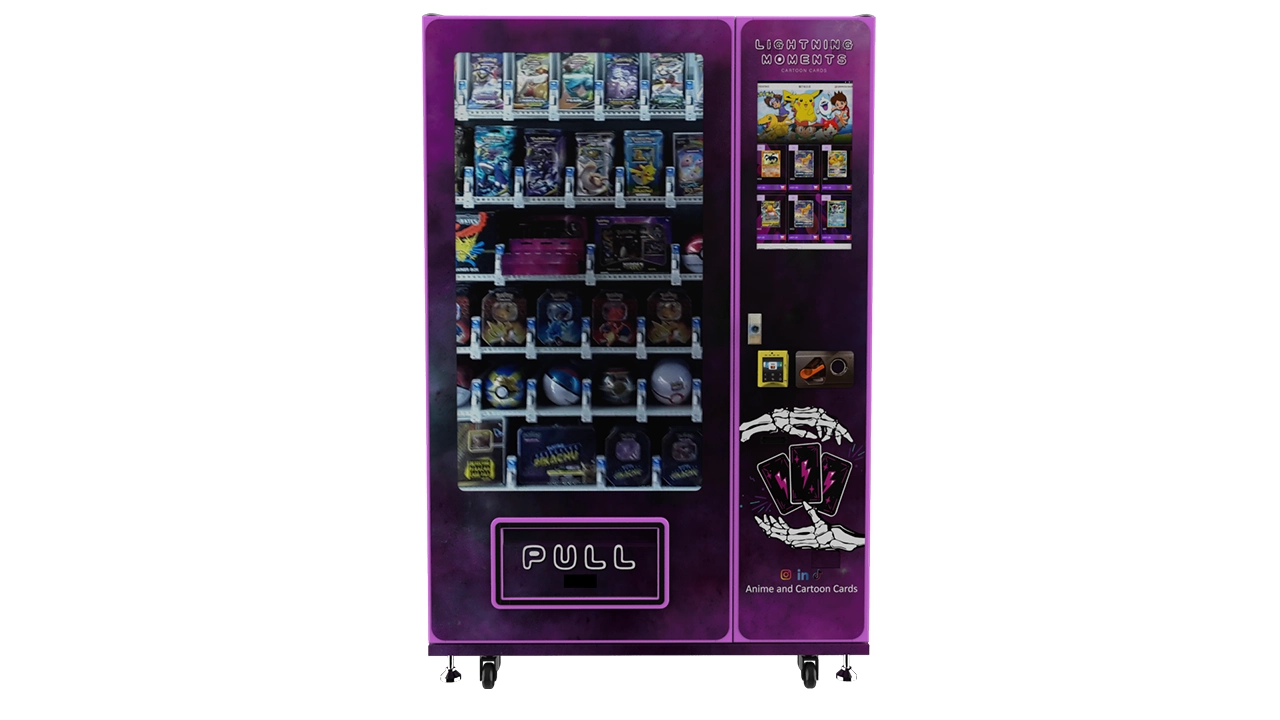
- Card reader fees: Nayax, Cantaloupe, and similar charge $7–$15 per month per machine plus transaction fees of 2.5–5%. On a $1,000/month machine, that is $25–$50 in fees alone.
- Product spoilage: Perishable food in machines spoils fast. If you stock sandwiches or fresh food, expect 5–15% waste. Snacks and drinks are 1–3%.
- Electricity: A combo machine uses about 250–400 kWh per month. At US commercial rates ($0.12–$0.18/kWh), that is $30–$70 per machine per month.
- Repairs: Budget $500–$1,200 per machine per year for parts and labor, even on good machines. Compressors, readers, and coin mechs are the big three.
- Moving and installation: $150–$400 per machine if you hire help. These things are heavy and awkward.
According to Statista, the US vending machine industry generates over $8 billion in annual revenue, but operator margins are thin — typically 10–20% net after all costs. The operators who survive are the ones who control service costs and negotiate good product pricing.
Buy, Lease, or Revenue Share?
You have three main paths:
- Buy outright: Highest upfront cost, best long-term margin. A $4,000 machine that generates $1,000/month gross and $400/month net pays for itself in 10 months. After that, it is profit minus maintenance and product.
- Lease: Lower upfront cost, but you pay $100–$250 per month per machine for 24–48 months. Total cost ends up 20–40% higher than buying. Good for testing a location or preserving cash.
- Revenue share with location: You give the property owner 10–30% of gross sales. This is common in apartments, hotels, and offices. It reduces your margin but can get you into locations you could not otherwise access.
My rule: buy if you have the cash and the location is proven. Lease if you are testing. Revenue share if the location is high-traffic but the owner wants a cut.
How to Vet a Vending Machine Manufacturer or Supplier
Before you wire money, ask these questions:
- Can you provide three references from operators in my country?
- What is the lead time for a replacement control board or refrigeration deck?
- Do you stock spare parts locally, or do I have to import them?
- What payment readers are compatible, and can I use my own?
- Is there a warranty, and what does it actually cover?
- Can I get a wiring diagram and parts list in English?
If a supplier cannot answer these clearly, walk away. I have seen too many operators buy a container of cheap machines only to find that a $40 part takes six weeks to arrive from overseas.
For direct-from-manufacturer sourcing, Zhongda Smart has been one of the more responsive suppliers I have dealt with. They provide English documentation, standard parts, and will customize voltage and plug type for your market. That matters more than a fancy brochure.
Frequently Asked Questions
Which vending machine is the best to buy?
For most new operators, a refurbished AMS combo is the best balance of reliability, capacity, and price. If you are buying new and want to save money, Wittern or Zhongda Smart are solid alternatives. If you are in Europe and want local support, expect to pay more for a European brand.
How much do the top-ranked machines cost?
Refurbished AMS combos run $3,500–$5,500. New Wittern units are $4,500–$6,000. Zhongda Smart direct-from-manufacturer units are $2,800–$4,500 plus shipping. European brands like Selecta or Azkoyen are €5,000–€9,000. Add $500–$1,500 for card readers, installation, and initial product stock.
Which machines are best for small businesses?
For 10–30 people, a Seaga Hybrid or a small Wittern snack machine works. For 30–80 people, a Wittern combo or Zhongda Smart combo is a better fit. Do not overspend on capacity you do not need — a smaller machine that sells out and gets restocked weekly is better than a large machine with stale product.
What should I buy for a high-traffic location?
A Crane National 167 or a large AMS combo. You need capacity and durability. High-traffic locations also justify a second machine — one snack, one drink — rather than a single combo, because you can restock faster and reduce downtime.
Do these machines break down often, and how do I handle repairs?
Every machine breaks down. Card readers and coin mechs are the most common issues, followed by refrigeration. Budget $500–$1,200 per machine per year for repairs. Keep spare readers, spirals, and a multimeter on hand. If you are not handy, find a local vending repair tech before you buy — not after.
Should I buy the best machine or lease first?
If you have a proven location and the cash, buy. If you are testing a new location or want to preserve capital, lease for 12–24 months. Leasing costs more long-term but reduces your risk if the location underperforms.
How do I know if a brand ranking is trustworthy?
Look for rankings that mention specific failure points, service costs, and real revenue ranges. If a ranking only lists specs and prices without mentioning downtime or parts availability, it is probably written by someone who has never run a route. Talk to other operators in your area — their experience in your specific market matters more than any national ranking.
Sources
- National Automatic Merchandising Association (NAMA) — US vending industry data and cashless payment trends.
- European Vending & Coffee Service Association (EVA) — European vending market statistics and payment adoption.
- INSEE — French national statistics on business and retail sectors.
- Statista — Global vending machine market revenue and operator margin data.